Direct Answer
The biggest mistake homeowners make with foundation issues is making a repair decision before understanding the problem.
That can happen in two opposite ways:
- Ignoring meaningful signs of movement for too long
- Assuming every crack, sticking door, or uneven slab means major foundation repair
Other common mistakes include:
- Patching cracks without determining why they formed
- Ignoring drainage, leaks, erosion, or soil washout
- Confusing slab settlement with structural foundation movement
- Choosing a repair method before understanding the cause
- Comparing quotes by price instead of diagnosis and scope
- Assuming more piers or a larger repair is automatically safer
- Choosing the contractor who sounds most certain
- Failing to document changes over time
- Expecting foundation repair to erase every cosmetic symptom
- Repairing finishes before underlying movement has been addressed
- Waiting indefinitely while symptoms continue to progress
The goal is not to react to every symptom.
It is also not to ignore them.
The best first step is to determine what is moving, why it is moving, and whether anything actually needs to be repaired.
Read more: Foundation Problems in Florida: The Complete Homeowner Guide
Foundation Problems Are Easy to Misread
Homeowners may first notice:
- Stair-step cracking
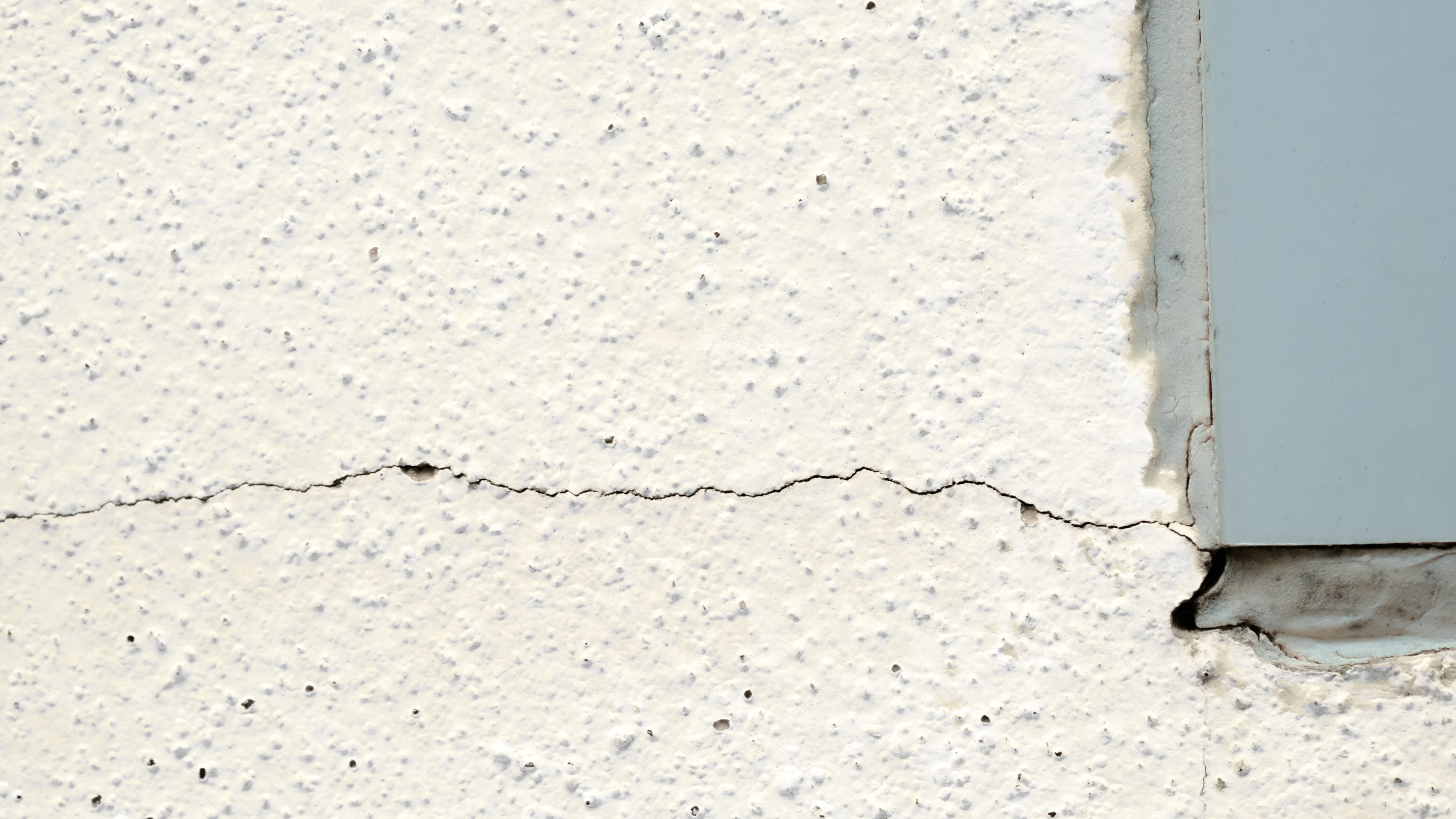
- Drywall or stucco cracks
- Sticking doors
- Gaps around windows
- Uneven floors
- Settled exterior concrete
- Garage floor movement
- Voids beneath slabs
- Soil erosion near the home
Some can indicate meaningful foundation movement.
Others may involve cosmetic materials, an isolated slab, poorly compacted fill, shallow weak soils, water washout, a plumbing leak, or old stable movement.
That is why the visible symptom should begin the investigation—not become the diagnosis.
The Biggest Foundation Mistakes at a Glance
| Mistake | Why It Can Cause Problems | Better Approach |
| Ignoring progressing symptoms | Movement may continue | Evaluate meaningful changes |
| Panicking over one symptom | May lead to unnecessary repair | Look for patterns |
| Patching cracks first | Treats appearance instead of cause | Diagnose before cosmetic repair |
| Ignoring water or drainage | Soil loss may continue | Correct contributing water sources |
| Confusing slabs with foundations | Can lead to the wrong repair | Identify what is actually moving |
| Choosing a repair method first | Product begins driving diagnosis | Diagnose first, select method second |
| Comparing price instead of scope | Quotes may solve different problems | Normalize scope before price |
| Assuming more repair is safer | Can add unnecessary cost | Require evidence for the scope |
| Trusting confidence over evidence | Certainty does not prove accuracy | Ask how the conclusion was reached |
| Failing to monitor | Loses useful evidence about progression | Document changes intentionally |
| Expecting cosmetic perfection | Creates unrealistic expectations | Understand stabilization vs. restoration |
| Repairing finishes too soon | Cosmetic work may need to be redone | Stabilize first when necessary, restore afterward |
| Assuming least invasive is always best | May under-address the actual problem | Choose the least invasive repair that properly addresses the movement |
| Waiting indefinitely | Progressive problems may worsen | Know what changes should trigger action |
| Ignoring who stands behind the repair | Warranty may have little value later | Evaluate experience, warranty, and long-term accountability |
Mistake #1: Ignoring Symptoms That Are Clearly Changing
Not every crack is urgent.
But a symptom that is progressing deserves more attention than one that has remained unchanged for years.
Watch for:
- Cracks getting wider or longer
- New stair-step cracking
- Multiple doors or windows beginning to stick
- Increasing gaps around openings
- More noticeable floor-elevation differences
- Cosmetic repairs repeatedly reopening
- New exterior settlement nearby
- Increasing erosion or soil loss
An evaluation does not automatically mean a major repair will be recommended.
The appropriate conclusion may be foundation repair, another type of repair, or monitoring.
The mistake is ignoring a clear pattern of change without a plan.
Read more: Can I Wait to Fix Foundation Issues or Will It Get Worse?
Mistake #2: Assuming Every Crack Means Foundation Repair
Cracks can occur in:
- Drywall
- Stucco
- Grout
- Paint
- Concrete
- Masonry
- Other finish materials
for many reasons.
A small isolated crack that remains stable is very different from a widening stair-step crack accompanied by sticking doors and changing floor elevations.
Ask:
- Where is the crack?
- What material is cracked?
- Is it changing?
- What pattern does it follow?
- Are related symptoms developing nearby?
One symptom should not become the diagnosis.
Read more: How to Tell If Foundation Cracks Are Serious or Cosmetic
Mistake #3: Repairing the Crack Instead of Investigating the Cause
Patching drywall, stucco, grout, or concrete may improve appearance.
It does not necessarily correct why the crack formed.
If movement continues, the crack may reopen or appear nearby.
This does not mean cosmetic damage should never be repaired.
It means the sequence matters.
When ongoing movement is a reasonable concern:
Understand the cause first. Address the movement if necessary. Repair the cosmetics afterward.
Repeatedly patching the same symptom without understanding why it returns can waste money and hide useful evidence.
Mistake #4: Ignoring Drainage, Leaks, and Water Movement
Water can contribute to foundation and slab problems through:
- Roof runoff
- Poor grading
- Downspouts
- Irrigation leaks
- Plumbing leaks
- Stormwater
- Concentrated runoff
- Soil washout
These conditions can create erosion, voids, and loss of shallow soil support.
That does not mean every foundation problem is caused by drainage, and drainage correction does not automatically reverse settlement that has already occurred.
But when active water loss is contributing to the problem, it should be addressed as part of the overall plan.
Read more: Drainage Problems and Foundation Settlement in Florida
Mistake #5: Confusing Slab Settlement With Foundation Settlement
Not every piece of concrete around or inside a home is part of the structural foundation.
A driveway, sidewalk, patio, pool deck, garage floor, or interior floor slab may sometimes move independently.
For example, an interior slab may settle because the fill beneath it loses support while the perimeter foundation remains relatively stable.
A garage floor can also settle without the surrounding foundation requiring underpinning.
The key question is:
“What exactly is moving?”
That distinction can be the difference between a localized slab repair and a much larger foundation repair.
Read more: Interior Slab Settlement: Causes, Signs, and Repair Options
Read more: Why Is My Garage Floor Sinking?
Mistake #6: Choosing the Repair Method Before Understanding the Problem
Homeowners sometimes begin researching solutions before the problem has been diagnosed.
They may decide they need piers, polyurethane, concrete lifting, replacement, or grouting based on symptoms alone.
Different repair methods solve different problems.
For example:
- Foundation piers may be used to support affected foundation areas by transferring loads to deeper competent bearing soils or other suitable bearing material.
- Polyurethane soil stabilization may improve certain weak or loose shallow soils.
- Void filling can restore support beneath a repairable slab.
- Concrete lifting can raise settled concrete when the slab remains suitable.
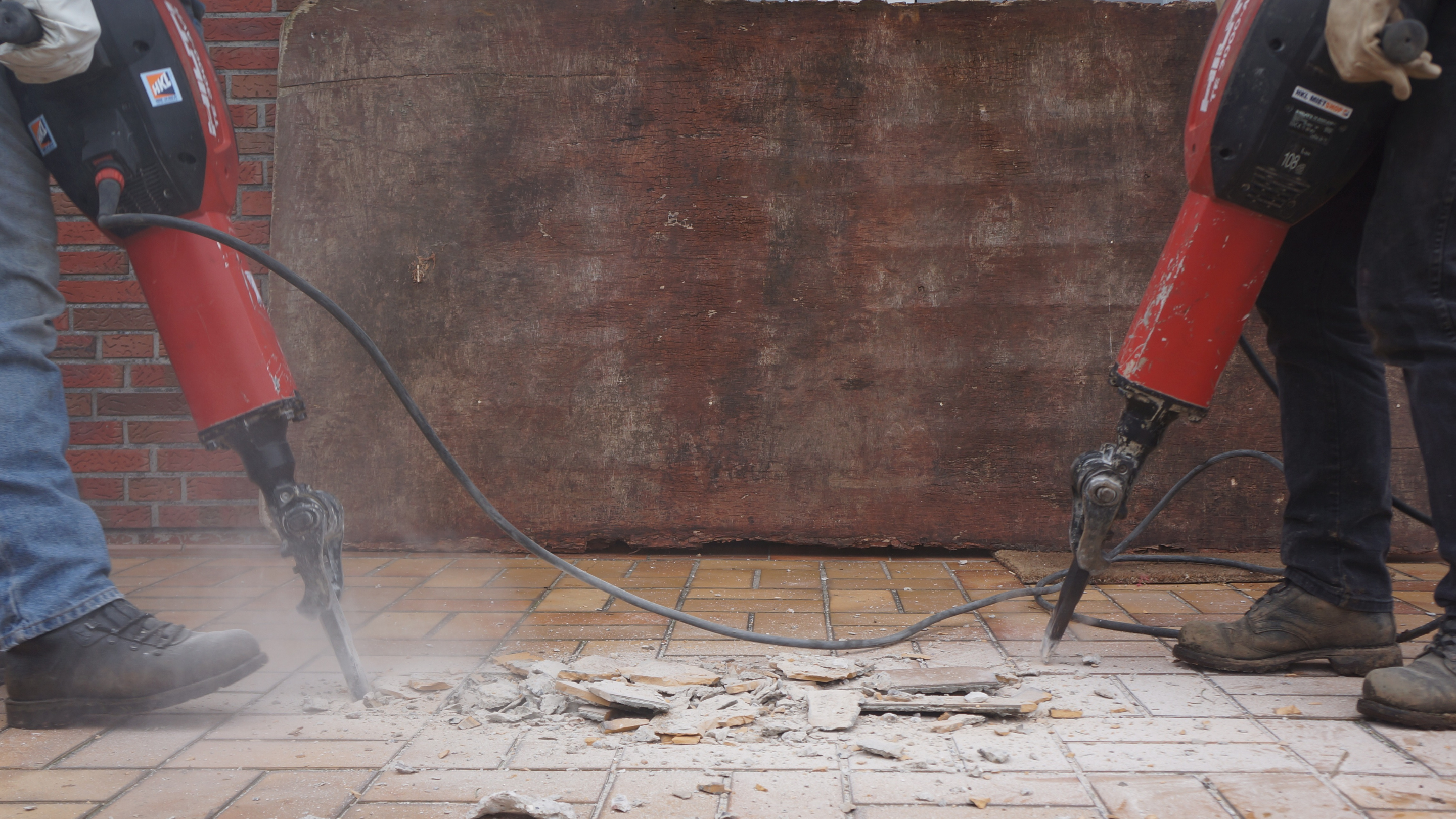
- Replacement may be better when the concrete itself is badly deteriorated.
- Compaction grouting may improve or densify deeper soils in appropriate conditions.
The repair should come after the diagnosis.
The problem should determine the repair—not the product the homeowner or contractor wants to use.
Read more: Polyurethane vs Mudjacking vs Replacement: An Honest Comparison
Mistake #7: Comparing Foundation Quotes by Price Alone
A $15,000 proposal and a $40,000 proposal may not represent different prices for the same work.
The scopes may differ in:
- Diagnosis
- Affected area
- Pier quantity
- Soil treatment
- Interior support
- Engineering
- Access
- Restoration
- Warranty
A lower price is only a better value if it addresses the right problem.
Normalize the scope first. Compare the price second.
Read more: Why Is One Foundation Repair Quote Much Higher Than Another?
Mistake #8: Assuming More Piers or More Repair Is Automatically Better
Foundation repair is not a contest to install the most material.
More piers may be necessary when a larger area requires support.
They can also be unnecessary if the additional locations are not supported by the diagnosis or repair design.
Ask:
“Why does this specific area need repair?”
and:
“Why does the repair stop where it does?”
On engineered projects, pier locations and spacing may also be determined by the engineer’s repair design.
The goal is not the smallest scope.
It is the appropriate scope.
Read more: Why Some Contractors Recommend Repairs You May Not Need
Mistake #9: Choosing the Contractor Who Sounds the Most Certain
Confidence can be reassuring.
But confidence is not evidence.
Foundation evaluations can involve legitimate uncertainty, particularly when symptoms are minor, historical movement is possible, water or plumbing may be involved, or soil conditions are complex.
A contractor should be able to explain:
- What appears to be known
- What remains uncertain
- What evidence supports the recommendation
- What would change the recommendation
The concern is not uncertainty. The concern is unexplained certainty.
Read more: What Questions Should I Ask a Foundation Contractor
Mistake #10: Failing to Document Changes Over Time
Time can provide useful diagnostic information.
If something may be changing, document it.
Useful records can include:
- Dated photographs
- Crack or gap measurements
- Door and window observations
- Previous inspection reports
- Floor-elevation measurements
- Repair records
- Drainage changes
- Plumbing repairs
When appropriate, repeat relative floor elevations can help identify changes in the pattern.
At Helicon, a ZipLevel may be used during foundation evaluations to help identify relative floor-elevation patterns.
Monitoring is a decision—not the same as doing nothing.
Read more: When You Do NOT Need Foundation Repair
Mistake #11: Assuming Foundation Repair Will Make the Home Look New Again
Foundation repair and cosmetic restoration are different.
The primary objective is generally to stabilize the affected structure.
Depending on the condition and repair method, some lifting or recovery may occur, but homeowners should not automatically expect:
- Every crack to close
- Every floor to become perfectly level
- Every door to realign
- Every window gap to disappear
- Tile or stucco damage to repair itself
Ask before work begins:
- What is the repair objective?
- Is lifting anticipated?
- What recovery is realistic?
- What cosmetic work is excluded?
- Who handles restoration?
Realistic expectations matter.
Mistake #12: Repairing Cosmetic Finishes Too Soon
If movement is still active or foundation work is about to occur, replacing drywall, stucco, tile, flooring, or trim immediately may be premature.
For many projects, a better sequence is:
- Understand the movement.
- Complete necessary stabilization.
- Evaluate the repaired condition.
- Complete appropriate cosmetic restoration.
The exact timing depends on the project, but homeowners should discuss the sequence before spending money on finishes.
Mistake #13: Assuming the Least Invasive Repair Is Always the Best Repair
No homeowner wants unnecessary:
- Excavation
- Flooring removal
- Concrete removal
- Landscaping disturbance
- Interior demolition
But minimizing disruption cannot come at the expense of solving the problem.
A relatively non-invasive polyurethane repair may be appropriate for some shallow soil or slab conditions.
It is not a substitute for deeper support when deeper foundation support is what the structure requires.
The goal should be:
The least invasive repair that properly addresses the movement.
Read more: Can Foundation Problems Be Fixed Without Tearing Everything Out?
Mistake #14: Waiting Indefinitely Because the Problem Is Not an Emergency
There is a difference between monitoring and procrastinating.
Monitoring has:
- A reason
- A timeframe
- Specific symptoms to watch
- A point at which another evaluation should occur
Procrastination is simply hoping nothing changes.
If foundation movement is active, homeowners should not expect the condition to improve on its own.
That does not mean every condition rapidly worsens or every homeowner needs immediate repair.
It means clearly progressing movement should not be ignored indefinitely.
If monitoring is recommended, ask:
“What exactly should make me call you back?”
That turns waiting into a plan.
Mistake #15: Hiring a Contractor Without Understanding Who Stands Behind the Repair
Foundation repair is not only about installation day.
Consider:
- Licensing when applicable
- Insurance
- Relevant experience
- Local history
- Technical capabilities
- Warranty terms
- Who performs the work
- Whether the company is likely to be available later
A long warranty has limited value if no one is around to honor it.
A newer company is not automatically a poor choice, but a short operating history reasonably calls for additional due diligence.
Read more: How to Choose the Right Foundation Repair Company
Checklist: Before You Approve Foundation Repair
Before signing a major proposal, make sure you understand:
The Problem
- What exactly appears to be moving?
- Is it the foundation, a slab, the soil, or a combination?
- What evidence supports that conclusion?
- Does the movement appear active?
The Cause
- What likely caused the movement?
- Were drainage and water considered?
- Are plumbing or irrigation leaks relevant?
- Are voids or weak soils involved?
The Repair
- Why is this method appropriate?
- Which areas need repair?
- Why does the scope begin and end where proposed?
- Were reasonable alternatives considered?
- What is the least invasive repair that properly addresses the movement?
Expectations
- Is the objective stabilization, lifting, soil improvement, void filling, or something else?
- What recovery is realistic?
- What cosmetic damage may remain?
- What restoration is included?
The Contractor
- Can the recommendation be clearly explained?
- Does the company have relevant Florida experience?
- Do I understand the warranty?
- Who will stand behind the repair later?
- Am I being given enough time to make an informed decision?
If those questions cannot be answered clearly, more information may be needed before approving the work.
What If You Already Made One of These Mistakes?
Do not panic.
Homeowners patch cracks, wait too long, choose the wrong quote, or replace concrete that later settles again.
The useful question is:
“What should I do next?”
Depending on the situation, that may mean:
- Documenting the current condition
- Correcting a leak or drainage problem
- Getting another qualified opinion
- Reviewing an existing repair scope
- Monitoring for progression
- Checking floor elevations
- Consulting an engineer for a complex or high-cost condition
- Performing the repair the evidence supports
A previous decision does not prevent the next one from being better informed.
What If Contractors Disagree?
Contractors can legitimately reach different conclusions.
One may recommend piers.
Another may recommend soil stabilization.
Another may recommend monitoring.
Do not automatically choose the cheapest, largest, least invasive, or most confident recommendation.
Ask each contractor:
- What do you believe is moving?
- What evidence supports that?
- What caused the movement?
- Why does your repair address it?
- What would change your recommendation?
If disagreement remains substantial—particularly on a complex or expensive project—another qualified opinion or independent engineering evaluation may be helpful.
Read more: Do I Need Multiple Quotes for Foundation Repair?
How Helicon Approaches Foundation Problems
Helicon has worked with Florida foundations and soils since 2004.
Our experience includes foundation underpinning, polyurethane soil stabilization, structural void filling, concrete lifting, compaction grouting, sinkhole repair, and deep foundation systems.
That breadth matters because a homeowner may have a foundation problem, slab problem, shallow-soil problem, water-related problem, deeper support problem, or a combination.
Those conditions should not all receive the same repair.
We Start With the Problem
A foundation evaluation may consider:
- Crack patterns
- Doors and windows
- Gaps
- Relative floor elevations using a ZipLevel when appropriate
- Exterior concrete settlement
- Drainage and erosion
- Soil conditions near the foundation
- Other relevant site conditions
The goal is to determine:
- What appears to be moving?
- Why?
- Which areas are affected?
- Does anything need repair now?
- What repair objective is appropriate?
- What is the least invasive repair that properly addresses the movement?
Sometimes the answer is foundation piers.
Sometimes it is soil stabilization or a slab-specific repair.
Sometimes another contributing condition needs to be corrected.
And sometimes monitoring is appropriate.
A good foundation evaluation is about determining what needs repair—and just as importantly, what does not.
Read more: About Helicon
Schedule a Free Foundation Inspection
If you are concerned about cracks, uneven floors, sticking doors, gaps, slab settlement, or other possible foundation symptoms, you do not need to diagnose the problem yourself.
Helicon can evaluate the symptom pattern, floor elevations when appropriate, exterior settlement, soil conditions, drainage, and other relevant factors.
The goal is not to turn every symptom into foundation repair.
It is to determine:
- What is happening
- What may be causing it
- Whether anything needs repair
- Which areas are affected
- Which repair method makes sense if repair is needed
The best way to avoid a foundation repair mistake is to understand the problem before choosing the solution.
Read more: Foundation Repair
FAQ
What is the biggest mistake homeowners make with foundation problems?
Making a repair decision before understanding what is actually moving and why. Both ignoring meaningful movement and overreacting to minor symptoms can lead to poor decisions.
Is it a mistake to wait before repairing a foundation?
Not always. Monitoring may be appropriate when symptoms are minor or movement is uncertain. Waiting becomes a problem when symptoms are progressing and there is no plan.
Should I patch foundation cracks before an inspection?
If you are concerned about movement, consider documenting the crack and understanding its cause before permanently covering it.
Does every foundation crack need repair?
No. Crack pattern, location, progression, material, and surrounding symptoms all matter.
Can drainage cause foundation problems?
Water can contribute to erosion, washout, voids, and loss of soil support. Whether it is part of a specific foundation problem depends on the property.
Is an uneven floor always a foundation problem?
No. An interior slab can sometimes settle independently from the structural foundation.
Should I choose the lowest foundation repair quote?
Not until you confirm the contractors are diagnosing and repairing the same condition. Normalize the scope first, then compare price.
Are more foundation piers better?
Not automatically. Pier quantity and location should relate to the affected area, structure, repair system, and engineering requirements when applicable.
Should foundation repair make my floors perfectly level?
Not necessarily. Many repairs prioritize stabilization, and the amount of safe, realistic recovery varies by structure and condition.
Should I repair drywall and stucco cracks before foundation work?
Often it makes sense to understand and address underlying movement first. Discuss the cosmetic-repair sequence with the contractor.
Is the least invasive foundation repair always best?
No. The goal is the least invasive repair that properly addresses the movement.
What if two contractors give completely different recommendations?
Compare the diagnoses and supporting evidence before the prices. Another qualified opinion or independent technical evaluation may help if the disagreement remains substantial.
How do I avoid being sold foundation repair I do not need?
Ask what is moving, what evidence supports the diagnosis, why each area is included, what alternatives were considered, and what would change the contractor’s recommendation.