Direct Answer
Not every crack, sticking door, uneven slab, or gap around a window means your home needs foundation repair.
You may not need foundation repair when the symptoms are:
- Cosmetic and isolated
- Small and stable over time
- Limited to drywall, stucco, grout, trim, or other finish materials
- Caused by humidity, hardware, or normal material movement
- Limited to a driveway, sidewalk, patio, garage floor, or another non-structural slab
- Related primarily to drainage, erosion, or a plumbing leak that should be corrected first
- Consistent with minor uniform settlement rather than ongoing differential foundation movement
- Not supported by a larger pattern of foundation symptoms
The important question is not simply:
“Do I have a crack?”
It is:
“Is there evidence that the foundation itself is moving enough to require repair?”
Sometimes the right next step is monitoring. Sometimes another type of repair is appropriate. And sometimes foundation repair really is needed.
The best foundation repair recommendation is sometimes no foundation repair at all.
For a broader overview of foundation warning signs, see our Florida homeowner guide.
Read more: Foundation Problems in Florida: The Complete Homeowner Guide
Not Every Foundation Symptom Is Actually a Foundation Problem
Homeowners often become concerned about their foundation after noticing:
- Drywall or stucco cracks
- Sticking doors
- Gaps around windows
- Uneven concrete
- Hollow-sounding slabs
- Small separations around trim
- Minor floor variations
These symptoms deserve attention, but they are not diagnoses.
A drywall crack can result from finish-material movement. A sticking door can result from humidity or hardware. A cracked driveway may have nothing to do with the structural foundation.
The key is the pattern.
One isolated, stable symptom may be minor. Several related symptoms developing in the same area can tell a very different story.
Read more: What a Foundation Inspection Looks Like
When Foundation Repair May Not Be Necessary
| What You Notice | Why Foundation Repair May Not Be Needed | What to Do Next |
| Small isolated drywall crack | May be cosmetic finish movement | Photograph and monitor |
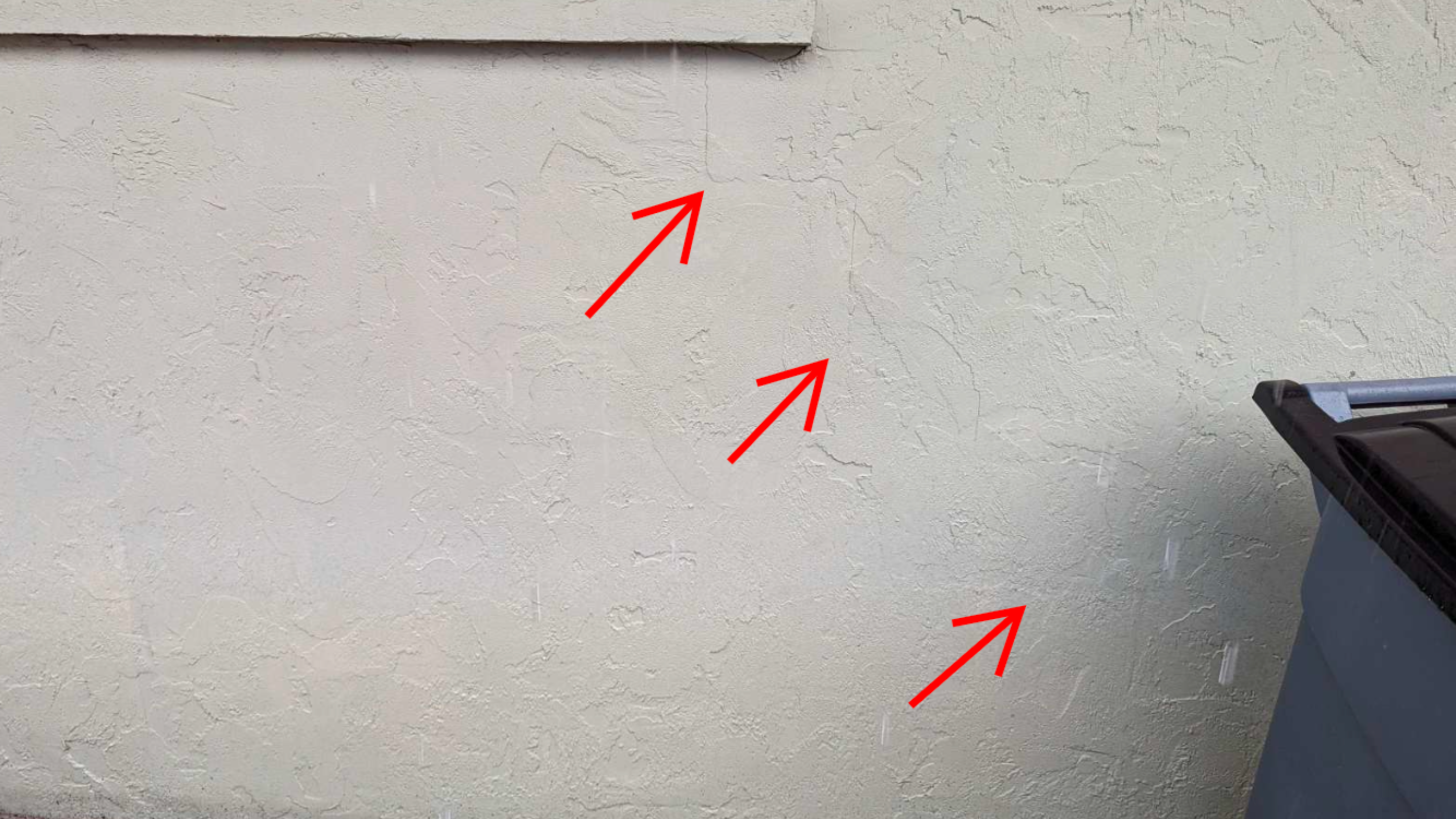
| Small stable stucco crack | May be limited to the finish material | Monitor for change |
| One sticking door | Could involve humidity, hinges, latch, or frame | Check hardware and seasonal pattern |
| Small gap around one opening | May involve trim, caulk, or material movement | Monitor nearby symptoms |
| Settled driveway or sidewalk | Exterior slab may be moving independently | Evaluate slab and supporting soils |
| Hollow patio or garage slab | May indicate voids beneath the slab | Evaluate slab support |
| Water pooling near home | Drainage may need correction first | Address water source and monitor |
| Plumbing leak near slab | Water may be affecting soil or slab support | Repair leak and evaluate remaining condition |
| Minor uniform settlement | May not indicate damaging differential movement | Monitor for progression |
| Old unchanged crack | May reflect historic rather than active movement | Document and watch for new symptoms |
No table can diagnose a particular home. The point is that many visible symptoms have more than one possible cause.
1. Small Cosmetic Cracks May Not Require Foundation Repair
Cracks are one of the most common reasons homeowners call a foundation contractor.
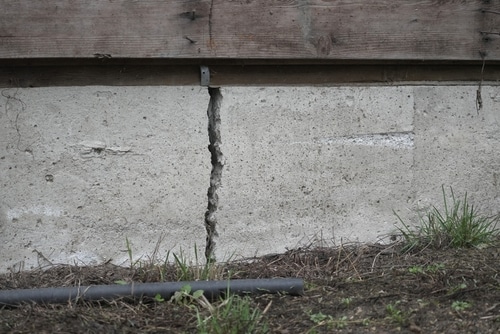
But small isolated cracks in drywall, paint, stucco, grout, or other finish materials may result from shrinkage, humidity, material movement, previous settlement, or cosmetic deterioration.
As a practical homeowner guideline, hairline cracks or gaps around 1/16 inch or less may be cosmetic when they are isolated and stable.
A crack deserves more attention when it:
- Widens
- Returns after repair
- Develops a stair-step pattern in masonry
- Appears with sticking doors, gaps, or uneven floors
- Occurs with exterior movement in the same area
The measurement matters, but the pattern and progression matter more.
Read more: How to Tell If Foundation Cracks Are Serious or Cosmetic
2. One Sticking Door Does Not Automatically Mean Foundation Settlement
A door can stick because of:
- Humidity
- Wood expansion
- Loose hinges
- Paint buildup
- Worn hardware
- Door-frame installation
- Seasonal movement
If one door occasionally sticks and there are no related cracks, gaps, floor changes, or exterior symptoms nearby, foundation repair may not be necessary.
Concern increases when several doors or windows begin sticking in the same area while other signs of movement appear.
Read more: Why Are My Doors and Windows Sticking?
3. Gaps Around Windows or Doors May Be Cosmetic
Small gaps can form because of caulk shrinkage, trim movement, installation tolerances, humidity, or normal expansion and contraction.
An isolated gap that remains stable does not automatically indicate a foundation problem.
More attention is warranted when gaps are increasing, appearing around several nearby openings, causing doors or windows to go out of square, or developing alongside cracks and floor movement.
Again, look at the overall pattern rather than one symptom.
Read more: Gaps Around Windows and Doors: Foundation Problem or Normal Settling?
4. A Cracked Driveway or Sidewalk May Be a Concrete Problem, Not a Foundation Problem
Exterior concrete often moves independently from the home.
Driveways, sidewalks, patios, and pool decks may settle because of:
- Poor compaction
- Washout
- Voids
- Loose fill
- Tree roots
- Drainage
- Erosion
A sunken driveway or uneven sidewalk does not automatically mean the structural foundation is sinking.
The slab may need concrete lifting, soil stabilization, or replacement without requiring foundation underpinning.
Exterior settlement becomes more relevant to the foundation when it occurs beside the home and aligns with structural symptoms in the same area.
Read more: Why Is My Driveway Sinking in Florida?
Read more: Uneven Sidewalks and Trip Hazards: What Homeowners Need to Know
5. A Sinking Garage Floor May Be Independent of the Foundation
Garage floor slabs can settle independently from the surrounding foundation or stem walls.
Common causes include:
- Poorly compacted fill
- Soil washout
- Voids
- Water entering near the garage opening
- Plumbing leaks
- Settlement beneath the slab
If the slab is sinking but the surrounding structural walls show no meaningful movement, the repair may involve slab support rather than foundation piers.
The key question is whether the garage slab is moving by itself or as part of a larger foundation-movement pattern.
Read more: Why Is My Garage Floor Sinking?
6. Interior Slab Settlement Does Not Always Mean the Foundation Is Moving
An interior slab can sometimes settle while the perimeter foundation remains relatively stable.
Possible causes include:
- Poorly compacted fill
- Fill settlement
- Water-related support loss
- Voids
- Plumbing leaks
Depending on the condition, the solution may involve void filling, slab support, polyurethane soil stabilization, plumbing repair, or another localized approach rather than underpinning the perimeter foundation.
A low interior floor area by itself does not prove the home needs piers.
Read more: Interior Slab Settlement: Causes, Signs, and Repair Options
7. Voids Beneath Concrete May Need Support—Not Foundation Repair
A hollow sound or void beneath concrete can be concerning, but it does not automatically mean the structural foundation is moving.
Voids commonly occur beneath:
- Driveways
- Patios
- Garage floors
- Walkways
- Interior slabs
- Pool decks
If the slab remains suitable for repair, structural polyurethane may sometimes be used to fill voids and restore support.
That is a concrete or soil-support problem, not necessarily a foundation-underpinning problem.
Read more: Voids Under Concrete Slabs: What Causes Them and How to Fix Them
8. Drainage Problems May Need to Be Corrected First
Water can contribute to:
- Soil erosion
- Washout
- Voids
- Loss of shallow support
- Slab settlement
If roof runoff, poor grading, irrigation, stormwater, or another water source is contributing to the condition, correcting that problem may be an important first step.
In some situations, drainage correction followed by monitoring may be appropriate before structural repair is considered.
The goal is to address the cause rather than automatically treating the visible symptom as proof that piers are needed.
Read more: Drainage Problems and Foundation Settlement in Florida
9. A Plumbing Leak Can Mimic or Contribute to Foundation Problems
Water leaking beneath or near a slab can affect supporting soils and contribute to voids or settlement.
If there is evidence of an active plumbing leak, repairing it should be part of the overall evaluation.
Foundation repair does not stop the leak.
Once the water source is corrected, the remaining slab, soil, or foundation condition can be evaluated to determine whether additional repair is needed.
10. Minor Settlement Does Not Always Require Structural Repair
Homes and their supporting soils can experience some movement over time.
Minor uniform settlement does not necessarily require underpinning.
Some limited, relatively uniform settlement can occur, particularly in newer construction. Noticeable or worsening movement, however, should not simply be dismissed as “normal settling.”
Greater concern generally comes from differential movement, where one portion of the structure moves differently from another.
Less concerning by itself
- Minor stable floor variation
- Small isolated cracks
- Old unchanged cracks
- Slight cosmetic separation
- Minor uniform settlement
More concerning
- Increasing elevation differences
- Several symptoms developing in one area
- Repaired cracks repeatedly reopening
- Stair-step cracking
- Increasing gaps
- Multiple sticking doors or windows
- Interior and exterior symptoms aligning
The important question is whether the movement appears meaningful, progressive, and connected to the structural foundation.
11. Old, Stable Damage May Not Mean the Foundation Is Still Moving
A crack can remain visible after the movement that created it has stopped.
Ask:
“Is this evidence of active movement or evidence that movement happened sometime in the past?”
Historical damage may still need cosmetic repair, but structural foundation repair may not be necessary when the condition has remained stable and other evidence does not indicate continuing movement.
Helpful records may include:
- Dated photographs
- Previous inspection reports
- Prior elevation measurements
- Repair records
- Information from previous owners
Time can provide useful diagnostic information.
12. Sometimes Monitoring Is the Right Recommendation
When symptoms are minor and evidence of active structural movement is unclear, monitoring may be appropriate.
That can include:
- Photographing cracks with dates
- Measuring visible gaps
- Watching door and window operation
- Monitoring floor elevations when appropriate
- Watching for new exterior settlement
- Correcting drainage or leaks
- Rechecking the property after a defined period
Monitoring is a decision—not the same as doing nothing.
The homeowner should know what to watch, when to check it, and what changes should trigger another evaluation.
Read more: Can I Wait to Fix Foundation Issues or Will It Get Worse?
Checklist: Signs You May NOT Need Foundation Repair Right Now
Foundation repair may not be necessary when most of the following are true:
- Cracks are small, isolated, and stable
- No significant stair-step cracking is present
- Doors and windows generally operate normally
- Small gaps are isolated and not increasing
- Floor variations are minor and stable
- Exterior concrete settlement appears isolated from the home
- No significant soil washout is visible near the foundation
- Multiple symptoms are not developing in the same area
- Drainage, plumbing, or another condition provides a plausible alternative explanation
- Symptoms are not progressing
- Monitoring or another repair can be clearly explained
This checklist is not a substitute for an inspection.
Foundation repair should be based on evidence of a foundation problem—not simply the presence of a symptom.
When You Should NOT Simply Ignore the Symptoms
This article is not a reason to dismiss meaningful changes.
Schedule an evaluation if you notice:
- Cracks increasing in width or length
- New stair-step cracking
- Multiple sticking doors or windows
- Increasing gaps around openings
- Noticeable changes in floor slope or elevation
- Cosmetic repairs repeatedly reopening
- Foundation or wall separation
- Significant erosion near the home
- Several symptoms developing in the same area
- Sudden or significant movement
Around 1/8 inch, a crack deserves more attention when it is changing or appears with other symptoms.
Cracks approaching 1/4 inch or more generally deserve prompt evaluation, particularly when accompanied by other signs of movement.
These are practical homeowner screening guidelines, not stand-alone structural thresholds. Crack pattern, location, progression, and surrounding symptoms matter just as much as width.
The goal is not to assume the worst.
The goal is to determine what is causing the changes.
When Another Repair May Be Needed Instead of Foundation Repair
Sometimes there is a real problem—it just requires a different solution.
| Condition | Possible Next Step |
| Settled driveway or sidewalk | Concrete lifting or replacement |
| Void beneath a slab | Void filling or slab support |
| Weak shallow soils | Soil stabilization |
| Active plumbing leak | Plumbing repair plus evaluation of affected support |
| Poor drainage | Correct drainage or water source |
| Cosmetic drywall or stucco cracking | Cosmetic repair after confirming stability |
| Tree-root-related concrete movement | Address root and concrete condition |
| Severely deteriorated slab | Concrete replacement |
| Isolated garage or interior slab settlement | Slab-specific evaluation and repair |
| Uncertain or complex structural condition | Additional engineering or investigation |
Correctly identifying the problem can prevent homeowners from paying for the wrong repair.
What If One Contractor Says I Need Piers and Another Says I Do Not?
Do not decide based only on which answer you prefer.
Ask both contractors:
- What do you believe is moving?
- What evidence supports that conclusion?
- Which areas are affected?
- Why are piers necessary—or unnecessary?
- What would change your recommendation?
- What happens if the condition is monitored first?
If the contractors are interpreting the property differently, the disagreement is about the diagnosis before it is about price.
For significant or complex disagreements, additional technical evaluation may be more useful than simply getting another sales quote.
Read more: Do I Need Multiple Quotes for Foundation Repair?
Be Cautious With Both Fear and False Reassurance
Be cautious of someone who treats every crack as an emergency.
Also be cautious of someone dismissing clear evidence of movement without adequately evaluating it.
Good advice should explain:
- What is known
- What remains uncertain
- What needs repair
- What does not
- What should be monitored
Not recommending foundation repair can be the right answer—but it should still be an evidence-based answer.
What Homeowners Should Not Do
Do not assume every crack requires piers, but do not ignore a growing pattern of symptoms either.
Avoid repeatedly patching damage without understanding the cause, choosing “no repair” simply because it is reassuring, or approving a major repair merely because doing more feels safer.
The objective is not the cheapest answer or the largest repair.
It is determining what the property actually needs.
How Helicon Approaches Homes That May Not Need Foundation Repair
Helicon has worked with Florida foundations and soils since 2004.
Our more than 22 years of experience includes foundation repair, sinkhole repair, soil stabilization, concrete lifting, void filling, compaction grouting, and deep foundation systems.
That range matters because not every problem needs piers.
A homeowner may instead have an isolated slab problem, weak shallow soils, drainage-related erosion, a plumbing issue, stable cosmetic symptoms, or a condition that should simply be monitored.
Having multiple repair capabilities does not mean recommending more work.
It means having more ways to determine what the property actually needs.
Sometimes the Recommendation Is to Monitor
We want to determine:
- What appears to be moving?
- Is the condition structural, slab-related, soil-related, water-related, or cosmetic?
- What evidence supports that conclusion?
- Does anything need to be repaired now?
- Would monitoring provide useful information?
- What is the least invasive repair that properly addresses the movement if repair is necessary?
Sometimes foundation repair is appropriate.
Sometimes another repair makes more sense.
And sometimes the best recommendation is:
“You do not need foundation repair right now.”
That is part of being a trusted advisor.
Read more: About Helicon
Schedule a Free Foundation Inspection
If you are concerned about cracks, sticking doors, gaps, uneven floors, or other possible warning signs, you do not need to assume the worst.
Helicon can evaluate the symptom pattern, floor elevations when appropriate, exterior settlement, drainage, soil conditions, and other relevant factors.
If the evidence does not support foundation repair, we should be able to explain why.
The goal is to determine what is happening and whether repair is needed. When it is, we recommend the least invasive repair that properly addresses the movement. When it isn’t, homeowners should understand that too.
Read more: Foundation Repair
FAQ
Does every foundation crack need repair?
No. Small, isolated, stable cracks may be cosmetic. Growing or recurring cracks, especially with other symptoms, deserve closer evaluation.
Can a sticking door happen without foundation problems?
Yes. Humidity, hinges, hardware, paint, and frame conditions can cause sticking. Multiple related symptoms are more meaningful.
Does a cracked driveway mean my foundation is sinking?
Not necessarily. Driveways often settle independently because of compaction, washout, voids, or soil movement beneath the slab.
Can an interior slab sink without the foundation moving?
Yes. Fill settlement, voids, water, or poor compaction can affect an interior slab while the structural foundation remains relatively stable.
When should a foundation crack be monitored instead of repaired?
Monitoring may be appropriate when a crack is small, isolated, stable, and unsupported by other evidence of active foundation movement.
Can drainage problems look like foundation problems?
Yes. Water-related soil loss can contribute to slab or foundation symptoms. Correcting the water source may be an important first step.
Do old cracks mean the house is still settling?
Not necessarily. A crack can remain after previous movement stops. Monitoring and other evidence help determine whether movement is active.
Can a foundation contractor tell me I do not need repair?
Yes. A responsible evaluation may conclude that immediate foundation repair is not supported by the findings.
Should I repair cosmetic cracks immediately?
It may be better to understand the cause first. Cosmetic repairs can reopen if movement is still occurring.
What if one contractor says I need piers and another says I do not?
Ask what evidence supports each recommendation. If the underlying assessments differ substantially, additional evaluation may help.
Does minor settling always require foundation repair?
No. Minor or uniform settlement may not require structural repair. Progressive differential movement is generally more concerning.
How do I know if I really need foundation repair?
Look at the overall pattern of cracks, floors, doors, windows, gaps, exterior settlement, drainage, soils, and whether symptoms are changing.
Is it safe to wait if I do not need foundation repair now?
Sometimes monitoring is appropriate, but you should know what changes to watch for and when the property should be reevaluated.