
Valrico, FL
The Project
The Challenge
The Solution
FREE INSPECTION REQUEST

Market: Commercial
Solution: Two-Part Structural Polyurethane Soil Injections
Services: Soil Stabilization
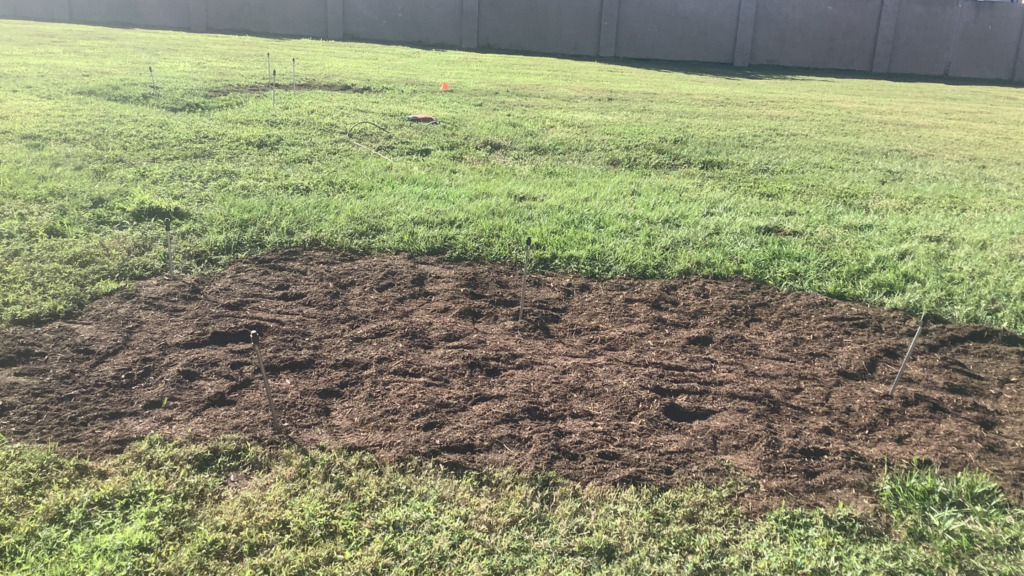
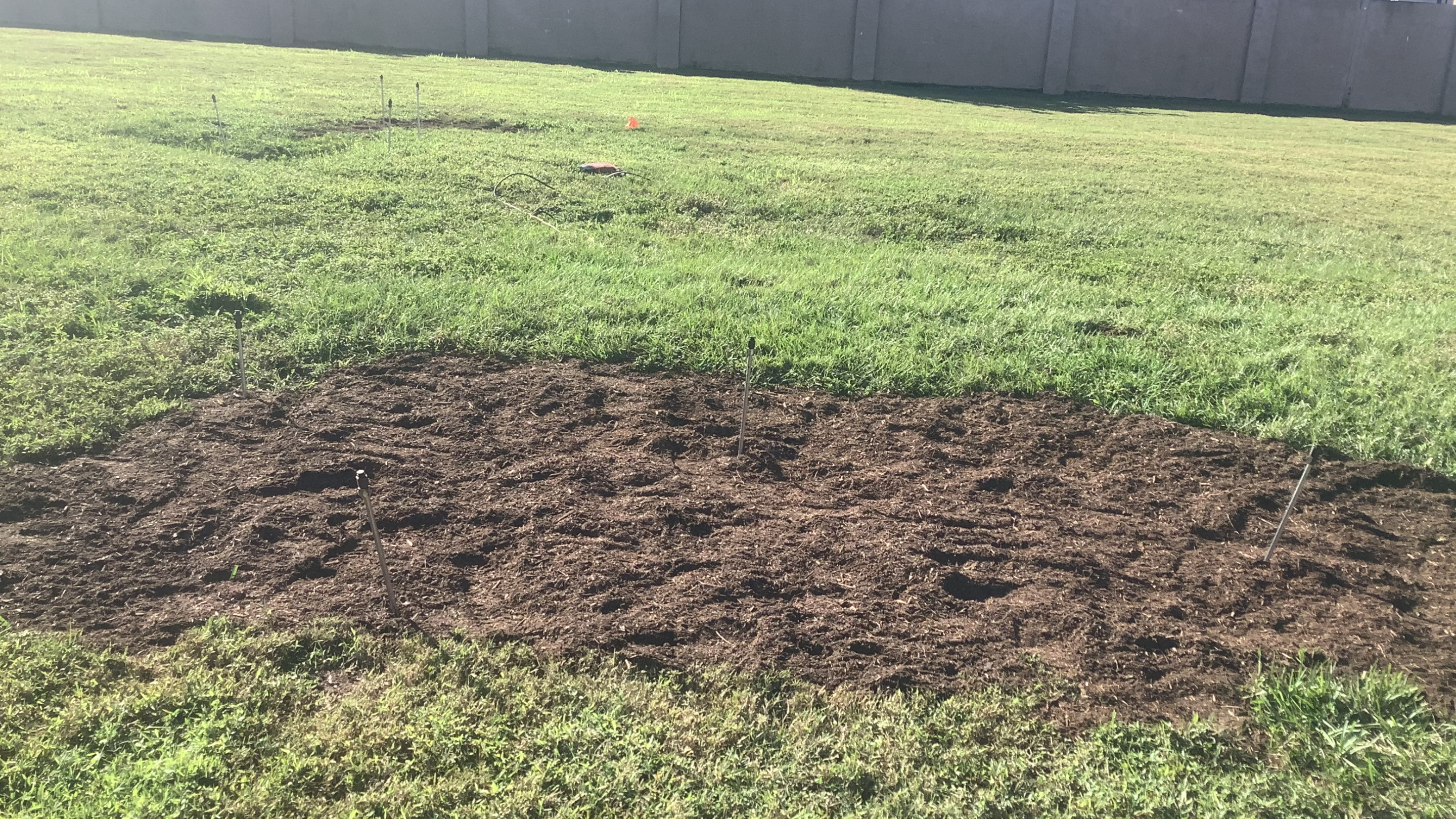
The church contacted Helicon because two depressions had developed in one of its fields.
The larger area was described as an open hole measuring approximately 4 feet by 3 feet. A second depression was located roughly 10 feet away and was approximately 1 foot deep.
The source notes do not identify the exact cause of the depressions, so this case study does not assign one.
Ground depressions can develop for many different reasons, including:
What was clear at this church property was that the two areas had lost enough support or volume to create noticeable surface depressions.
The church wanted those areas filled and stabilized.
A depression in an open field may seem less serious than settlement beneath a building, but it can still create practical problems.
Church properties often include large open areas used for:
An unexpected depression can create a trip hazard or make routine mowing and maintenance more difficult. If the area continues to settle, the depression may also become larger over time.
For a property owner, the important question is not only how to fill the visible hole but also how to improve the stability of the repaired area afterward.
Simply adding loose soil may restore the surface temporarily, but newly placed fill may settle if it is not sufficiently compacted or supported. That is why Helicon’s role began after the church placed the necessary fill.
The primary challenge was sequencing the repair correctly.
Helicon could not simply inject polyurethane into the existing open depressions and expect the material to replace all of the missing soil volume.
The church first needed to bring in fill soil and restore the depressions closer to the surrounding grade.
Once that step was complete, Helicon could perform the injections and improve the density of the treatment zones.
This created a two-step repair process:
That sequence was important.
Polyurethane stabilization works best when used to improve soil conditions and fill accessible voids within a treatment zone—not as a replacement for large quantities of conventional fill.
The church therefore had an important responsibility before Helicon mobilized: make sure both depressions were filled appropriately.
Only then could the structural polyurethane injections provide meaningful support.
Adding fill soil is often the first response when a depression appears.
That makes sense. If material is missing, the low area needs to be restored. But surface fill alone may not address the condition below the repaired area.
If the newly placed soil is not adequately supported, it can settle again. That is where soil stabilization becomes valuable.
By introducing structural polyurethane into the designated treatment zones, Helicon could improve the support characteristics of the newly filled and surrounding soils.
The goal was not merely to make the surface look level. The objective was to improve the stability beneath the surface so the repair had a stronger foundation.
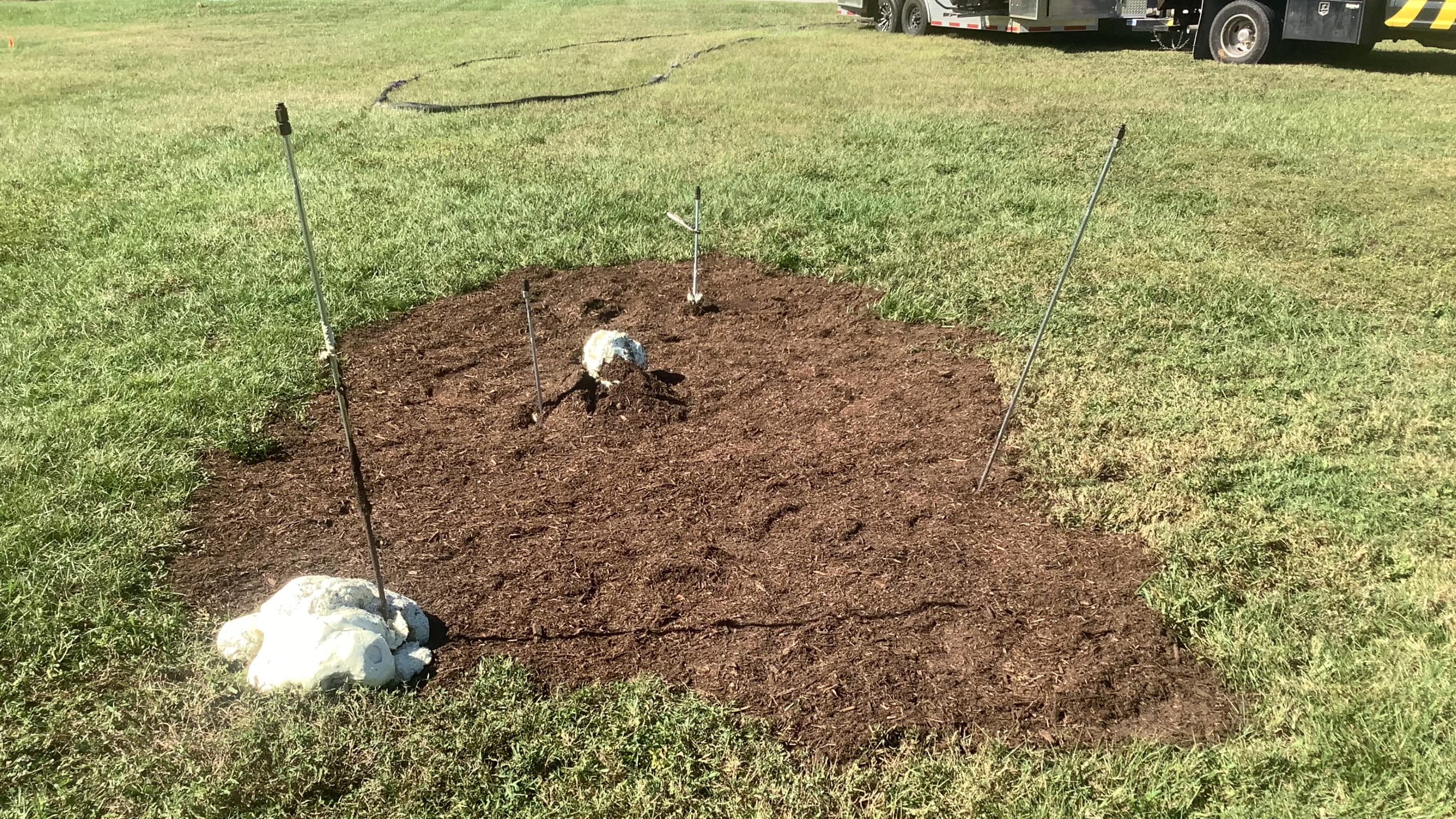
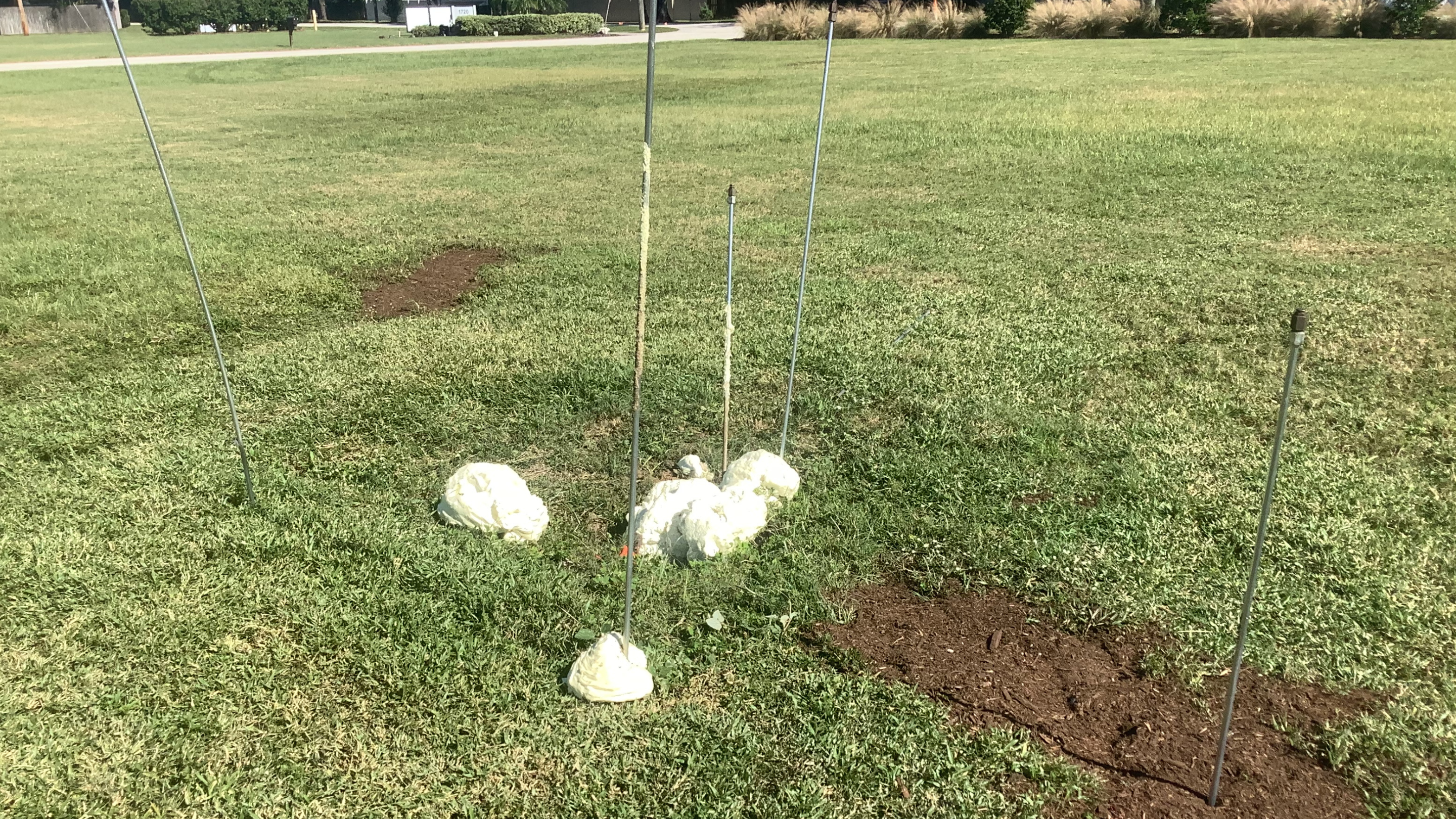
Helicon used two-part structural polyurethane foam for both treatment areas.
The repair was divided into two separate injection zones.
The first area received:
The second area also received:
The second area required more material even though both areas had the same number of injection points.
The source notes do not specify exactly why the material quantities differed, so this case study does not invent an explanation.
Different treatment areas can respond differently based on subsurface conditions, void space, soil density, or the amount of material accepted at each location.
The documented result is that the two areas required different material quantities to complete the stabilization program.
Helicon completed 10 total injection points across the two depressions.
Using multiple injection locations allowed the polyurethane to be distributed throughout the designated repair areas rather than relying on one concentrated point.
A multi-point injection approach can help:
For this Valrico project, each depression received five treatment points. That provided a structured stabilization pattern for both repaired areas.
Two-part structural polyurethane is injected below grade in a liquid state.
When the two components react, the material expands.
Within an appropriate treatment zone, that expansion can help:
For this church property, the polyurethane was used after fill soil had been added. That meant the repair combined two complementary approaches:
Replaced the missing soil volume and restored the surface elevation.
Improved the stability of the repaired treatment zones.
This combination made more sense than relying on either method alone.
One of the strengths of this project was its focus. The entire field did not require treatment. Only two localized depressions had been identified.
Helicon therefore concentrated the repair specifically where it was needed. That helped minimize unnecessary disturbance to the rest of the church property.
A targeted stabilization strategy can offer several advantages:
For a commercial property like a church, limiting unnecessary disruption can be especially valuable.
This project also demonstrates that soil stabilization is not limited to homes with foundation settlement or roadways with sinking pavement.
Commercial properties can develop localized ground problems in:
When those conditions are identified early, targeted stabilization can help prevent a manageable problem from becoming more disruptive.
The church acted before the depressions had the opportunity to grow larger or interfere more substantially with the property.
That proactive decision helped keep the repair relatively focused.
The primary benefits included:
No soil stabilization contractor can responsibly guarantee that outdoor soils will never move again.
Rainfall, drainage, vegetation, underground conditions, and other environmental factors can change over time.
However, the polyurethane treatment materially improved the stability of the designated areas compared with leaving the new fill untreated.
Ground depressions can occur even where there is no structure or concrete directly above them.
Property managers should take notice when they see:
These conditions do not always require a large excavation or reconstruction project.
In some cases, a professional evaluation may determine that conventional fill combined with targeted soil stabilization is an appropriate approach.
The key is understanding that filling the visible depression and stabilizing the underlying treatment area are two different parts of the repair.
Helicon helps Florida homeowners, commercial property owners, contractors, property managers, and organizations address weak soils, foundation settlement, sinking concrete, seawall erosion, and related structural concerns.
Our team develops repair solutions based on the property, observed conditions, project requirements, and structural objectives—with a focus on addressing problems where they often begin: beneath the surface.
If your church, business, commercial property, or residential property has ground depressions, voids, weak soils, or recurring settlement, simply adding more fill may not fully address the underlying support condition.
Helicon provides soil stabilization, structural polyurethane injections, foundation repair, concrete lifting, seawall repair, and related structural solutions throughout Valrico, Hillsborough County, Tampa Bay, and communities across Florida.
Call 844-HELICON to schedule an inspection and learn which stabilization solution may be appropriate for your property.
FREE INSPECTION REQUEST