

Foundation Problems in Florida: The Complete Homeowner Guide
| Question | Answer |
|---|---|
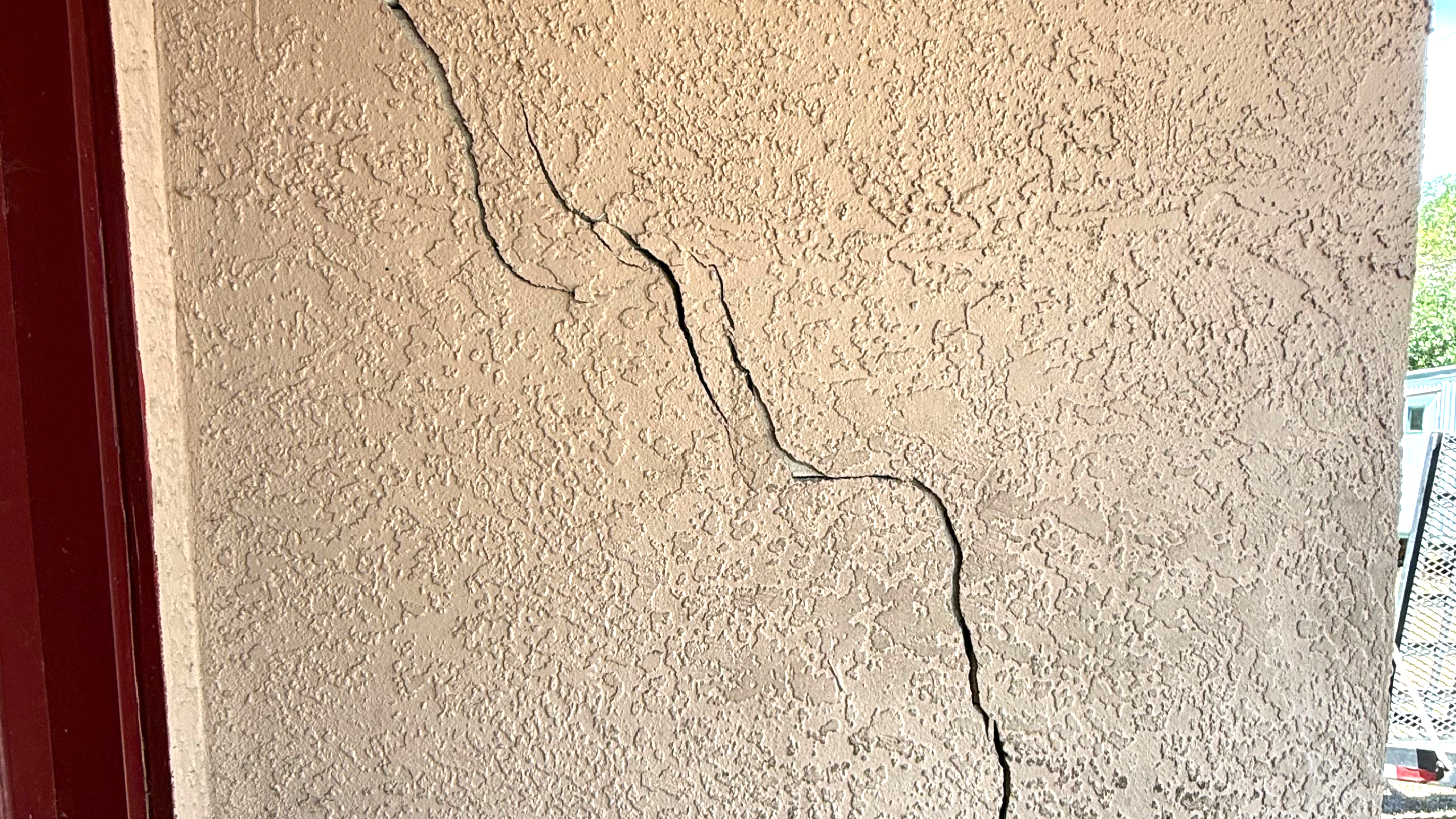
| Are foundation cracks normal in Florida homes? | Some minor cracking can be normal in Florida homes, especially small hairline cracks in stucco, drywall, or concrete. But widening cracks, stair-step cracks in block walls, cracks that return after repair, or cracks paired with sticking doors, uneven floors, or sinking concrete may indicate movement beneath the structure. |
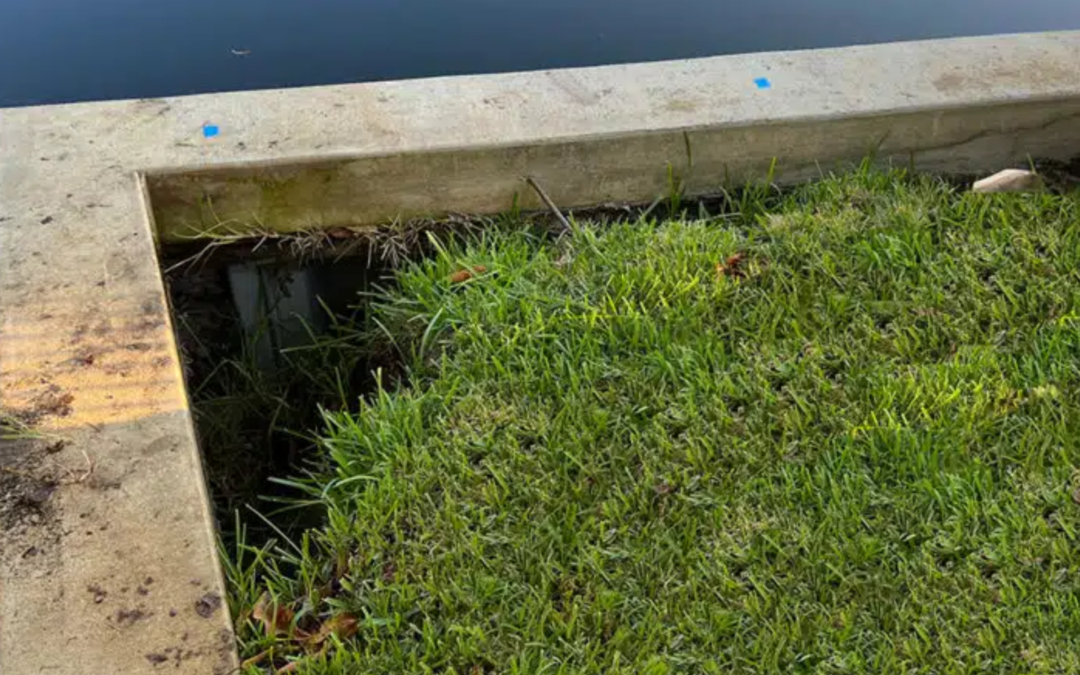
| What are the most common signs of foundation problems in Florida? | Common warning signs include stair-step cracks, doors and windows sticking, uneven or sloping floors, gaps between the floor slab and baseboards, cracked stucco, cracked tile, sinking driveways, uneven sidewalks, pool deck settlement, and soil erosion near the home or seawall. |
| What causes foundation problems in Florida? | Many Florida foundation problems are caused by weak sandy soils, poor compaction, heavy rainfall, soil washout, drought conditions, drainage problems, high groundwater, coastal erosion, and in some areas, clay soils that shrink and swell with moisture changes. |
| Are clay soils a problem in Florida? | Yes. Florida is often known for sandy soils, but some areas have clay soils that can contribute to foundation movement. Clay soils can shrink during dry periods and swell when wet. Areas such as Safety Harbor and Dunedin are examples where clay soils may contribute to foundation problems. |
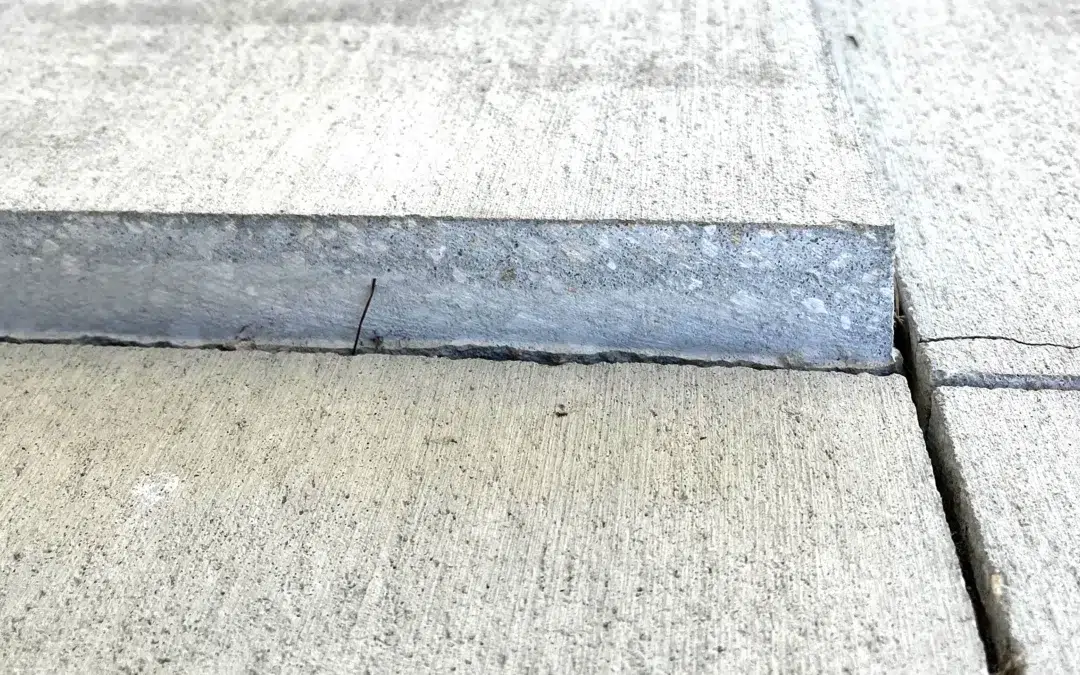
| Can sinking concrete be related to foundation problems? | Yes. Sinking driveways, sidewalks, pool decks, patios, garage slabs, and walkways can be caused by the same soil issues that affect home foundations. Poor compaction, erosion, washout, weak sandy soils, and drainage problems can all cause concrete settlement around the property. |
| When is polyurethane injection used for foundation repair? | Polyurethane injection may be used when weak upper soils, voids, poor compaction, or early-stage settlement are contributing to the problem. It can help fill voids, stabilize soil, improve load-bearing capacity, and lift settled concrete. It is often a strong option when problems are caught before major structural movement occurs. |
| When are piers needed for foundation repair? | Piers are often needed when the foundation has experienced significant settlement, when structural lifting is required, or when the load of the home needs to be transferred below weak upper soils to deeper bearing material. Helical piers, push piers, and drilled piers may each be used depending on the structure, soil, access, and repair goal. |
| What is the difference between helical piers and push piers? | Helical piers are rotated into the ground using hydraulic torque equipment and do not rely on the weight of the structure for installation. Push piers are hydraulically driven using the weight of the existing structure as resistance. Helical piers are often useful for new construction, lighter structures, pool foundations, and uplift resistance. Push piers are often used for existing homes with significant settlement. |
| Can polyurethane injection fix a seawall losing soil? | Yes, in many cases. If the seawall is still structurally sound, but soil is escaping through panel joints, cracks, failed filter fabric, or openings near the toe of the wall, polyurethane injection can help seal erosion pathways and stabilize the soil behind the wall. Pressure relief may also be needed to reduce hydrostatic pressure. |
| How much does foundation repair cost in Florida? | Foundation repair costs vary depending on the repair method, severity of the problem, soil conditions, accessibility, engineering requirements, and the size of the affected area. Typical foundation repair projects in Florida can range from a few thousand dollars for localized repairs to around $25,000 for larger structural stabilization projects. The pricing examples provided in this guide are intended only as typical Florida market examples and should not be considered Helicon pricing or an estimate for your property. Because every home is different, the best way to determine the right repair and receive an accurate quote is to schedule a free inspection with Helicon. |
| Is foundation repair covered by insurance? | Insurance coverage depends on the cause of the damage and the specific policy. Some foundation problems may not be covered if they are caused by settlement, poor compaction, erosion, or normal soil movement. Homeowners should review their policy and speak with their insurance provider for specific guidance. |
| How long does foundation repair take? | The timeline depends on the repair method and project scope. Some concrete lifting projects can be completed in a day. Larger foundation stabilization, underpinning, or seawall soil stabilization projects may take longer depending on access, number of piers, injection scope, engineering requirements, and site conditions. |
| Can foundation problems get worse over time? | Yes. If the underlying soil movement, erosion, drainage issue, or structural settlement continues, the visible damage can become worse. Early inspection can help homeowners understand whether the issue is stable, cosmetic, or actively progressing. |
| Should I wait to see if cracks get worse before calling someone? | It is better to get an expert opinion early. Not every crack requires repair, but waiting can limit your options if the underlying problem continues. Early soil stabilization or concrete lifting may be less invasive and less expensive than waiting until the foundation has settled significantly. |
| Does Helicon offer free foundation inspections? | Yes. Helicon offers free inspections to help homeowners understand whether they are dealing with cosmetic cracking, soil settlement, foundation movement, concrete settlement, seawall soil loss, or another issue affecting the property. |
Table of Contents
Jay Silver is the Founder and President of Helicon, a family-owned and operated Florida geotechnical construction company specializing in foundation repair, underpinning, soil stabilization, concrete lifting, sinkhole repair, seawall repair, deep foundations, and ground improvement solutions.
A lifelong Tampa Bay resident, Jay started Helicon in 2004 while attending the University of South Florida. What began as a small home office business has grown into Florida’s most trusted foundation repair company, serving homeowners, realtors, engineers, general contractors, property managers, municipalities, commercial property owners, and builders across the state.
Over the past two decades, Jay has led Helicon through multiple stages of growth. The company first became known as one of Florida’s leading sinkhole repair contractors, then expanded into broader residential foundation repair, concrete lifting, seawall repair, polyurethane soil stabilization, and commercial geotechnical construction. Today, Helicon operates residential service centers in Tampa, Orlando, and Fort Myers, while serving the entire state of Florida for commercial projects.
Jay’s current five-year vision is to help Helicon grow 5x by expanding its residential operation center model into additional Florida markets, strengthening its statewide commercial capabilities, and continuing to build a company known for trust, technical expertise, customer care, and doing the right thing.
As a leader, Jay is passionate about developing people, creating career opportunities, and building a company culture rooted in accountability, service, innovation, and continuous improvement. He believes Helicon’s greatest advantage is its people, and he is committed to helping team members grow personally and professionally while delivering an exceptional experience for customers and referral partners.
Jay also works to educate the market through professional presentations, lunch-and-learns, podcast conversations, and industry discussions focused on foundation repair, underpinning, seawall repair, polyurethane soil stabilization, ground improvement, and geotechnical construction solutions. His goal is to help homeowners, real estate professionals, engineers, contractors, and property owners better understand their options and make confident, informed decisions.
Jay’s commitment to building stronger communities extends beyond Helicon. From 2015 to 2021, he served as Board Chair for Friends of the Children of Tampa Bay, supporting a long-term mentorship model for children facing significant obstacles.
Through Helicon and his community involvement, Jay remains focused on building something that lasts: stronger structures, stronger teams, stronger customer relationships, and stronger communities.
Jay is always open to connecting with homeowners, real estate professionals, engineers, contractors, business leaders, and community partners who care about building better companies and stronger communities.