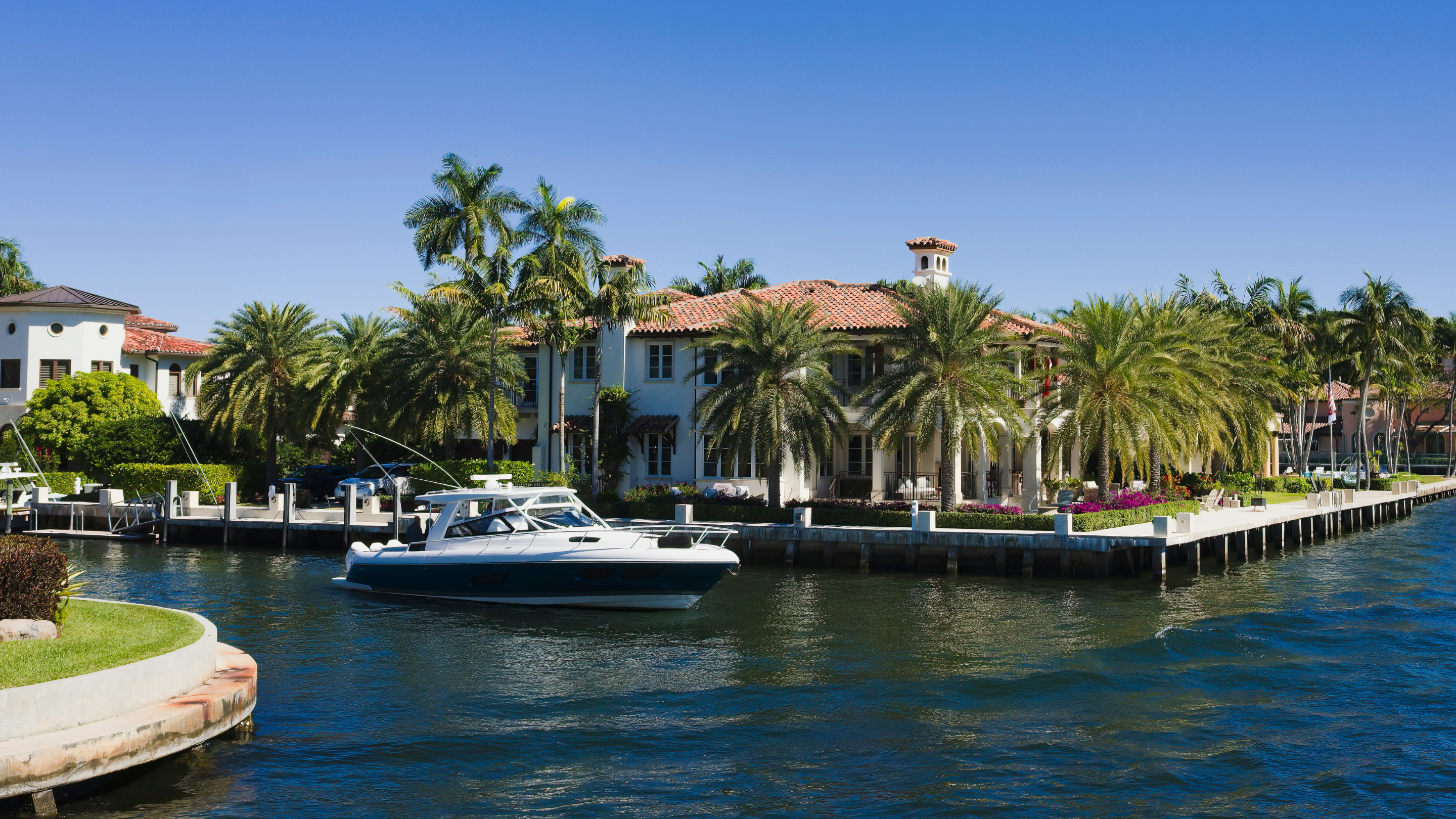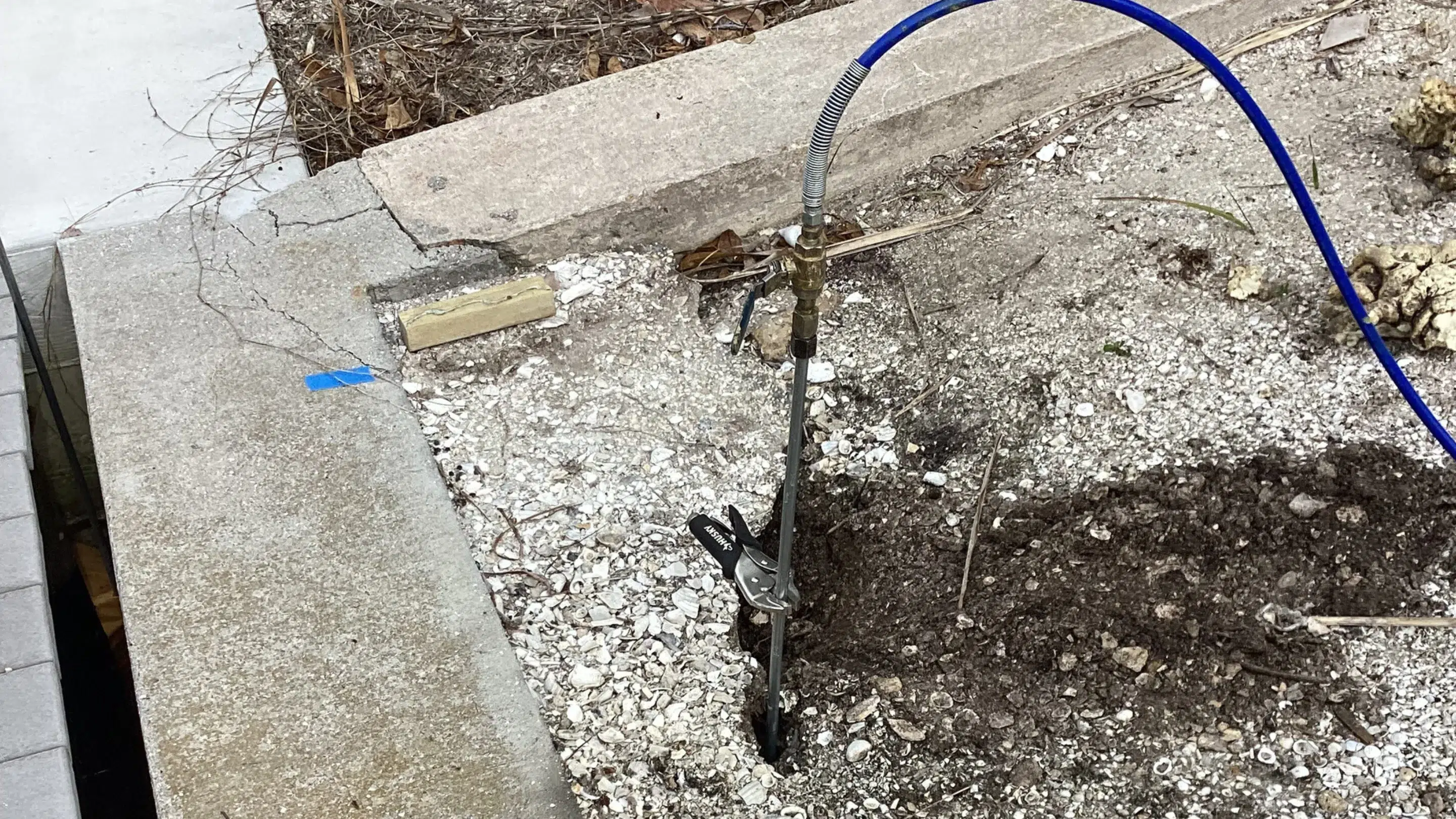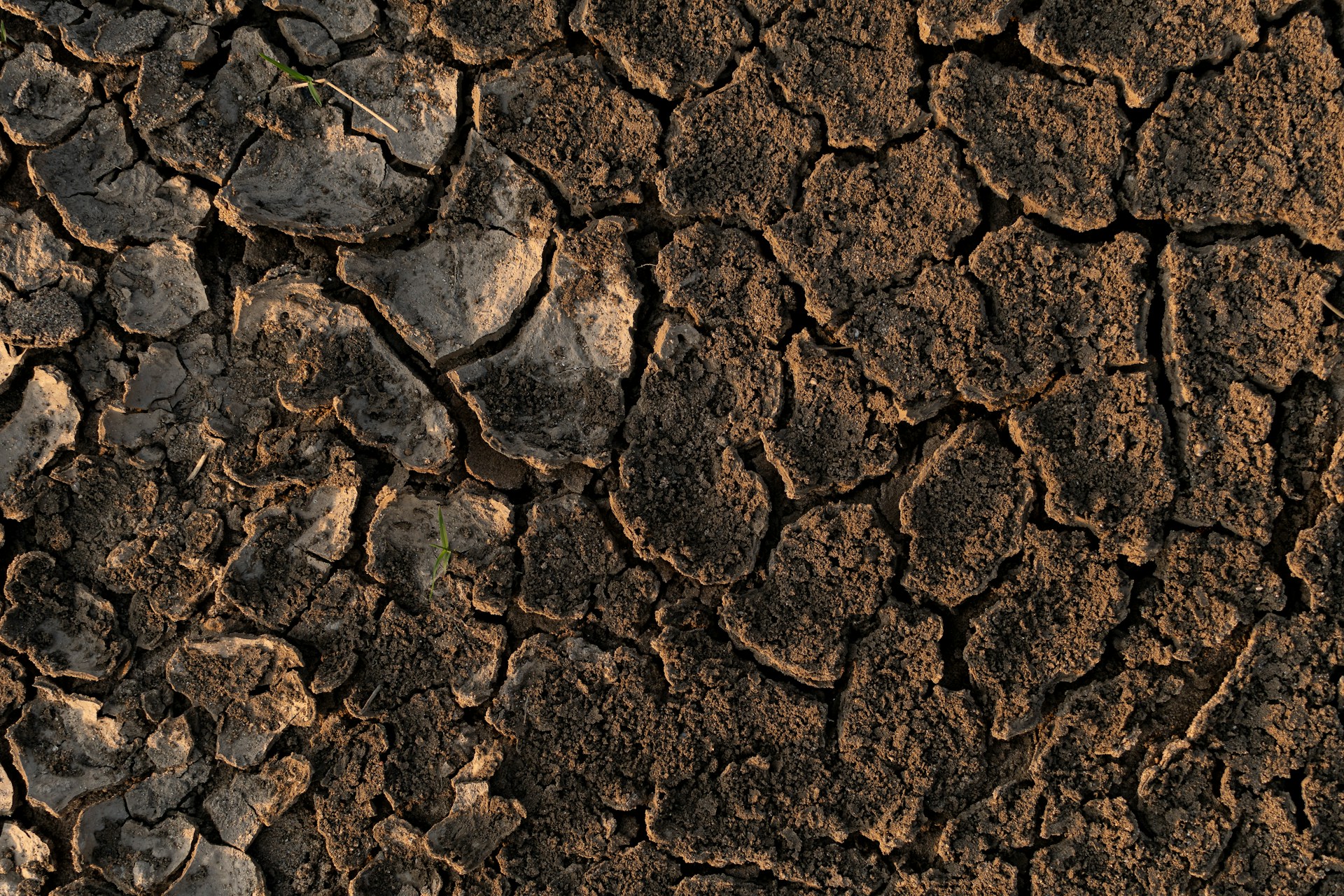
Direct Answer
Seawall soil erosion can develop when backfill soil escapes through panel joints, cracks, gaps, wall ends, or other openings.
As soil is lost, homeowners may begin to notice:
- Depressions or holes behind the seawall
- Settling pavers
- Sinking pool decks
- Voids beneath waterfront improvements
- Soil or sand washing through seawall joints
- Soft or unsupported areas near the wall
- Repeatedly disappearing fill
These symptoms do not automatically mean the seawall structure itself has failed.
In many cases, the wall may remain structurally serviceable while the soil behind it is being lost.
This guide uses real Helicon projects from Florida waterfront properties to show:
- What seawall soil erosion looked like before repair
- Where the soil was escaping
- What Helicon found behind the wall
- Whether the seawall appeared structurally appropriate for soil stabilization
- How polyurethane was used to stabilize the backfill and seal soil-loss pathways
- When filtered pressure relief was added
- What the repaired area looked like afterward
A seawall problem can involve the wall, the soil behind the wall, the drainage system—or some combination of the three.
Read more: Seawall Failure & Soil Erosion: A Homeowner’s Guide
What Seawall Soil Erosion Looks Like
Soil erosion behind a seawall does not always begin with dramatic damage.
It may start with:
- A small depression
- One settling paver
- Sand appearing through a panel joint
- A recurring hole behind the wall
- A pool deck beginning to drop toward the waterfront
The visible symptom may be small while the unsupported area beneath the surface is larger.
That is why the first question should not simply be:
“How do we fill the hole?”
It should be:
“Where did the soil go, and what allowed it to escape?”
Read more: Seawall Problems in Southwest Florida Homes
The Wall, Soil, and Pressure Relief Are Different Parts of the Problem
Before reviewing the examples, it helps to separate three parts of a seawall system.
| Part of the System | What It Does | What Can Go Wrong |
| Seawall structure | Retains soil and resists land- and water-side forces | Cracking, leaning, bowing, broken or displaced panels |
| Backfill soil | Supports the yard, pavers, pool deck, patio, and nearby improvements | Erosion, voids, loose soil, settlement |
| Drainage / pressure relief | Allows water to escape without carrying soil with it | Uncontrolled leakage, inadequate or blocked relief |
Helicon’s seawall service focuses primarily on:
- Soil stabilization behind the wall
- Filling voids
- Sealing soil-loss pathways
- Improving appropriate pressure relief
Helicon does not structurally rebuild or replace seawalls.
If the wall itself is significantly leaning, bowing, broken, displaced, or otherwise structurally compromised, a marine contractor and/or engineer may need to address that condition.
The fact that the soil can be stabilized does not mean the seawall structure itself is sound.
Project 1: Soil Washing Through Seawall Panel Joints
Project location: St. Petersburg, FL
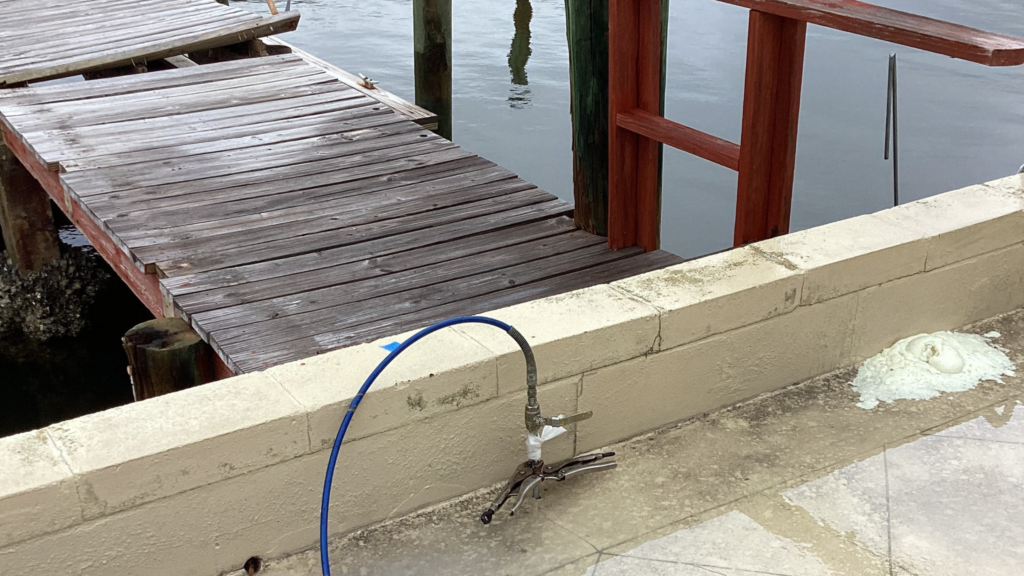
What the Homeowner Saw
The homeowner noticed the back patio had started to settle. The settlement was caused by erosion from the storm, which had altered support conditions behind the patio area. At the same time, a much more serious contextual issue had developed nearby. The neighbor’s seawall had collapsed, and that failure had impacted this homeowner’s property as well.
Where the Soil Was Escaping
Storm-related erosion and the collapse of a neighboring seawall compromised the soil behind the homeowner’s seawall. As water movement washed away supporting soils, voids developed beneath the back patio and within the surrounding waterfront area. This loss of soil weakened the support beneath the concrete, contributing to the patio’s settlement and creating additional stability concerns along the seawall.
What Helicon Found
At a waterfront home in St. Petersburg, Florida, Helicon discovered a settling back patio caused by storm-related soil erosion. A neighboring seawall had also collapsed, affecting the homeowner’s property and compromising the soil supporting the patio and surrounding waterfront area. What initially appeared to be a simple patio repair was part of a larger soil stabilization and seawall concern.
What Was Actually Failing?
The primary issue was the loss of stable soil support beneath the patio and behind the seawall. Storm-driven erosion had weakened the surrounding soils and contributed to void formation beneath the concrete. As the soil lost its ability to provide consistent support, the patio began to settle. The neighboring seawall collapse further complicated the situation by affecting the stability of the waterfront support area.
Why Soil Stabilization Made Sense
Simply lifting or leveling the patio would not have addressed the underlying soil erosion. Helicon recommended a targeted soil stabilization approach to restore support beneath the concrete while reinforcing the weakened soils behind the seawall.
Structural polyurethane and permeation grout injections allowed Helicon to treat these areas without extensive excavation or removing the existing patio. This approach addressed both the visible settlement and the underlying support problems, providing a more comprehensive solution than cosmetic repairs alone.
What Helicon Did
Helicon used two different polyurethane injection methods to stabilize the affected areas. First, the crew injected approximately 116 pounds of two-part structural polyurethane beneath the patio to fill unsupported areas, restore support, and attempt to lift the settled center section where possible.
Next, approximately 41 gallons of one-part permeation grout were injected into the soil behind the seawall to reinforce loose soils and reduce erosion-related voiding.
Finally, Helicon installed five JET Filters along the seawall to help relieve hydrostatic pressure and reduce additional stress on the waterfront structure.
Together, these repairs improved soil stability, reinforced the patio’s support, and addressed the seawall-related conditions affecting the property.
The Result
Once the work was completed, the property had a significantly improved support condition in the treated areas.
- The settled patio received structural stabilization
- The center of the patio was addressed with attempted lift where feasible
- The seawall-adjacent soils were reinforced with polyurethane stabilization
- Hydrostatic pressure relief was improved with 5 JET filters
- The property’s immediate waterfront risk profile was better than before
- The owner could move forward with the sale process on a property that had received actual stabilization—not just cosmetic patching
This result matters because it improved the structural condition in the areas Helicon treated while also documenting a professional response to a site affected by storm-related erosion and adjacent seawall failure.
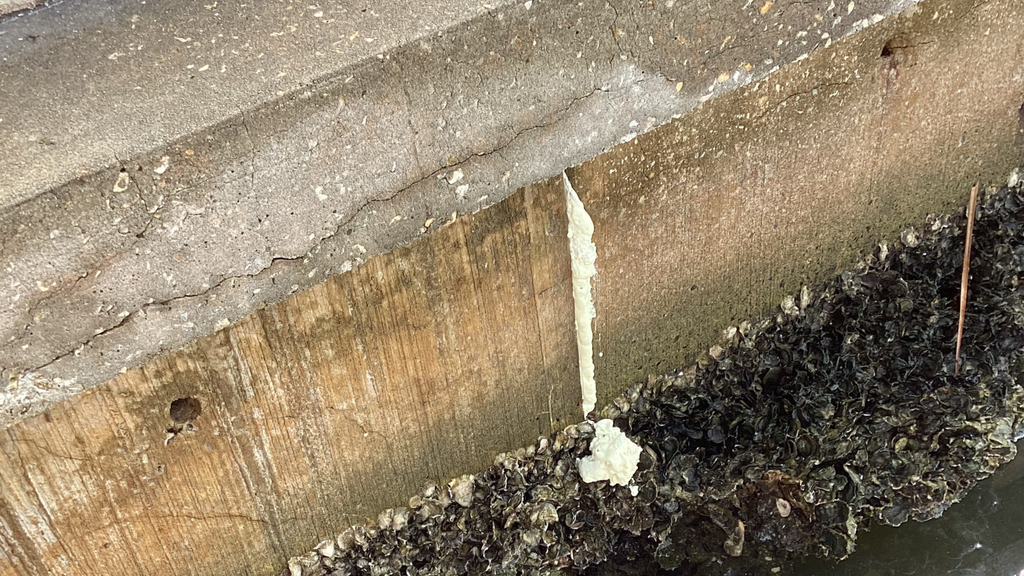
Homeowner Takeaway
A small opening between seawall panels can allow a much larger volume of supporting soil to disappear behind the wall.
Project 2: Large Void or Depression Behind the Seawall
Project location: Merritt Island, Florida
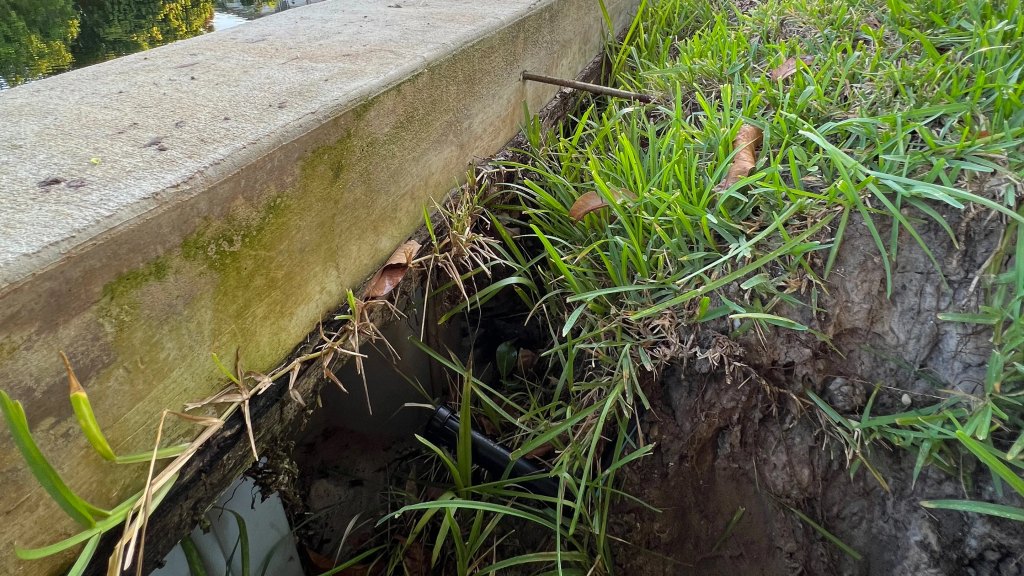
What the Homeowner Saw
The homeowner noticed cracks forming along the seawall cap, along with soft spots and depressions developing in the yard. Water was also seeping behind the seawall, raising concerns about soil erosion and the stability of the surrounding property. These visible warning signs indicated that a larger problem was developing beneath the surface.
What Helicon Found
Upon inspection, Helicon identified significant soil erosion and large underground voids behind the seawall panels. Cracks along the concrete cap were allowing water to enter behind the wall, gradually washing away the supporting soil. The combination of ongoing water intrusion, soil loss, and hydrostatic pressure was weakening the area and increasing the risk of further seawall deterioration.
Why Simply Adding Dirt Wasn’t Enough
Adding more dirt behind the seawall would have only temporarily filled the empty spaces without addressing what caused them. Water would have continued entering through the existing cracks, potentially washing away the replacement soil and creating new voids.
A lasting repair required filling the underground voids, stabilizing the remaining soil, sealing the water entry points, and providing a way for trapped water pressure to escape. This would help prevent the same erosion problems from continuing.
What Helicon Did
Helicon completed a comprehensive seawall repair and soil stabilization project over approximately one week. Using 19 targeted injection points, the crew installed approximately 115 gallons of one-part polyurethane grout behind the seawall to fill large voids, bind loose soils, and reduce water movement through the affected areas.
The team also sealed cracks and joints along the seawall cap to prevent additional water intrusion. Finally, Helicon installed 11 JET Filters along the seawall to relieve hydrostatic pressure while retaining the soil behind the structure.
Together, these repairs restored support behind the seawall, addressed active erosion pathways, and helped protect the homeowner’s waterfront property from further soil loss.
The Result
- Leak paths sealed. The combination of cap crack sealing and moisture‑reactive grout shut down active seepage behind the wall.
- Void closure & soil re‑support. Approximately 115 gallons of grout re‑coupled the backfill, restoring confinement and bearing near the wall panels and cap.
- Hydrostatic balance restored. 11 JET Filters now provide controlled drainage, preventing pressure spikes that can re‑open cracks or displace soils.
- Yard usability & asset protection. With soils stabilized, the owner regained safe, level ground near the wall and reduced risk to docks, patios, and landscaping.
- Cost‑effective preservation. Compared with partial wall replacement, this non‑demolition approach extended the wall’s service life at significantly lower cost and disruption.
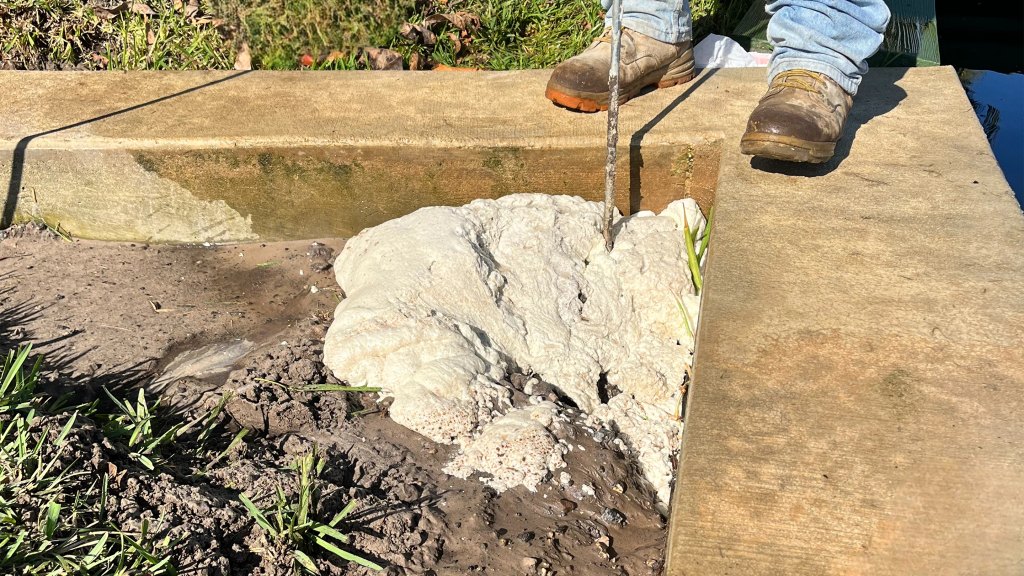
Homeowner Takeaway
The depression is the visible symptom. The real repair starts with identifying and stopping the soil-loss pathway beneath it.
Project 3: Settling Pavers Behind a Seawall
Project location: Tampa, FL
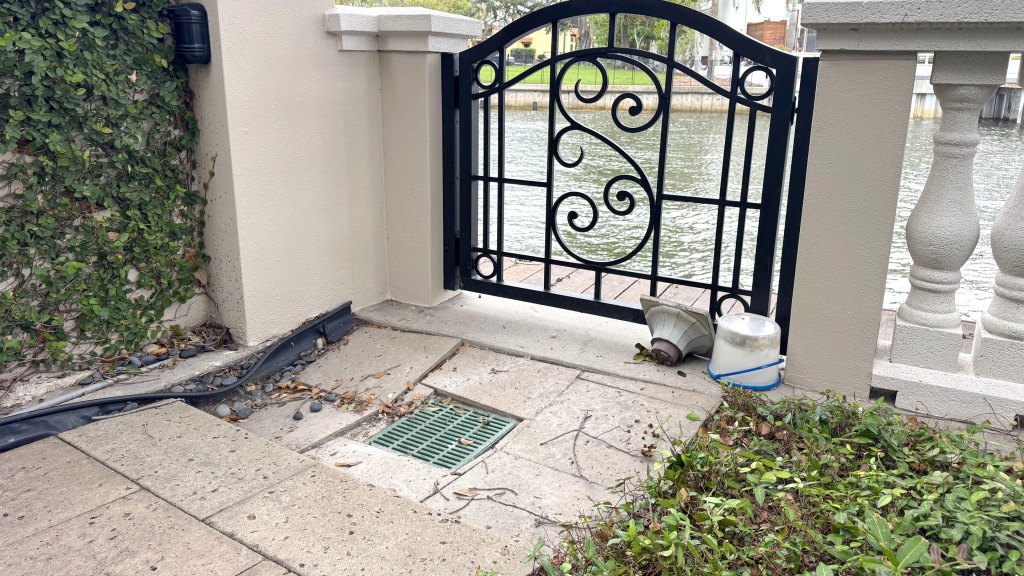
What the Homeowner Saw
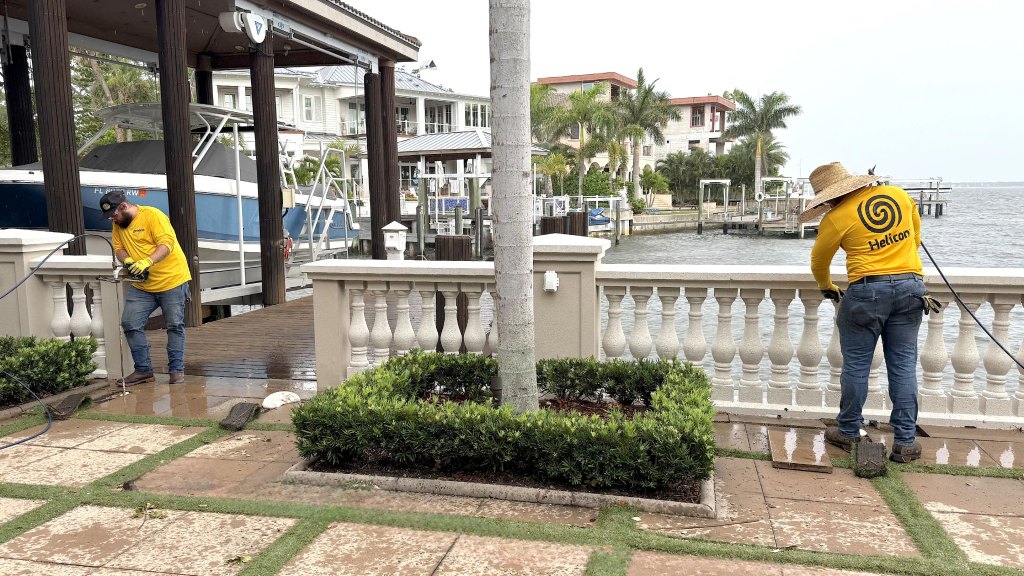
When two powerful hurricanes struck Florida last year, the storm surge put Davis Islands’ waterfront homes to the test. For one homeowner on Bahama Cir in Tampa Bay, the aftermath revealed a hidden but dangerous problem: soil loss and instability along her 20-year-old seawall.
Although the seawall’s structure remained intact, erosion had carved away the soil beneath and around it, weakening its ability to protect her property. Without immediate action, the next major storm could have caused costly structural damage—potentially forcing a full seawall replacement.
Recognizing the urgency, the homeowner called Helicon, Florida’s trusted experts in soil stabilization and foundation repair. Our inspection confirmed the wall was sound but the surrounding soil had to be stabilized before hurricane season.
What Helicon Found
At a waterfront home on Davis Islands in Tampa, Florida, Helicon discovered significant soil erosion surrounding a 20-year-old seawall following two powerful hurricanes. Storm surge had washed away supporting soil, creating large underground voids that compromised the stability of the surrounding waterfront area. Although the seawall remained intact, the loss of soil support left the property vulnerable to additional erosion and potential structural damage during future storms.
Was the Seawall Structurally Sound Enough for Soil Stabilization?
Yes. Helicon’s inspection confirmed that the seawall itself was still structurally sound despite the significant soil loss surrounding it. The primary concern was not a failing wall, but the weakened and eroded soil beneath and behind it.
Because the seawall remained intact, Helicon determined that targeted soil stabilization could restore support without requiring a complete seawall replacement. This approach allowed the homeowner to address the underlying erosion problems while avoiding a more invasive and costly reconstruction project.
What Helicon Did
Helicon completed a targeted seawall stabilization project using both one-part and two-part polyurethane injections. First, the crew injected approximately 36 gallons of one-part polyurethane grout directly behind the seawall to fill underground voids, reduce water intrusion, and reinforce the weakened soil.
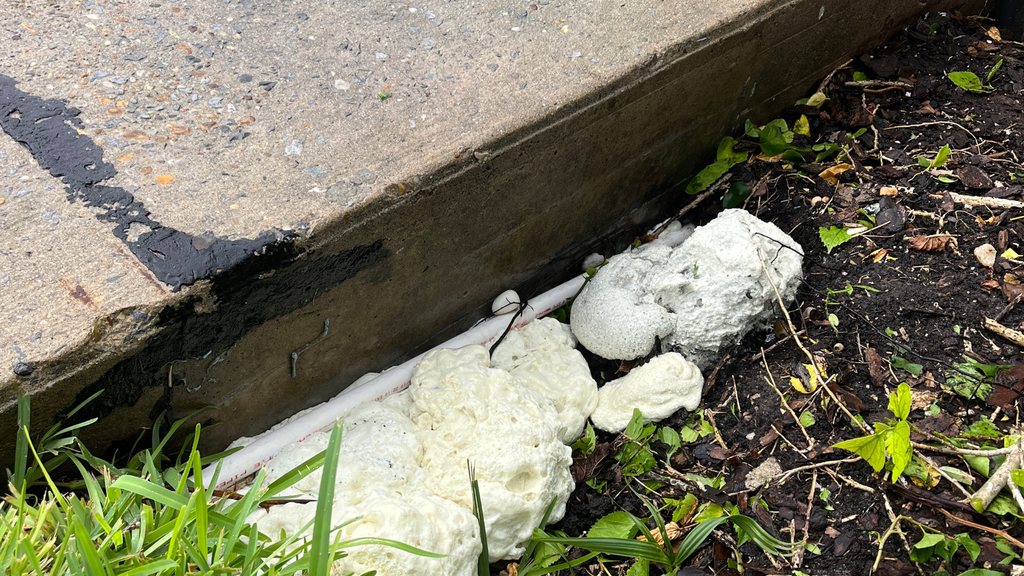
Next, approximately 10 pounds of two-part structural polyurethane were injected beneath the ground to densify and strengthen areas where erosion had caused significant soil loss.
Due to limited backyard access, Helicon ran specialized injection hoses from the front driveway to the seawall, allowing the repairs to be completed without extensive excavation.
Finally, a trusted partner installed JET Filters in the seawall’s weep holes to relieve hydrostatic pressure while helping prevent additional soil loss.
Together, these repairs restored support around the seawall, improved soil stability, and helped protect the homeowner’s waterfront property against future erosion.
The Result
- Soil stability permanently restored around the seawall.
- Drainage system installed to protect against future storm surge damage.
- Homeowner peace of mind before the next hurricane season.
This Davis Islands project is a textbook example of how Helicon’s specialized soil stabilization solutions protect Florida’s coastal properties. By acting early, the homeowner avoided a full seawall replacement—saving time, money, and property value.
Homeowner Takeaway
Settling pavers may be the first visible sign that the soil supporting them is disappearing behind or through the seawall.
Project 4: Pool Deck Settlement Related to Seawall Soil Loss
Project location: St. Petersburg, FL
What the Homeowner Saw
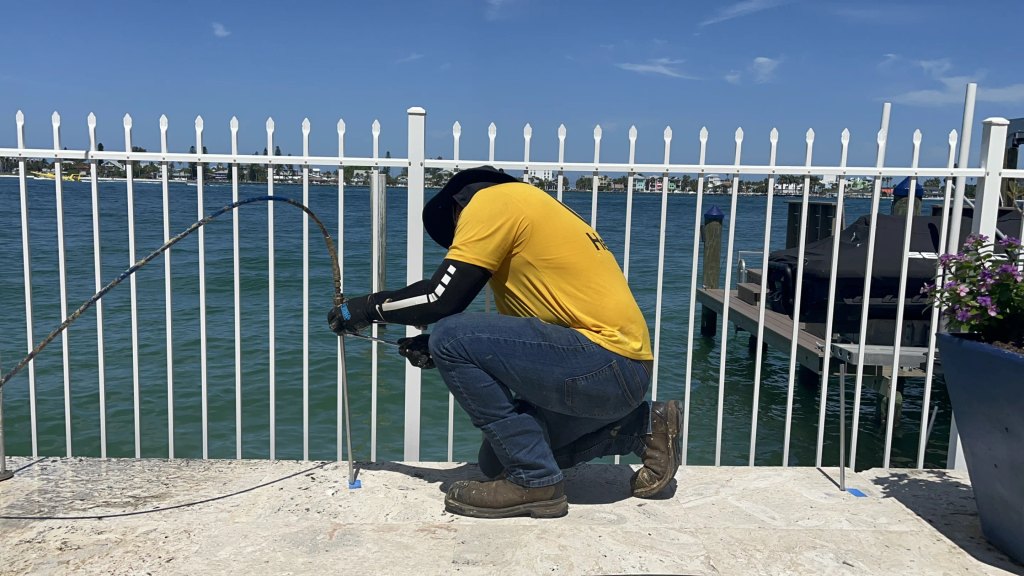
The homeowner observed signs of settlement and instability in their backyard and around the pool area. This included cracks in the pool deck, sinking pavers, and cracks in the concrete. Upon further investigation, it was discovered that significant soil erosion and voids had developed behind the seawall.
It was estimated that these voids extended approximately 10 to 15 feet behind the seawall and were several feet deep in some areas. These voids were causing the seawall to lose support, leading to the observed settlement issues. The erosion was likely caused by a combination of factors, including the age of the seawall, the type of soil, wave action, and water intrusion.
What Helicon Found
At a waterfront home in St. Petersburg, Florida, Helicon discovered significant soil erosion and underground voids behind the property’s seawall. The homeowner had noticed cracks in the pool deck, sinking pavers, and settlement throughout the backyard. Further investigation revealed that the voids extended approximately 10 to 15 feet behind the seawall and were several feet deep in certain areas. This loss of soil was weakening the support behind the seawall and contributing to the visible settlement around the property.
Why the Repair Sequence Mattered
Simply repairing the cracked concrete or leveling the sinking pavers would not have addressed the underlying problem. The missing soil behind the seawall needed to be stabilized first to restore support and reduce the risk of continued settlement.
Helicon’s approach focused on filling the underground voids and strengthening the surrounding soil before addressing water pressure behind the wall. Installing JET Filters was also important because trapped water can create hydrostatic pressure, placing additional stress on the seawall. Combining soil stabilization with proper drainage helped address both the existing damage and factors that could contribute to future erosion.
What Helicon Did
Helicon used chemical grouting to stabilize the weakened soil behind the seawall. The crew injected specialized polyurethane grout through small injection ports, allowing the material to expand and fill underground voids while compacting the surrounding soil. This process restored support behind the seawall without requiring extensive excavation or disturbing the existing pool deck.
Helicon also installed JET Filters along the seawall to provide a controlled drainage path for trapped water. These filters help relieve hydrostatic pressure while retaining soil and backfill material, reducing the risk of additional erosion behind the structure.
The Result
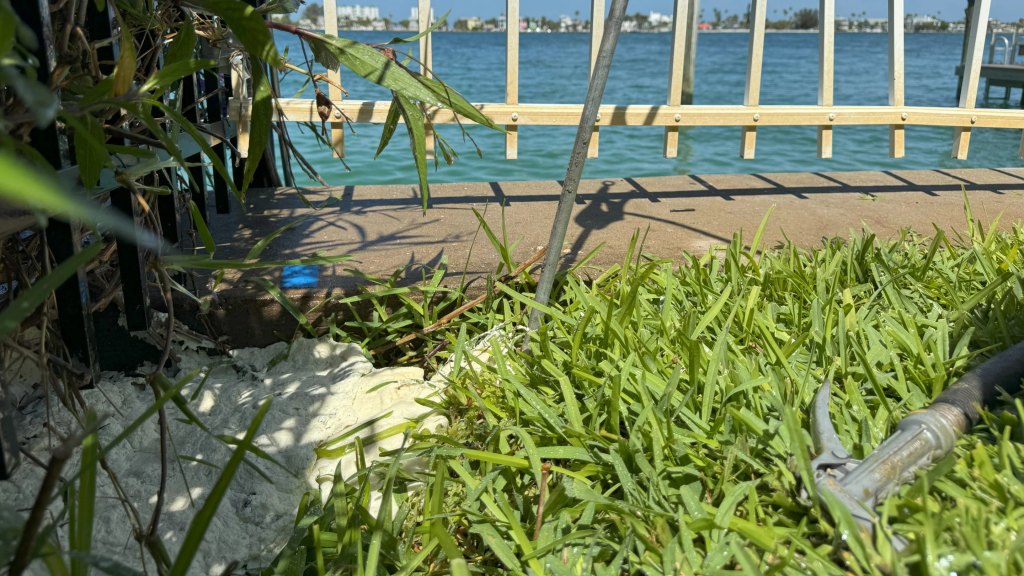
Helicon’s repairs filled the underground voids, reinforced the weakened soils, and improved support behind the seawall. By combining chemical grouting with JET Filter installation, the project addressed the settlement concerns and water pressure that had threatened the surrounding property.
The homeowner received a minimally invasive seawall repair solution that helped protect the pool deck, backyard, and waterfront area from further soil erosion and settlement.
Homeowner Takeaway
When erosion is causing a pool deck to settle, correcting the soil-loss problem can be just as important as lifting the concrete.
Read more: Pool Deck Settlement: Causes and Repair Options
Project 5: Seawall Soil Loss at a Wall End or Return
Project location: Bradenton, Florida
What the Homeowner Saw
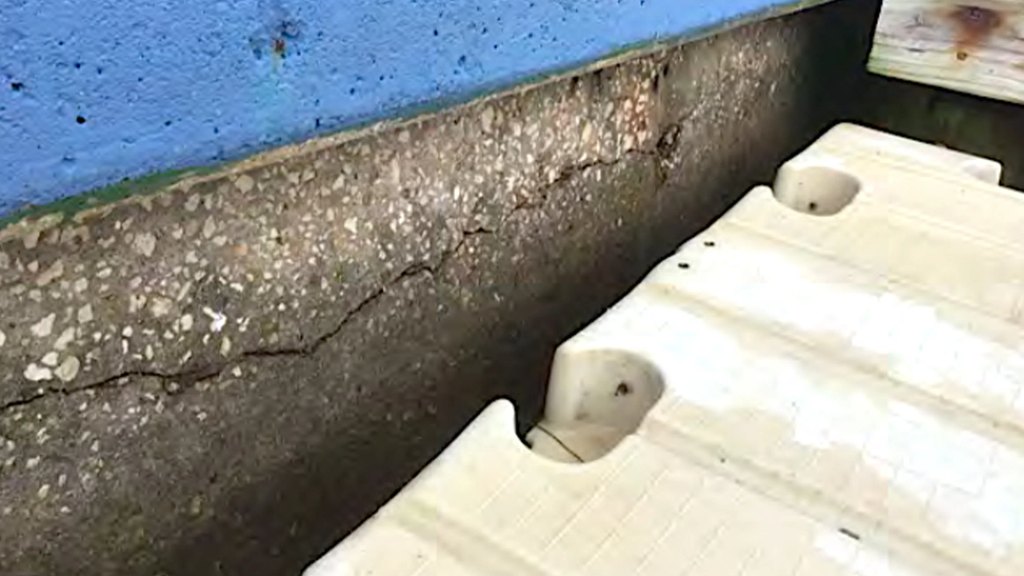
The homeowner noticed soil loss along the seawall, soft spots and depressions in the yard, and settlement along the edge of the nearby concrete patio and sidewalk. Water was also moving behind the seawall during tidal changes, raising concerns about ongoing erosion and the stability of the surrounding property.
Where the Soil Was Escaping
Tidal water was moving through small openings along the seawall, including panel seams, joints, and cracks near the concrete cap. As water repeatedly entered and exited through these gaps, it carried away sand and fine soil particles from behind the wall. Over time, this erosion created underground voids, weakened the surrounding soil, and contributed to settlement in the yard and adjacent concrete slab.
Why This Case Was Different
Unlike seawall repairs focused only on preventing soil erosion, this project also involved stabilizing and potentially lifting a settled concrete slab. Helicon needed to address both problems without removing the existing concrete or extensively excavating the waterfront property.
The repair also required careful consideration of tidal water movement and hydrostatic pressure. Simply sealing the seawall could trap water pressure behind it, while stabilizing the soil without sealing the leaks could allow erosion to continue. Helicon developed a repair approach that combined leak sealing, soil stabilization, controlled concrete lifting, and drainage improvements.
What Helicon Found
Helicon identified active water migration through openings along the seawall, along with weakened soil and underground voids behind the structure. These conditions had reduced the support beneath the adjacent patio and sidewalk, allowing portions of the concrete to settle.
The team also determined that lifting the slab would require careful monitoring because its age, thickness, reinforcement, and existing condition could affect how it responded. Restoring stable support was the primary goal, with controlled lifting considered where conditions allowed.
What Helicon Did
Helicon completed the seawall and concrete slab stabilization using two different polyurethane injection methods.
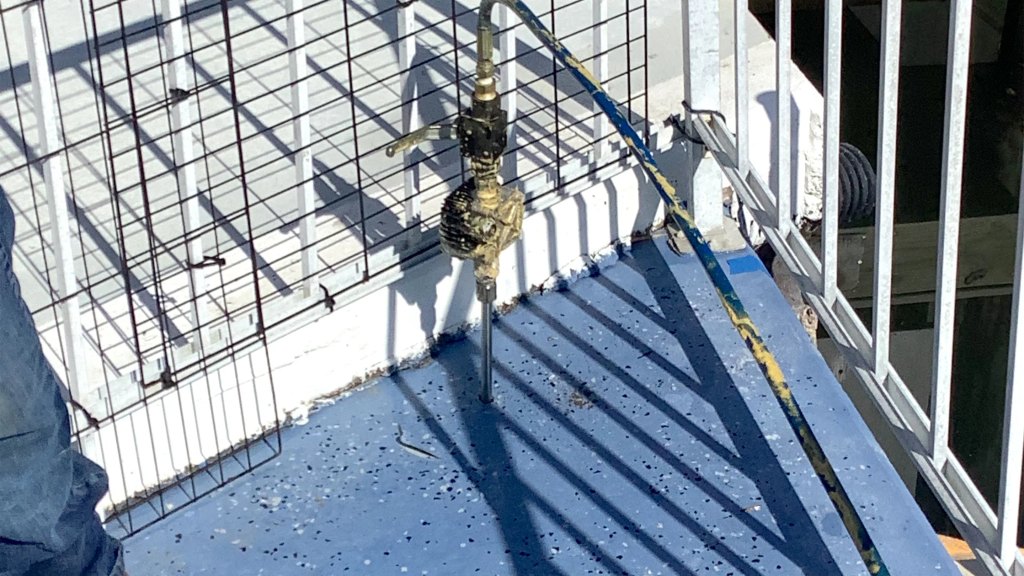
First, the crew installed 10 injection points along the seawall and injected approximately 45 gallons of one-part polyurethane grout. This material filled underground voids, sealed active water pathways, and reinforced the loose soil behind the wall.
Next, Helicon injected approximately 316 pounds of two-part structural polyurethane beneath the settled concrete slab. The expanding foam restored support beneath the concrete and allowed for controlled lifting in certain areas, improving uneven transitions and reducing potential trip hazards.
Finally, the team installed five JET Filters along the seawall to relieve hydrostatic pressure while retaining the soil behind the structure.
Together, these repairs addressed the underlying erosion, stabilized the concrete slab, and improved the long-term support of the homeowner’s waterfront property without extensive excavation.
The Result
- Leak‑driven erosion stopped: With leak paths sealed, tide cycles no longer extract fines from the backfill. This is the single biggest step toward long‑term stability on waterfront properties.
- Backfill mass re‑supported: The soil‑resin matrix formed by the one‑part injections closed voids and restored confinement near the wall, giving the structure the passive resistance it needs.
- Slab stabilized with lift where feasible: The two‑part foam re‑established contact beneath the slab and, in target areas, produced measurable elevation gains—improving transitions and reducing trip edges.
- Pressure managed for durability: Five JET Filters now give trapped water a controlled way out—without carrying soil—reducing the chance of new cracks or panel distress.
- Fast, low‑disruption soil stabilization: Small injection ports, rapid cure, and tidy staging preserved the waterfront experience and limited impact on landscaping and hardscape.
Homeowner Takeaway
The repair should follow the actual soil-loss pathway rather than assuming every section of the seawall has the same problem.
Project 6: Storm or High-Water Event Exposed Existing Soil Loss
Project location: Tampa, Florida
Storm / high-water event: Hurricane Helene
What the Homeowner Saw
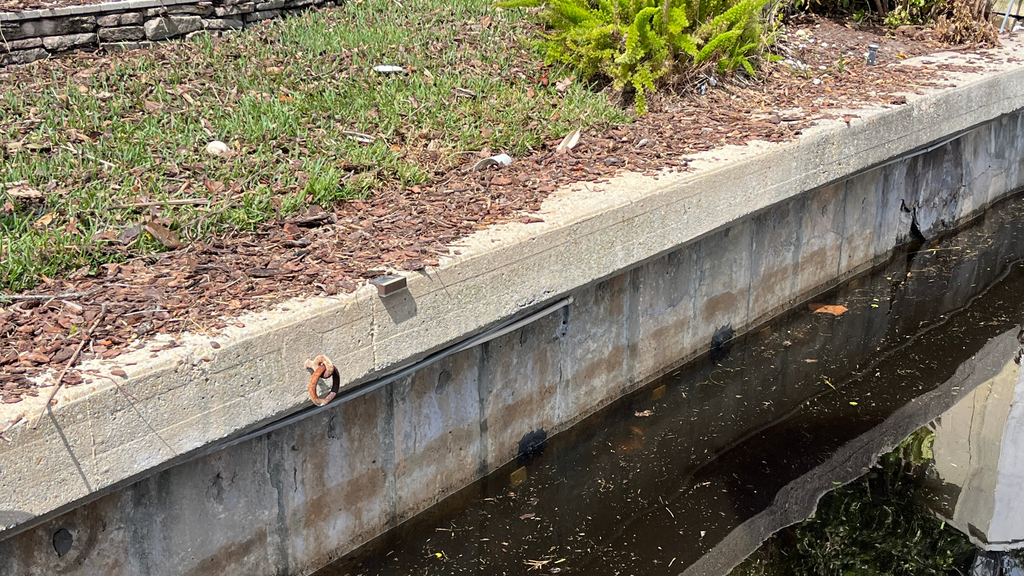
At a waterfront home on Davis Islands in Tampa, Florida, the homeowner noticed visible voids and soil erosion developing behind the seawall following Hurricane Helene. Despite hiring two previous contractors to address the problem, the erosion continued. The homeowner became concerned that ongoing soil loss could eventually affect the seawall, surrounding yard, and nearby structures.
What Helicon Found
Helicon discovered that the soil behind the seawall had become weakened and eroded, creating underground voids and reducing support along the waterfront. Previous repair attempts included JET Filter installations, but these measures had not addressed the existing soil loss.
While the filters helped relieve water pressure, the weakened soil still needed stabilization. Helicon determined that both soil stabilization and proper drainage were necessary to address the continuing erosion.
Did the Storm Cause the Entire Problem?
Not necessarily. While Hurricane Helene significantly accelerated the erosion, the property was also exposed to ongoing tidal movement, rainfall, and hydrostatic pressure. These conditions can gradually weaken the soil behind a seawall, especially when water moves through joints, cracks, or other openings.
The hurricane intensified the existing vulnerabilities, making the soil loss more noticeable. The fact that erosion continued after previous repair attempts showed that the underlying support problems had not been fully addressed.
What Helicon Did
Helicon completed a targeted seawall repair using polyurethane soil stabilization and JET Filter installation.
First, the crew injected approximately 81 gallons of one-part SW-RP1 polyurethane grout behind the seawall, with injection points spaced roughly 5 to 6 feet apart. The treatment extended approximately one foot below the mudline to reach deeper erosion pathways. This helped fill underground voids, reinforce weakened soils, and reduce additional soil migration.
After completing the injections, Helicon installed six JET Filters along the seawall. These filters allow trapped water to drain while helping retain soil behind the structure, reducing hydrostatic pressure and the risk of continued washout.
Together, these repairs improved soil stability and drainage behind the seawall, providing a more comprehensive solution than the previous repair attempts.
The Result
The key benefit was that the property received a combined stabilization-and-drainage approach rather than another drainage-only repair.
The treatment improved the support condition behind the seawall and added a controlled system for relieving water pressure.
No waterfront contractor can responsibly guarantee that a seawall will never experience future erosion, storm damage, or movement. Coastal conditions continue to change, and all seawalls require observation and maintenance.
However, this repair substantially improved the treated areas and addressed two of the property’s most important concerns: soil loss and water pressure.
Homeowner Takeaway
A storm can reveal or accelerate an existing seawall soil-loss problem that may have been developing gradually beforehand.
Project 7: Polyurethane Soil Stabilization Plus Jet Filters
Project location: Tavares, Florida
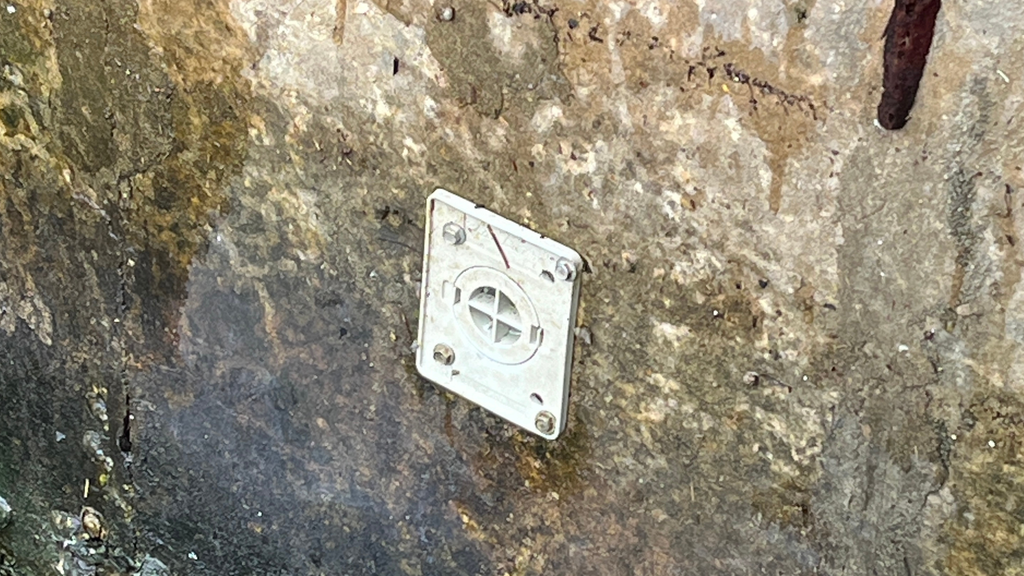
What the Homeowner Saw
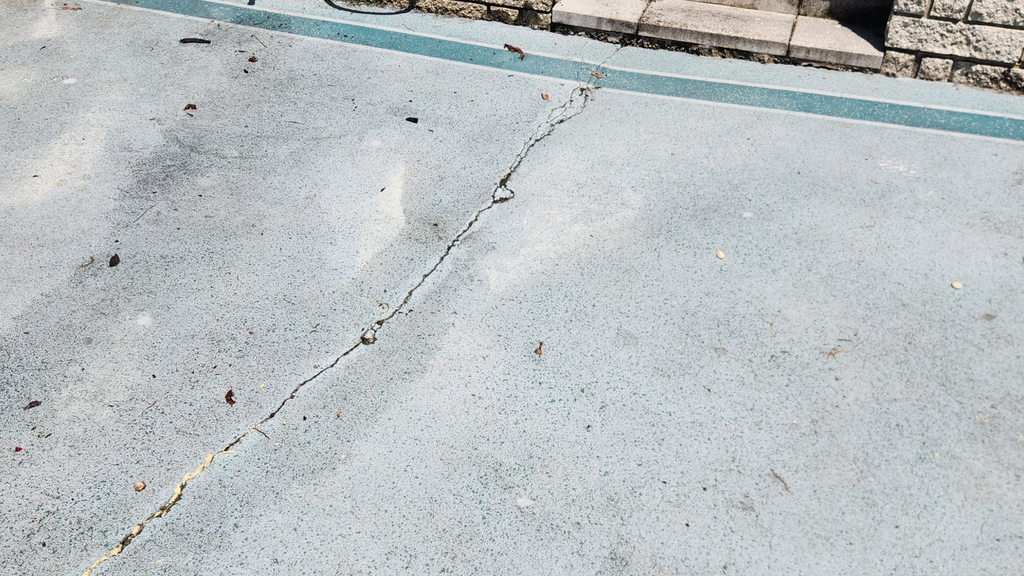
At a waterfront property in Tavares, Florida, the homeowner noticed a large crack running through the middle of a concrete slab near the seawall. One side of the slab had begun sloping downward, creating an uneven surface and raising concerns about continued settlement. The homeowner wanted to stabilize the area, restore support beneath the concrete, and potentially lift the settled section back toward its original position.
What Helicon Found
Helicon identified weakened and eroded soil behind the property’s cinder-block seawall and beneath the adjacent concrete slab. As the soil lost its ability to provide consistent support, the slab began cracking and settling unevenly.
The seawall also lacked a hydrostatic pressure-relief system, allowing water pressure to potentially build up behind the structure. Additionally, concrete was reportedly present approximately 12 to 18 inches below the surface behind the seawall, creating an obstacle that needed to be considered when reaching the deeper soil treatment areas.
Why Both Soil Stabilization and Pressure Relief Were Important
Simply lifting the cracked concrete would not have corrected the underlying soil erosion. Helicon needed to stabilize the weakened soil behind the seawall and restore support beneath the slab before attempting to correct its uneven position.
However, soil stabilization alone would not have addressed the potential buildup of hydrostatic pressure behind the cinder-block wall. Without proper drainage, trapped water could continue stressing the seawall and contributing to future soil movement.
By combining polyurethane injections with JET Filter installation, Helicon addressed both problems. The polyurethane reinforced the weakened soil and restored support beneath the concrete, while the JET Filters provided a controlled way for water pressure to escape without allowing significant soil loss.
Polyurethane
Helicon used one-part polyurethane to fill accessible voids and strengthen weakened soil behind the seawall. Two-part structural polyurethane was then injected beneath the cracked concrete slab to restore support and attempt a controlled lift of the settled section.
Jet Filters
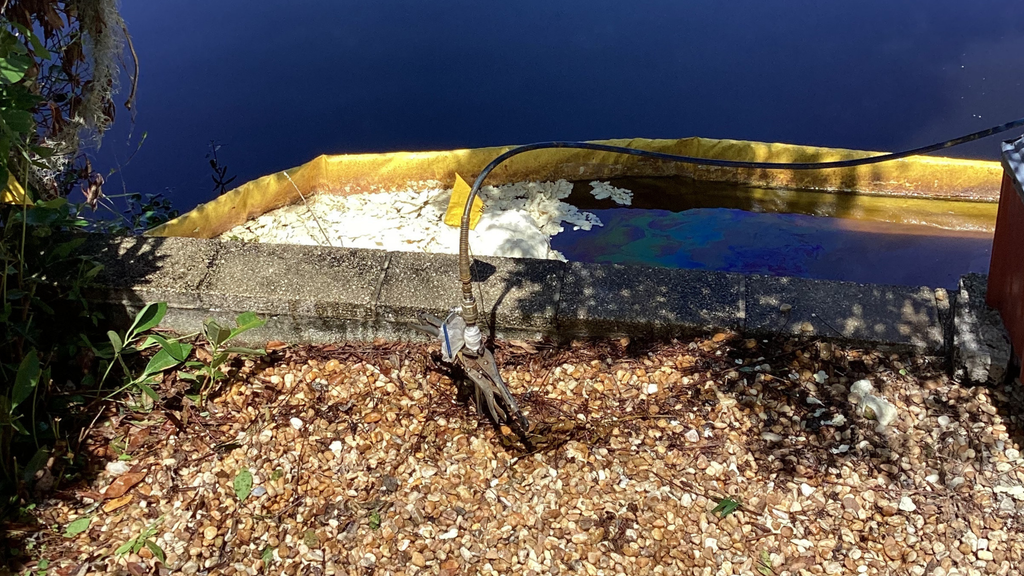
Five JET Filters were installed along the cinder-block seawall to help relieve hydrostatic pressure. These filters allow trapped water to drain while retaining soil behind the structure, reducing the risk of additional erosion and pressure-related damage.
This distinction is important.
Stopping soil loss does not mean trapping all water behind the seawall.
What Helicon Did
Helicon completed the repair using two polyurethane injection methods followed by JET Filter installation.
First, the crew injected approximately 50 gallons of one-part polyurethane behind the seawall to stabilize eroded soils, fill accessible voids, and reinforce the support beneath the adjacent concrete.
Next, Helicon injected approximately 144 pounds of two-part structural polyurethane beneath the settled slab. The expanding material helped restore support, stabilize the cracked sections, and allowed the crew to attempt lifting the concrete toward a more even position.
Finally, Helicon installed five JET Filters in the seawall to relieve hydrostatic pressure and help reduce future soil migration.
Together, these repairs improved soil stability, strengthened support beneath the concrete slab, and provided better drainage behind the seawall without requiring extensive excavation.
The Result
The Tavares property received a targeted stabilization system designed around the actual conditions observed at the site.
No contractor can responsibly guarantee that waterfront structures or surrounding soils will never move again. Water levels, weather events, drainage, and environmental conditions can continue changing over time.
However, the completed work substantially improved the treated areas and gave the homeowner a stronger structural and drainage system than the property had before the repair.
Homeowner Takeaway
The goal is to close uncontrolled pathways that allow soil to escape while still providing an appropriate route for water pressure to dissipate.
Project 8: Multiple Joints, Cracks, or Breaches Along One Seawall
Project location: Boca Grande, Florida
What the Homeowner Saw
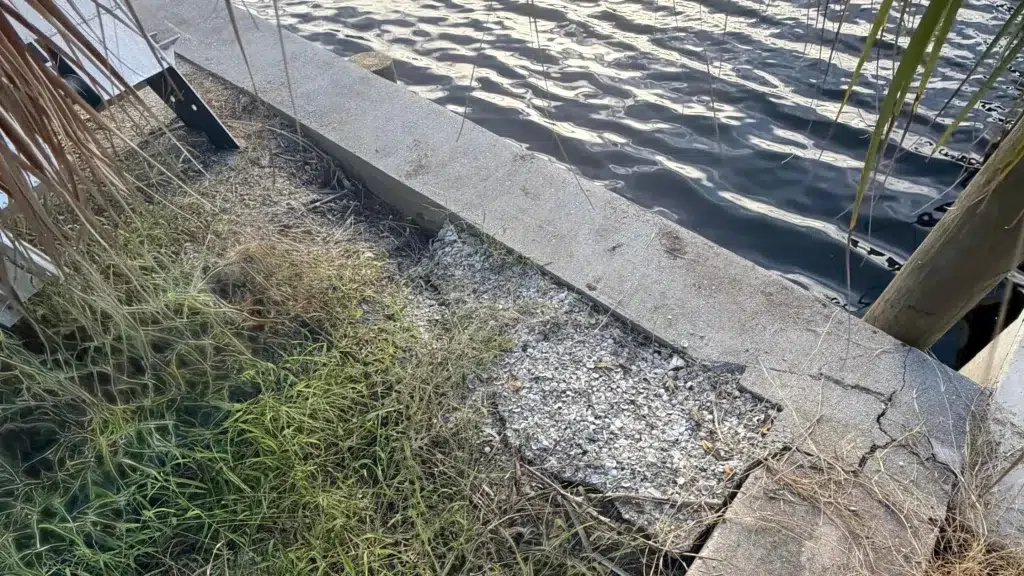
The homeowner contacted Helicon after seeing growing signs of instability behind the seawall. The issue was not limited to a single low spot. Instead, the property was experiencing major soil loss and multiple depressions along the shoreline edge behind the wall. In practical terms, that meant the seawall was no longer reliably holding the retained-side soils. Material was being lost, support was diminishing, and visible changes in grade were beginning to affect both the property’s appearance and long-term safety.
Like many waterfront owners, the customer understood that surface work alone would not fix the problem. Simply adding fill dirt to low spots or reshaping the yard would only cover the symptoms temporarily if the pathways behind the seawall remained open. The soil would continue migrating, the depressions would return, and the risk to the wall would remain.
That is why this project had to begin with stabilization.
What Helicon Found
Helicon identified significant soil erosion and multiple depressions behind a 130-foot seawall. As soil continued to migrate through or around the seawall, underground voids developed, weakening the support behind the structure.
The widespread soil loss raised concerns about continued settlement, additional property damage, and the possibility of seawall failure if the problem remained untreated.
Why One Injection Location Wasn’t Enough
The soil erosion was not limited to a single area behind the seawall. With multiple depressions developing along the 130-foot structure, treating only one location would have left other weakened areas vulnerable to continued soil movement.
Helicon needed to address the seawall as an entire system, stabilizing loose soils and filling underground voids along the affected length. This approach provided more consistent support behind the wall and helped reduce the likelihood of additional depressions forming.
What Helicon Did
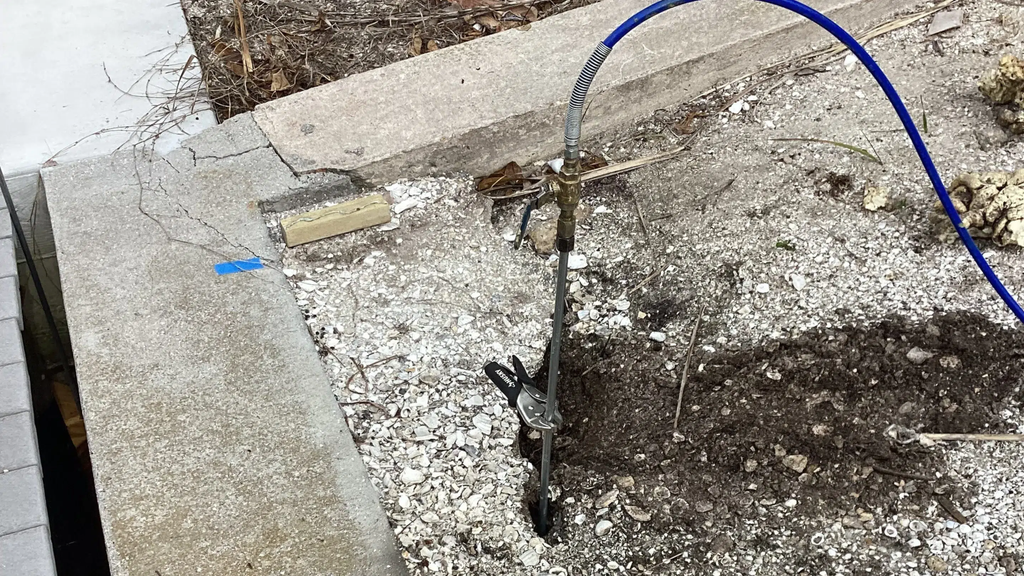
Helicon completed the seawall repair using one-part polyurethane permeation grout injections to stabilize the weakened soils behind the structure.
The crew injected approximately 117 gallons of grout to fill underground voids, reinforce loose soil, and improve support along the 130-foot seawall. This approach addressed the underlying erosion without requiring a complete seawall replacement.
After completing the soil stabilization, Helicon installed 13 JET Filters along the seawall to relieve hydrostatic pressure and help reduce additional stress on the structure.
Together, these repairs strengthened the soil behind the seawall, reduced the risk of further erosion and settlement, and allowed the homeowner to move forward with cosmetic yard restoration on a more stable foundation.
The Result
Once the work was complete, the property had a significantly improved support condition behind the wall and a more secure shoreline edge overall.
- The soils behind the 130-foot seawall were stabilized
- The risk of continued depressions and further soil loss was reduced
- The seawall was better protected against future distress
- Hydrostatic pressure relief was improved through the installation of 13 JET filters
- The homeowner could proceed with cosmetic restoration on a better structural base
- The long-term risk of a more serious seawall failure was lowered
As the project notes state, the homeowner no longer has to worry about troublesome voids or a wall collapse. While every waterfront structure still requires observation and maintenance over time, this repair meaningfully changed the risk profile of the property.
Homeowner Takeaway
Seawall soil erosion is not always one isolated hole. Multiple pathways can contribute to one larger area of weakened backfill.
Project 9: Dramatic Soil Restoration Behind an Otherwise Serviceable Seawall
Project location: Clearwater, Florida
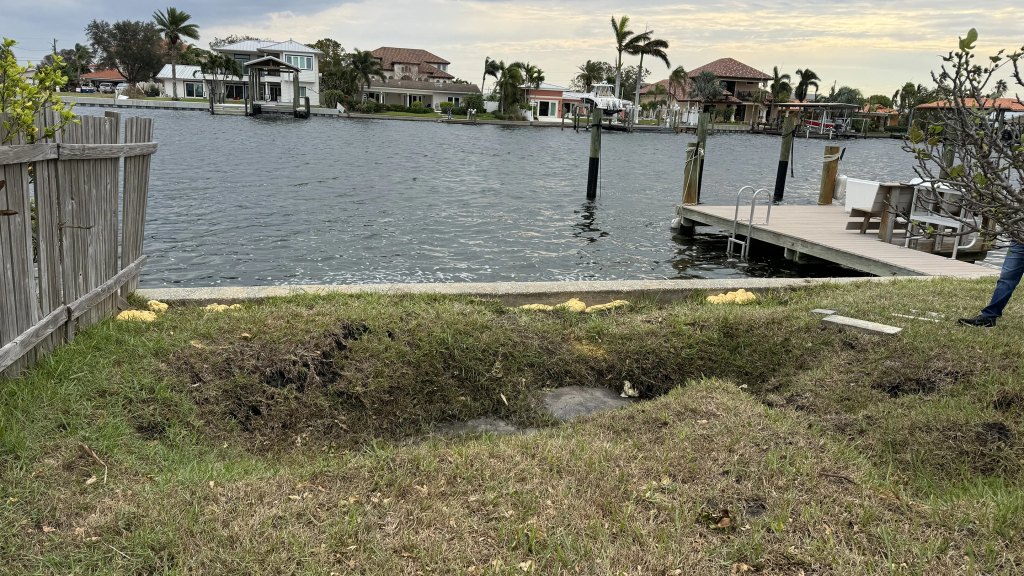
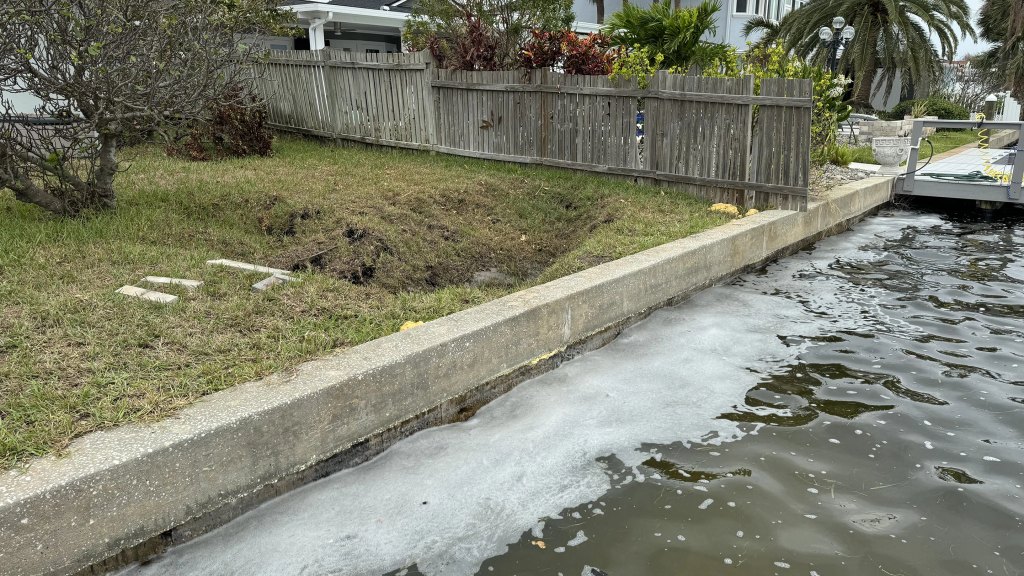
What the Homeowner Saw
This case study examines a concrete panel seawall behind a home in Clearwater, FL, that was experiencing soil loss, creating problematic voids behind the wall.
The homeowner was seeking a permanent solution to stop the erosion—without resorting to the traditional, messy process of excavating behind the seawall to replace the black filter fabric and repack with crushed shell or stone. That method has a high likelihood of failing again and isn’t considered a long-term solution.
What Helicon Found
Helicon identified significant soil erosion and underground voids behind a concrete panel seawall. Water was moving through gaps between the panels and damaged filter fabric, gradually carrying away the supporting soil.
Before the project could be completed, Hurricane Milton struck the area, causing severe erosion along the untreated portion of the seawall. The storm’s reverse surge created intense water movement and pressure, pulling soil through openings in the wall and leaving a massive underground void.
Why the Wall Did Not Need Replacement
Although Hurricane Milton caused significant soil loss, the seawall itself remained structurally intact. The primary issue was the erosion of supporting soil behind the concrete panels rather than structural failure of the wall.
This allowed Helicon to use polyurethane soil stabilization instead of replacing the entire seawall. The treatment filled underground voids, sealed erosion pathways, and reinforced the weakened soil without extensive excavation or reconstruction.
The difference was especially noticeable during the hurricane. The half of the seawall Helicon had already treated experienced no soil loss, while the untreated section suffered major washouts.
What Helicon Did
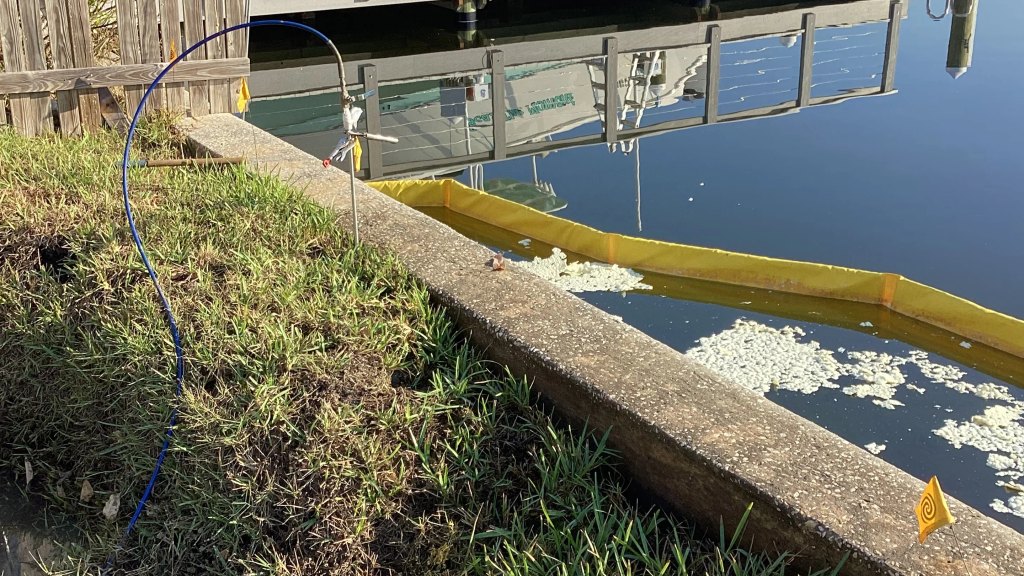
Helicon completed the seawall stabilization using one-part SW-RP1 polyurethane grout injections. Injection rods were installed approximately 5 to 6 feet apart along the seawall joints, reaching one foot below the mudline.
The crew injected grout in one-foot increments while moving upward, allowing the material to fill underground voids, seal gaps, and stabilize the surrounding soil. Approximately 102 gallons of polyurethane grout were used across the project.
After completing the injections, Helicon installed nine JET Filters along the seawall to relieve hydrostatic pressure and provide controlled drainage while helping retain soil behind the structure.
The Result
The project demonstrated the effectiveness of treating soil erosion before major structural damage occurs. During Hurricane Milton, the section Helicon had stabilized remained intact without soil loss, while the untreated half experienced substantial washouts.
After the storm, Helicon returned to stabilize the remaining section, restoring support behind the entire seawall and addressing the erosion pathways responsible for the soil loss.
With the underground voids filled, surrounding soils stabilized, and JET Filters installed, the homeowner received a long-term seawall repair solution without the need for a complete wall replacement.
Homeowner Takeaway
Significant soil loss behind a seawall does not automatically mean the entire seawall needs to be replaced.
How Polyurethane Soil Stabilization Works Behind a Seawall
For appropriate seawall soil-loss projects, Helicon may use expanding structural polyurethane to stabilize backfill and seal pathways where soil is escaping.
A typical project may include:
1. Identify Soil-Loss Areas
Inspect:
- Panel joints
- Cracks
- Breaches
- Depressions
- Voids
- Wall ends
- Settled pavers or concrete
Soil probing may also provide useful field information about apparent loose, weak, or voided areas.
2. Install Injection Rods
Depending on site conditions, injection locations may be approximately 5 feet apart or positioned at panel joints or other relevant locations.
Rods may extend to approximately one foot below the mudline.
3. Inject Upward in Stages
Polyurethane may be injected upward through the treatment zone, often in approximately one-foot increments.
4. Stabilize the Backfill
Certain structural polyurethane formulations used by Helicon can expand approximately 50 times their original liquid volume.
Depending on the soil and formulation, the material can:
- Expand into voids
- Permeate portions of granular soil
- Bind soil particles
- Densify loose backfill
- Seal cracks and joints from the soil side
A simple way to think about the result is:
The process helps build a “wall behind the wall,” while also sealing many of the pathways where soil has been escaping.
Read more: What Is Soil Stabilization and How Does It Work?
Why Jet Filters May Be Added After Sealing Soil-Loss Pathways
This can initially seem contradictory.
If openings are being sealed, why add filtered openings?
Because they serve different purposes.
Uncontrolled Opening
May allow:
water + soil to escape
Filtered Pressure Relief
Designed to allow:
water to escape while helping retain soil
The objective is not to make the seawall watertight. It is to stop soil loss while still allowing appropriate pressure relief.
What These Real Seawall Soil Erosion Projects Teach Us
A Small Opening Can Cause a Large Soil Problem
A narrow joint may allow significant backfill loss over time.
The Hole Is Usually the Symptom
The more important question is where the soil went.
Pavers and Pool Decks Can Reveal Soil Loss
Settlement near a seawall may begin in the improvements supported by the backfill.
Water Must Be Managed Without Losing Soil
Closing uncontrolled pathways and providing filtered pressure relief can serve different but complementary purposes.
The Seawall Structure and the Soil Behind It Are Not the Same Problem
Some properties need soil stabilization.
Others need structural seawall repair.
Some need both.
The repair should follow the condition—not simply the appearance of the waterfront.
Seawall Soil Erosion Photo Checklist
If you notice a problem along your seawall, photograph more than the hole itself.
Photograph the Seawall
- Wide view of the wall
- Open panel joints
- Cracks or gaps
- Wall ends and returns
- Areas that appear to lean or bow
Photograph the Soil Behind It
- Depressions
- Holes
- Settling pavers
- Pool deck movement
- Gaps beneath slabs
- Areas repeatedly filled with dirt
Document Water and Drainage
- Water flowing through joints
- Soil appearing on the water side
- Drainage toward the seawall
- Irrigation leaks
- Conditions after high water
Track Changes
- Take dated photographs
- Compare the same location over time
- Note new depressions
- Record whether pavers or slabs continue settling
- Photograph conditions before adding fill
The purpose is to determine what is changing and where the soil may be going.
How Helicon Evaluates Seawall Soil Erosion
Helicon has worked with Florida soils and structures since 2004 and serves waterfront properties across the state.
An evaluation may consider:
- Panel joints
- Cracks and breaches
- Wall ends and returns
- Visible soil loss
- Voids and depressions
- Settled pavers and concrete
- Drainage
- Pressure relief
- Wall alignment
- Backfill conditions
The key questions are:
- Is soil actively escaping?
- Where is it escaping?
- Has a void developed?
- Is the backfill loose or unstable?
- Are nearby pavers or slabs losing support?
- Can water pressure escape appropriately?
- Does the wall appear structurally sound enough for soil stabilization to be appropriate?
- Does a marine contractor or engineer need to address the wall itself?
The value of seawall soil stabilization is not finding a way to inject every wall. It is knowing when the problem is the soil—and when it is the structure.
Have Soil Disappearing Behind Your Seawall?
If you notice a depression, sinking pavers, pool deck settlement, open joints, or soil washing through your seawall, start by determining:
- Where is the soil going?
- What pathway is allowing it to escape?
- Has a void developed?
- Is the remaining backfill stable?
- Is appropriate pressure relief present?
- Is the wall structurally sound?
- Is the problem soil-related, structural, or both?
The goal is not simply to fill the hole. The goal is to stop the soil loss, restore support, and provide an appropriate path for water pressure to escape.
Read more: Seawall Repair
FAQ
What causes soil to wash out behind a seawall?
Soil can escape through panel joints, cracks, gaps, wall ends, penetrations, or other openings as water moves through or around the wall.
Does a hole behind my seawall mean the wall is failing?
Not necessarily. The wall may remain structurally serviceable while backfill soil is being lost behind it.
Is a hole behind a seawall a sinkhole?
Often, no. Many holes immediately behind seawalls are caused by localized soil erosion and void formation rather than geologic sinkhole activity.
Why are my pavers sinking behind the seawall?
The soil supporting them may be loose, eroded, or partially washed away.
Can seawall erosion cause a pool deck to sink?
Yes. If soil loss extends beneath or near the pool deck, the slab can lose support.
Can polyurethane repair seawall soil erosion?
In appropriate conditions, polyurethane can stabilize backfill, fill voids, and help seal soil-loss pathways behind the wall.
Does Helicon repair the structural seawall?
Helicon focuses on soil stabilization, void filling, sealing soil-loss pathways, and pressure relief. Structural wall repair or replacement may require a marine contractor and/or engineer.
How far apart are seawall injection points?
Depending on site conditions, locations may be approximately 5 feet apart or positioned at panel joints and other relevant soil-loss pathways.
How deep are the injection rods?
On many projects, rods may extend to approximately one foot below the mudline before treatment progresses upward.
How much does the polyurethane expand?
Certain structural polyurethane formulations used by Helicon can expand approximately 50 times their original liquid volume, depending on the formulation and site conditions.
What does “wall behind the wall” mean?
The polyurethane can expand, permeate, and bind with surrounding soil to create a hardened stabilized mass behind the seawall while helping seal soil-loss pathways.
What are Jet Filters?
Jet Filters are pressure-relief devices designed to allow water to escape from behind the seawall while helping retain the soil.
Why add Jet Filters after sealing seawall joints?
The goal is to seal uncontrolled openings where soil escapes while providing filtered locations where water can still relieve pressure.
Should a seawall be completely watertight?
Not necessarily. Appropriate pressure relief is important. The objective is to prevent soil loss without trapping damaging water pressure.
Can I just fill the hole with dirt?
You can fill the depression, but if the soil-loss pathway remains open, the new fill may eventually disappear as well.
Can polyurethane repair a leaning or broken seawall?
Polyurethane soil stabilization is not a substitute for structural seawall repair. Significant leaning, bowing, broken panels, or other structural distress should be evaluated appropriately.
Do you have to excavate behind the seawall?
Often, no. Injection rods can frequently treat affected soils with little or no excavation.
What should I do first if I notice seawall soil erosion?
Document the condition and determine whether soil is actively disappearing, voids are forming, nearby improvements are settling, or the seawall itself is moving.