
St. Petersburg, FL
The Project
The Challenge
The Solution
FREE INSPECTION REQUEST

Market: Residential
Solution: Seawall Repair & Soil Stabilization
Services: One-Part Permeation Injections (Soil), Two-Part Structural Polyurethane Injections (Slab), JET Filter installation
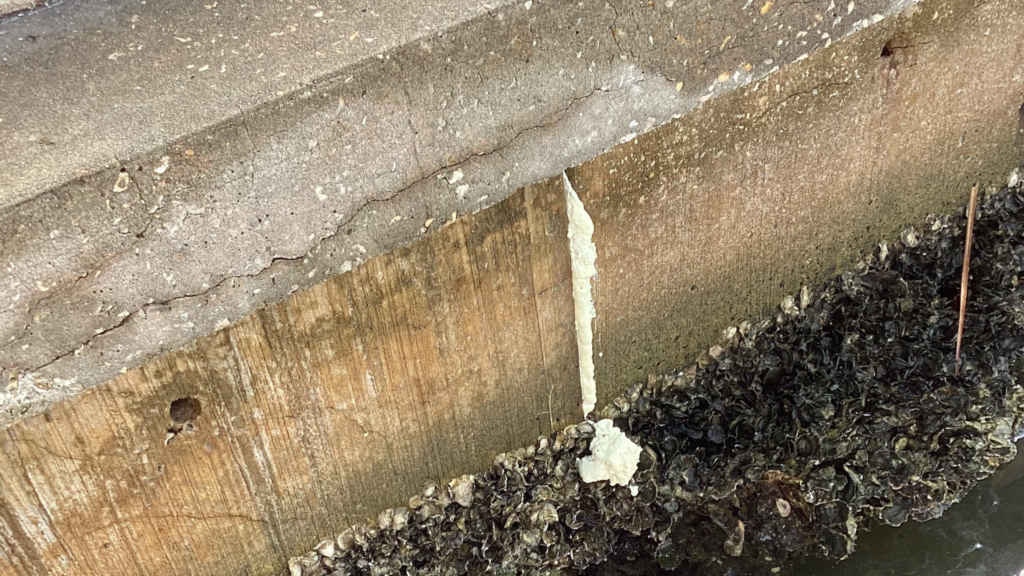
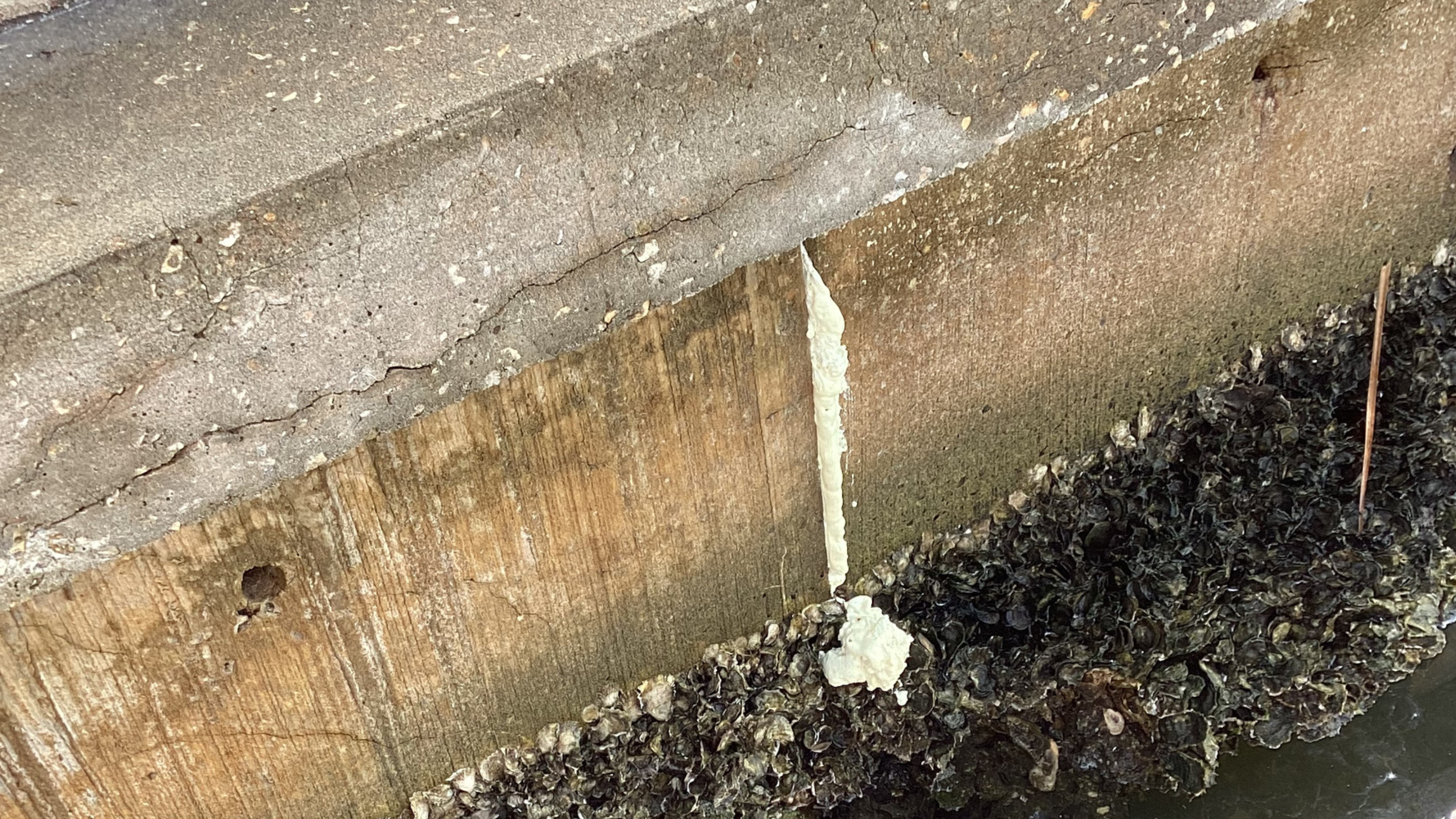
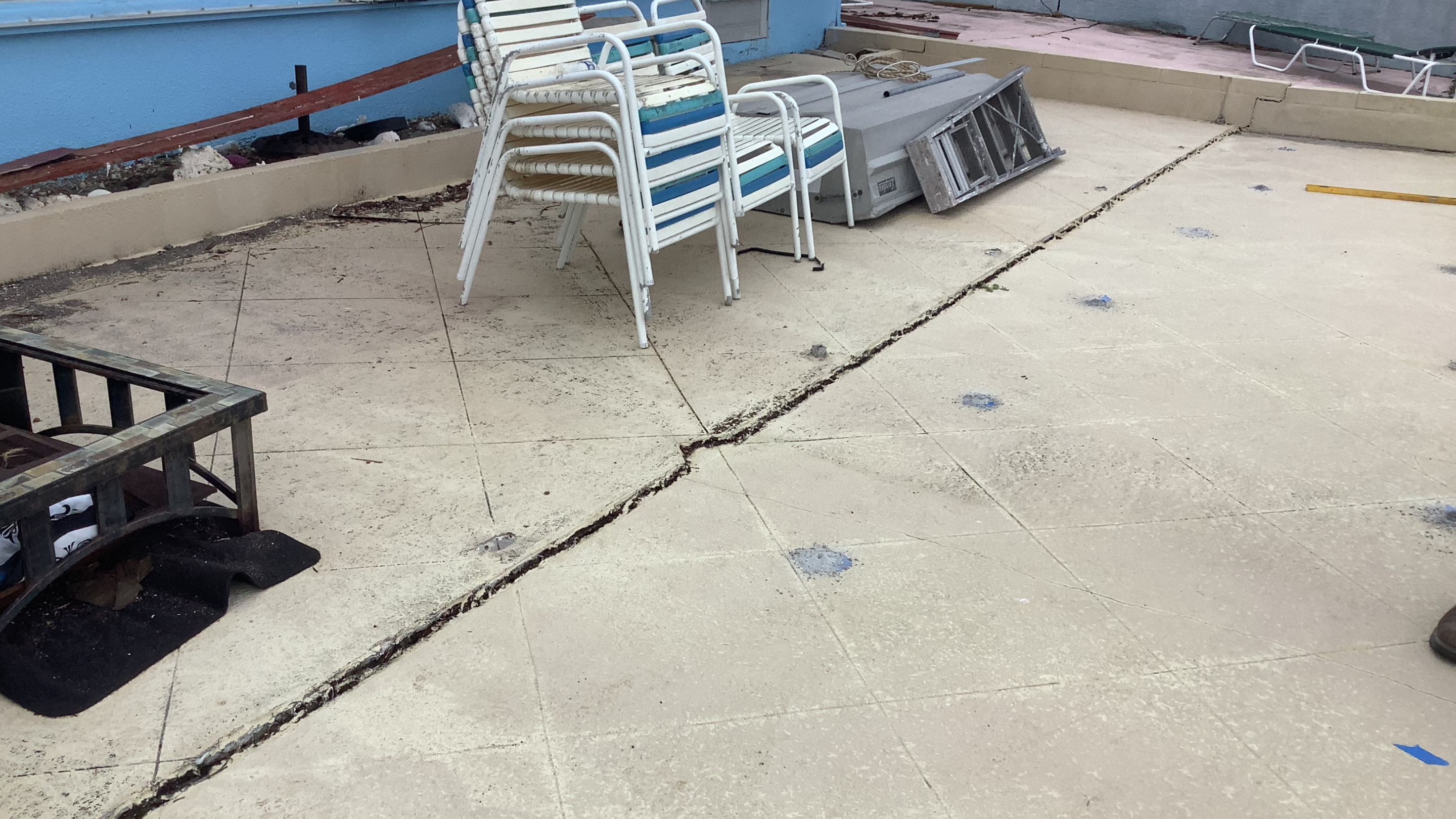
The project began with a visible symptom: the back patio had settled. The settlement was caused by erosion from the storm, which had altered support conditions behind the patio area. At the same time, a much more serious contextual issue had developed nearby. The neighbor’s seawall had collapsed, and that failure had impacted this homeowner’s property as well.
On waterfront properties, these events are rarely isolated. Once one section of shoreline support fails, the resulting erosion, water movement, and retained-side soil instability can affect adjacent parcels. That is why a patio slab problem near the waterfront is often more than a patio slab problem. The slab may settle because the support system behind it is being changed by shoreline erosion and pressure conditions that no longer behave the way they once did.
The homeowner’s request reflected an understandable desire to solve the visible issue quickly. But as with many real estate-driven repair situations, Helicon had to distinguish between what the owner wanted to improve visually and what the property actually needed structurally.
The owner wanted Helicon to “band-aid fix the patio” and avoid addressing the broader issue so he could spend less and move the problem along to the next owner. From a contractor’s perspective, this is exactly the kind of situation where professionalism matters most.
Helicon’s role is not to disguise structural distress. It is to stabilize what can be stabilized, explain the limitations honestly, and recommend a treatment plan based on what the site conditions actually show. In this case, the patio settlement could not be separated from the seawall-related erosion issue. A simple surface-level lift with no regard for the support loss behind the wall would not have been a responsible recommendation.
That is why the final project was structured around:
That approach addressed the immediate problem while avoiding the pretense that cosmetic work alone would solve the real issue.
Several project-specific challenges made this repair more complicated than a straightforward patio lift.
The patio settlement was visible, but the root cause clearly involved erosion tied to seawall distress. Because the adjacent seawall collapse had already impacted the property, the repair needed to account for shoreline support conditions rather than treat the patio in isolation.
The homeowner’s goal was tied to a pending sale. He wanted the home made more marketable without taking on the cost of fully addressing the broader waterfront issue. That created an inherent tension between speed, cost, and structural responsibility.
The team was attempting to lift the center of the back patio. That is an important distinction. Lift was part of the objective, but not guaranteed, and certainly not the only purpose of the work. The primary goal remained stabilization—especially in a setting where support conditions had been compromised by storm-driven erosion.
Whenever seawall or waterfront support conditions are involved, hydrostatic pressure becomes part of the conversation. Even after grout stabilization, water pressure building behind the wall can continue creating stress if it is not properly relieved. That is why the project included JET filters after the injection work.
Helicon used two-part structural polyurethane grout because it provided the best blend of precision, minimal disruption, and structural performance for this project.
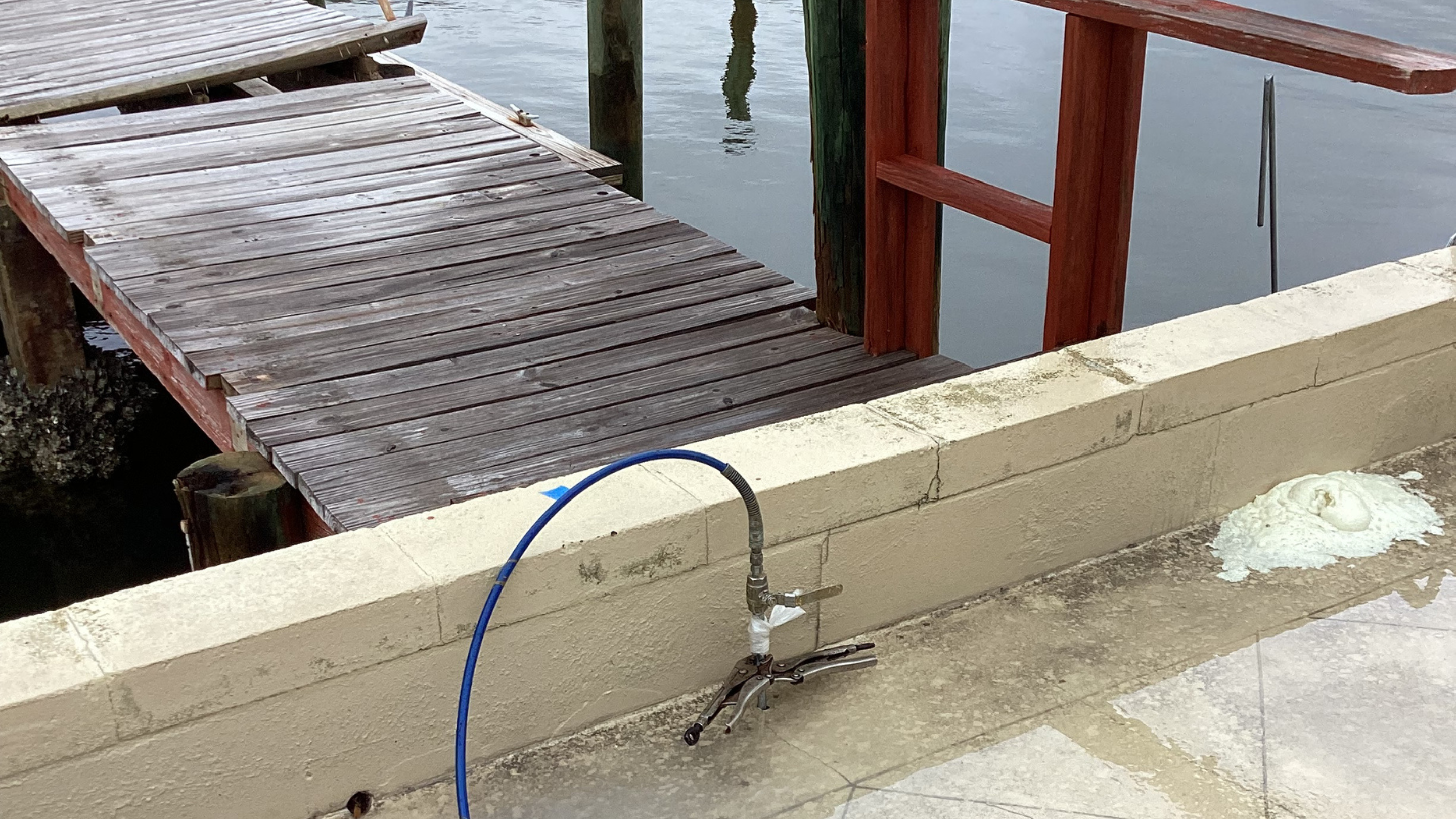
For the patio portion of the repair, Helicon used approximately 116 pounds of material for slab injections. These injections were aimed at:
This was not simply a cosmetic leveling attempt. It was a structural slab stabilization process intended to improve support in the areas influenced by erosion-related loss beneath the patio.
For the waterfront support area, Helicon used approximately 41 gallons of one-part permeation grout to stabilize soils behind the seawall. This part of the work was essential because it helped address the retained-side instability that was contributing to the broader problem.
The soil stabilization phase was designed to:
In this sense, the repair was deliberately layered. The patio slab received support from below, while the soils behind the wall received reinforcement from the retained side.
For a project like this, structural polyurethane offered major advantages over broader excavation or temporary patching.
The work could be performed without tearing out the patio or fully excavating the waterfront zone. That made it appropriate for a residential property where the owner wanted a practical, timely repair.
Because the goal was to target specific slab and seawall-adjacent support zones, a precise injectable material made more sense than a broad fill approach.
The same repair family could be used in two ways:
That allowed Helicon to treat the connected components of the problem with one coherent repair strategy.
After the grout work was completed, 5 JET Filters were installed to relieve hydrostatic pressure behind the wall. This was an important part of the long-term logic of the repair.
Hydrostatic pressure is one of the most persistent forces acting against waterfront retaining structures. Even when loose soils are stabilized, retained water pressure can continue placing strain on the wall if there is no practical way to relieve it. The addition of JET filters helped create a more balanced and sustainable support condition behind the repaired zone.
The JET filters were intended to:
This step helped make the project more than a short-term slab lift. It gave the waterfront repair area a more complete support and drainage strategy.
Once the work was completed, the property had a significantly improved support condition in the treated areas.
This result matters because it improved the structural condition in the areas Helicon treated while also documenting a professional response to a site affected by storm-related erosion and adjacent seawall failure.
It is important to be clear: this project was not described as a complete cure for every long-term seawall concern the property may ever face. Instead, it was a targeted stabilization effort addressing the current treatment zones and immediate structural symptoms.
That is what made it responsible. Helicon did not simply “turn a blind eye” to the larger issue. The repair incorporated the seawall-related support problem into the scope and treated it accordingly, while still working within the practical limits of the owner’s request.
This kind of honesty is essential in real estate-adjacent repair work. The best contractors do not just improve how a property looks. They improve its structural condition and explain clearly what was and was not addressed.
Helicon is Florida’s trusted expert in foundation repair, soil stabilization, seawall repair, concrete lifting, and sinkhole remediation. We serve homeowners across St. Petersburg, Pinellas County, and coastal Florida, delivering engineered repair solutions that protect property from the shoreline to the slab.
If you are seeing settled patios, waterfront soil loss, or seawall-related erosion in St. Petersburg, Pinellas County, or along Tampa Bay, Helicon can help. Our team provides targeted stabilization and shoreline repair solutions that address the real structural conditions beneath the surface.
Call 844-HELICON today to schedule your free inspection and learn whether structural polyurethane and seawall-adjacent soil stabilization are the right fit for your property.
FREE INSPECTION REQUEST