
Tampa, FL
The Project
The Challenge
The Solution
FREE INSPECTION REQUEST

Market: Residential
Solution: Two-Part Structural Polyurethane Injections (Slab and Soil)
Services: Foundation Repair
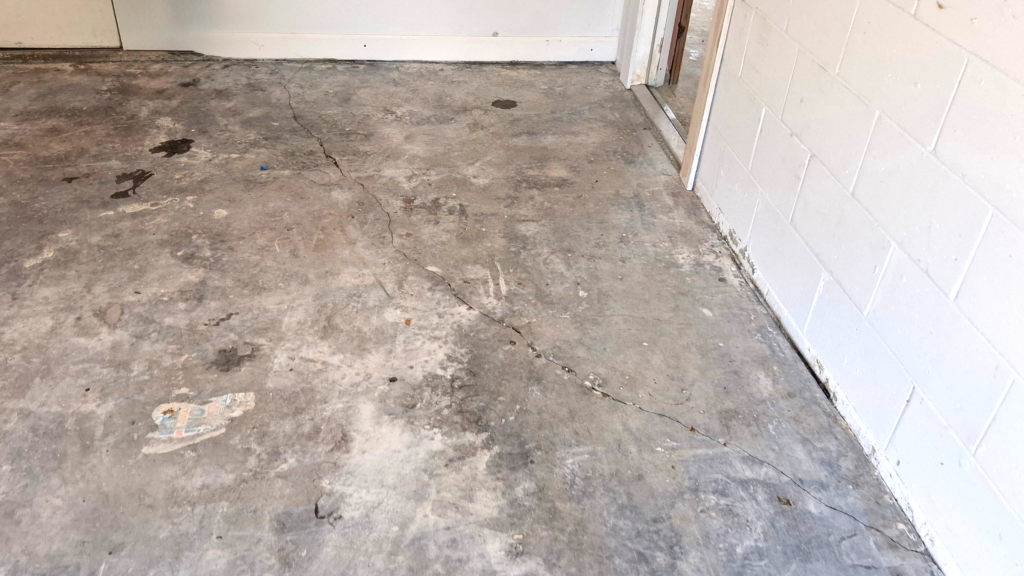
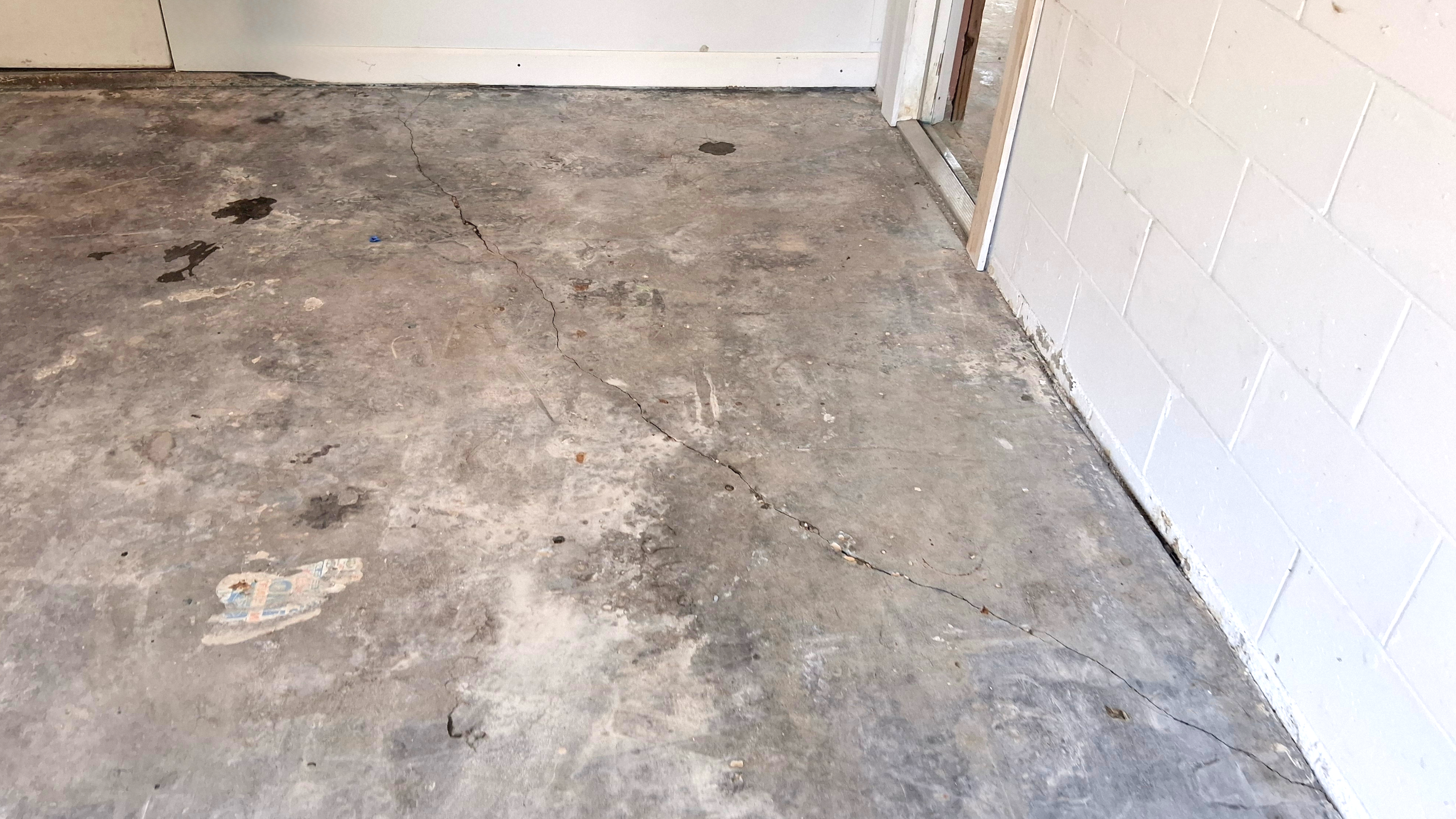
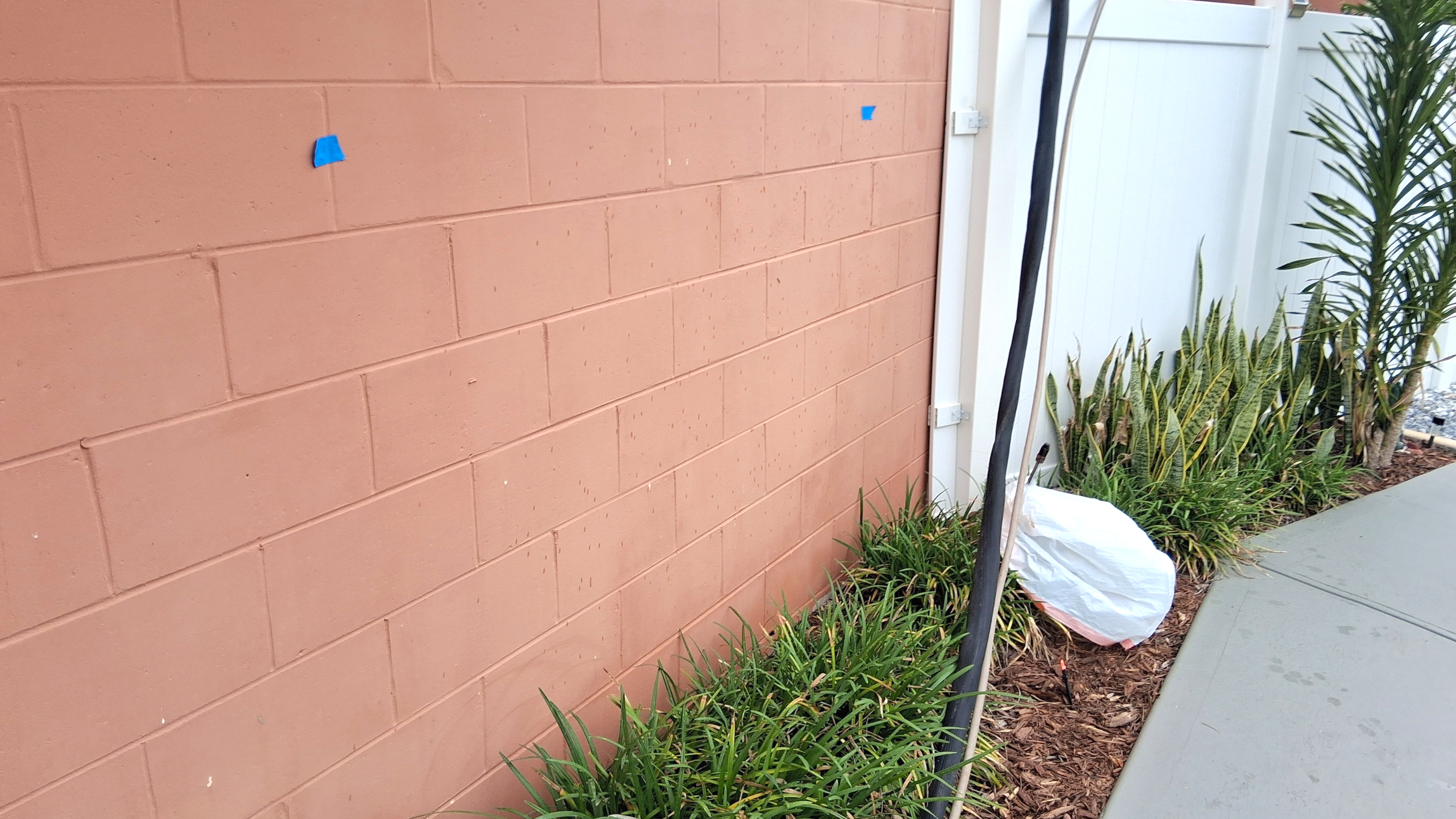
The homeowner first became concerned because the symptoms were showing up in more than one place. The home had cracks on the exterior of the foundation in different areas of the property, not just one isolated crack in one isolated wall. The corner of the garage had settled a bit, and there were also cracks on the garage slab.
That combination matters because when multiple nearby symptoms appear together, the issue often points to a support condition that is changing below the surface. A single cosmetic crack may be nothing more than a finish issue. But multiple cracks, paired with slab distress and a settled corner, usually deserve a more serious structural evaluation.
The owner’s goal was refreshingly clear and practical. She wanted to prevent further settlement—not just hide the current symptoms. That kind of goal creates the right repair mindset from the beginning, because it prioritizes structural performance over cosmetic shortcuts.
Homes often send warning signals before a larger structural issue develops. In this Tampa project, those signals included:
Each of these signs can point to uneven support beneath a slab or footing. When the support condition changes below the home, the structure starts reacting in the places where stress becomes easiest to see. Corners can settle first. Slabs can crack across loaded or poorly supported sections. Masonry or wall finishes can reflect that movement through stair-step or linear cracking.
That does not mean every crack is severe. But it does mean that treating only the surface symptom rarely solves the real problem. If the soils beneath the structure are continuing to loosen, erode, or compress, cosmetic patching alone will often fail over time.
That is why the homeowner’s decision to address the issue as a foundation repair and soil stabilization project was such a smart one.
One of the strongest parts of this project is the timing. The owner chose to act while the signs of movement were still manageable rather than waiting until the distress became more obvious and more expensive.
Early foundation repair helps homeowners in several ways:
In this case, the owner was not waiting for the garage corner to sink dramatically or for the slab cracks to widen significantly. She recognized that the best time to improve support was now, while the condition was still treatable with a focused structural polyurethane program.
The field challenge on this project was not one of access, major demolition, or extreme site complexity. Instead, the main challenge was balancing the homeowner’s understandable hope for visible correction with the structural reality of what the slab and soils would safely allow.
The team would attempt to lift the garage corner if able to. That is a very common expectation in residential slab repair. When a corner settles, homeowners naturally want to know if it can be brought back toward level.
Just as importantly, the customer understood that if it would not lift, Helicon would stabilize it regardless. That made the project stronger from the beginning. It meant expectations were realistic, and the job could be judged by its structural value rather than by whether it produced dramatic visible movement.
In many slab and soil stabilization projects, the best long-term outcome is not necessarily the most noticeable one. A slab corner may or may not respond to lift depending on cracking, bearing conditions, slab integrity, and the way the surrounding structure reacts. Forcing lift where the slab does not want to move can create additional stress or simply fail to produce lasting value.
That is why Helicon approached this project the right way: attempt lift if the structure responded well, but make stabilization the true success standard either way.
Helicon selected a combination of slab injections and soil injections using structural two-part polyurethane grout. This was the right fit because the symptoms suggested the problem involved both the slab support condition and the soils influencing the affected areas.
This repair method was effective for several reasons:
For this Tampa home, that combination made sense because the issues were spread across both visible slab distress and broader foundation-adjacent cracking.
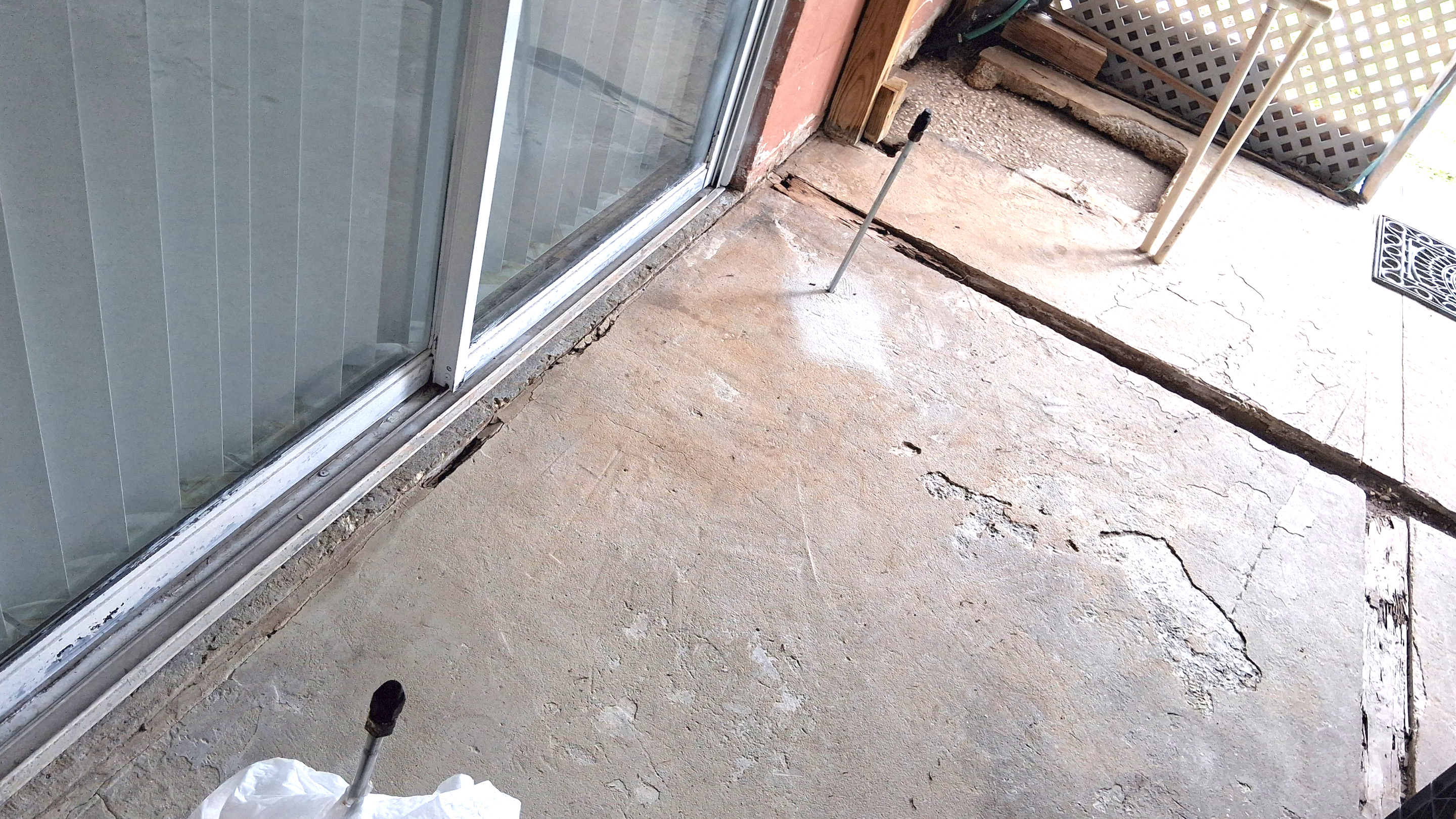
The slab portion of the project used 67 pounds of material. This work was intended to improve support beneath the garage slab area and help address the conditions contributing to the observed cracking and settled corner.
The slab injections were designed to:
In a project like this, slab injections are not just about the crack itself. They are about restoring the bearing condition that helps the concrete behave more predictably over time.
The soil portion of the repair was more extensive. Helicon completed 23 soil injection points totaling 640 pounds of polyurethane grout. These points were scattered in designated areas that made the most sense for this repair, which suggests a thoughtful field layout based on the observed symptoms and the support conditions influencing the home.
The soil injections were intended to:
This was a key part of the project’s success. If Helicon had treated only the slab and ignored the surrounding soil condition, the repair would have been much less complete. By combining slab stabilization and deeper soil-focused reinforcement, the project addressed both the symptoms and the support system behind them.
One of the reasons this project is a good case study is that it did not rely on one repair method alone. Instead, it used two related strategies for two related problems.
The slab injections targeted the garage slab and the settled corner area where the homeowner could already see the effects of movement.
The soil injections strengthened the support condition beneath the repair zone and around the property areas where cracking suggested a wider settlement concern.
That combination is often what creates the strongest long-term outcome in residential repair work. Surface symptoms rarely exist in isolation. The best repairs usually treat both the visible distress and the support condition beneath it.
Once the work was complete, the treated areas of the home had a significantly improved support condition.
This is exactly the kind of result homeowners want when they choose a structural solution early. The repair did not simply hide the symptoms. It improved the conditions below the surface that were influencing those symptoms in the first place.
This Tampa project is a strong example of smart homeowner timing and smart repair planning.
The owner recognized early warning signs. Helicon evaluated the conditions honestly. Lift was discussed, but stabilization stayed the priority. And the final repair used both slab and soil injections to create a more complete support strategy.
That is what makes this more than just a crack repair story. It is a true foundation repair and soil stabilization case study based on early action, realistic expectations, and a repair plan that matched the actual site conditions.
Helicon is Florida’s trusted expert in foundation repair, soil stabilization, slab stabilization, concrete lifting, seawall repair, and sinkhole remediation. We serve homeowners throughout Tampa and across Florida, delivering engineered repair solutions that protect structures from the ground up.
If you are seeing foundation cracks, garage slab movement, or early signs of settlement in Tampa or the surrounding area, Helicon can help. Our team provides targeted foundation repair and soil stabilization solutions designed to improve support below the surface before small warning signs become larger structural problems.
Call 844-HELICON today to schedule your free inspection and learn whether structural polyurethane stabilization is the right fit for your property.
FREE INSPECTION REQUEST