
Boca Grande, FL
The Project
The Challenge
The Solution
FREE INSPECTION REQUEST

Market: Residential
Solution: Seawall Repair & Soil Stabilization
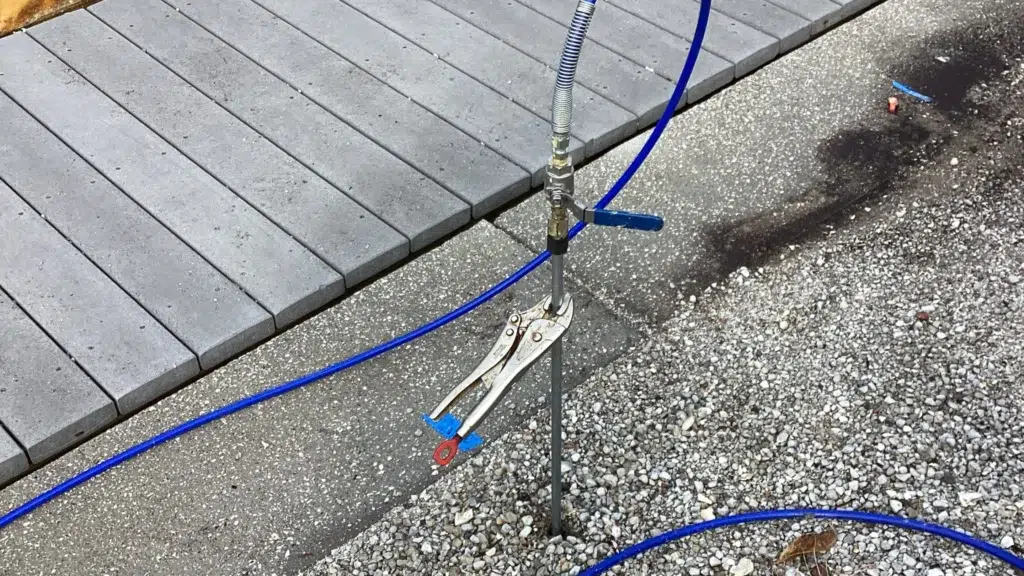
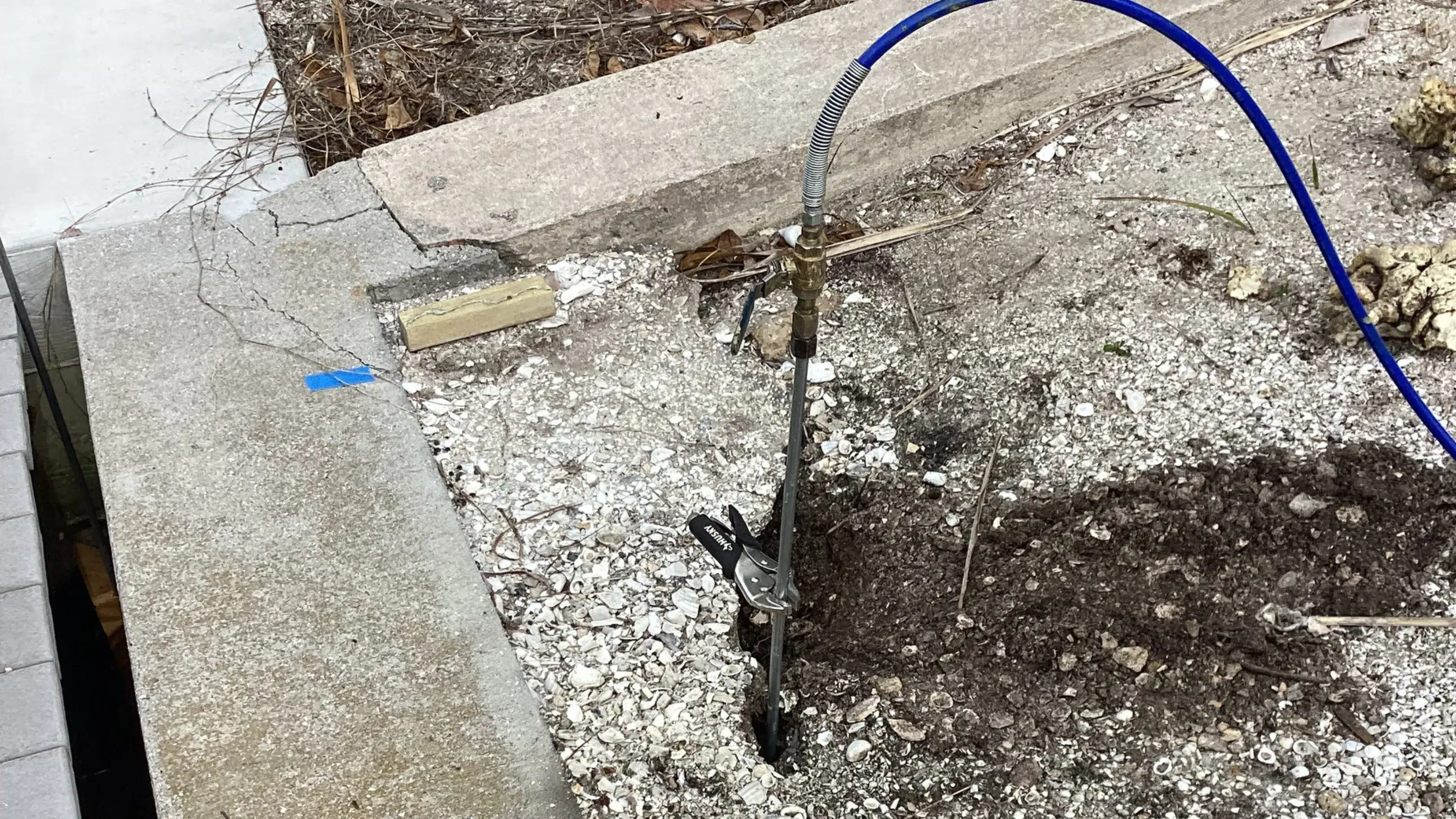
Services: One-Part Permeation Injections, hydrostatic pressure relief with JET Filters
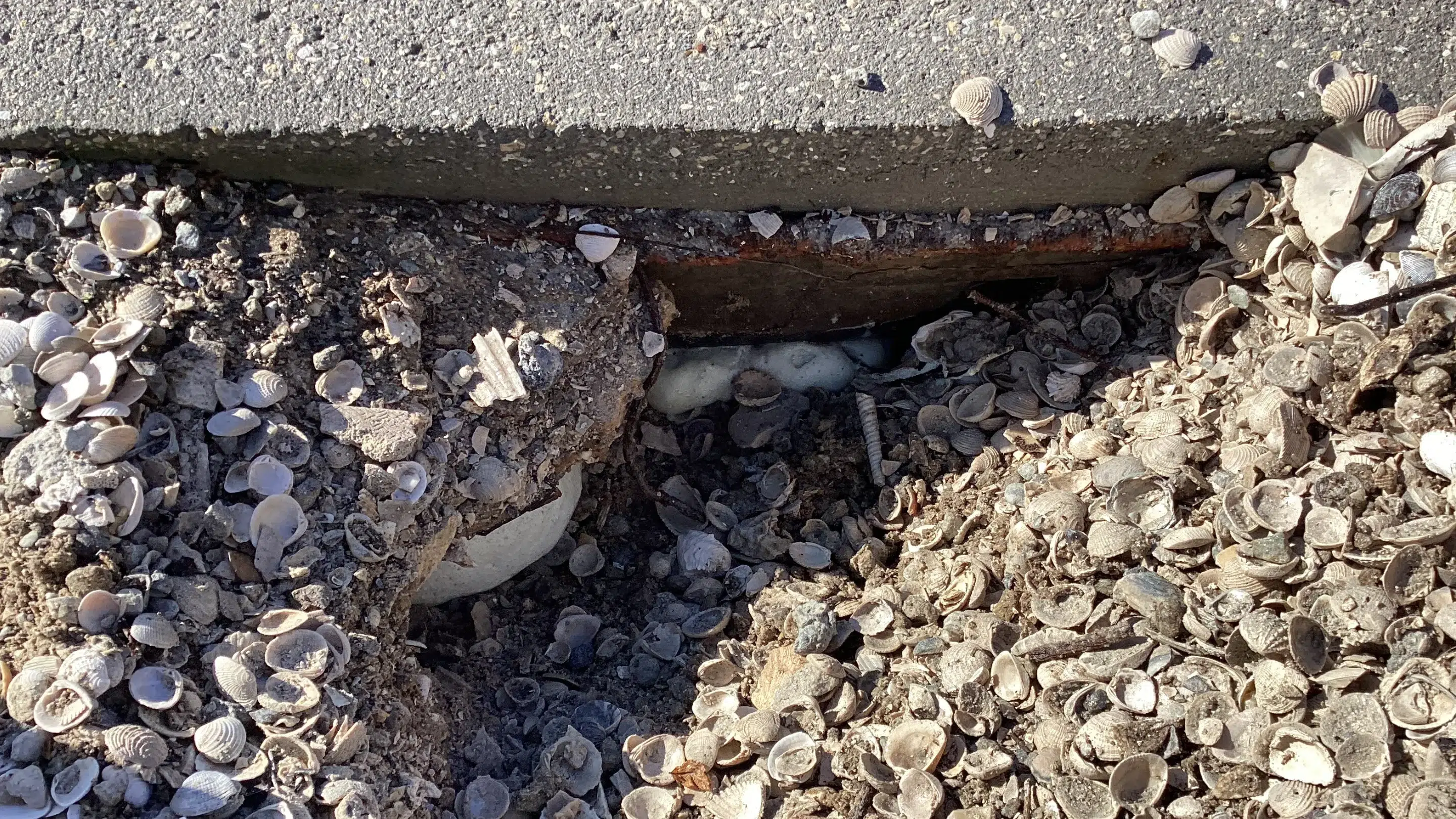
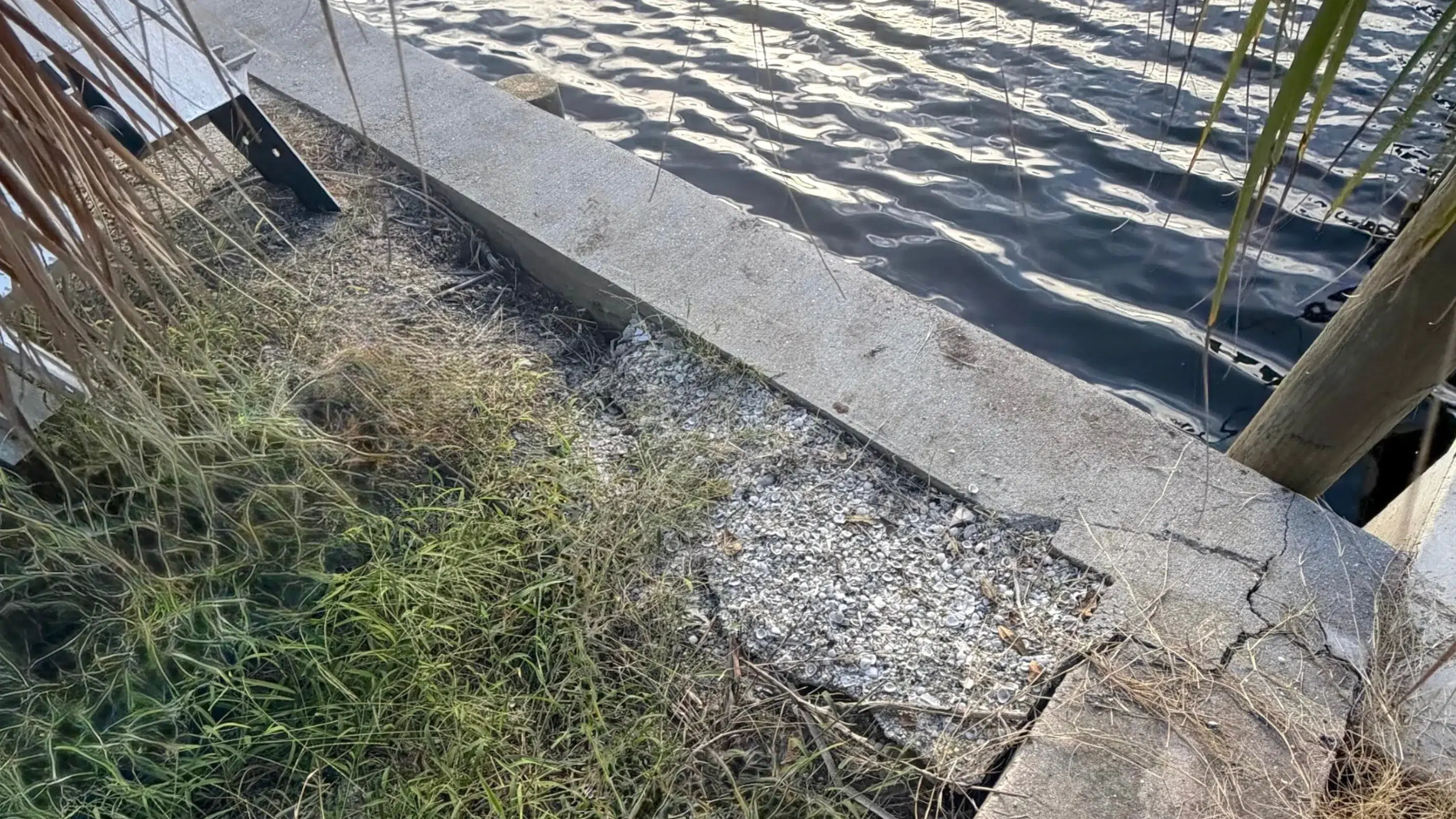
The homeowner contacted Helicon after seeing growing signs of instability behind the seawall. The issue was not limited to a single low spot. Instead, the property was experiencing major soil loss and multiple depressions along the shoreline edge behind the wall. In practical terms, that meant the seawall was no longer reliably holding the retained-side soils. Material was being lost, support was diminishing, and visible changes in grade were beginning to affect both the property’s appearance and long-term safety.
Like many waterfront owners, the customer understood that surface work alone would not fix the problem. Simply adding fill dirt to low spots or reshaping the yard would only cover the symptoms temporarily if the pathways behind the seawall remained open. The soil would continue migrating, the depressions would return, and the risk to the wall would remain.
That is why this project had to begin with stabilization.
A seawall may still look mostly serviceable from the water side while the retained soils behind it are already deteriorating. That is one of the reasons seawall issues can be deceptive. Homeowners often notice the yard depressions first, but those depressions are usually just the visible result of a deeper support problem.
When soil begins moving through or around a seawall system, several things can happen over time:
In other words, once soil loss begins, the wall is no longer working under the conditions it was meant to resist. The retained-side mass behind it becomes less stable, and the structure must fight increasing pressure with less reliable support.
That is why proactive seawall repair is so valuable. The right repair does not just hide the depression. It improves the conditions causing the depression in the first place.
The field summary for this project identifies the core concern clearly: the team’s biggest challenge was the worry of being able to stabilize the entirety of the seawall since it was so large. While 130 feet is not among the longest seawalls Helicon treats, it is still substantial in a residential setting—especially when the issue is not isolated to one small repair point.
Because the homeowner reported major soil loss and depressions behind the seawall, the repair could not be approached like a simple patch. The stabilization effort had to treat the wall as a system. Even if one section appeared worse than another, the whole 130-foot run had to be considered in the design and execution of the repair.
The owner wanted to eliminate further soil loss, depressions, and damage behind the seawall. That meant Helicon had to focus on the mechanisms causing the movement—not just the final appearance. Cosmetic work would happen later, after stabilization, which was the correct sequence.
Another important challenge with waterfront walls is that soil loss rarely happens in isolation from water pressure. If water continues collecting behind the wall without appropriate relief, the wall can remain vulnerable even after voids are filled. That is why this project ultimately included JET filters after the grouting work was complete.
Because this was a residential waterfront property, the homeowner wanted to move forward with confidence—not just for the moment, but for future use and ownership. A successful repair had to give him more than a smoother yard line. It had to reduce the likelihood that the same depressions would continue reappearing or that the seawall would head toward more serious failure.
Helicon selected one-part permeation grout as the primary repair method because it was well-suited to stabilizing the soils behind the existing seawall without requiring immediate wall replacement.
Permeation grout works well in seawall applications because it can move into loosened and voided soil zones behind the wall and help improve the retained-side condition. In a case like this, that means it can:
For this Boca Grande property, that approach made sense. The owner needed a targeted, practical seawall repair that would address the current damage and reduce the risk of future deterioration.
To complete the repair, Helicon used:
This grout was applied specifically to stabilize and secure the seawall and improve the soils behind it. The goal was not merely to make the yard look better. The goal was to create a stronger support condition behind the entire 130-foot wall.
The homeowner planned to complete cosmetic work to fill the visible depressions following the stabilization. This is the right order of operations in seawall repair:
That sequence protects the value of the cosmetic work and reduces the chance that the depressions will simply reopen.
After the grout work was completed, 13 JET filters were installed to help relieve hydrostatic pressure behind the wall and help prevent future collapse.
This was a critical part of the overall repair strategy. Even when soils are stabilized, seawalls still need a way to manage retained-side water pressure over time. If that pressure is allowed to build, the wall remains at risk for continued distress.
JET filters help by:
This combination—soil stabilization with grout plus hydrostatic relief through JET filters—created a more complete seawall repair system than either component would have delivered on its own.
Once the work was complete, the property had a significantly improved support condition behind the wall and a more secure shoreline edge overall.
As the project notes state, the homeowner no longer has to worry about troublesome voids or a wall collapse. While every waterfront structure still requires observation and maintenance over time, this repair meaningfully changed the risk profile of the property.
One of the biggest mistakes waterfront owners make is waiting until the wall itself is visibly failing. By then, repair options are often more invasive and more expensive. Depressions behind a seawall are one of the best early warnings a homeowner can get.
This Boca Grande project shows why acting early is so important:
From both a safety and property-value standpoint, that is a much better outcome than waiting for a crisis.
Helicon is Florida’s trusted expert in seawall repair, soil stabilization, foundation repair, concrete lifting, and sinkhole remediation. We serve homeowners across Boca Grande, Lee County, and coastal Florida, delivering engineered repair solutions that protect property from the shoreline to the slab.
If you are seeing depressions, soil washout, or movement behind your seawall in Boca Grande, Bonita Springs, or Southwest Florida, Helicon can help. Our team provides targeted seawall repair and soil stabilization solutions designed to protect waterfront properties before small problems become major structural failures.
Call 844-HELICON today to schedule your free inspection and learn how permeation grout and pressure-relief systems can strengthen your shoreline.
FREE INSPECTION REQUEST