Direct Answer
Yes. Many foundation problems can be repaired without tearing out large portions of the home.
Modern foundation repair is often targeted rather than destructive. Depending on what is moving and why, repairs may be performed from the exterior, through localized access areas, or through small injection points in concrete.
For example:
- Foundation piers may be installed at selected locations along an affected foundation wall rather than excavating the entire perimeter.
- Polyurethane soil stabilization can treat weak shallow soils through relatively small injection points.
- Structural polyurethane can sometimes be used to fill voids and restore support beneath a repairable slab without removing the entire slab.
- Settled driveways, sidewalks, patios, pool decks, garage floors, and some interior slabs may sometimes be lifted instead of demolished and replaced.
- Water, drainage, erosion, or plumbing problems may sometimes be corrected without rebuilding the foundation itself.
Some projects still require concrete removal, excavation, flooring access, landscaping disturbance, or other temporary demolition.
The goal should be the least invasive repair that properly addresses the movement—not the least invasive repair at any cost and not unnecessary demolition.
Homeowner Tip: Before assuming your home needs to be torn apart, determine what is actually moving, what caused the loss of support, and where access is truly needed.
For a broader overview of foundation problems and repair methods, see our Florida homeowner guide.
Read more: Foundation Problems in Florida: The Complete Homeowner Guide
Foundation Repair Usually Does Not Mean Rebuilding the House
The phrase foundation repair can sound much more destructive than many repairs actually are.
Homeowners may imagine entire floors being removed, long trenches around the house, extensive wall demolition, or weeks of reconstruction.
Many repairs are much more localized.
If settlement affects one section of a foundation, work may be concentrated there. If a slab has lost support, the repair may be performed through selected injection points. If shallow soils are weak, they may sometimes be treated without digging them out.
The right amount of access depends on the problem.
That is why diagnosis comes before demolition.
Read more: What a Foundation Inspection Looks Like
What Does “Minimally Invasive Foundation Repair” Mean?
Minimally invasive does not mean no digging, drilling, noise, or disruption.
It means limiting the disruption to what is reasonably necessary to perform the repair correctly.
| Condition | Possible Repair Approach | Typical Type of Access |
| Localized perimeter foundation settlement | Push, helical, or other foundation piers | Excavation at individual support locations |
| Weak shallow soils near foundation | Polyurethane soil stabilization | Small injection locations |
| Voids beneath concrete slab | Structural polyurethane void filling | Small holes through slab |
| Settled driveway, sidewalk, patio, or pool deck | Polyurethane concrete lifting | Small injection holes |
| Interior slab settlement | Slab lifting, void filling, or soil stabilization when appropriate | Selected interior access points |
| Water-related erosion or washout | Correct water source plus restore support | Depends on source and affected area |
| Extensive structural deterioration | Structural repair or replacement | May require larger access or demolition |
A minimally invasive repair is only valuable when it properly addresses the condition.
The least disruptive option is not automatically the best option.
1. Foundation Piers Usually Require Targeted Excavation
When deeper foundation settlement requires underpinning, piers may be installed at selected locations along the affected foundation.
Depending on the system and property, these may include:
- Push piers
- Helical piers
- Drilled piers
- Other engineered deep-foundation systems
Installation typically requires access to the footing or foundation at each proposed support location.
That usually means individual excavation points rather than a continuous trench around the entire home. The size of each access area depends on the foundation, pier system, equipment, depth, and site conditions.
After access is created, the support system is installed and connected to the affected foundation area. The excavated areas are then backfilled and restored according to the project scope.
Depending on location, crews may temporarily disturb:
- Soil
- Mulch
- Landscaping
- Pavers
- Concrete
- Irrigation
- Decorative finishes
If a pier is beneath a driveway, patio, garage, or other hard surface, additional access may be required.
Ask:
“Where will each pier be installed, and what has to be removed to reach it?”
The contractor should be able to show you the repair locations before work begins.
Read more: Foundation Repair
2. Polyurethane Soil Stabilization Can Reduce the Need for Excavation
Some foundation problems involve weak or loose shallow soils rather than a need for deeper structural support.
In appropriate conditions, polyurethane soil stabilization can be injected into the ground through relatively small access points.
The material expands within the treated soil zone, helping improve support and fill small voids without requiring large areas of soil to be excavated and replaced.
This can reduce disruption, but polyurethane is not a substitute for every foundation repair.
If deeper support is required, piers or another underpinning system may be more appropriate.
Some properties may require both deeper foundation support and treatment of shallow soils.
The repair should be selected based on what the structure and supporting soils actually need.
Read more: Polyurethane Soil Stabilization
Read more: How Florida Soil Affects Foundations
3. Voids Beneath Concrete Can Often Be Filled Without Removing the Slab
Slabs may become unsupported when voids develop because of:
- Poor compaction
- Soil settlement
- Water erosion
- Washout
- Plumbing or irrigation leaks
- Loss of fill
If the concrete is still in repairable condition, structural polyurethane may sometimes be injected beneath the slab through small drilled holes.
The expanding material can fill voids and restore support without breaking up and replacing the entire slab.
Void filling and slab lifting are related, but they are not the same repair objective. A slab may need additional support beneath it without needing significant lifting.
That can avoid the additional steps of demolition, hauling away concrete, rebuilding the subgrade, repouring the slab, and waiting for replacement concrete to cure.
However, not every slab should be preserved.
Concrete that is severely broken, deteriorated, too thin, poorly constructed, or otherwise unsuitable for repair may still need replacement.
The goal is not to save concrete at all costs. It is to avoid unnecessary replacement when the existing slab can reasonably be supported.
Read more: Voids Under Concrete Slabs: What Causes Them and How to Fix Them
4. Settled Concrete Can Sometimes Be Lifted Instead of Replaced
Driveways, sidewalks, pool decks, patios, garage floors, and other slabs may sometimes be lifted with expanding polyurethane.
Small holes are drilled through the concrete, and material is injected beneath the slab to fill voids and help raise settled sections.
Possible applications include:
- Driveways
- Sidewalks
- Patios
- Pool decks
- Garage floors
- Some interior slabs
The slab still needs to be suitable for lifting.
If concrete is extensively cracked, deteriorated, too thin, or structurally unsuitable, replacement may make more sense.
The right question is not:
“Can this slab technically be lifted?”
It is:
“Is lifting the best use of the existing slab?”
Read more: Concrete Lifting
Read more: Concrete Lifting vs Concrete Replacement
5. Interior Repairs May Require More Access
Interior foundation or slab work can require more disruption because the repair location may be beneath finished flooring or interior concrete.
Depending on the problem, localized access may be needed through:
- Tile
- Carpet
- Flooring
- Concrete slab
- Garage floor
- Interior finishes
Supporting an interior slab may require selected injection points rather than removal of the entire floor.
An interior structural support location may require more substantial access, depending on the foundation design and repair system.
Before work begins, ask:
- Where is access required?
- How large will the access areas be?
- Which finishes need to be removed?
- Who removes them?
- Who restores them?
- Is matching flooring included?
- Can the area be reached another way?
These responsibilities should be clear in the proposal.
Read more: Interior Slab Settlement: Causes, Signs, and Repair Options
6. Sometimes the Real Problem Is Water
Not every foundation symptom requires underpinning.
Water can contribute to erosion, washout, voids, and loss of soil support.
Possible sources include:
- Roof runoff
- Poor grading
- Downspouts
- Plumbing leaks
- Irrigation leaks
- Stormwater problems
- Water concentrating near the foundation
If water is causing or worsening soil loss, correcting that source may be part of the overall repair plan.
That may require drainage or plumbing work rather than—or in addition to—foundation support.
Fixing the foundation without correcting an active source of soil loss can leave the underlying problem unresolved.
Read more: Drainage Problems and Foundation Settlement in Florida
7. Foundation Repair Does Not Mean Every Cosmetic Finish Must Be Removed
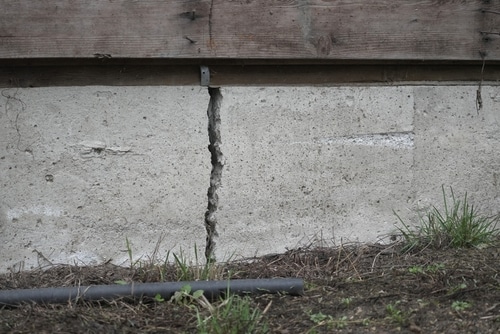
Foundation movement can create:
- Drywall cracks
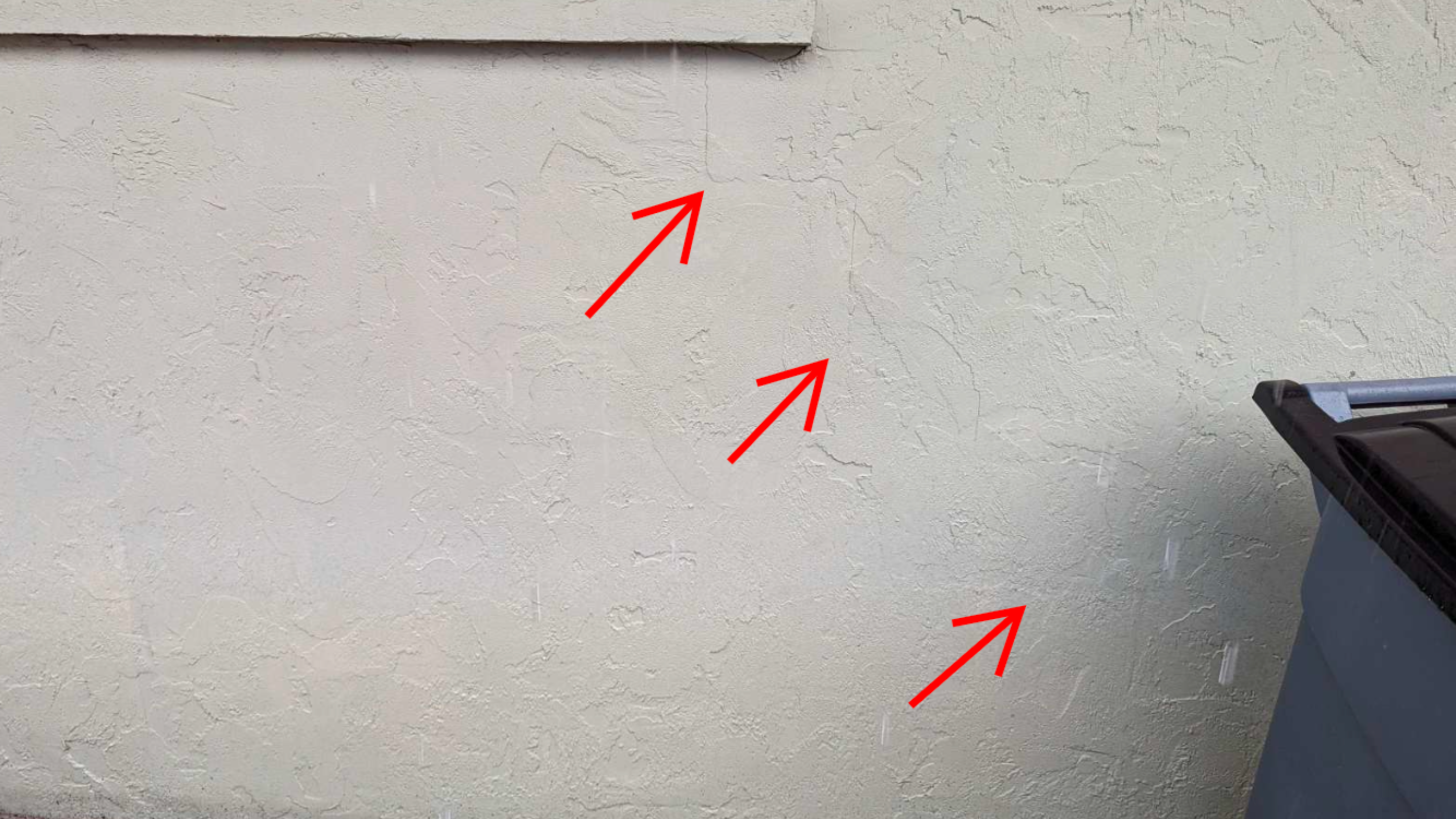
- Stucco cracks
- Tile cracks
- Gaps
- Trim separation
- Sticking doors
- Misaligned windows
Those finishes do not necessarily need to be removed before foundation repair.
In many cases, it makes sense to address the underlying movement first and then determine which cosmetic repairs remain necessary.
Repairing drywall or stucco while movement is still active can result in the damage recurring.
Also remember that foundation stabilization does not automatically include repairing every cosmetic symptom.
Ask which finish repairs are included and which will need to be completed separately.
Read more: How to Tell If Foundation Cracks Are Serious or Cosmetic
When Is More Invasive Foundation Repair Necessary? When Is More Invasive Foundation Repair Necessary?
More extensive access may be appropriate when:
- Structural components are severely deteriorated
- Concrete is too damaged to repair
- Interior structural locations cannot be reached another way
- Existing construction blocks access
- Plumbing or utilities require repair
- Major soil loss or voids require additional investigation
- The repair design requires larger excavation
- Part of the structure needs reconstruction rather than stabilization
The contractor should be able to explain why the added access or demolition is necessary.
A more invasive repair is not automatically excessive.
A less invasive repair is not automatically better.
The correct repair is the one that properly addresses the problem while minimizing unnecessary disturbance.
Checklist: Questions to Ask About Access and Demolition
Before approving the repair, ask:
Repair Area
- Which areas actually need repair?
- Can you show me the locations on a drawing?
- Why are those areas included?
Access
- Where will crews excavate?
- Will concrete need to be cut or removed?
- Will interior flooring need to be removed?
- Will landscaping or irrigation be disturbed?
- Can any locations be accessed another way?
Restoration
- Who replaces removed concrete?
- Who resets pavers?
- Who repairs irrigation or landscaping?
- Who restores flooring or finishes?
- Are those costs included?
Expectations
- How long will access areas remain open?
- Can I stay in the home?
- What noise, vibration, dust, or equipment should I expect?
- What will the area look like when the project is finished?
These questions can prevent misunderstandings before construction begins.
How Much Disruption Should I Expect?
The exact amount depends on the property, but the general differences are useful to understand.
| Repair Type | Typical Disturbance | What May Need Access |
| Exterior foundation piers | Localized excavation | Individual foundation support points |
| Interior foundation support | Moderate to more substantial localized access | Flooring, slab, or interior support area |
| Polyurethane soil stabilization | Relatively small injection locations | Soil treatment zones |
| Polyurethane void filling | Small slab injection holes | Areas above or near voids |
| Concrete lifting | Small injection holes | Settled slab |
| Compaction grouting | Targeted drilled injection locations with equipment access | Areas requiring deeper soil improvement or densification |
| Drainage or plumbing correction | Varies | Water source, piping, grading, or drainage path |
| Concrete replacement | More disruptive | Existing slab removal and reconstruction |
“Less disruptive” should never be confused with “appropriate for every condition.”
The diagnosis should determine the repair method.
What If a Contractor Says My Entire Floor or Patio Must Be Removed?
Ask why.
The answer may be completely reasonable.
Concrete may be severely cracked, deteriorated, poorly constructed, too thin, or unsuitable for controlled lifting. It may also need to be temporarily removed because it blocks access to structural work beneath it.
Those are different situations.
Ask:
- Is the slab itself beyond repair?
- Is removal needed only for access?
- Can partial removal work?
- Were lifting, void filling, or other approaches considered?
The goal is not to argue against demolition.
It is to understand why it is required.
What If One Contractor Wants to Tear Out More Than Another?
Different contractors may propose different levels of access because they disagree about the problem, repair method, or affected area.
One may recommend replacing a slab while another recommends lifting it. One may propose extensive access along a wall while another plans individual excavation points.
Ask each contractor:
“What condition makes this level of access or demolition necessary?”
Then compare:
- Diagnosis
- Repair objective
- Existing material condition
- Access requirements
- Restoration
- Total project cost
The less invasive proposal is not automatically better.
Normalize the scope first. Compare the price and disruption second.
Read more: Why Is One Foundation Repair Quote Much Higher Than Another?
What Homeowners Should Not Do
Do not choose a repair solely because it promises:
“No digging.”
“No demolition.”
“No disruption.”
Those statements sound attractive, but the method still has to address the correct problem.
Also do not assume that any excavation means a contractor is proposing unnecessary work.
A better question is:
“Is this disruption necessary to accomplish the repair?”
How Helicon Approaches Minimally Invasive Foundation Repair
Helicon has worked with Florida foundations and soils since 2004.
Our more than 22 years of experience includes foundation underpinning, sinkhole repair, soil stabilization, concrete lifting, void filling, compaction grouting, and deep foundation systems.
That breadth gives our team more than one way to approach a support problem.
We Start With the Problem
We want to determine:
- What appears to be moving?
- Why is it moving?
- Which areas actually need support?
- Is the problem shallow, deeper, slab-related, water-related, or a combination?
- What access is genuinely required?
- What is the least invasive repair that properly addresses the movement?
If deeper support is required, piers may be appropriate.
If shallow soils need improvement, soil stabilization may make more sense.
If the problem is a void beneath a repairable slab, structural polyurethane may avoid unnecessary concrete replacement.
And sometimes correcting water, replacing damaged material, or creating additional access is the appropriate answer.
Value Engineering Includes Minimizing Unnecessary Disruption
For Helicon, value engineering means finding a practical repair that meets the objective while considering:
- Structural needs
- Soil conditions
- Access
- Existing improvements
- Construction difficulty
- Cost
- Long-term performance
- Property disruption
Helicon also works alongside engineers on complex foundation repair and soil stabilization projects where design and constructability need to work together.
The question is not:
“How little work can we do?”
It is:
“What is the least invasive repair that properly addresses the movement?”
Read more: About Helicon
Schedule a Free Foundation Inspection
If you are concerned that foundation repair will mean tearing apart your home, start by determining what actually needs repair.
Helicon can evaluate the symptoms, foundation, surrounding soils, floor elevations when appropriate, drainage, exterior settlement, and other relevant conditions.
We can explain:
- What appears to be moving
- What may be causing it
- Which areas may need repair
- What access would be required
- Which options may minimize unnecessary disruption
The goal is not to tear out more than necessary.
It is to repair the support problem correctly while protecting as much of the existing property as reasonably possible.
Click Here to Get Started
FAQ
Can foundation repair be done without tearing up my floors?
Often, yes, especially when repairs can be performed from the exterior. Interior foundation or slab work may require localized access depending on the problem.
Do foundation piers require digging up the entire foundation?
Usually not. Piers are generally installed at selected support locations along affected areas rather than by excavating the entire perimeter.
Can a sinking concrete slab be repaired without replacing it?
Sometimes. If the slab is still suitable for repair, polyurethane lifting or void filling may restore support without full replacement.
Can foundation soil be stabilized without excavation?
In appropriate conditions, polyurethane soil stabilization can improve weak shallow soils through injection rather than large-scale excavation.
Will foundation repair damage my landscaping?
Some landscaping may need to be temporarily disturbed near repair locations. Ask what access is required and what restoration is included.
Will my driveway or patio need to be removed?
Not necessarily. Removal depends on the slab’s condition and whether it blocks access to required repair work.
Can I stay in my house during foundation repair?
Many homeowners can, but it depends on the repair scope, safety conditions, interior access, utilities, and project requirements.
Does foundation repair fix drywall and stucco cracks?
Foundation repair addresses the underlying support or movement problem. Cosmetic finishes often need separate repair afterward.
Is the least invasive repair always best?
No. It is only the best choice when it properly addresses the underlying condition.
How do I know whether concrete should be lifted or replaced?
The decision depends on the concrete’s condition, cracking, thickness, support, settlement pattern, and repair objective.
Why would one contractor recommend more demolition?
The contractors may disagree about the diagnosis, method, affected area, or access requirements. Ask what specific condition makes the additional demolition necessary.
Can foundation repair really be minimally invasive?
Yes. Many repairs use targeted excavation or injection rather than large-scale demolition, but the amount of access depends on the problem.
What should I ask before work begins?
Ask where access is required, what will be removed, who restores it, what is included in the price, and whether less disruptive alternatives were considered.