
Longwood, FL
The Project
The Challenge
The Solution
FREE INSPECTION REQUEST

Market: Residential
Solution: Two-Part Structural Polyurethane Injections
Services: Soil Stabilization and Concrete Repair
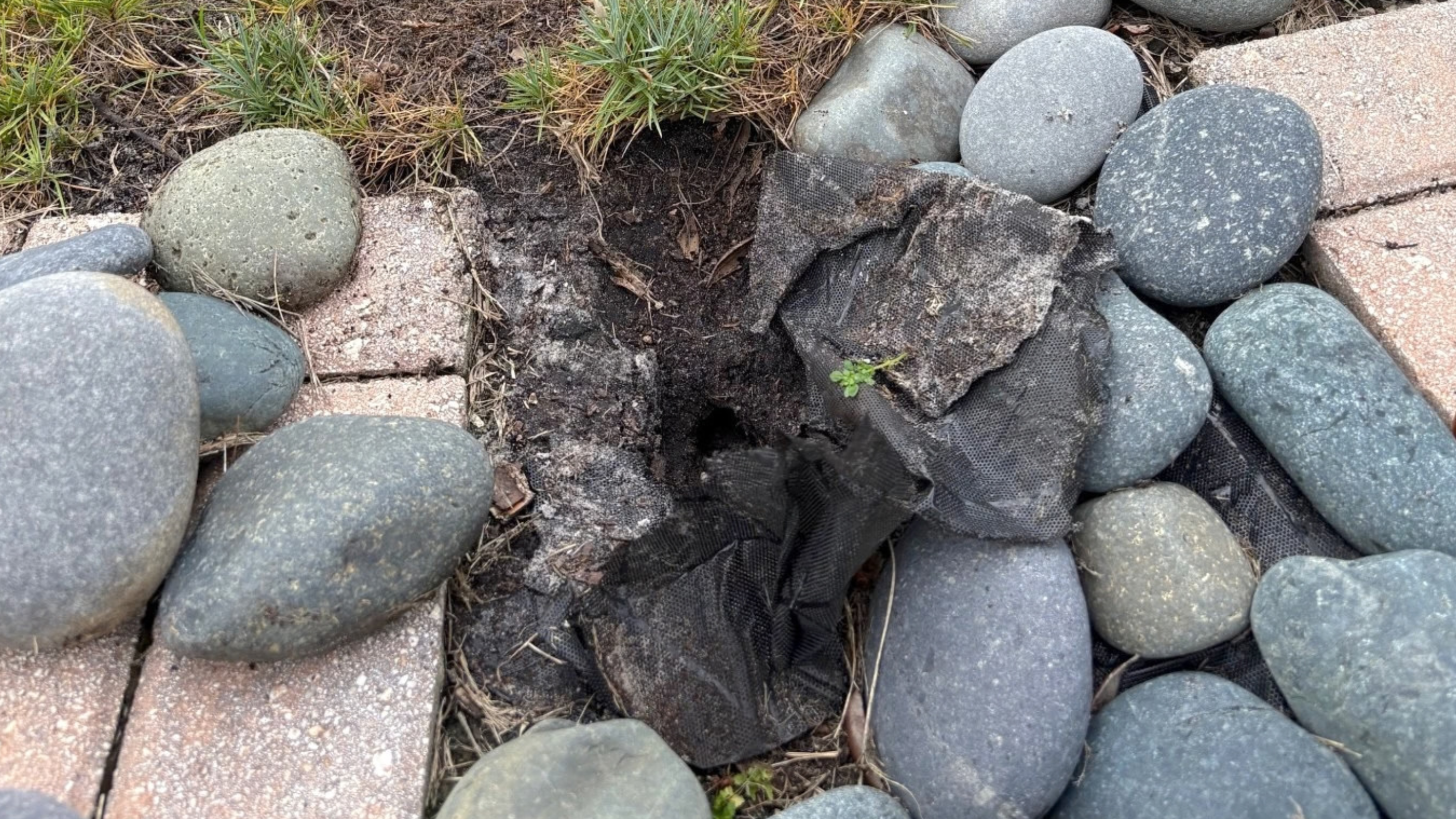
The project began when the homeowner’s drainage contractor identified several voids in the backyard near the pool.
Voids can develop when supporting soil migrates, erodes, settles, or otherwise loses continuity beneath the surface.
The homeowner wanted the empty or weakened areas filled and the surrounding soils densified to reduce the potential for additional washout.
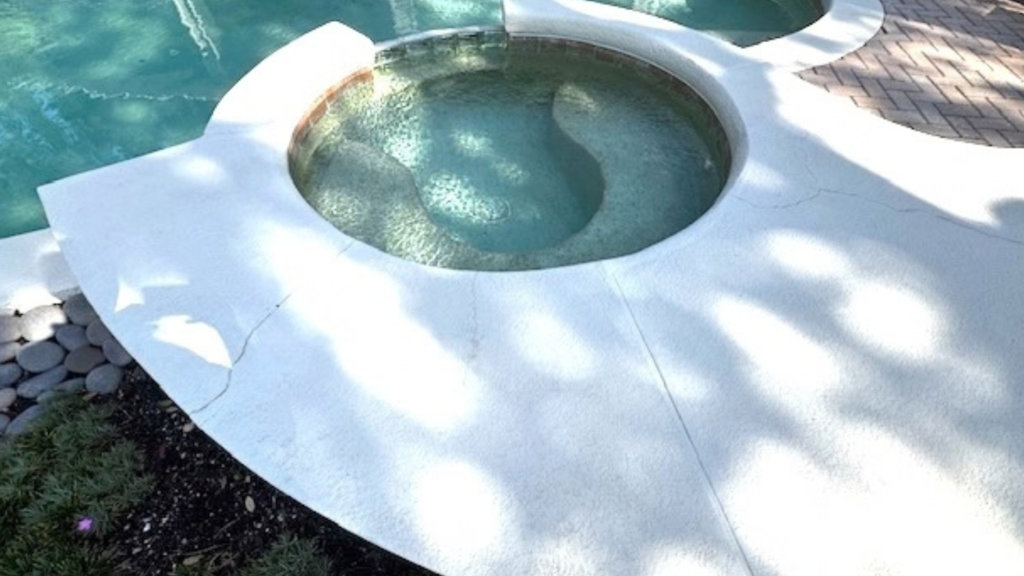
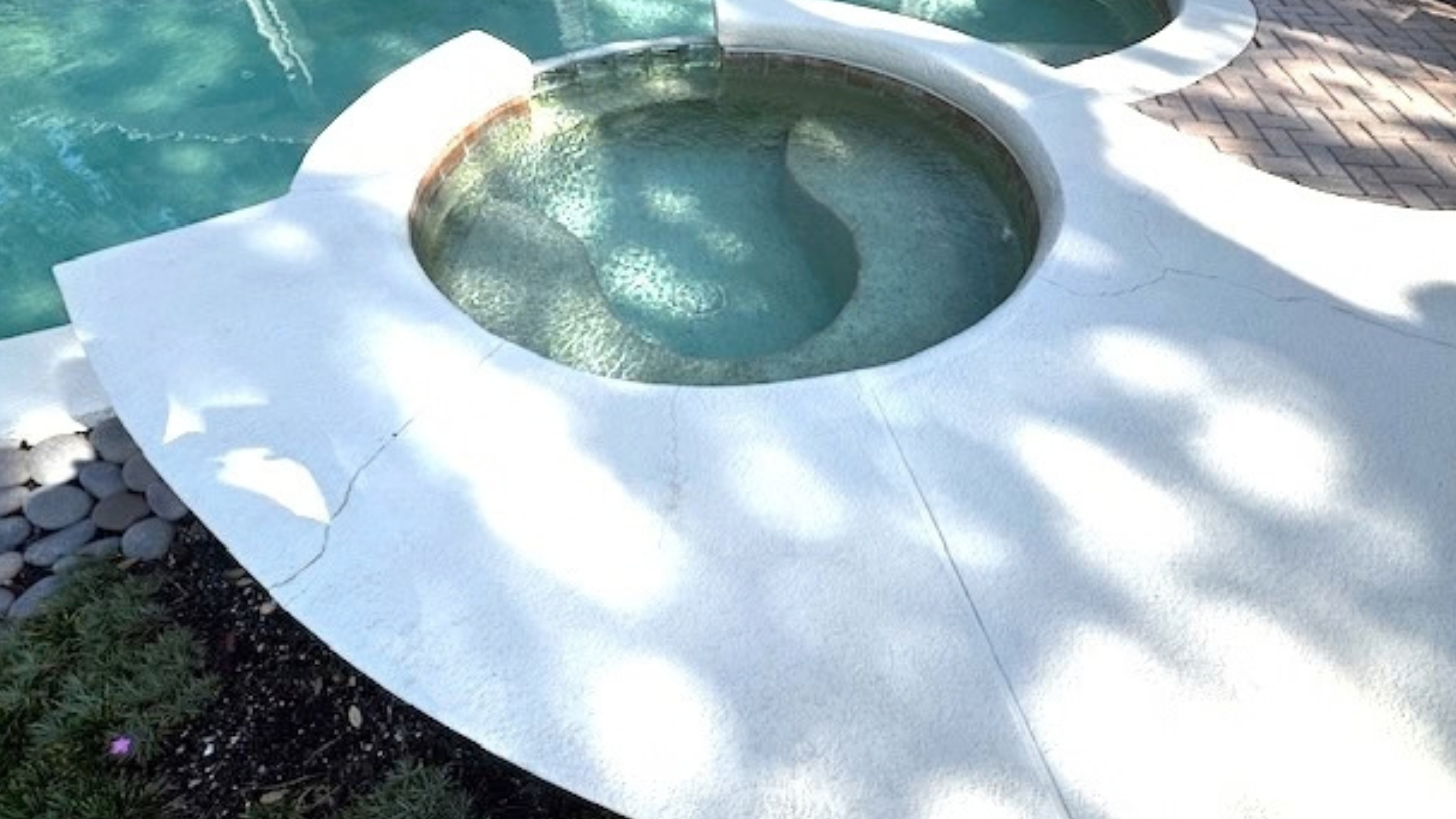
At the same time, the homeowner had another visible concern: the hot tub slab was sinking.
This made the project more than a simple backyard soil issue.
The repair needed to address:
That combination made structural polyurethane a practical fit for the project.
A backyard void may not always look dramatic from the surface.
In some cases, the lawn, landscaping, pavers, or nearby hardscape can conceal what is happening below grade.
But when support disappears beneath the surface, nearby improvements may eventually begin reacting to that loss.
Potential symptoms can include:
The Longwood homeowner acted before the condition could affect a larger portion of the property.
That timing was important. The goal was not simply to fill visible surface depressions. It was to improve the support within the affected soil zones.
The homeowner’s objective was to fill the voids and help reduce future washout by improving the density of the affected soils.
That made soil stabilization the central part of the repair.
A surface fill may replace missing volume, but it may not adequately strengthen or reinforce the surrounding weak areas.
Structural polyurethane can be introduced below grade through targeted injection points.
As the material reacts, it expands into accessible voids and weaker zones within the treatment area.
For this project, the injections were intended to:
The treatment focused on the support system beneath the surface rather than only changing how the yard looked.
The main project challenge involved access.
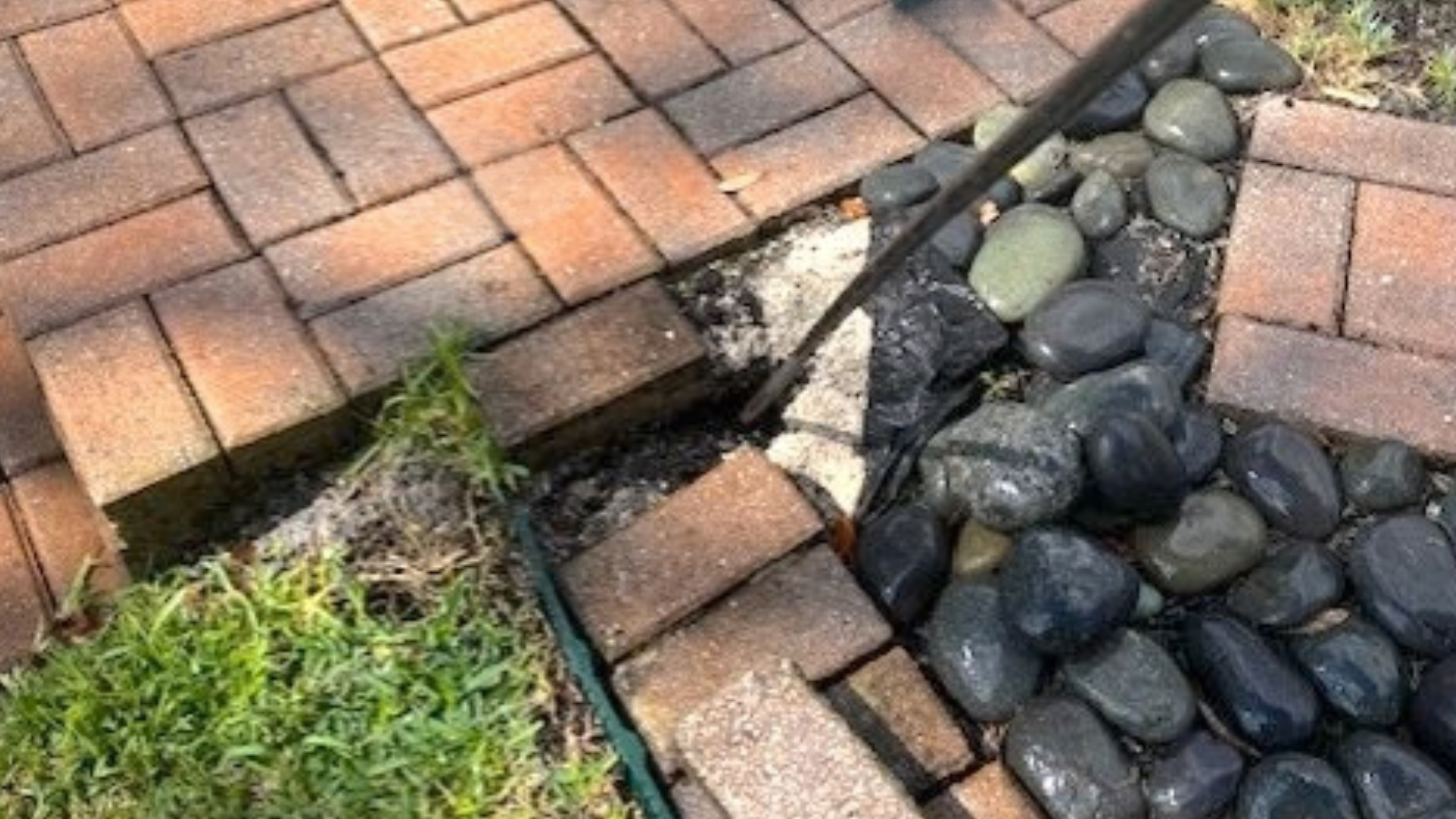
Of the 19 soil-injection points, 12 were located where pavers needed to be removed before the injections could be completed.
That added an extra step to the work. The production team could not simply drill every injection location through open soil.
Instead, the affected pavers first had to be carefully removed so the crew could access the treatment locations underneath.
Pavers are common around Florida pools and outdoor living areas.
They create an attractive finished surface, but they can complicate subsurface structural work because the repair still needs to reach the soil beneath them.
Proper sequencing becomes important:
This project required that process at 12 separate locations.
The pavers did not change the repair objective, but they did make careful access and staging more important.
Helicon completed the soil portion of the repair using:
These injections were distributed throughout the designated treatment areas.
The purpose of the injections was to improve soil support where voids and weakened areas had been identified.
The polyurethane treatment helped create a stronger subsurface condition without requiring broad excavation across the backyard.
Structural polyurethane provided several practical advantages.
The voids were located in specific areas.
The injection approach allowed Helicon to focus on those locations rather than excavating the entire yard.
Although some pavers needed to be removed, the repair did not require large-scale demolition of the backyard.
The expanding material could enter accessible spaces within the treatment zone and improve continuity in areas that had lost support.
The injections were intended not only to fill empty areas but also to help strengthen the surrounding treated zones.
These characteristics made the material a logical choice for the homeowner’s stabilization goals.
The second major concern was the hot tub slab.
A hot tub places a significant concentrated load on its supporting surface once it is filled with water and occupied.
When the slab beneath that load begins sinking, the concern is not only appearance.
Settlement can create:
The homeowner wanted Helicon to attempt to lift the slab back toward a better position if possible.
However, the homeowner also understood that lift could not be guaranteed.
That expectation was appropriate.
Helicon used approximately 13 pounds of structural polyurethane for one slab injection beneath the hot-tub slab.
This portion of the project can be viewed as a form of targeted concrete repair because the objective was to improve the support beneath the existing slab rather than remove and replace the concrete.
The polyurethane was installed beneath the slab to:
The primary goal remained stabilization.
A successful concrete repair does not always require dramatic visible movement.
If the slab receives better support and the risk of continued settlement is reduced, the repair has created meaningful structural value.
The homeowner acted before the voids or slab settlement became more extensive.
That can be valuable for several reasons.
Early stabilization may help:
No structural repair contractor can guarantee that soils will never move again.
Rainfall, drainage conditions, leaks, erosion, vegetation, and other environmental factors can change over time.
However, addressing documented voids and settlement early can improve the property’s support condition and reduce the risk associated with leaving those areas untreated.
The project provided several key benefits:
The homeowner gained a stronger structural base around the pool area and hot tub without unnecessarily reconstructing the entire backyard.
Helicon helps Florida homeowners, property managers, contractors, and commercial clients address weak soils, sinking concrete, foundation settlement, seawall erosion, and other structural concerns.
Our team develops repair solutions based on the property, observed conditions, project requirements, and structural objectives—with a focus on addressing problems where they often begin: beneath the surface.
If you are seeing voids, washout, sinking pavers, settled slabs, or uneven concrete around your pool or backyard, replacing surface materials alone may not address the underlying support problem.
Helicon provides soil stabilization, concrete repair, structural polyurethane injection, slab stabilization, concrete lifting, foundation repair, seawall repair, and related structural services throughout Longwood, Seminole County, Central Florida, and communities across the state.
Call 844-HELICON to schedule a free inspection and learn which repair approach may be appropriate for your property.
FREE INSPECTION REQUEST