- Helicon
- 9
- Redington Beach Soil Stabilization: Structural Polyurethane Repairs a Flood-Damaged Back Porch
Redington Beach Soil Stabilization: Structural Polyurethane Repairs a Flood-Damaged Back Porch
Redington Beach, FL
Market: Residential
Solution: Two-Part Structural Polyurethane Injections
Services: Soil Stabilization
The Project
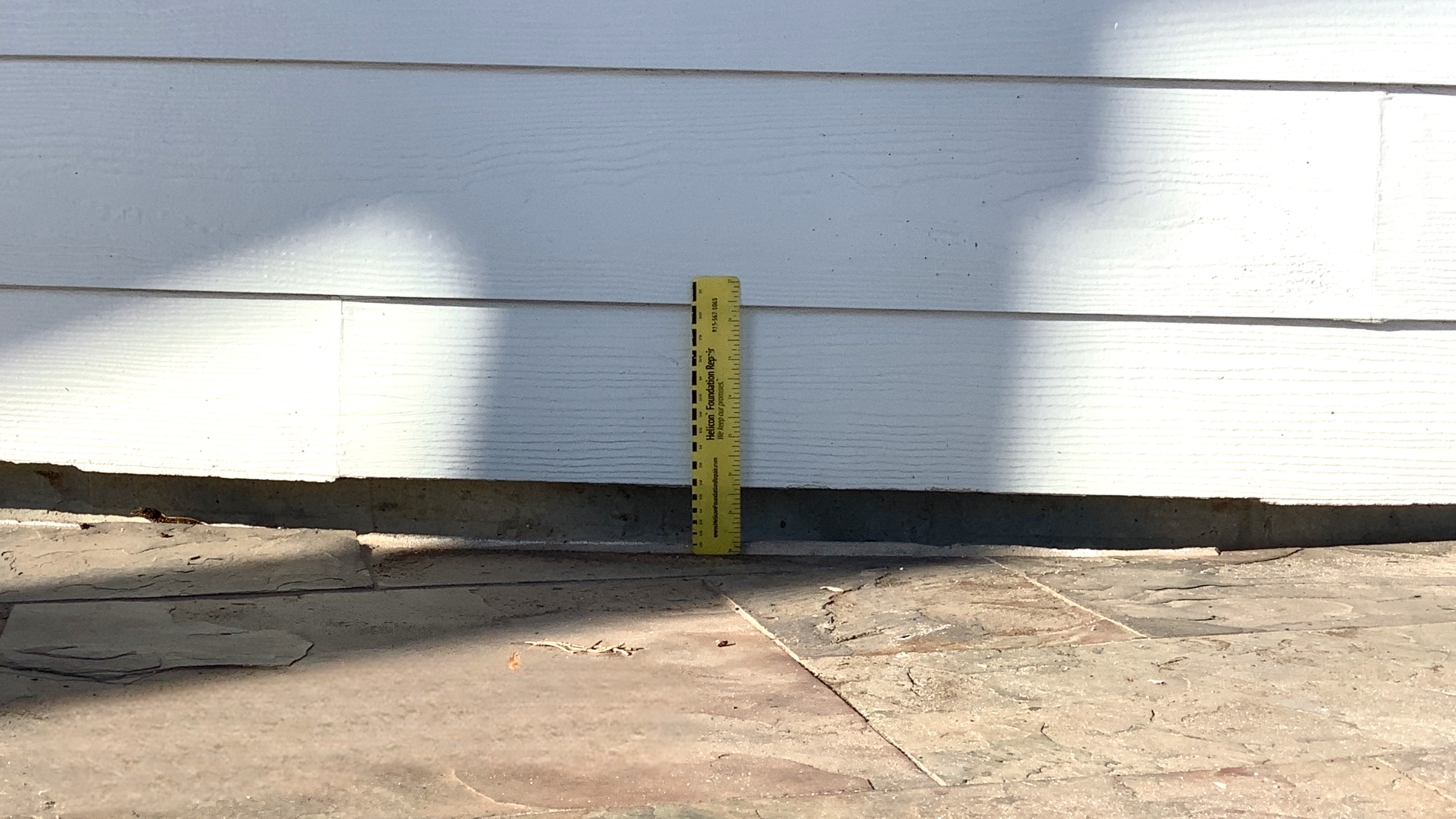
The property’s back porch had experienced significant flooding during the previous fall’s hurricanes. Water accumulated along the back of the home, affecting the porch area and the support conditions beneath it.
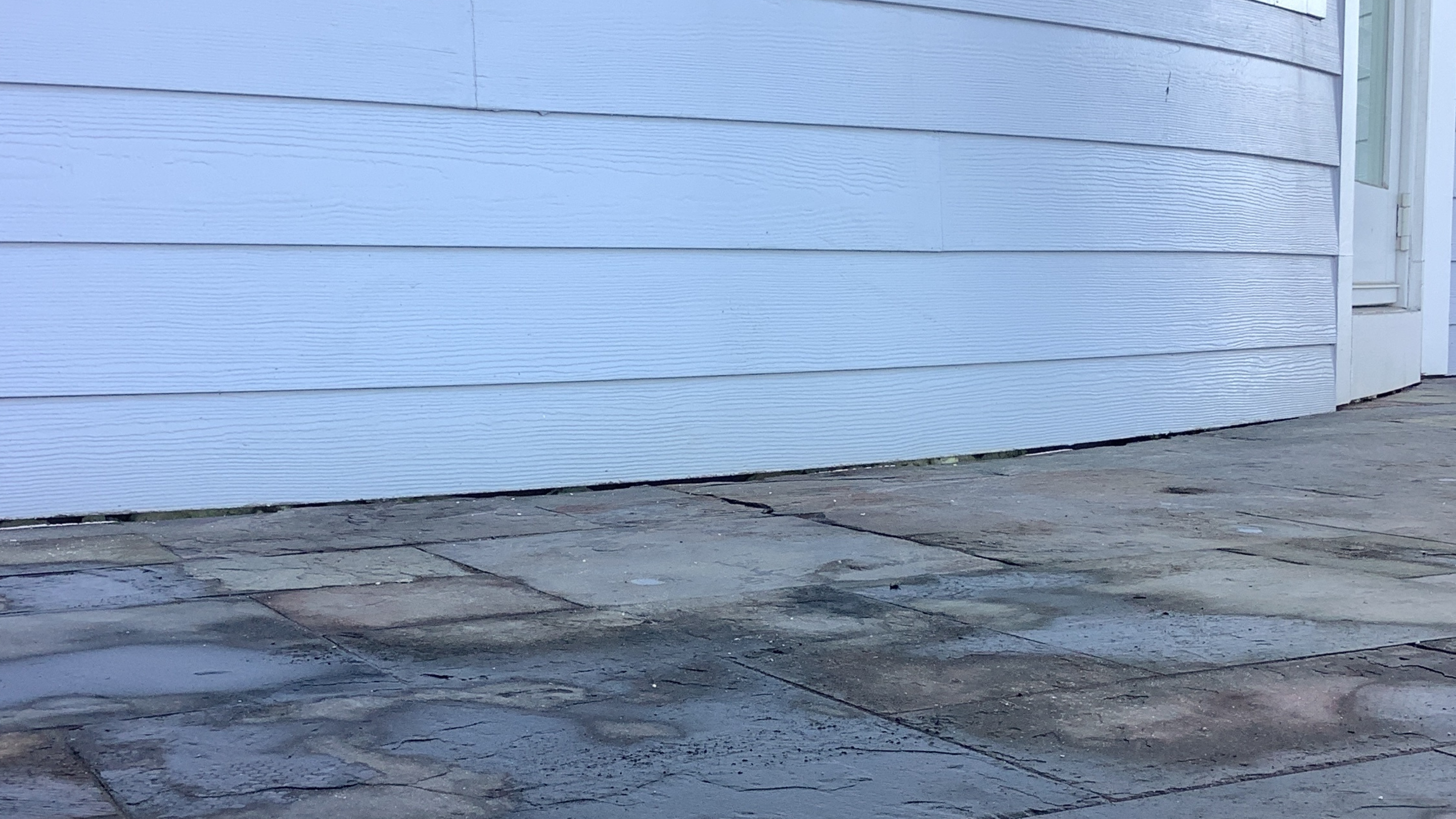
As the floodwater receded, the porch slab shifted and settled. The homeowner wanted to stabilize the affected area and attempt to lift the section of slab closest to the house toward its earlier position.
This was not simply a decorative concern. The porch settlement indicated that the material beneath the slab was no longer providing the same uniform support it had before the flooding. Even when a slab remains largely intact at the surface, support loss below it can lead to future movement, additional settlement, cracking, or separation from adjacent structural elements.
The homeowner responded appropriately by having an engineer evaluate the condition. Based on that assessment, the engineer recommended soil and slab injections from Helicon.
The repair objectives were:
- Stabilize the soils beneath and around the affected porch area.
- Improve support below the concrete slab.
- Attempt controlled lift of the section closest to the home.
- Prepare the porch for later cosmetic resurfacing.
- Reduce the likelihood of additional settlement in the treated areas.
The project therefore combined structural goals with practical finish considerations.
Why Hurricane Flooding Can Cause Porch Settlement
Flooding can affect a porch or exterior slab even when the concrete itself does not appear severely damaged.
During a major storm, water can enter weak zones around and beneath exterior concrete. Depending on the site conditions, that water may displace loose material, contribute to erosion, soften supporting soils, or create voids beneath the slab.
When the water drains or recedes, the slab may no longer have continuous support. One section can settle while another remains in place, creating an uneven surface or a visible change in elevation.
The back porch shifted and settled after the floodwater receded. That sequence suggested that the support conditions beneath the slab had changed during the storm event.
The visible slab movement was therefore only part of the problem. The more important issue was the loss or weakening of support beneath the porch.
That is where soil stabilization becomes important.
Instead of addressing only the surface elevation, a soil-stabilization program reinforces the treatment zones beneath the structure. This can improve the slab’s support condition and help reduce the potential for continued movement.
The Homeowner’s Decision-Making Process
The homeowner did not immediately approve the project. The decision took several months because the porch had a decorative slate surface.
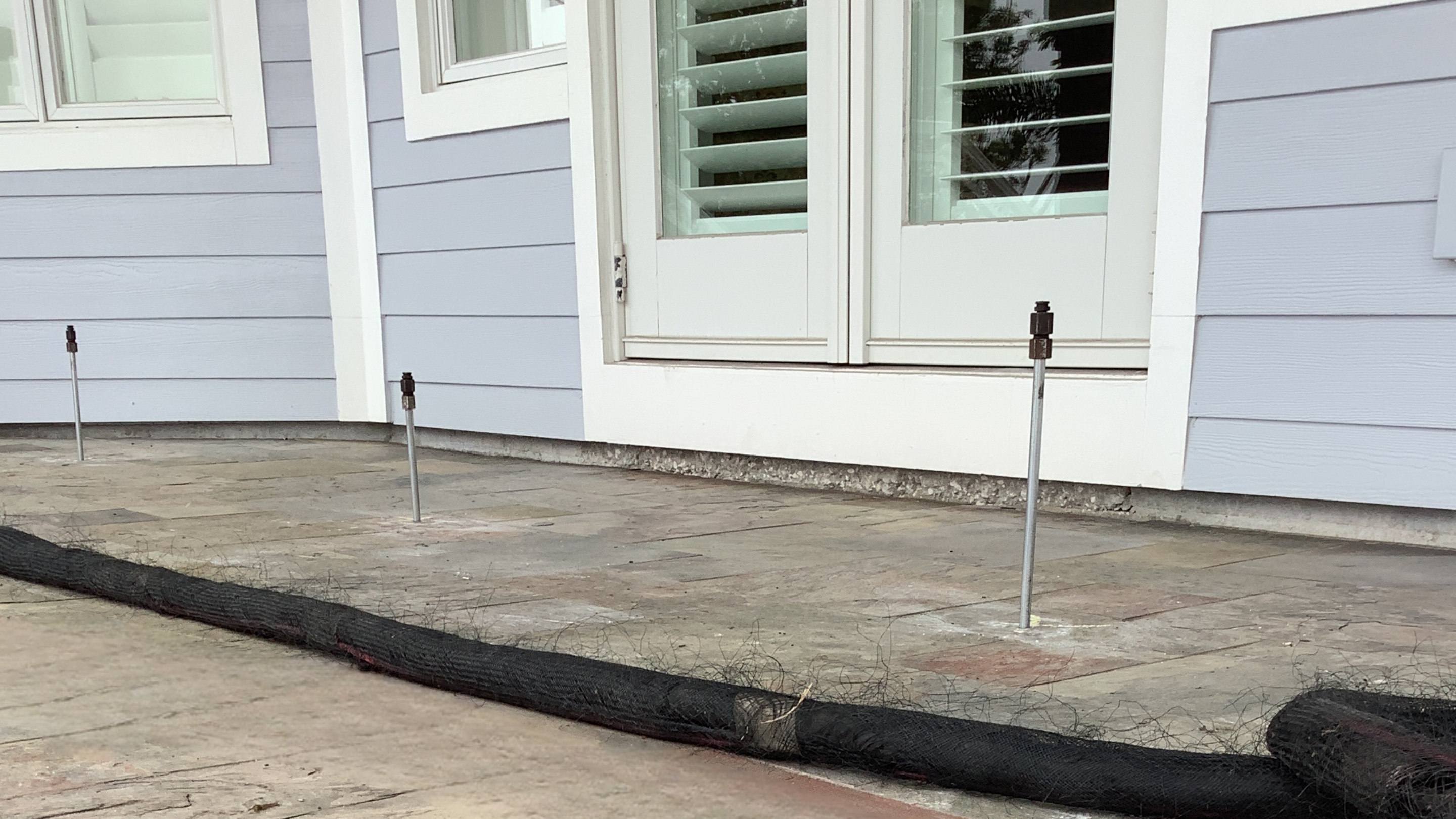
To perform the injections, Helicon’s production team would need to drill through the slate and the concrete slab below it. Those access points were necessary to deliver the polyurethane material beneath the porch.
The homeowner was concerned about how the slate would look after the structural repair. This was a reasonable concern because Helicon’s work would address the conditions beneath the slab, but the decorative finish would still require separate cosmetic restoration afterward.
Before moving forward, the homeowner located material that could be used to repair or resurface the drilled areas. Once that concern was resolved, the owner accepted the proposal and approved the stabilization work.
This planning sequence was important:
- Evaluate the structural problem.
- Determine the appropriate stabilization method.
- Understand how the structural work would affect the slate surface.
- Locate suitable material for later cosmetic repair.
- Complete the soil and slab injections.
- Restore the decorative finish after the structural work.
The homeowner made the right decision by completing the structural repair before repairing the slate. Reversing that sequence could have resulted in new cosmetic work being damaged by continued slab movement.
The Challenge
The primary field challenge was accessing the treatment areas through the existing slate-covered porch.
Drilling Through the Decorative Surface
The production team needed to drill through two layers:
- The slate surface covering the porch.
- The concrete slab beneath the slate.
These access points allowed the team to install the polyurethane material in the designated treatment zones.
Drilling through a finished surface requires careful coordination because the structural contractor and homeowner must have the same expectations. Helicon’s scope was to stabilize and support the slab. The homeowner would complete the cosmetic repairs afterward.
The customer understood this before work began and accepted the need for post-installation surface restoration.
Balancing Lift with Stabilization
The homeowner also wanted Helicon to attempt to lift the settled porch slab closest to the home.
Lift attempts require realistic expectations. The amount of movement that can be achieved depends on several factors, including:
- The condition and integrity of the concrete slab.
- The depth and extent of the settlement.
- The size and location of underlying voids.
- The way adjacent areas constrain the slab.
- The slab’s response as polyurethane is introduced.
For that reason, stabilization remained the primary goal. Lift would be attempted where the slab responded safely and appropriately, but the project’s structural value did not depend solely on achieving a specific elevation change.
A slab that receives improved support is more important than forcing movement beyond what the existing concrete can safely tolerate.
The Solution
Structural Polyurethane Soil and Slab Injections
Helicon used two-part structural polyurethane injections for both the soil and slab portions of the project.
The completed scope included:
- 740 pounds of polyurethane for soil injections
- 247 pounds of polyurethane for slab injections
The soil injections were used to improve stability within the designated treatment areas beneath and around the porch. The slab injections were used to restore support directly beneath the concrete and assist with controlled lift where feasible.
Soil-Injection Component
The soil-injection portion represented the larger share of the material used on the project.
The soil injections helped:
- Strengthen the treated areas beneath the porch.
- Improve stability around the affected slab.
- Reduce the potential for additional migration or settlement.
- Create better support for the slab above.
This was the most important structural component of the repair because it addressed conditions below the visible porch surface.
Slab-Injection Component
These injections were directed beneath the concrete to improve contact and support. They also supported the attempt to lift the settled section closest to the home.
The slab injections helped:
- Fill unsupported zones beneath the concrete.
- Improve the slab-bearing condition.
- Reduce movement in the treated areas.
- Assist with controlled elevation correction when the slab responded appropriately.
Together, the soil and slab injections created a more complete repair than either method would have provided alone.
Why Structural Polyurethane Was a Strategic Choice
Structural polyurethane was well suited to this project for several reasons.
Targeted Installation
The material could be installed through planned injection points rather than requiring broad removal of the slate porch and concrete slab.
Although the homeowner would still need to repair the drilled areas, the process avoided removing and reconstructing the entire porch.
Soil Stabilization and Slab Support
The project involved two related conditions: weakened support beneath the porch and settlement of the slab itself.
Using both soil and slab injections allowed Helicon to address these conditions as part of one coordinated repair plan.
Controlled Lift Capability
The homeowner wanted to attempt lift near the house. Structural polyurethane can be installed in a controlled manner while the slab’s response is monitored.
The primary objective remained stabilization, but the material also provided an opportunity for elevation improvement where conditions allowed.
Reduced Disruption
Compared with removing the full porch surface and rebuilding the slab, polyurethane injections offered a more targeted approach. This was especially important because the owner had already invested in a slate finish and wanted to preserve as much of the existing porch as practical.
Why Soil Stabilization Had to Come Before Resurfacing
The homeowner planned to repair or resurface the porch after Helicon completed the structural work.
That was the correct sequence.
If the slate had been restored before the slab and supporting areas were stabilized, future movement could have damaged the repaired surface. The homeowner might then have paid twice for the same cosmetic work.
A more strategic sequence is:
- Evaluate the settlement.
- Stabilize the affected support zones.
- Attempt lift where appropriate.
- Allow the structural work to be completed and documented.
- Repair the injection points.
- Restore or replace the decorative slate finish.
By completing the structural work first, the homeowner created a stronger base for the future surface repairs.
Results and Project Benefits
The Redington Beach porch received a substantial structural polyurethane program designed to improve the support conditions affected by hurricane flooding.
The main project benefits included:
- Installation of 740 pounds of polyurethane for soil stabilization.
- Installation of 247 pounds of polyurethane for slab support.
- Improved support beneath the settled porch.
- Treatment of flood-affected areas below the concrete.
- An attempted lift of the slab section closest to the home.
- A stronger structural base for later slate repairs and resurfacing.
- A targeted repair that avoided full porch demolition.
The project addressed the problem below the surface rather than relying on cosmetic correction alone.
No contractor can responsibly guarantee that exterior soils or concrete will never move again, especially in a coastal environment exposed to future storms and flooding. However, the completed injections substantially improved support in the treated zones and reduced the risk associated with leaving the settlement unaddressed.
Why This Project Matters for Redington Beach Homeowners
Coastal homeowners often focus first on visible storm damage. However, some of the most important problems develop below slabs, patios, pool decks, porches, and walkways.
A porch may appear mostly intact while the supporting material beneath it has already shifted or eroded. Once settlement becomes visible, resurfacing alone is rarely enough.
This project demonstrates the value of:
- obtaining an engineering evaluation,
- addressing soil stability before cosmetic repairs,
- selecting a repair method that fits the existing surface,
- and setting realistic expectations about lifting.
For homeowners in Redington Beach and other coastal Florida communities, professional soil stabilization can be an important step after flooding or storm surge changes the support beneath exterior concrete.
About Helicon
Helicon helps Florida property owners address weak support conditions, foundation settlement, sinking concrete, seawall erosion, and sinkhole-related concerns. Our team works with homeowners, property managers, contractors, and commercial clients to develop structural repair solutions matched to the property, site conditions, and project goals.
Flooding, storm surge, erosion, and changing support conditions can cause porches, patios, pool decks, walkways, and other concrete surfaces to settle.
Helicon provides soil stabilization, concrete lifting, foundation repair, seawall repair, and related structural solutions throughout Redington Beach and Florida.
Call 844-HELICON to schedule a free inspection and learn whether structural polyurethane injections may be appropriate for your property.
FREE INSPECTION REQUEST