Direct Answer
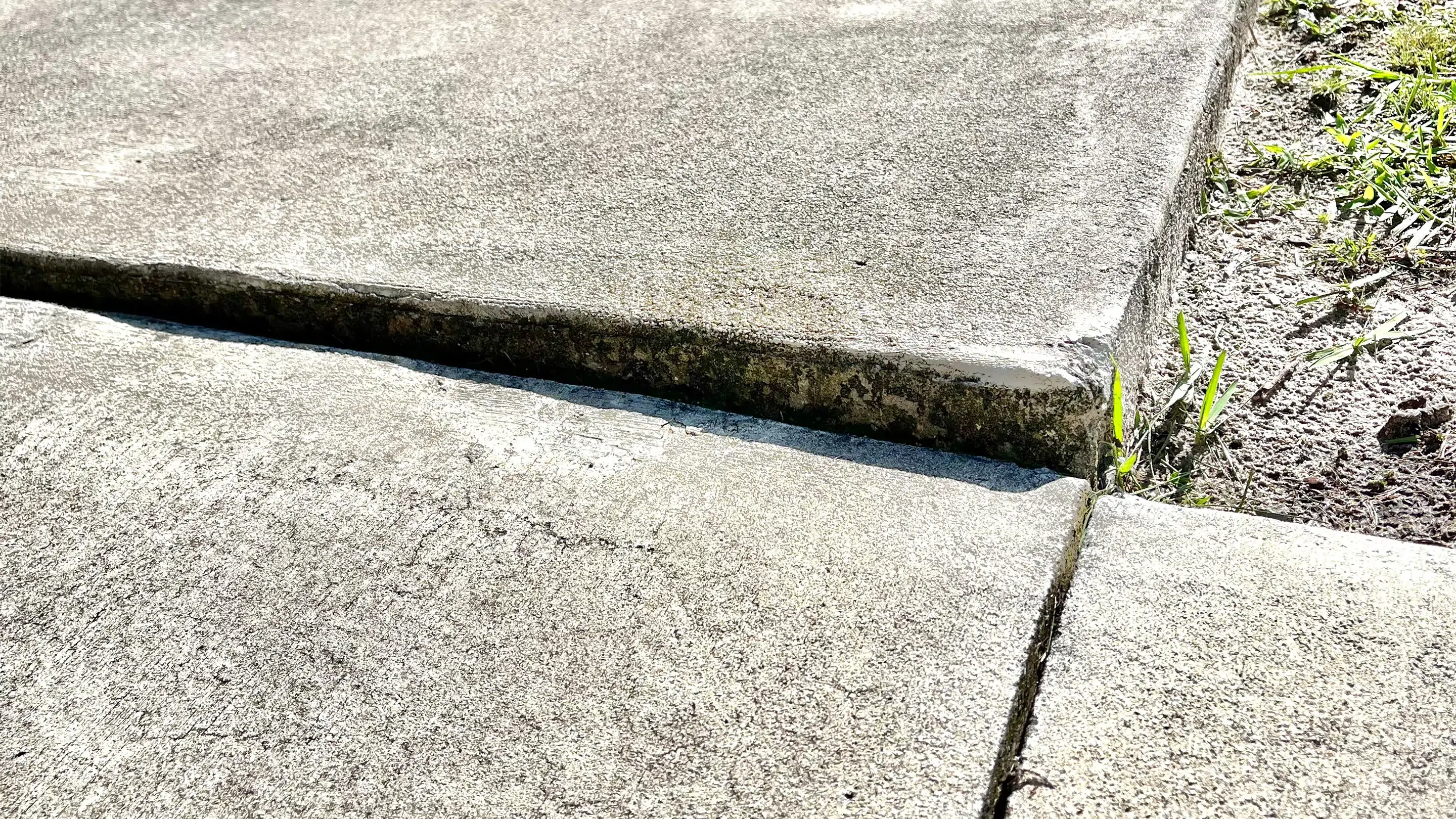
The cost to lift a driveway or concrete slab in Florida often ranges from $1,500 to $8,000, depending on the size of the slab, amount of settlement, void depth, access, soil conditions, and whether the area needs concrete lifting, void filling, soil stabilization, or replacement.
Smaller sidewalk or walkway lifting projects may start around $1,500 to $3,500. Driveway lifting often ranges from $2,000 to $5,000. Pool deck lifting often ranges from $2,000 to $6,000. Garage slab, patio, or interior slab support can range from $2,000 to $8,000, depending on the project.
Concrete lifting is often less expensive and less disruptive than tearing out and replacing concrete when the existing slab is still in good enough condition to lift. Replacement may be better when the slab is severely cracked, crumbling, scaling, spalling, too thin, deteriorated, poorly poured, or no longer strong enough to lift successfully.
The most important question is not just, “How much does concrete lifting cost?” The better question is, “Why did the concrete sink, and is lifting the right repair?”
Why Concrete Lifting Costs Vary
Concrete lifting costs vary because not every sunken slab has the same cause or repair scope.
A driveway may sink because the soil beneath it was poorly compacted. A sidewalk may drop because water washed out the base material. A pool deck may settle because of a leak, failed mastic joint, or drainage problem. A garage slab may sink because a void formed below the concrete. An interior slab may settle because of soil movement, plumbing leaks, or poor support beneath the slab.
The same visible symptom can have different causes.
For example:
- A sunken driveway may need lifting, replacement, or drainage correction.
- A hollow garage slab may need void filling and support.
- A settled pool deck may need leak detection before lifting.
- A walkway trip hazard may be a good fit for polyurethane lifting.
- A patio may need lifting, void filling, soil stabilization, or replacement depending on slab condition.
- A slab near a foundation may require a foundation evaluation if other symptoms are present.
That is why an inspection matters. The cost depends on the size of the slab, condition of the concrete, how much support was lost, how deep the voids are, and whether the cause of settlement is still active.
Read more: Concrete Lifting vs Replacement: What Is the Better Option?
Common Concrete Lifting Cost Ranges in Florida
| Concrete Area | Typical Cost Range | What It Usually Addresses |
| Sidewalk or walkway lifting | Around $1,500 to $3,500 | Trip hazards, uneven walkways, settled sidewalk sections |
| Driveway lifting | Around $2,000 to $5,000 | Settled driveway slabs, driveway aprons, uneven transitions |
| Patio or exterior slab lifting | Around $2,000 to $6,000 | Settled patios, lanais, exterior slabs, low spots |
| Pool deck lifting | Around $2,000 to $6,000 | Settled pool decks, coping-area settlement, trip hazards |
| Garage slab lifting or support | Around $2,000 to $8,000 | Garage floor settlement, voids, hollow areas, slab support |
| Interior slab support | Around $2,000 to $8,000 | Interior slab settlement, hollow areas, unsupported slab sections |
| Structural polyurethane void filling | Around $2,000 to $8,000 | Voids beneath slabs where support has been lost |
| Concrete replacement | Project-specific | Severely broken, deteriorated, too-thin, or poorly constructed slabs |
*These are typical Florida pricing examples based on published industry resources and contractor pricing guides. They are intended for educational purposes only and are not Helicon’s pricing. Every home is different, and a professional inspection is the only way to determine the appropriate repair and provide an accurate quote.
These are general planning ranges. The actual cost depends on the inspection findings, slab size, settlement amount, void depth, access, soil conditions, and whether lifting alone is enough.
A small sidewalk trip hazard and a large driveway with deep voids are very different projects. A settled pool deck near a leak is different from a driveway slab that settled because of poor compaction. Cost should be based on the cause, not just the surface symptom.
Cost to Lift a Driveway in Florida
Driveway lifting in Florida often ranges from $2,000 to $5,000, depending on the size of the driveway, how many slabs have settled, the amount of lift needed, and whether voids or weak soils are present below the concrete.
Driveway lifting may be used when:
- One or more driveway slabs have settled
- The driveway has an uneven transition near the garage
- Water is pooling on the driveway
- A driveway apron has dropped
- A trip hazard has formed
- The slab is still in good enough condition to lift
- Voids are present beneath the slab
- The concrete has settled but is not severely broken or deteriorated
Driveway lifting is often a good option when the concrete is still usable but has lost support from below. Expanding polyurethane foam can be injected through small holes in the slab to fill voids, restore support, and lift settled areas where appropriate.
However, lifting may not be the best choice if the driveway is severely cracked, crumbling, scaling, spalling, too thin, heavily deteriorated, or poorly constructed. In those cases, replacement may be the better option.
If the driveway settlement is near the garage or home, the inspection should also look for related garage slab or foundation symptoms.
Read more: Why Is My Driveway Sinking in Florida?
Cost to Lift a Sidewalk or Walkway
Sidewalk or walkway lifting in Florida often ranges from $1,500 to $3,500, depending on the number of slabs, amount of settlement, access, and whether voids or soil washout are present.
Sidewalk lifting may be used for:
- Trip hazards
- Uneven walkway sections
- Settled entry walks
- Slabs that have dropped near driveways
- Sidewalks that slope toward the home
- Walkways affected by water washout
- Slabs with hollow areas underneath
Lifting can be a good fit when the slab is still intact and the goal is to reduce a trip hazard, restore support, and improve the walking surface.
Replacement may be better when the concrete is broken into many pieces, heavily deteriorated, severely root-damaged, too thin, or no longer stable enough to lift.
Sidewalks and walkways may seem minor, but they can create fall hazards for homeowners, guests, delivery workers, and customers.
Read more: Uneven Sidewalks and Trip Hazards: What Homeowners Need to Know
Cost to Lift a Pool Deck
Pool deck lifting in Florida often ranges from $2,000 to $6,000, depending on the size of the area, amount of settlement, access, void depth, and whether leaks or drainage problems are contributing.
Pool deck settlement is common around:
- Coping edges
- Outer pool deck edges
- Deck drains
- Screen enclosure areas
- Patio transitions
- Paver transitions
- Pool equipment or filter areas
- Areas where water collects
Pool deck lifting may be appropriate when the deck is settled but still in good enough condition to lift. Structural polyurethane can help fill voids, lift settled areas, and restore support beneath the slab.
However, pool deck settlement should be evaluated carefully. If there is an active pool plumbing leak, equipment leak, failed mastic joint, or drain issue, that problem should be corrected before or as part of the repair plan. Otherwise, water may continue to wash out soil below the deck.
If a pool deck is settling near coping, tile, the pool shell, or a seawall, the inspection should determine whether the issue is slab settlement, soil loss, leak-related movement, seawall-related soil loss, or a combination.
Read more: Pool Deck Sinking Near Coping: Causes and Repair Options
Cost to Lift or Support a Garage Slab
Garage slab lifting or support in Florida often ranges from $2,000 to $8,000, depending on the size of the affected area, void depth, access, and whether the slab needs lifting, void filling, or soil stabilization.
Garage slabs may settle because of:
- Poor compaction
- Soil washout
- Voids beneath the slab
- Water entering near the garage door
- Driveway-to-garage transition problems
- Plumbing or utility leaks
- Loose fill beneath the slab
- Drainage problems near the home
Garage slab settlement may show up as cracks, low spots, hollow sounds, uneven transitions, water entering the garage, or a garage door that no longer seals properly.
In many cases, garage slab settlement is a slab support problem, not necessarily a foundation failure. However, if the garage slab settlement appears with stair-step cracks, wall cracks, sticking doors, gaps, or broader foundation symptoms, the foundation should also be evaluated.
Read more: Why Is My Garage Floor Sinking?
Cost to Support an Interior Slab
Interior slab support in Florida often ranges from $2,000 to $8,000, depending on the size of the affected area, access, flooring conditions, void depth, and cause of settlement.
Interior slab settlement may show up as:
- Uneven floors
- Low spots
- Tile cracking or popping
- Hollow-sounding floor areas
- Gaps under baseboards or cabinets
- Interior doors rubbing
- Flooring that cracks after repair
- Cracks in the slab or floor covering
Interior slab settlement can be caused by poor compaction, plumbing leaks, soil washout, voids beneath the slab, shallow loose soils, or foundation-related movement.
Before lifting or supporting an interior slab, it is important to determine whether the issue is a floor covering problem, slab support problem, plumbing problem, foundation problem, or a combination.
Read more: Interior Slab Settlement: Signs and Solutions
Cost of Structural Polyurethane Void Filling
Structural polyurethane void filling beneath concrete often ranges from $2,000 to $8,000, depending on the size, depth, and location of the voided area.
Void filling may be needed when soil has washed out, settled, or moved from beneath the slab. The concrete may not always need to be lifted significantly. Sometimes the main goal is to fill empty space and restore support.
Void filling may be used beneath:
- Driveways
- Sidewalks
- Patios
- Pool decks
- Garage slabs
- Interior slabs
- Walkways
- Concrete near foundations
- Concrete near drains or stormwater structures
A void beneath concrete should not be ignored. Unsupported concrete can crack, settle further, or become a trip hazard. If the void was caused by water, drainage, or a leak, the cause should also be evaluated.
Read more: Voids Under Concrete Slabs: What Causes Them and How to Fix Them
Concrete Lifting vs Concrete Replacement Cost
Concrete lifting is often less expensive and less disruptive than replacement when the existing concrete is still in good enough condition to lift.
Concrete lifting may be better when:
- The slab is settled but mostly intact
- The concrete surface is still usable
- The issue is loss of support beneath the slab
- Voids are present below the concrete
- The goal is to reduce a trip hazard or improve support
- The slab is not severely broken or deteriorated
Concrete replacement may be better when:
- The slab is severely cracked
- The concrete is crumbling
- The concrete is scaling or spalling badly
- The slab is too thin
- The concrete was poorly poured
- Tree roots have heavily damaged the slab
- The slope, layout, or drainage design needs to change
- The slab is no longer strong enough to lift successfully
Replacement may cost more because it can involve demolition, hauling, forming, pouring, finishing, curing time, and restoration. Replacement can be the right answer when the slab itself is the problem, but it does not automatically fix weak soils or voids beneath the concrete.
If soil support is the reason the slab settled, replacement without soil correction may allow the new concrete to settle again.
What Affects Concrete Lifting Cost?
Concrete lifting cost depends on several factors.
The most important include:
- Size of the slab area
- Number of slabs affected
- Amount of settlement
- Void depth beneath the concrete
- Amount of material needed
- Soil conditions
- Cause of settlement
- Access to the work area
- Interior vs exterior work
- Nearby structures, pools, walls, or seawalls
- Whether the slab is cracked or deteriorated
- Whether water, drainage, or leaks are contributing
- Whether soil stabilization is also needed
- Whether the concrete can be lifted safely
- Whether replacement is a better option
The lowest price is not always the best repair. A small amount of lifting may not solve a deeper void or ongoing washout problem. The repair should be based on what caused the slab to settle.
Polyurethane Foam Lifting vs Mudjacking
Polyurethane foam lifting and mudjacking are both slab lifting methods, but they are not the same.
Mudjacking typically uses a cement-based slurry to lift concrete. Polyurethane lifting uses expanding structural foam that is injected beneath the slab.
Polyurethane foam is often preferred for many residential concrete lifting projects because it is lightweight, expands to fill voids, cures quickly, and can be installed through small injection holes.
Mudjacking can add more weight beneath the slab. In weak or loose soils, added weight may not be ideal. It may also require larger holes and more cleanup depending on the project.
The right method depends on the slab, soil conditions, void depth, access, and repair goal.
When Concrete Lifting Is Not the Right Repair
Concrete lifting is not always the right repair.
Lifting may not be recommended when:
- The slab is too broken
- The concrete is severely deteriorated
- The slab is crumbling, scaling, or spalling
- The concrete is too thin
- The slab was poorly constructed
- Tree roots are causing major displacement
- The desired slope or drainage design needs to be changed
- The underlying cause has not been addressed
- The slab is moving because of a deeper foundation issue
- The area needs full reconstruction
This is why inspection matters. A slab that looks like a lifting candidate may actually need replacement. Another slab that looks bad at first glance may still be liftable if the concrete is intact and the support below can be restored.
How Helicon Evaluates Concrete Lifting Cost
When Helicon evaluates a driveway or concrete slab, the goal is to determine why the slab settled and whether lifting is the right repair.
A proper evaluation may include:
- Looking at the amount of settlement
- Checking slab condition
- Reviewing cracks, breaks, scaling, or spalling
- Looking for voids or hollow areas
- Checking drainage and water flow
- Reviewing nearby downspouts, pool drains, patio drains, or irrigation
- Looking for soil washout
- Checking nearby foundations, garages, pool decks, or seawalls when relevant
- Determining whether the slab is a good lifting candidate
- Determining whether void filling, soil stabilization, replacement, or a combined repair is needed
The inspection should answer:
- Why did the concrete settle?
- Is the slab still in good enough condition to lift?
- Are voids present beneath the slab?
- Is water or drainage causing soil washout?
- Is soil stabilization needed?
- Is replacement a better option?
- What repair range is appropriate?
The best cost estimate comes after the slab condition and cause of settlement are understood.
What Homeowners Should Not Do
The biggest mistake homeowners make is repairing the surface without addressing the support problem below.
Homeowners should avoid:
- Resurfacing sunken concrete before stabilizing it
- Replacing concrete without correcting soil or drainage problems
- Ignoring hollow-sounding slabs
- Filling gaps around slabs without fixing voids
- Assuming every settled slab needs replacement
- Assuming lifting can fix severely broken concrete
- Ignoring pool leaks before lifting a pool deck
- Ignoring water flow toward driveways, patios, or walkways
- Comparing prices without comparing repair methods
- Waiting until small trip hazards become larger settlement problems
The right repair should address both the concrete and the conditions below it.
When to Schedule a Concrete Lifting Inspection
You should schedule a concrete lifting inspection if you notice settlement, trip hazards, cracks, hollow areas, water pooling, or slabs that are no longer properly supported.
Call an expert if you notice:
- A sinking driveway
- Uneven sidewalk sections
- A walkway trip hazard
- Settled patio slabs
- Pool deck settlement
- Garage floor settlement
- Interior slab settlement
- Concrete sloping toward the home
- Water pooling on concrete
- Hollow sounds beneath the slab
- Visible gaps under concrete edges
- Cracks that are widening
- Repeated settlement after prior repairs
- Concrete settlement near the foundation
- Concrete settlement near a seawall or pool
The sooner the cause is identified, the easier it is to understand whether lifting, void filling, soil stabilization, or replacement is the right next step.
Why Florida Homeowners Trust Helicon
Helicon has been helping Florida homeowners solve concrete lifting, slab support, foundation repair, soil stabilization, sinkhole repair, compaction grouting, seawall erosion repair, void filling, and settlement problems since 2004.
As a family-owned Florida company, Helicon understands the soil conditions, water movement, drainage issues, slab settlement patterns, pool deck issues, driveway problems, garage slab movement, and foundation concerns that affect homes across Tampa Bay, Orlando, Southwest Florida, and surrounding areas.
We are not there to tell every homeowner that every settled slab must be replaced. We are also not there to lift concrete that is too broken, deteriorated, or poorly suited for lifting. We are there to determine whether lifting, void filling, soil stabilization, replacement, or a combined repair is the right option.
Sometimes the right repair is polyurethane concrete lifting. Sometimes it is structural polyurethane void filling. Sometimes it is soil stabilization. Sometimes the concrete should be replaced.
The goal is always the same: identify the cause, protect the property, and recommend the least invasive repair that provides a long-term solution.
Schedule a Free Concrete Lifting Cost Inspection
If you are wondering how much it may cost to lift a driveway, sidewalk, patio, garage slab, pool deck, or concrete slab in Florida, Helicon can help.
Our team can evaluate the slab condition, soil support, voids, settlement, drainage concerns, and repair options to help determine whether concrete lifting is the right repair and what the likely cost range may be.
Schedule a free concrete lifting inspection with Helicon to get a clear understanding of the problem, the repair options, and the likely cost.
FAQ
How much does it cost to lift a driveway in Florida?
Driveway lifting in Florida often ranges from $2,000 to $5,000, depending on the size of the driveway, number of slabs affected, amount of settlement, void depth, access, and soil conditions.
How much does concrete lifting cost in Florida?
Concrete lifting often ranges from $1,500 to $8,000, depending on the slab size, settlement amount, void depth, repair area, and whether additional void filling or soil stabilization is needed.
How much does sidewalk lifting cost?
Sidewalk or walkway lifting often ranges from $1,500 to $3,500, depending on the number of slabs, amount of settlement, access, and whether voids or soil washout are present.
How much does pool deck lifting cost?
Pool deck lifting often ranges from $2,000 to $6,000, depending on the size of the area, settlement amount, access, void depth, and whether leaks or drainage problems are contributing.
Is concrete lifting cheaper than replacement?
Often, yes. Concrete lifting is usually less expensive and less disruptive than replacement when the slab is still in good enough condition to lift. Replacement may be better when the concrete is severely cracked, crumbling, scaling, spalling, too thin, deteriorated, or poorly constructed.
How long does concrete lifting take?
Many concrete lifting projects can be completed relatively quickly compared with replacement. Actual timing depends on the size of the project, access, slab condition, and repair scope.
Will concrete lifting fix cracks?
Concrete lifting can help restore support and improve slab position, but it does not erase existing cracks. Cracks may still need cosmetic repair after the slab is stabilized.
Why did my driveway or slab sink?
Concrete often sinks because of poor compaction, soil washout, voids beneath the slab, water drainage problems, plumbing or irrigation leaks, loose sandy soils, or heavy loads. The cause should be evaluated before choosing a repair.
When is concrete replacement better than lifting?
Replacement may be better when the slab is severely broken, crumbling, scaling, spalling, too thin, heavily deteriorated, root-damaged, poorly constructed, or when the slope or drainage design needs to change.
How do I get an accurate concrete lifting cost?
The best way to get an accurate cost is to schedule an inspection. A concrete lifting estimate should be based on slab condition, settlement amount, void depth, soil conditions, access, drainage, and whether lifting, void filling, soil stabilization, or replacement is the right repair.