
St. Augustine, FL
The Project
The Challenge
The Solution
FREE INSPECTION REQUEST

Market: Residential
Solution: Two-Part Structural Polyurethane Injections, One-Part Permeation Grout, and JET Filter Installation
Services: Soil Stabilization and Seawall Repair
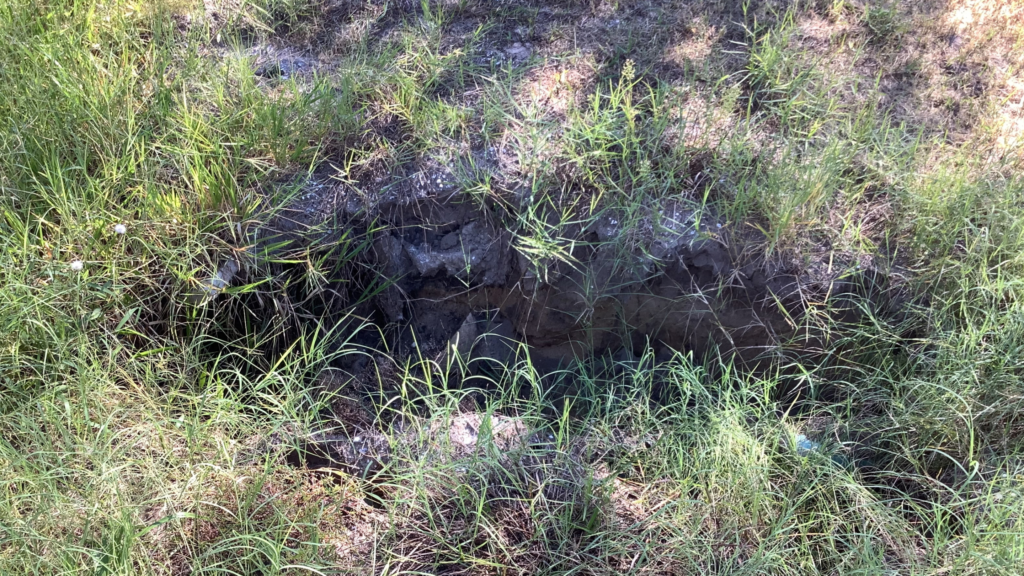
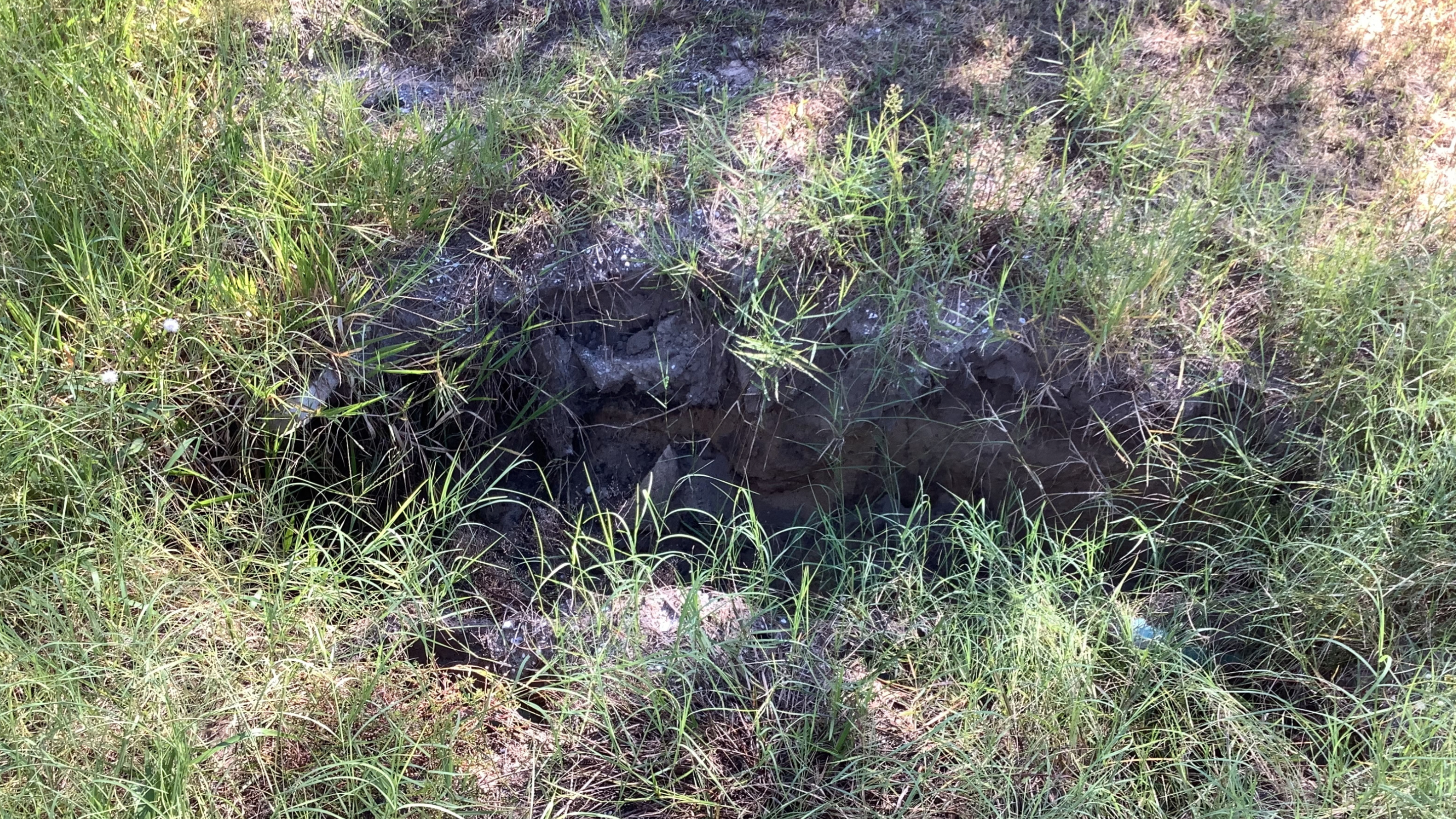
This St. Augustine home had structural support concerns in three primary areas:
The homeowner wanted these areas stabilized before moving forward with additional finish work.
The interior flooring was especially important because the owner planned to resurface the affected rooms after the structural work was completed.
That was the right order of operations.
When a concrete floor or slab has settled, refinishing the surface does not correct the support beneath it. New flooring, coatings, leveling products, or other finishes may look good initially, but they can still be affected if the slab continues to move.
The more strategic approach is to stabilize first and finish second. That became one of the core principles of this project.
Although all of the concerns involved structural support, they were not identical. The garage and interior rooms required direct slab support. Other areas required additional subsurface stabilization.
The seawall needed a separate system to treat the retained soils while also managing water pressure behind the wall.
Using one repair method everywhere would have ignored those differences.
Instead, Helicon divided the project into three distinct stabilization programs:
This allowed each portion of the property to receive a repair method aligned with the documented condition.
The homeowner planned to resurface the floors in the affected rooms. That future work made stabilization especially important.
If the floor surface were refinished before the slab received additional support, continued movement could affect the new finish.
Depending on the resurfacing system, settlement could potentially contribute to:
For that reason, Helicon’s work focused first on the support beneath the concrete. No specific lift was promised or expected.
The objective was to improve stability so the homeowner could move forward with later cosmetic improvements from a better structural starting point.
The primary challenge was more technical: making sure each treatment area received an appropriate amount of polyurethane material so the slabs, soils, and seawall zones could be stabilized effectively.
This matters because polyurethane injection is not simply a matter of pumping material into the ground until an arbitrary quantity is reached.
Different treatment areas may respond differently based on:
The production team therefore needed to monitor each injection area carefully and place material in a controlled manner.
Another practical consideration was managing expectations. The homeowner was not expecting a guaranteed lift.
That allowed the crew to focus on the real objective: support and stabilization.
Forcing elevation changes in a slab that doesn’t respond appropriately can create unnecessary stress.
For this project, stabilization remained the primary measure of success.
Helicon used 145 pounds of two-part structural polyurethane for the interior slab and other regular slab injections.
These injections were intended to improve support directly beneath the affected concrete.
Structural polyurethane can be introduced through targeted access points in the slab. As the two components react, the material expands within accessible voids and unsupported zones.
The purpose of the slab injections was to:
This portion of the project focused specifically on the concrete-support interface.
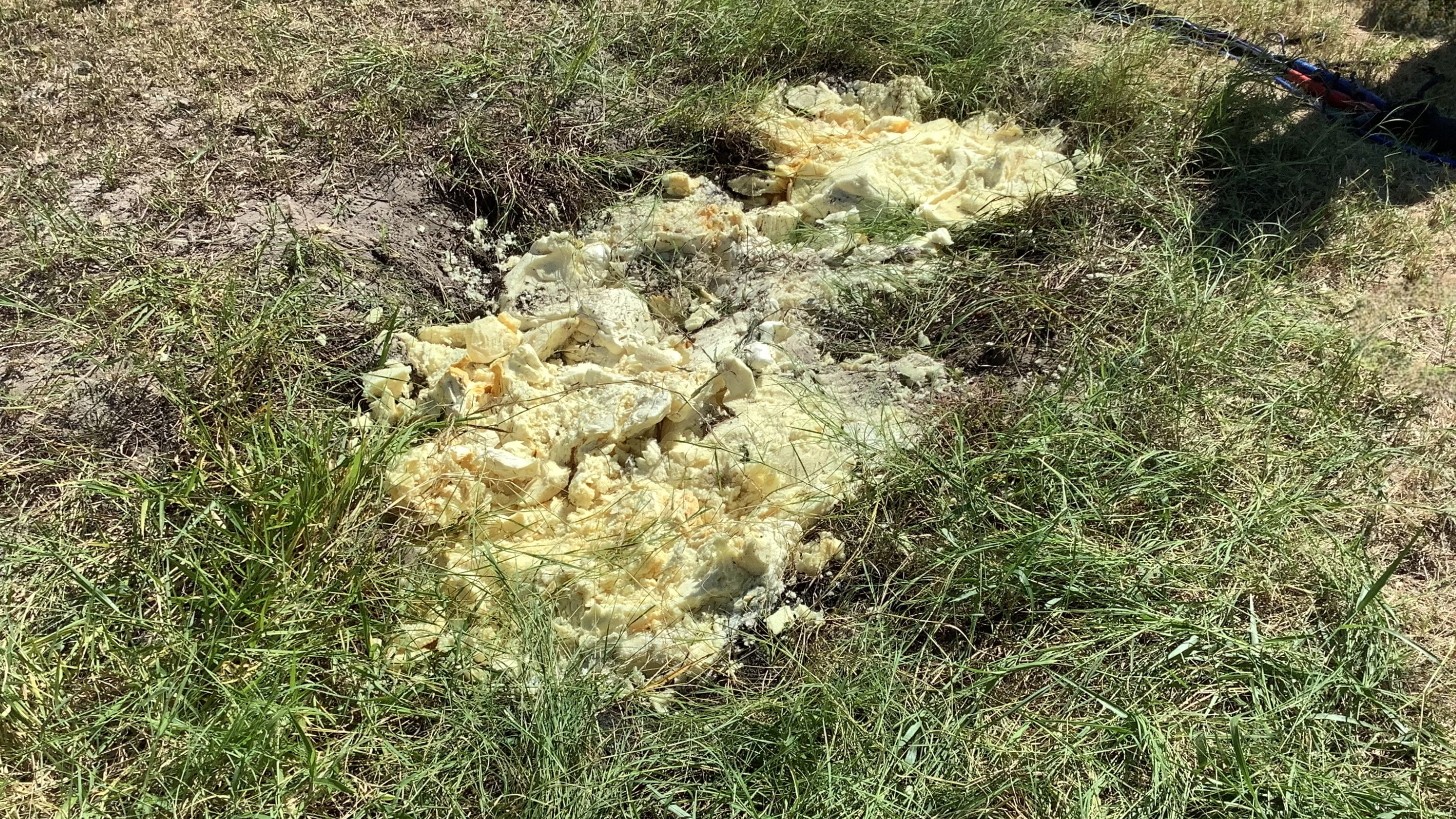
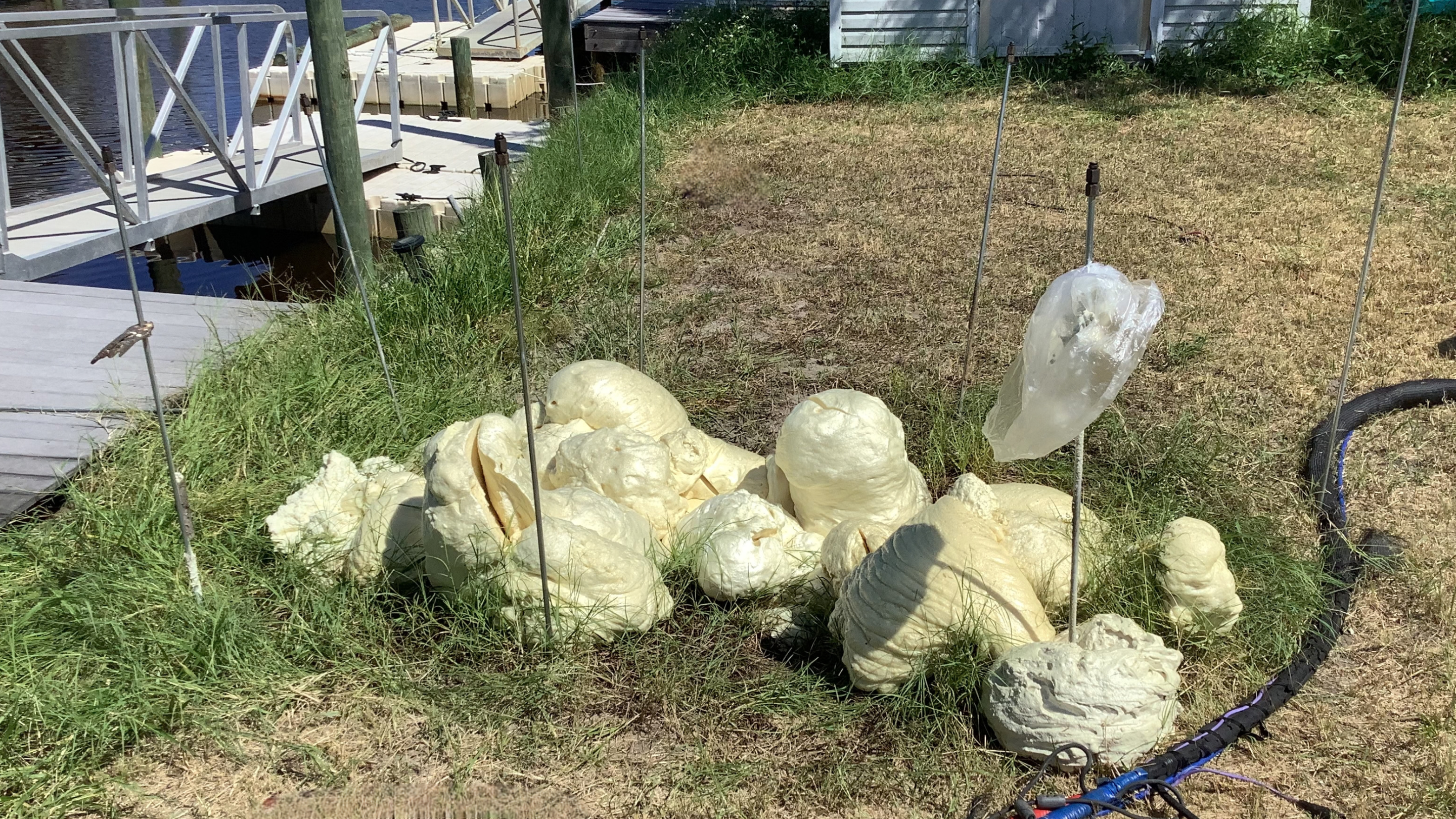
Separate from the seawall work, Helicon also completed 8 soil injection points using approximately 400 pounds of structural polyurethane.
These injections were used to improve the stability of designated subsurface areas.
This soil stabilization phase was different from the slab injections because the objective was broader soil reinforcement rather than only restoring contact immediately beneath the concrete.
The soil injections helped:
The combination of slab and soil injections created a layered support strategy rather than relying on a single treatment depth.
The waterfront portion of the project required a different approach.
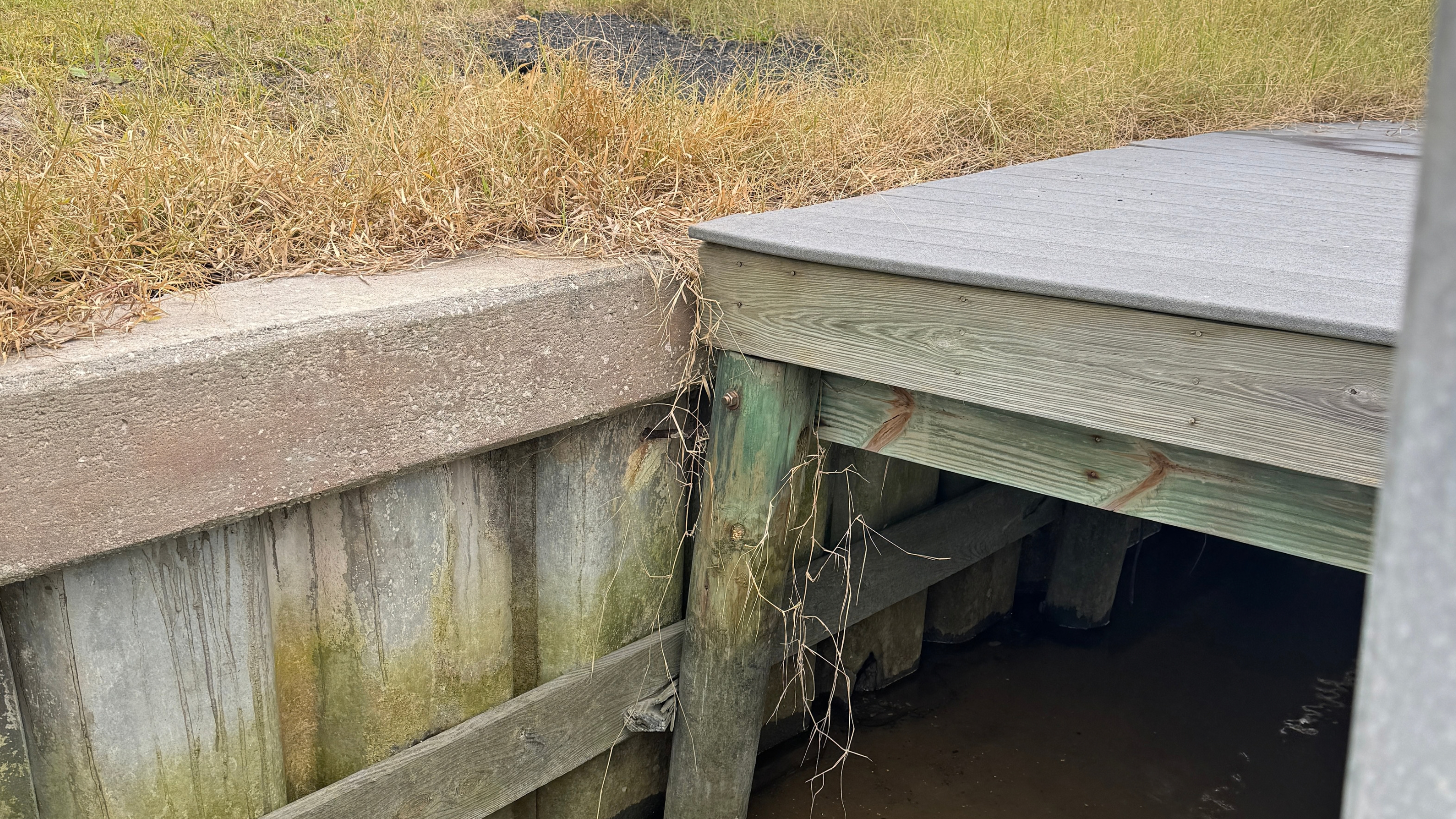
Helicon used 90 gallons of SW-RP1 one-part permeation grout behind the seawall.
The grout was selected to improve the stability of the soils behind the wall.
In seawall applications, permeation grout can help treat areas where soil has loosened, migrated, or developed voids.
The purpose of the seawall injections was to:
This made the project more than a simple concrete or slab repair.
It was also a true seawall repair and waterfront stabilization project.
After completing the grout work, Helicon installed 8 JET Filters in the seawall.
The filters were included to help manage hydrostatic pressure.
Hydrostatic pressure develops when water accumulates behind a seawall faster than it can drain.
If water cannot escape efficiently, pressure may increase against the wall.
Over time, unmanaged pressure can contribute to:
JET Filters provide a controlled pathway for water to escape while helping retain soil behind the wall.
That makes them a valuable complement to permeation grouting.
The grout stabilizes the soil. The filters help manage the water pressure acting on the system.
The strength of this project came from treating the seawall as a complete system.
A wall can only perform as well as the soil it retains and the drainage conditions around it allow.
If soil continues washing out behind the wall, the support condition can deteriorate.
If hydrostatic pressure remains trapped, the wall may experience unnecessary stress.
By combining soil stabilization with seawall repair, Helicon addressed both of those concerns.
The 90 gallons of SW-RP1 treated the retained-side soils. The 8 JET Filters added pressure relief.
Together, those components provided a more comprehensive waterfront repair.
The completed St. Augustine project provided a comprehensive stabilization system across multiple areas of the property.
Key benefits included:
No contractor can responsibly guarantee that soils, slabs, or waterfront structures will never move again.
However, the completed repair materially improved support in the treated areas and gave the homeowner a stronger structural base for future improvements.
Helicon helps Florida homeowners, contractors, property managers, and commercial clients address foundation settlement, weak soils, sinking concrete, seawall erosion, and related structural concerns.
Our team develops repair solutions based on the property, observed conditions, site requirements, and project goals—with a focus on addressing problems where they often begin: beneath the surface.
If you are dealing with settling slabs, weak soils, voids behind a seawall, soil washout, or waterfront erosion, cosmetic repairs alone may not address the underlying condition.
Helicon provides soil stabilization, seawall repair, structural polyurethane injection, permeation grouting, JET Filter installation, foundation repair, concrete lifting, and related structural services throughout St. Augustine and communities across Florida.
Call 844-HELICON to schedule a free inspection and learn which repair approach may be appropriate for your property.
FREE INSPECTION REQUEST