If you are researching concrete lifting cost, you are probably trying to understand whether lifting a sunken slab makes more sense than replacing it entirely. Uneven driveways, patios, sidewalks, and pool decks are common issues for homeowners, but the repair process is often more affordable and less disruptive than many people expect.
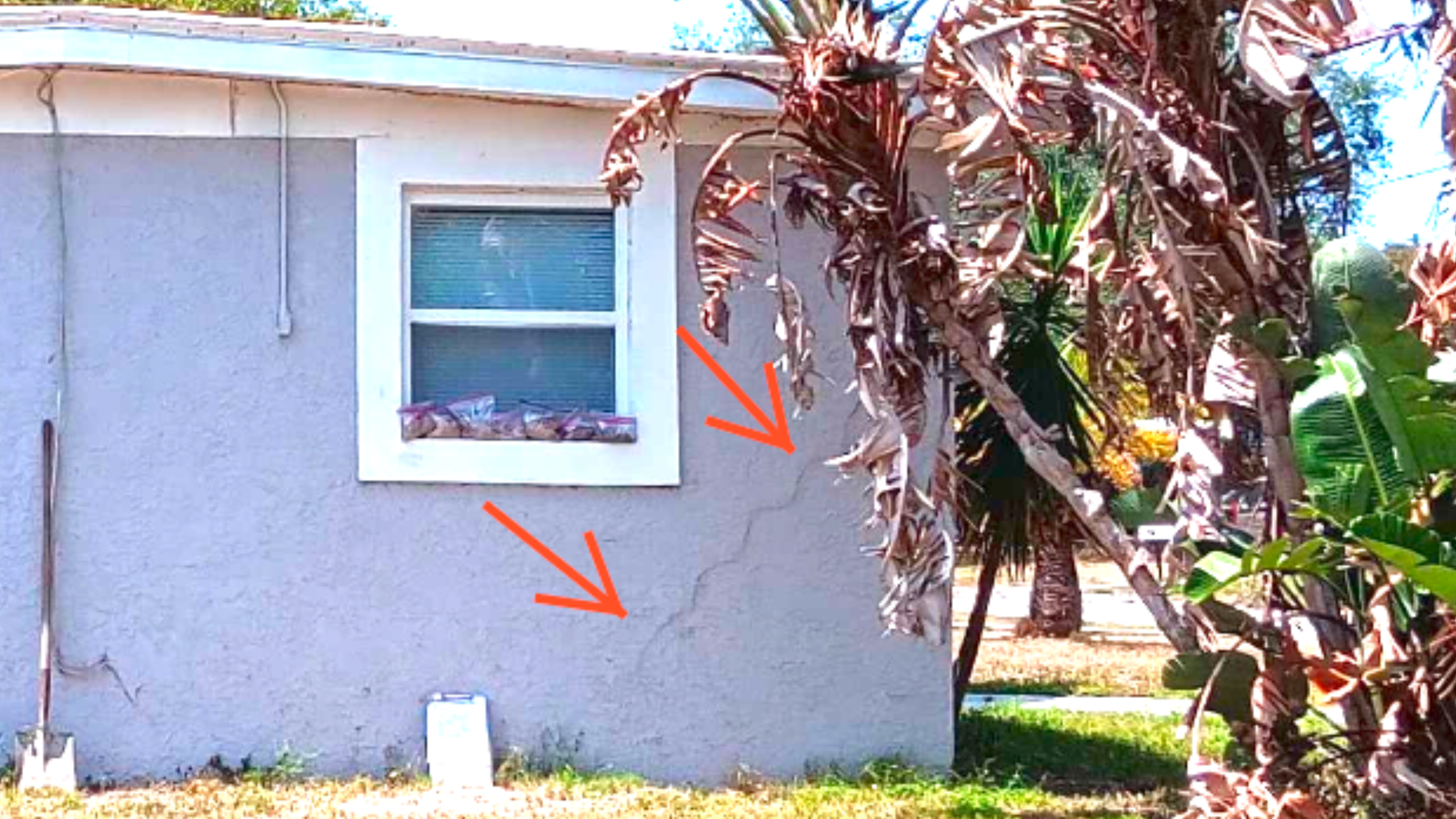
At Helicon, homeowners across Florida often deal with slab settlement caused by shifting soil, moisture changes, and drainage problems. A thorough inspection and practical repair plan can help you understand what caused the movement, which lifting method is best for your property, and which factors may influence the final cost.
This guide explains average price ranges, common lifting methods, and the factors that most affect project costs. You will also learn when concrete lifting offers the best value relative to replacement, and how to compare estimates with greater confidence.
Typical Concrete Lifting Cost Ranges Homeowners Can Expect
Residential concrete lifting costs vary based on the type of slab being repaired, the amount of surface area involved, and whether you need a small repair or a larger restoration project. Understanding common pricing ranges helps you avoid surprises when reviewing estimates.
Average Project Costs by Slab Type
Different concrete surfaces come with different price ranges. Here is what homeowners commonly pay for residential concrete lifting projects:
| Slab Type | Typical Cost Range |
| Sidewalk (per section) | $500 – $1,500 |
| Driveway (single panel) | $1,500 – $4,500 |
| Full driveway | $3,000 – $8,000 |
| Patio | $1,200 – $4,000 |
| Garage floor | $2,000 – $6,000 |
| Pool deck | $1,500 – $5,000 |
| Front steps | $800 – $2,500 |
Complex projects with poor subgrade conditions and multiple slab sections can push costs toward $12,000, while smaller sidewalk repairs often remain below $2,000.
Price Per Square Foot and Minimum Charges
Most contractors calculate concrete lifting cost by square footage. Rates usually range from $4 to $12 per square foot depending on the repair method. Polyurethane foam lifting typically falls on the higher end of the range, while mudjacking often costs less.
Most companies also charge a minimum project fee between $250 and $500 to cover equipment setup, travel time, and labor for smaller jobs.
Why Small Concrete Repairs Often Cost More Per Section
A single sunken sidewalk panel may carry a higher per-square-foot price than a larger driveway repair because crews still need to transport equipment, prepare the site, and complete setup regardless of project size.
If several areas around your property need lifting, combining repairs into one visit often lowers the overall cost per section. Bundling repairs can make your project more cost-effective.
How Repair Method Impacts Concrete Lifting Cost
The lifting method your contractor uses directly affects material pricing, labor time, and long-term performance. Mudjacking, polyurethane foam lifting, and stone slurry grout each offer different benefits and pricing structures worth comparing before making a decision.
Mudjacking Pricing and Tradeoffs
Mudjacking, sometimes called slabjacking, uses a cement-based slurry pumped beneath the slab to raise the concrete back into position. Contractors have used this method for decades because it remains one of the more affordable concrete lifting options.
Mudjacking usually costs between $3 and $6 per square foot, with most residential projects ranging from $1,000 to $4,000. The material takes longer to cure than foam, but it performs well in stable soil conditions.
The added weight of the slurry can be a drawback in areas with soft or clay-heavy soils, as the extra mass may contribute to future settlement.
Polyurethane Foam Lifting Costs
Polyurethane foam lifting, also called polyjacking, is a newer and typically more expensive repair option. Foam lifting usually ranges from $5 to $12 per square foot, with most residential projects falling between $1,500 and $8,000.
The higher price reflects several benefits, including faster curing times, lightweight materials, and smaller injection holes. In many cases, homeowners can use the repaired slab again within hours.
Foam lifting also works well for pool decks, garage floors, and other areas where adding significant weight beneath the slab could create future problems.
Stone Slurry Grout and Other Leveling Options
Stone slurry grout offers another lifting option that generally falls between mudjacking and polyurethane foam in terms of cost. Contractors use a crushed limestone-and-water mixture that weighs less than traditional mudjacking material while still providing strong support.
Some contractors also use hybrid systems or epoxy injection for specialized structural repairs. These methods often cost more per injection point and typically serve situations where standard lifting methods cannot provide enough stability.
What Increases or Lowers Concrete Lifting Cost
Several practical factors influence the final price of a concrete lifting project. Settlement depth, site accessibility, and soil conditions all affect the amount of labor and material required to complete the repair properly.
Slab Size, Settlement Depth, and Void Fill
Larger slabs and deeper settlement require more material to fill empty spaces beneath the concrete and restore the slab to grade. A slab that has dropped a half inch requires far less material than one that has settled several inches.
Large voids often require additional injection points and more labor time, increasing the overall project cost. Contractors usually evaluate void depth during the inspection process and include those details in the estimate.
Accessibility, Equipment Setup, and Labor Time
Limited access can increase labor costs. Fences, landscaping, narrow walkways, and backyard locations often require crews to transport equipment manually rather than position trucks directly beside the repair area.
Accessibility challenges and site preparation can add anywhere from $100 to $2,000 to a project, depending on the property’s layout. Asking how site conditions affect pricing can help you better understand your estimate.
Soil Conditions, Drainage, and Stabilization Needs
Soil conditions often play a major role in long-term repair performance. Waterlogged soil, erosion, or heavy clay beneath the slab can continue causing movement if contractors do not address the underlying issue.
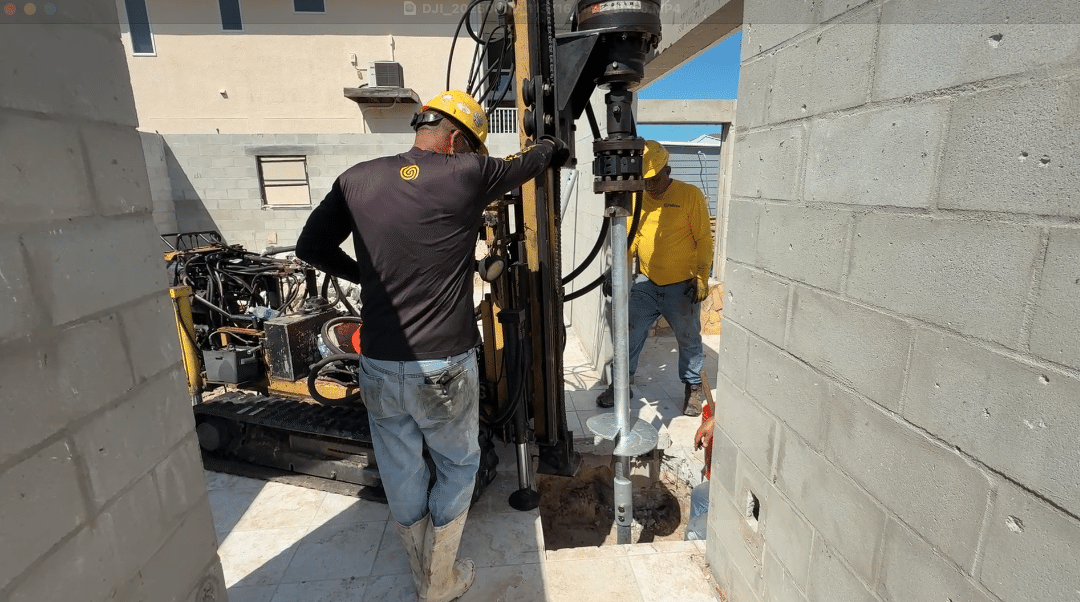
Some projects require additional soil stabilization work alongside concrete lifting to improve long-term support. A reputable contractor should explain drainage concerns clearly and recommend practical solutions during the inspection.
Concrete Lifting vs. Slab Replacement
When a slab settles significantly, homeowners often compare concrete lifting with full slab replacement. The right solution depends on the condition of the concrete, the amount of movement, and the stability of the supporting soil.
When Concrete Lifting Is the Better Value
Concrete lifting usually provides better financial value when the slab remains structurally sound. If the concrete has only minor cracking and maintains enough thickness and strength, lifting can restore usability at a much lower cost than replacement.
In many cases, homeowners save 50 to 80 percent by lifting existing concrete instead of removing and replacing it. A replacement project costing $5,000 to $10,000 may require only $1,500 to $3,500 in lifting work.
When Slab Replacement Makes More Sense
Concrete lifting does not solve every issue. Replacement often becomes the better option when the slab is crumbling, severely cracked, too thin, or broken into multiple unstable sections.
Replacement may also make more sense when the supporting soil has completely failed and requires rebuilding before new concrete can perform properly.
Comparing Cost, Timing, and Long-Term Disruption
Full slab replacement usually involves demolition, debris removal, forming, pouring new concrete, and waiting several days for curing. During that process, driveways, walkways, or patios may remain unusable for an extended period.
Concrete lifting often takes only a few hours and frequently allows same-day use. For many homeowners, the reduced disruption becomes one of the biggest advantages.
How to Compare Concrete Lifting Quotes
Getting several estimates helps you compare pricing and repair approaches more effectively. The lowest price does not always provide the best long-term value, so reviewing the details inside each estimate matters.
What a Detailed Estimate Should Include
A well-prepared estimate should clearly outline:
- The square footage or number of injection points included in the repair
- The lifting method being used, such as mudjacking or polyurethane foam lifting
- Material quantities, labor expectations, and included site preparation
- Surface patching, cleanup, and permit responsibilities
- The full project cost without hidden charges
Vague lump-sum pricing without explanation often makes it difficult to compare bids accurately.
Questions to Ask About Warranty and Materials
Before signing a contract, ask detailed questions about warranty coverage and repair materials. Many concrete lifting warranties cover settlement recurrence for one to three years, though coverage terms vary by company.
Helpful questions include:
- Does the warranty include re-lifting if the slab settles again?
- Are the repair materials appropriate for the soil conditions on your property?
- Is the warranty transferable if you sell your home?
Understanding warranty terms can help you evaluate the long-term value of the repair, especially when soil conditions remain a concern.
How to Evaluate Concrete Lifting Companies
When comparing contractors, look beyond pricing alone. Check for licensing, verifiable reviews, and companies that perform in-person inspections before providing estimates.
A quality contractor should explain why the slab settled, not just how they plan to lift it. Discussions about drainage, soil conditions, and long-term prevention often indicate a more complete and homeowner-focused approach.
Understanding Long-Term Concrete Stability
Concrete lifting can restore safety, appearance, and usability without the expense and disruption of full replacement. When you understand how slab size, soil conditions, accessibility, and repair methods affect the cost of concrete lifting, it becomes easier to make informed decisions about your property.
Helicon works with homeowners across Florida to provide clear inspections, practical repair recommendations, and long-term stabilization guidance. Understanding why a slab settled in the first place helps you choose a repair approach that supports lasting performance and better property stability.
If you are comparing repair options or reviewing estimates, schedule an inspection to get a clear repair plan and detailed pricing for your specific project.
Frequently Asked Questions
What is the average concrete lifting cost for a driveway?
Driveway concrete lifting cost typically ranges from $1,500 to $8,000 depending on the size of the driveway, the amount of settlement, and the repair method used. Smaller single-panel repairs usually cost less than full driveway stabilization projects. Accessibility and soil conditions can also affect the final price.
Is polyurethane foam lifting more expensive than mudjacking?
Yes, polyurethane foam lifting usually costs more than traditional mudjacking because the material cures faster, weighs less, and requires smaller injection holes. Many homeowners choose foam lifting for areas like pool decks, garage floors, and patios where lightweight support and faster use are important.
How long does concrete lifting usually take?
Most residential concrete lifting projects take just a few hours to complete. In many cases, contractors can finish the repair and allow same-day use of the slab, especially when using polyurethane foam lifting methods.
Can concrete lifting fix severely sunken slabs?
Concrete lifting can often correct moderate to significant settlement if the slab remains structurally intact. However, severely cracked, crumbling, or unstable concrete may require replacement instead of lifting. A professional inspection helps determine which option makes the most sense for your property.
What causes concrete slabs to sink over time?
Concrete slabs commonly sink because of soil erosion, poor drainage, moisture changes, or weak soil beneath the slab. In Florida, shifting soils and heavy rainfall can gradually create voids that allow concrete surfaces to settle unevenly.
Does concrete lifting help prevent future settlement?
Concrete lifting restores the slab to grade, but long-term performance also depends on addressing the underlying cause of movement. Contractors may recommend drainage improvements or soil stabilization to help reduce the chance of future settlement.
What should you look for in a concrete lifting estimate?
A detailed estimate should explain the repair method, project scope, material usage, labor expectations, and any additional stabilization work included in the price. Clear explanations and site-specific recommendations often make it easier to compare contractors confidently.