Proudly serving all of Florida with offices in Tampa, Orlando, and Fort Myers

  • Helicon
  • 9
  • Pinellas Park Foundation Stabilization: Two‑Part Polyurethane Soil and Slab Injections

Pinellas Park Foundation Stabilization: Two‑Part Polyurethane Soil and Slab Injections

Pinellas Park, FL

Market: Residential

Solution: Foundation Repair & Soil Stabilization

Services: Two‑Part Structural Polyurethane Injections (Soil & Slab)

The Project

Property Type: Single‑family residence

Location: Pinellas Park, Pinellas County, FL

Owner’s Goals:

  1. Stabilize soils and restore slab support at the foundation perimeter.
  2. Prioritize reliability over lift; any elevation recovery would be incidental, not the objective.
  3. Leave the home ready for cosmetic repairs (caulking, patching, repainting) by others after stabilization.
  4. Keep the site neat and accessible during work, with no invasive excavation.

Observed Conditions (Pre‑Work):

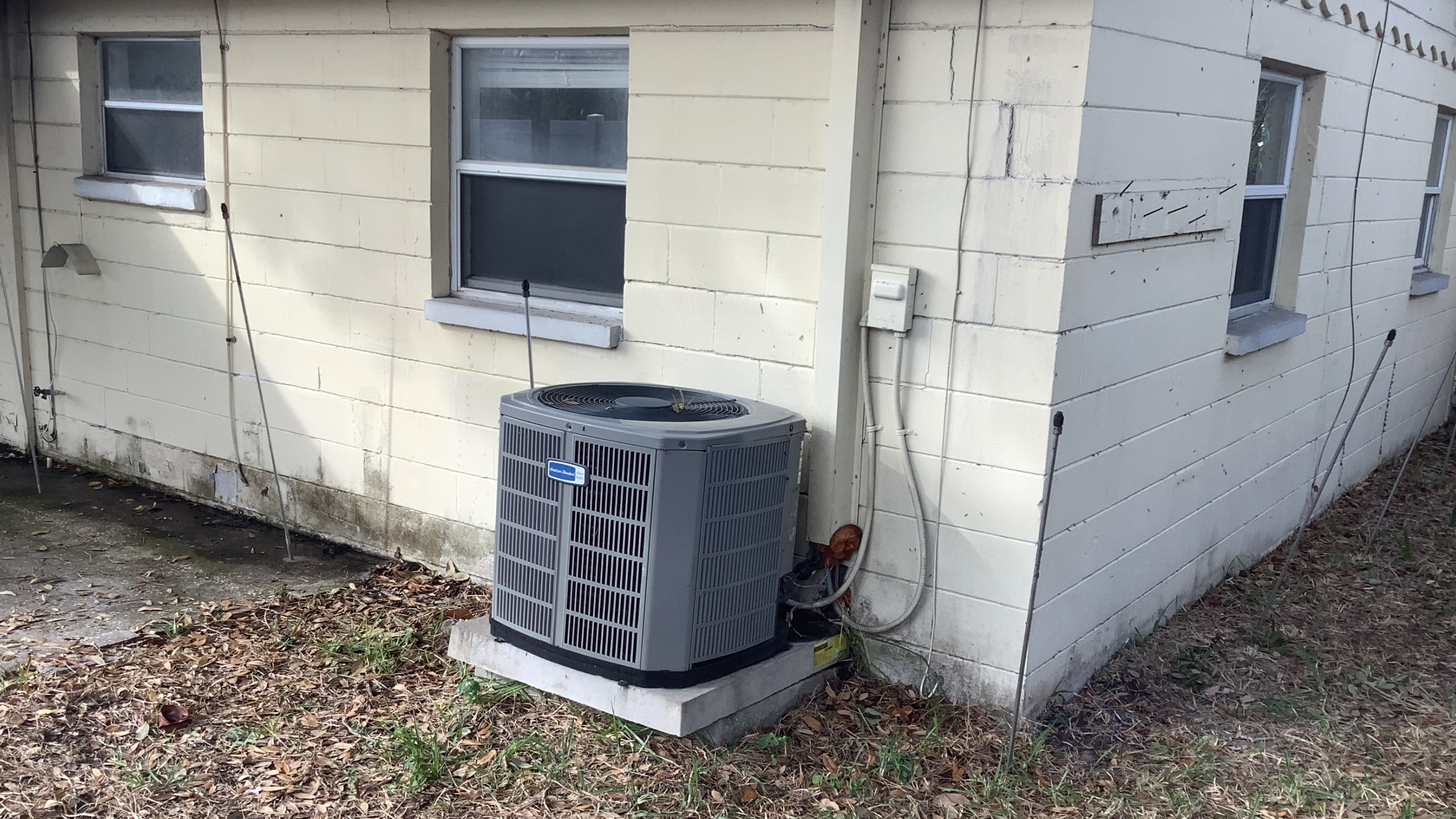
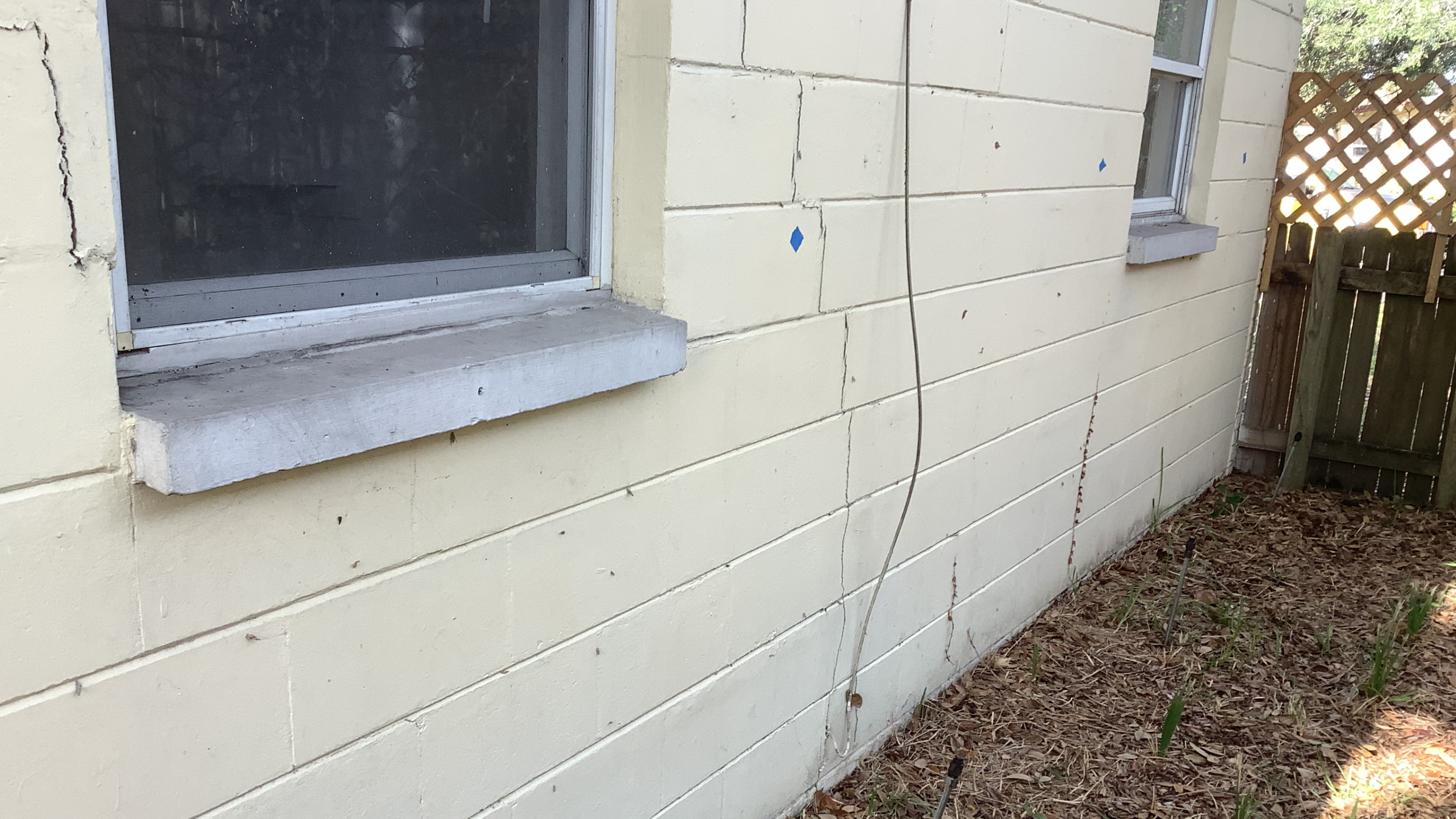
Stair‑step and hairline cracks at exterior masonry joints consistent with long‑term settlement.
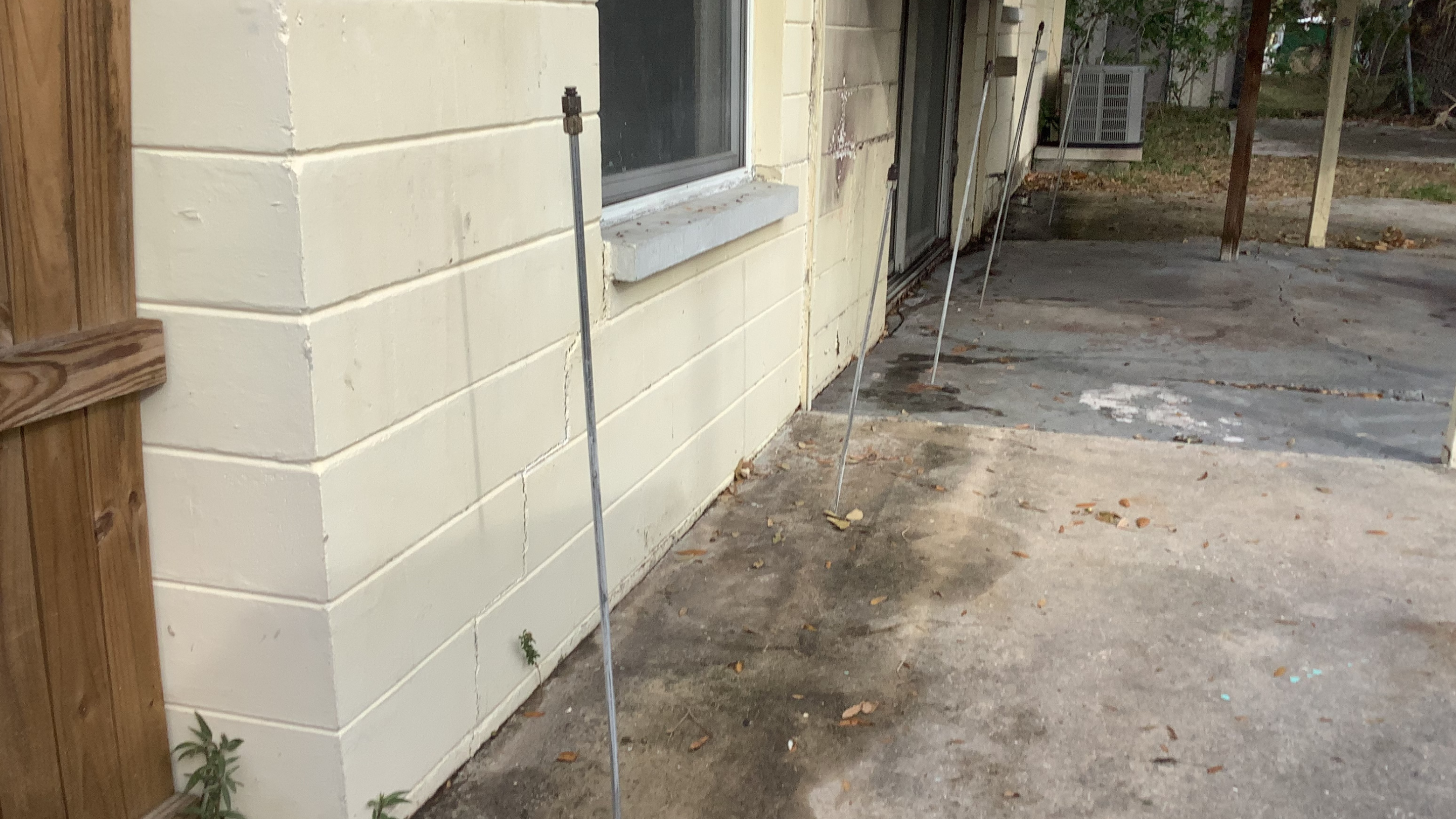
Gaps where the horizontal slab/sidewalk met the foundation, indicating loss of support at slab edges.
Loose or raveled soils at the perimeter, pointing to voiding and migrating fines.
– No indications of active plumbing leaks or broad sinkhole activity; symptoms were concentrated in the near‑surface influence zone under the slab edges and walkways.

The Challenge

Foundation distress at the perimeter demands a foundation repair solution tailored to near‑surface soils—the top 2–3 feet that directly influence slab behavior. Three realities shaped the plan:

  1. Lift is not the goal. In many residential projects, owners ask for lift; here, the owner chose stabilization first. That meant our scope, sequence, and acceptance criteria prioritized void closure and matrix tightening over pursuing aggressive elevation changes that can damage finishes.
  2. Mixed backfills in Pinellas County. Coastal construction often leaves variable fills with pockets of organics, construction debris, or poorly compacted sand. These zones settle unevenly with rainfall and irrigation cycles, especially at corners and re‑entrant wall lines.
  3. Occupied‑site constraints. The home remained occupied throughout. The approach had to be clean, quiet, and quick—small ports, compact equipment, rapid cure, and tidy daily housekeeping.

Geotechnical Context (Pinellas Park & Tampa Bay)

Near‑surface soils across Pinellas County commonly include loose to medium‑dense sands, occasionally interbedded with lenses of fines or legacy fill. Over time, moisture variability (downspouts, irrigation, and seasonal rains) can induce differential settlement—most visible at corners, slab edges, and transitions between rigid elements (e.g., house slabs and adjacent sidewalks). Stabilizing these soils requires a material that can seek out hidden voids, bind grains, and restore contact without adding heavy mass that could exacerbate settlement.

The Solution

Two‑Part Polyurethane Injection Program

Helicon executed a mapped polyurethane injection plan designed to fill voids, re‑couple soils, and re‑establish uniform bearing along the home’s perimeter.

Materials & Injection Logic

Twopart structural polyurethane is mixed at the port and expands rapidly, flowing to low‑resistance pathways before foaming to lock particles together. Compared with cementitious fills, it adds minimal dead load, cures within minutes, and can be delivered through penny‑sized ports, minimizing surface disruption.

Injection Pattern & Sequencing

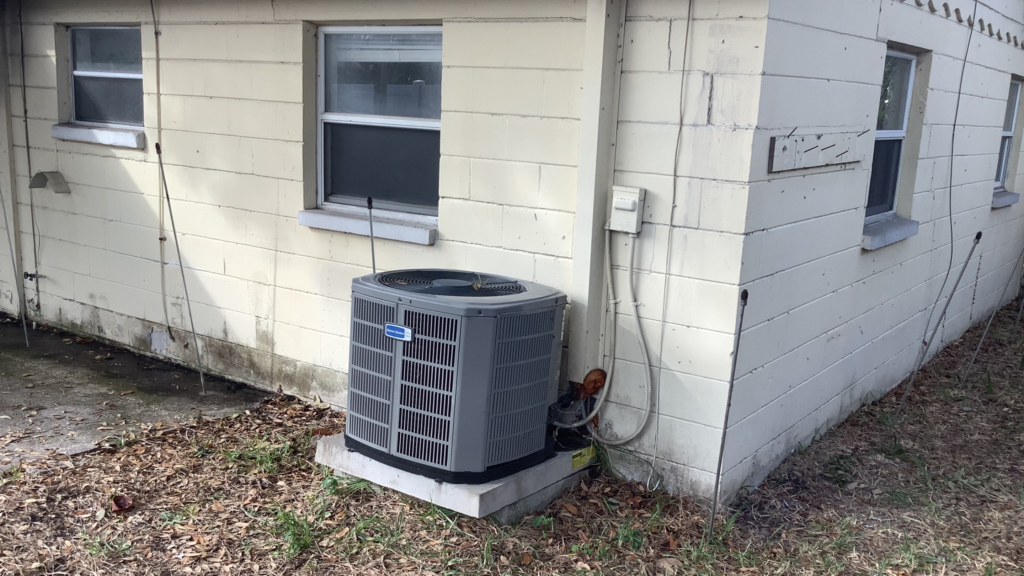
  • 26 total injection points distributed around the foundation.
  • 18 linear runs along wall lines focused on long stretches where slab edge support had weakened.
  • 8 corner points concentrated at re‑entrant or exterior corners where load and geometry increase the risk of voiding.

Production Totals:

– Linear runs: ≈360 lbs of foam (distributed along 18 runs)
– Corners: ≈400 lbs of foam across 8 points
Grand total: ≈760 lbs of two‑part polyurethane

Results & Benefits

  • Stabilization achieved at the perimeter. The foam filled voids and tightened the matrix, creating a more uniform bearing surface beneath the slab edges and walkways.
  • Reduced risk of recurring settlement. With grain‑to‑grain contact restored and voids closed, the system resists further raveling driven by rainfall and irrigation cycles.
  • Clean, fast delivery. Small ports, rapid cure, and compact staging allowed the household to remain fully functional; exterior areas were returned to regular use shortly after completion.
  • Ready for cosmetic repairs. Because lift was not the objective, the home is now a stable platform for sealants, stucco patching, and repainting—work best performed after stabilization to avoid re‑cracking.
  • Lightweight, durable result. Polyurethane adds little dead load and is inert after cure, resisting moisture—an advantage in Florida’s humid, rain‑intense environment.

Homeowner FAQs

Can you make the house perfectly level?

That wasn’t the goal here. Our mandate was stability—to stop the mechanism that was allowing soils to settle and slabs to gap away from the foundation. Where a structure safely allows, we can pursue measured lift on other projects, but this home was scoped intentionally for stabilization only.

How long do polyurethane injections last?

Once cured, the foam is inert and moisture‑resistant. Performance longevity depends on drainage and avoiding re‑introduction of organics beneath slabs. With proper drainage and maintenance (see below), results are long‑lasting.

Will I still need cosmetic repairs?

Yes. Stabilization addresses the cause; cosmetic repairs address the effects. After the foundation is stabilized, seal cracks, recaulk joints, and repaint as desired.

Is this safe for landscaping and utilities?

Yes. Ports are small, volumes are metered, and utilities are located prior to work. The approach avoids large excavations and heavy equipment.

Maintenance & Prevention Checklist

  • Drainage discipline: Keep gutters clean and extend downspouts; maintain a positive grade away from the foundation.
  • Irrigation balance: Avoid chronic saturation along wall lines; adjust timers/emitters to prevent ponding.
  • Backfill hygiene: Do not bury organic matter (roots, mulch, stumps) near slab edges—organics decay into voids.
  • Joint management: Maintain control joints and caulking at slab/foundation interfaces to reduce water ingress.
  • Seasonal check‑ins: Photograph repaired cracks quarterly for a year to confirm stable conditions; call if notable change appears.

About Helicon

Helicon is Florida’s trusted partner for foundation repair, soil stabilization, concrete lifting, and sinkhole remediation. We serve homeowners across Pinellas County and the Greater Tampa Bay region, delivering engineered, minimally disruptive solutions that protect homes for the long term.

Seeing cracks, gaps, or soft soils along your foundation in Pinellas Park, St. Petersburg, Largo, or Clearwater? Helicon’s polyurethane injection program can fill voids, tighten soils, and re‑support slab edges quickly—often in a single day. Call 844HELICON for a free inspection and a stabilization plan tailored to your home.

FREE INSPECTION REQUEST

This field is for validation purposes and should be left unchanged.
Name(Required)
Address(Required)
Address
This field is hidden when viewing the form
Secret Link