You noticed it while pulling out of the driveway: one slab sits noticeably lower than the rest, and a jagged crack runs across the joint. Maybe it’s inside the house instead: a hallway floor that slopes just enough to feel it in your socks, or a fresh crack creeping up the drywall near a doorframe.
These are not random flaws. They are signs that the ground under your property has changed, and chemical grouting is one of the most direct ways to address the cause instead of just patching the surface.
Florida’s mix of sandy soils, high water tables, and sinkhole-prone limestone bedrock makes this one of the few states where the grouting decision depends on local ground conditions.
This guide covers how chemical grouting works, when it’s the right call versus other repair methods, and what a professional injection project actually looks like.
How Injection Stabilizes Ground Beneath a Foundation
A cracked slab or a slightly tilted floor often means the soil underneath has lost volume or strength. Water may have washed it away, a void may have opened up, or the soil may have been weak to begin with. Understanding what’s happening below grade is the first step before deciding on a fix.
What matters is identifying what caused the soil loss in the first place, not just the crack you can see. That’s the difference between a repair that holds and one that reopens the same problem a year later.
How chemical grout finds and fills weak spots depends on whether the property sits on sand, clay fill, or ground with a history of sinkhole remediation. Florida’s sandy, loose soils absorb and lose water differently than clay-heavy ground up north, which changes how grout behaves once it’s injected.
What Chemical Grouting Means in Plain English
Chemical grouting is the process of injecting a liquid chemical mixture into soil or concrete to make it stronger and less permeable.
The grout flows into gaps between soil particles through a process called permeation, meaning the liquid spreads through pore spaces in the soil rather than displacing it, and then hardens into a solid mass. The result is a stiffer, more supportive layer under your slab.
How Liquid Grout Finds Voids and Loose Soil
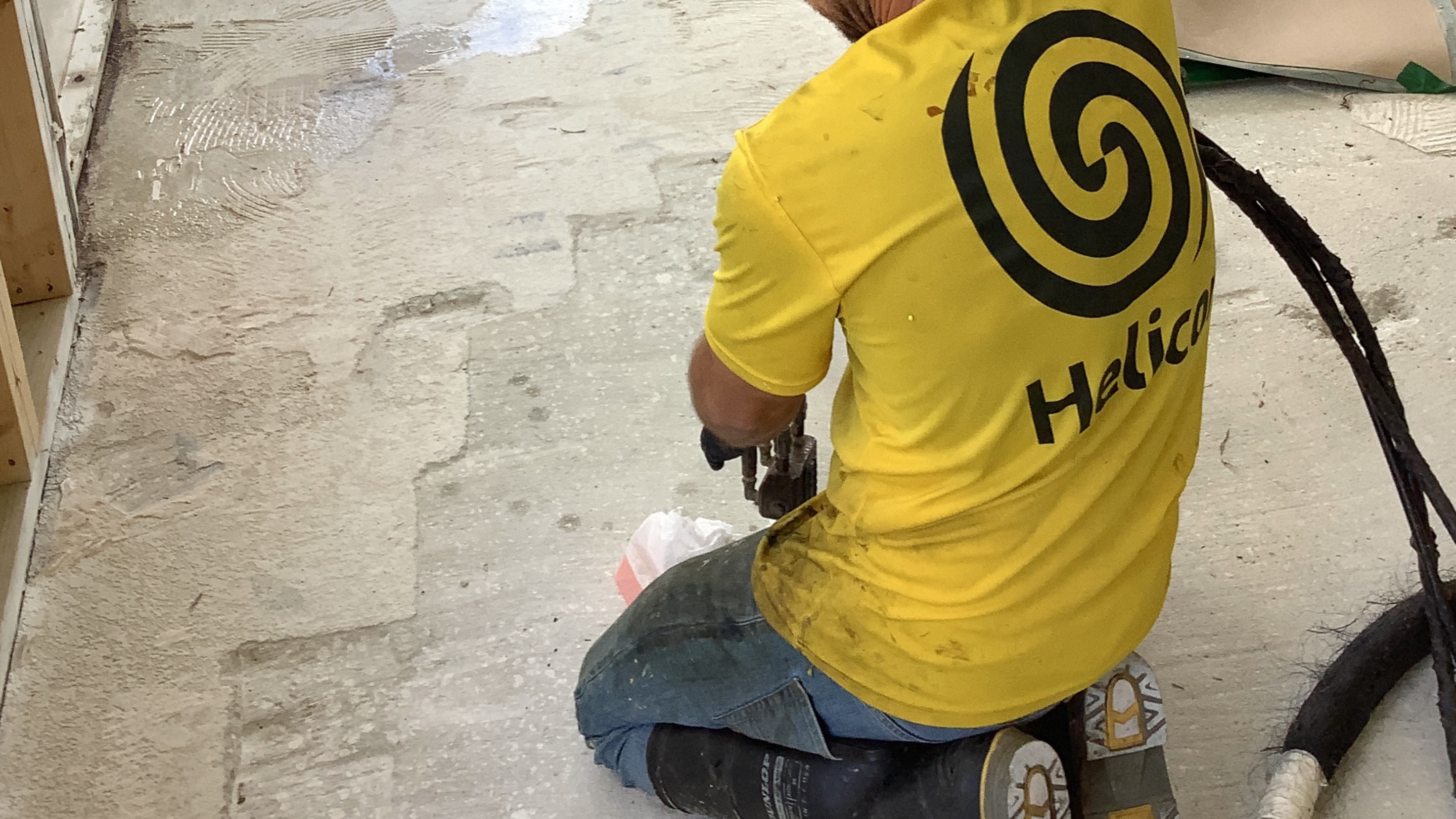
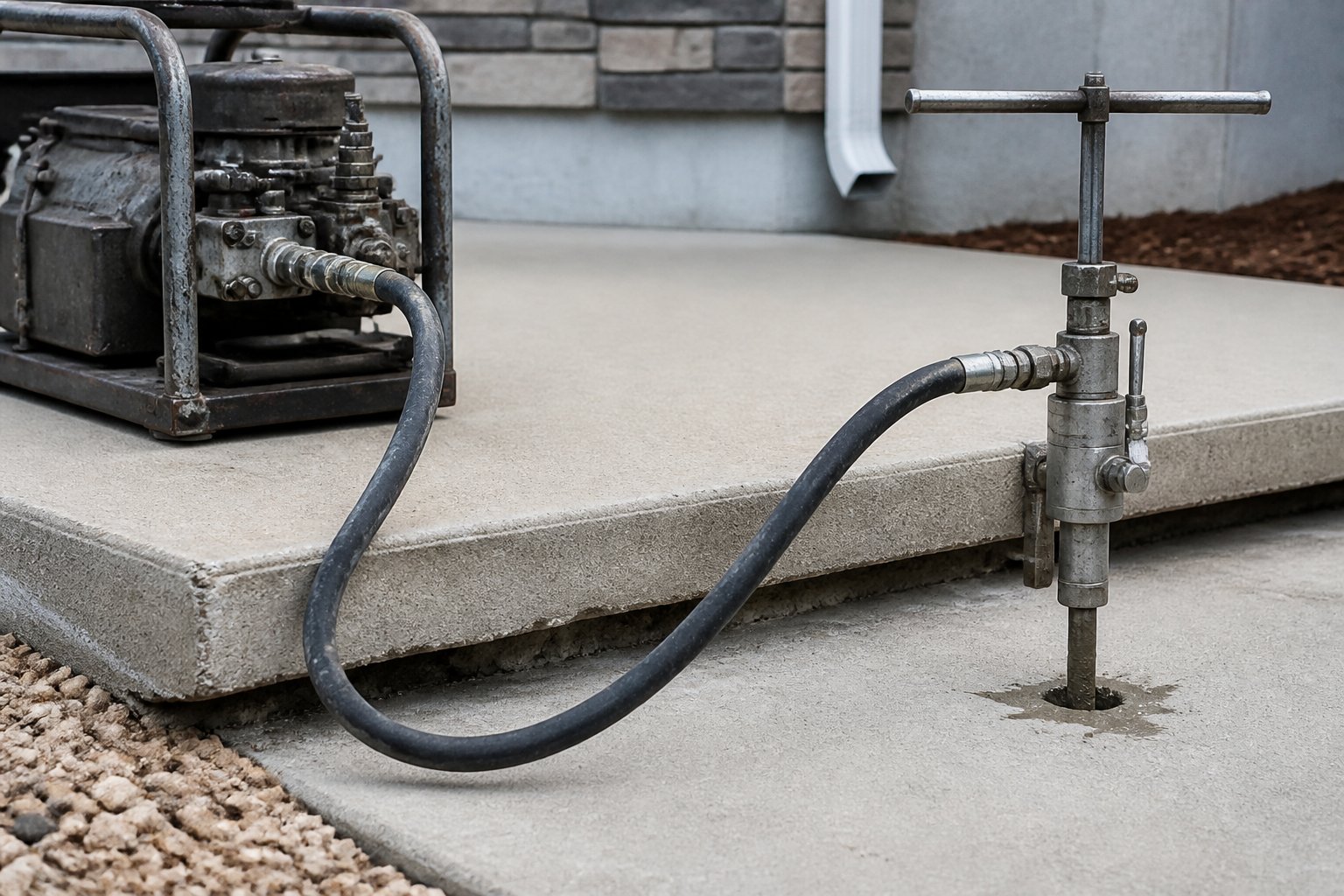
During chemical grout injection, crews drill small holes at planned points around the affected area. Crews pump grout under controlled pressure, a method known as pressure grouting.
Liquids naturally move toward the path of least resistance. That means it fills voids and loose pockets first, which is exactly where soil stabilization is needed most.
What a Stabilized Soil Mass Can and Cannot Do
Grouting restores foundation support by increasing soil density and bearing capacity. It does not rebuild a structure that has already suffered severe structural damage.
- It can fill small to moderate voids and firm up loose soil pockets
- It cannot replace a foundation that has cracked through structural members
- It works best paired with an accurate diagnosis of the underlying cause
Why Florida Ground Conditions Change the Repair Decision
That sinking driveway panel or the crack that keeps growing along your baseboard didn’t happen by accident. Florida’s ground is different from soil in most other states, and that difference shapes which repair actually works.
A crack could mean simple settling or something tied to shifting soil deep below the slab. Sandy ground, seasonal rain, and sinkhole activity all affect how foundations move here. Florida’s mix of loose sand, high water tables, and limestone bedrock prone to dissolving creates challenging soil conditions you won’t find in most of the country.
Sandy Soils, Gravel Layers, and Shifting Ground
Florida soil often contains loose sand and gravel layers that shift more easily than dense clay. This soil movement happens gradually, which is why cracks tend to appear slowly rather than overnight.
Sandy ground also compacts unevenly under the weight of slab foundations, driveways, and pool decks. That uneven settling often triggers sinking slabs.
Rainfall, High Water Tables, and Water Intrusion
Florida’s rainy season pushes large volumes of water through the ground quickly. That water can wash out fine soil particles, leading to water infiltration and intrusion under slabs.
High water tables make the problem worse by keeping soil saturated for longer stretches. Consistent water-control measures, including proper waterproofing, help limit soil erosion over time.
Sinkhole Voids and Signs of Movement Around Slabs
Florida sits on porous limestone that can dissolve and create underground voids. The U.S. Geological Survey notes that when soil above one of these voids gradually settles into the underlying cavity, it produces the kind of surface depression that often triggers sinkhole remediation work, frequently paired with grouting.
Watch for these signs: doors that stick, new gaps around window frames, or a slab edge pulling away from a wall. Any of these can point to movement worth investigating with soil grouting sooner rather than later.
Chemical Grouting, Compaction Grouting, and Other Repair Options
Standing in your driveway looking at a cracked slab, it’s natural to wonder which repair method actually applies to your situation. Not every sinking slab needs the same fix, and picking the wrong one wastes both time and money.
A driveway with minor void loss needs a different approach than a foundation showing real structural repair needs. Chemical grouting, compaction grouting, mudjacking, and helical piers each differ in how they treat the soil. Florida’s sandy, loose soils often respond better to certain methods than the denser clay soils common in other parts of the country.
When Permeation Grouting Is the Better Fit
Permeation-style chemical grouting works well when soil is loose but largely intact, with small voids scattered through it. It’s a lower-disturbance option that fills gaps without displacing soil.
This method suits situations where soil instability is mild to moderate, and where preserving landscaping or nearby structures matters.
How Compaction Grouting Works Differently
Compaction grouting uses a thicker, low-mobility grout mixture pumped in under higher pressure. Instead of permeating soil like chemical grout, it displaces and compacts the surrounding soil, forming dense grout columns.
This approach fits larger voids or soil that has lost significant density, often the case with confirmed sinkhole activity. Older methods like mudjacking use a similar displacement idea but with a different mix and less precision.
When Helical Piers or Concrete Repairs May Be Needed
If soil loss has caused real settlement in the structure itself, grouting alone may not be enough. Helical piers transfer the building’s load down to more stable soil layers, bypassing the weak zone entirely.
Foundation repair at this stage often combines piers with surface-level concrete repair to restore both structural stability and appearance.
Choosing the Right Grout for Water, Soil, or Concrete Problems
A crack that stays dry after rain behaves differently than one that seeps water every storm. That difference matters when choosing the right chemical grout for your repair.
Grout material selection depends on what’s actually happening at the property, not a one-size-fits-all product. A pool deck with water intrusion needs a different mix than a dry interior crack from settling.
The main grout types used in foundation work each solve a different problem, and Florida’s saltwater exposure near coastal properties adds another layer to this decision, since some materials hold up better against salt-laden moisture than others.
Polyurethane Grout for Expanding Into Wet Voids
Polyurethane grout, also called urethane grout, expands on contact with water. That property makes polyurethane grouting especially useful for voids that stay damp or actively leak, including areas near groundwater where ongoing water infiltration is a concern.
Acrylic, Cement, and Epoxy Materials Compared
Acrylic grout sets quickly and stays flexible, useful for sealing active cracks. Cement grout works well for larger volumes and heavier loads but takes longer to cure.
Epoxy grout, made from epoxy resins, offers high strength and chemical resistance and is often chosen for structural crack repair rather than soil work.
Matching Grout Properties to the Repair Goal
- Choose polyurethane grouts when a waterproof barrier is the priority
- Choose cement-based grout for large void filling under heavy structures
- Choose epoxy when strength and rigidity matter more than flexibility
What a Professional Grouting Project Involves
Once you’ve decided grouting might be the answer, it helps to know what the actual work looks like. A driveway sinking at one corner or a hallway floor with a noticeable dip both start with the same first step: a proper site evaluation.
A thorough evaluation process gives property owners a clear picture of exactly what’s happening below their slab before any injection begins, which matters when the work is happening a few feet from your foundation.
Florida properties near the coast or in known sinkhole zones often require extra care during surface preparation and environmental impact review before work starts.
Site Investigation, Utility Checks, and Repair Design
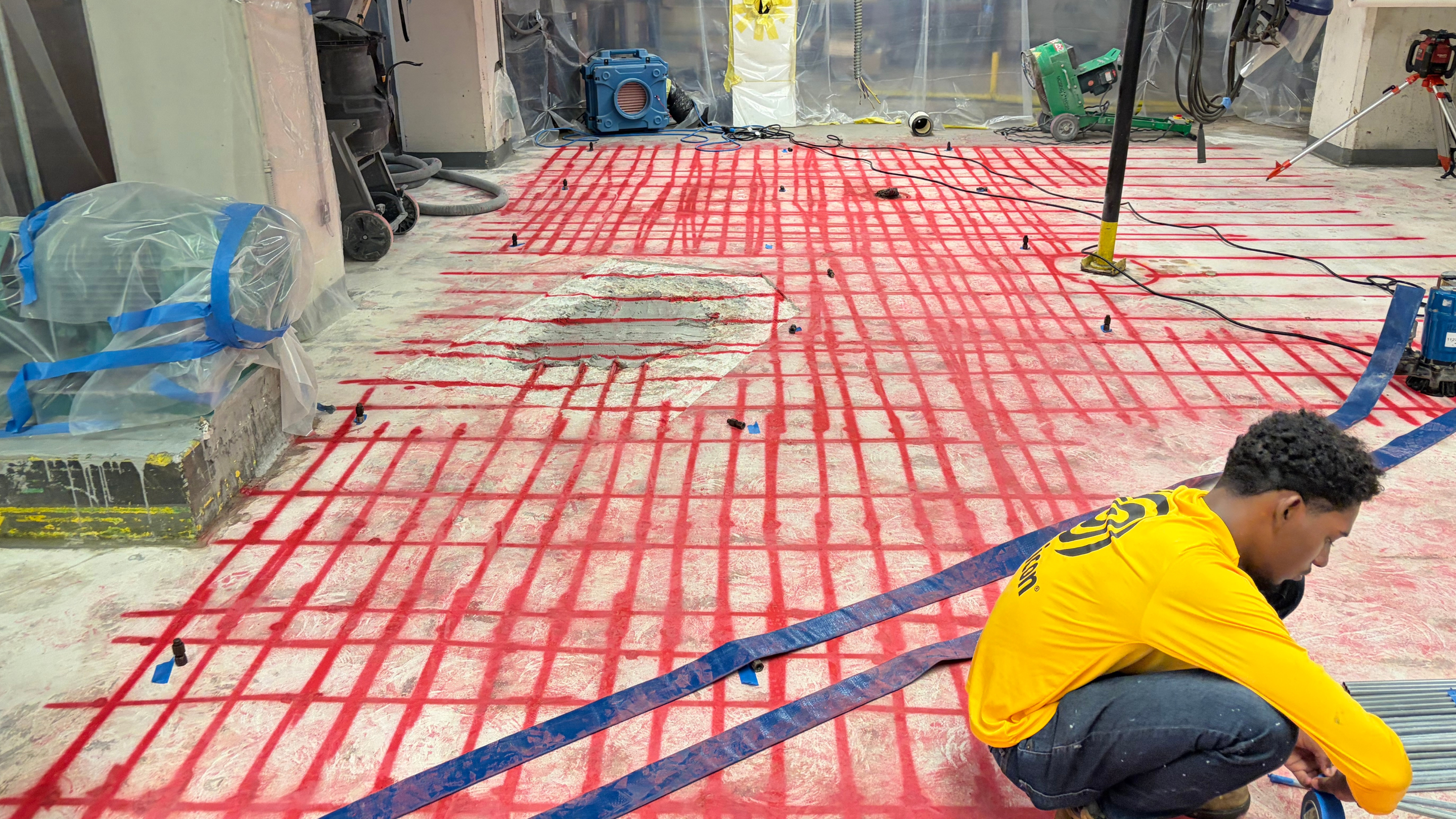
Every project starts with a site investigation to map soil conditions, existing voids, and buried utility lines. This step decides where injection points go and how much grout the job will need.
Skipping this stage risks hitting pipes or wiring, or missing the actual void causing the problem.
Injection Points, Pressure Control, and Monitoring
Crews drill small holes at calculated intervals, then inject grout while closely monitoring injection pressure. Too much pressure can lift a slab unevenly; too little won’t fill the void completely.
Monitoring equipment tracks the slab’s response in real time, allowing mid-injection adjustments.
Surface Preparation, Curing, and Environmental Safeguards
After injection, crews patch the holes and clean the surface. Grout needs time to cure fully, which restores structural integrity to the treated area.
Reputable crews also follow water control practices to prevent runoff from affecting nearby soil or waterways during the process.
Get a Clear Answer Before Settlement Gets Worse
A crack that’s grown an inch since last year, or a driveway panel that keeps sinking a little more each season, deserves a real answer. Guessing at the cause rarely works out, and waiting usually doesn’t make the underlying soil problem disappear.
Helicon has spent two decades answering exactly these questions for Florida property owners. Florida’s soil, from sandy fill to old tunnels and mining-affected ground in some regions, means local knowledge changes the accuracy of any diagnosis.
Questions to Bring to a Foundation Inspection
Bring specific questions rather than general worry. Ask what’s causing the movement, whether soil stability is the root issue, and which repair method fits your soil type.
Also ask how the company verifies success after the work is done, and what warranty applies.
When to Schedule a Free On-Site Evaluation
Not sure if that crack is cosmetic or structural? Helicon’s free inspection gives you a clear answer with no obligation.
The right time to schedule is now, while the issue is still manageable and before it affects more of the structure.
Protecting Structural Stability and Property Value
Addressing soil issues early protects both structural integrity and resale value. Buyers and inspectors take foundation history seriously, and a documented repair often reassures them more than silence would.
Frequently Asked Questions
What is chemical grouting, and how can it stabilize a settling foundation?
Chemical grouting injects a liquid mixture into soil beneath a foundation, where it fills gaps and hardens into a solid mass. This increases soil density and bearing capacity, which helps stop further settlement.
How much does chemical grouting for foundation repair typically cost in Florida?
Cost depends on the size of the affected area, soil conditions, and how much grout the repair requires. A free on-site inspection gives an accurate estimate based on your specific property rather than a broad average.
Can chemical grout fill voids in sandy soil beneath a concrete slab?
Yes, chemical grout is often well suited to sandy soil because it permeates the loose spaces between sand particles effectively. This helps restore the soil’s density and support capacity under the slab.
How long does chemical grouting take, and will it disrupt my home or landscaping?
Most chemical grouting projects finish within one to a few days, depending on the extent of the void or soil weakness. The process uses small injection holes, so it causes far less disruption than excavation-based repairs.
Is chemical grouting a permanent repair for foundation settlement or sinkhole-related soil loss?
Chemical grouting provides a durable, long-lasting fix when the underlying cause of soil loss is properly identified and addressed. It is not always permanent if new water intrusion or soil movement develops later, so ongoing monitoring helps protect the repair.
What signs show that my foundation may need chemical grouting instead of another repair method?
Signs include gradual settling, small to moderate voids confirmed by inspection, and loose or sandy soil rather than large collapsed areas. A site evaluation is the most reliable way to confirm which method, chemical grouting, compaction grouting, or piers, fits your situation.
A Clear Next Step for a Foundation That Won’t Wait
A cracked slab or sloping floor rarely fixes itself. Understanding the cause, whether it’s loose sand, water intrusion, or a developing sinkhole void, is what separates a lasting repair from a short-term patch.
Call Helicon today and talk to a Florida foundation specialist who has seen this problem before. A free inspection gives you a clear picture of what’s happening under your property, with no pressure and no guessing involved.