Direct Answer
Some foundation issues can be monitored for a short period if the signs are minor, stable, and isolated. But foundation problems that are getting worse, appearing with multiple warning signs, or caused by active soil movement usually do not fix themselves.
Foundation movement and settlement rarely improve with time. If the underlying cause is still active, the problem usually progresses. Cracks may widen, doors and windows may stick more, floors may become more uneven, gaps may grow, and both cosmetic repairs and foundation repairs may become more complex and costly.
The most important question is not simply whether you can wait. The better question is whether the foundation issue is active or stable. If symptoms are changing, spreading, or returning after repair, the cause should be inspected before more damage occurs.
Waiting is not automatically wrong, but guessing is risky. Minor, isolated, stable signs can sometimes be monitored. Active movement, multiple symptoms, water problems, soil washout, or symptoms that keep returning usually deserve an inspection because the underlying cause may continue to damage the home.
Homeowner Tip: The safest way to decide whether to wait is to ask whether the symptoms are stable or changing. Stable and isolated can sometimes be monitored. Changing, spreading, or returning should be inspected.
Read more: Foundation Problems in Florida: The Complete Homeowner Guide
When It May Be Okay to Monitor Foundation Signs
Not every crack, gap, or sticking door means a home needs immediate foundation repair. Some signs are cosmetic, especially when they are small, isolated, and stable.
It may be reasonable to monitor the issue for a short period when:
- There is one small hairline drywall crack
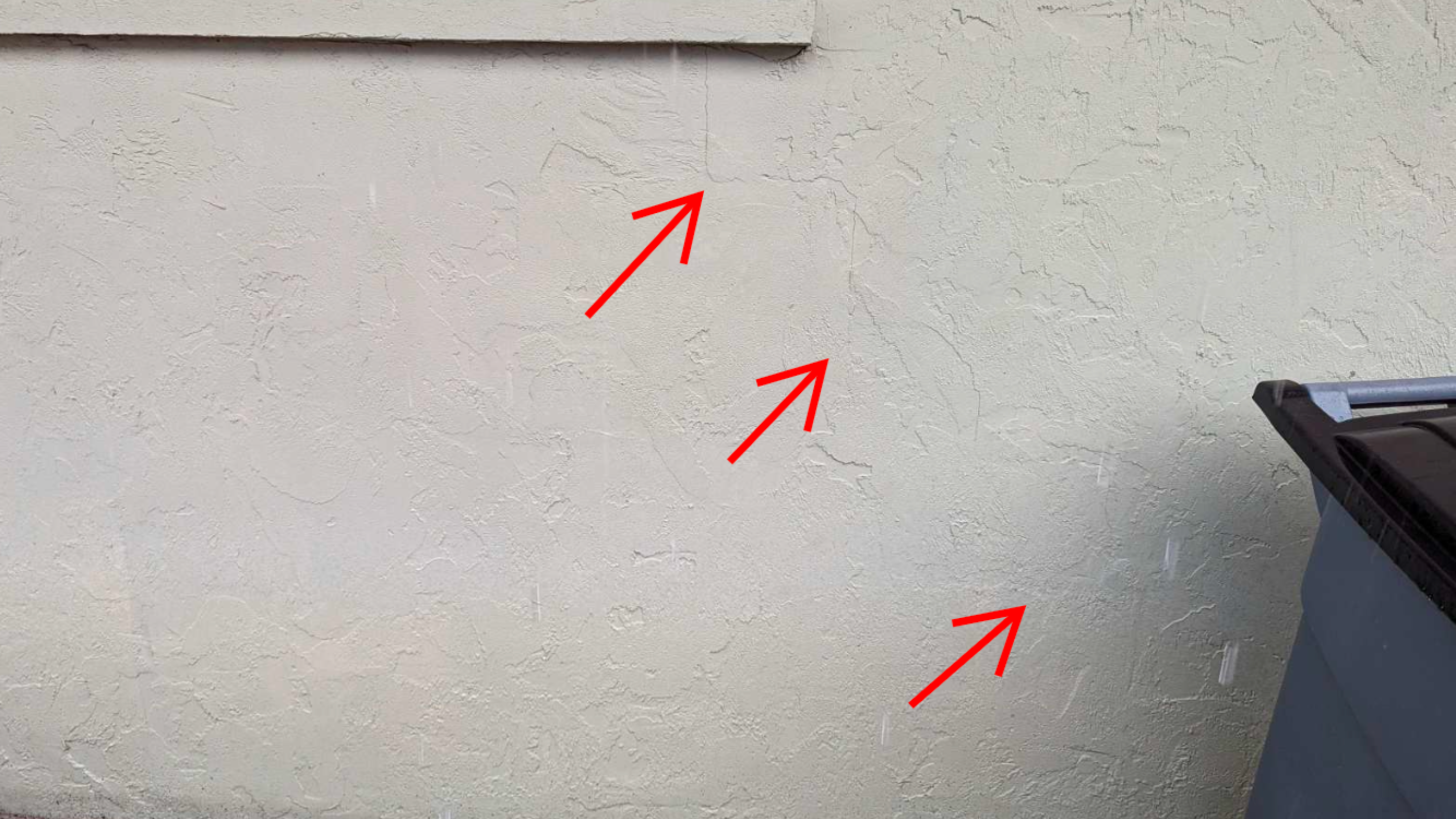
- There is one small hairline stucco crack
- There is a very small caulk or trim gap, roughly 1/16 inch or less
- A door or window issue appears to be related to hardware, paint, or humidity
- The crack, gap, or finish issue has not changed over time
- There are no sticking doors or windows nearby
- There are no uneven floors nearby
- There are no stair step cracks in block walls
- There is no exterior concrete settlement near the home
- There are no signs of soil washout, erosion, or drainage problems
Monitoring is only reasonable when the signs are minor and stable. It should not become an excuse to ignore movement that is spreading or getting worse.
If you choose to monitor, document the condition carefully. Take dated photos, measure crack width, spreads, or returns after repair, it should be inspected.
Read more: How to Tell If Foundation Cracks Are Serious or Cosmetic
When Waiting Is Risky
Waiting becomes risky when the signs suggest active movement.
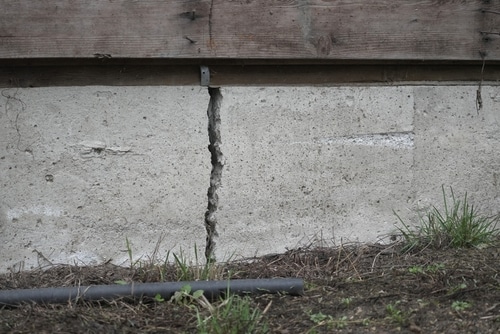
A foundation issue is more concerning when symptoms are changing, spreading, or appearing together. One small cosmetic crack may not be urgent. A crack with a sticking door, a growing gap, uneven floors, and exterior concrete settlement is a different situation.
You should be more cautious when you notice:
- Stair step cracks in concrete block walls
- Cracks that reopen after repair
- Multiple warning signs in the same area
- Cracks around window or door corners
- Doors or windows sticking worse over time
- Uneven floors getting worse
- Growing gaps around windows, doors, trim, walls, ceilings, or floors
- Exterior concrete settling near the home
- Soil washout or erosion near the foundation
- Water draining toward the foundation
Foundation issues usually do not solve themselves with more time. If weak soils, erosion, poor compaction, drainage, washout, or deeper settlement are still affecting the structure, the symptoms may continue to spread.
The longer active movement continues, the more likely it is that cosmetic repairs will fail and structural repairs will become more involved
Read more: Signs Your Home Foundation Is Sinking in Florida
Monitor vs Schedule an Inspection
| What You Notice | May Be Okay to Monitor | Should Be Inspected |
| One small hairline crack | If stable, isolated, and not changing | If widening, spreading, or returning |
| Small caulk or trim gap | If isolated and stable | If widening or paired with cracks |
| Minor stucco crack | If hairline and not changing | If diagonal, widening, or near openings |
| Stair step crack in block wall | Usually not something to ignore | Should be inspected |
| Sticking door or window | May be humidity or hardware if isolated | Inspect if worsening or paired with cracks or gaps |
| Uneven floor | Monitor only if minor and clearly stable | Inspect if sloping, changing, or paired with other signs |
| Exterior concrete settlement | May be isolated concrete movement | Inspect if near the home or paired with foundation signs |
| Crack that reopens after repair | Not a good monitor-only sign | Strong sign the cause may still be active |
| Multiple symptoms together | Higher concern | Should be inspected |
This table is a guide, not a diagnosis. The key question is whether the symptom is isolated and stable or whether it is part of a larger pattern of movement.
When in doubt, the safest next step is not necessarily repair. It is getting the issue evaluated before spending money on cosmetic fixes.
If the issue involves sticking doors or windows, see our guide to door and window symptoms.
Read more: Why Are My Doors and Windows Sticking in My House?
If the issue involves gaps around frames or trim, see our guide to gaps around windows and doors.
Read more: Gaps Around Windows and Doors: Foundation Problem or Normal Settling?
Checklist: Signs You Should Not Wait to Schedule a Foundation Inspection
You should not wait to schedule a foundation inspection if you notice:
- Cracks are getting wider or longer
- Stair step cracks appear in concrete block walls
- Cracks return after caulking, patching, painting, or stucco repair
- Doors or windows are sticking worse over time
- Gaps around windows, doors, trim, walls, ceilings, or floors are growing
- Floors feel more uneven or sloped than before
- Exterior concrete near the home is settling
- Soil near the foundation is washing out, eroding, or sinking
- Water drains toward the foundation
- Multiple warning signs appear in the same area
- Symptoms appear near a corner, garage opening, exterior wall, or addition
- You are planning to sell, remodel, install new flooring, or replace windows or doors
If several of these signs are present, waiting may allow the underlying cause to continue damaging the structure.
Read more: Is Stair-Step Cracking in Block Walls a Serious Foundation Issue?
Why Foundation Problems Often Get Worse Over Time
Foundation problems often get worse because the cause is usually below the surface.
A crack can be patched. A gap can be caulked. A door can be adjusted. But if the soil beneath the home is still weak, loose, eroding, washing out, or settling, the movement can continue.
| Active Cause | What Can Happen Over Time |
| Weak or loose shallow soils | The foundation or slab may continue settling |
| Poorly compacted fill soils | Settlement may continue as the soil compresses |
| Water softening soils | Support beneath the home may weaken further |
| Drainage sending water toward the foundation | The same area may keep softening or eroding |
| Plumbing leaks or pipe breaks | Voids or washout beneath the slab may grow |
| Exterior concrete settlement | Nearby soil weakness may also affect the home |
| Deeper soil settlement | Foundation movement may become more complex |
| Additions or transitions moving differently | Cracks and gaps may continue at connection points |
When the support beneath part of the home changes, the structure above can move. That movement may show up as cracks, gaps, sticking doors, uneven floors, or settlement outside the home.
Foundation movement and settlement rarely get better with time. If the cause is still active, the symptoms usually continue.
Read more: How Florida Soil Affects Foundations
What Happens If You Delay Foundation Repair?
The most common cost of waiting is that cosmetic repairs become more frequent, more expensive, and less effective. Homeowners may spend money patching cracks, painting walls, repairing stucco, adjusting doors, replacing flooring, or caulking gaps, only to see the same symptoms return.
Foundation repairs can also become more complex and costly over time.
Delaying inspection or repair may lead to:
- Wider cracks
- Longer cracks
- Cracks that return after repair
- More visible stucco or drywall damage
- More sticking doors and windows
- Larger gaps around frames, trim, walls, ceilings, or floors
- More uneven or sloping floors
- More exterior concrete settlement near the home
- Larger areas of weak or unstable soil
- More complicated repair planning
- More piers or larger stabilization areas later
- Failed cosmetic repairs
- Problems during a home sale, inspection, appraisal, or insurance review
A small foundation issue does not always become a major structural problem. But active movement that is ignored can become harder to solve.
The goal is to understand the cause early, before the damage pattern spreads.
Read more: Why Foundation Repair Quotes Vary So Much
How Florida Soil and Water Make Waiting Riskier
Florida homes are especially affected by soil and water conditions. Many homes are built on sandy soils, fill soils, or shallow weak soils that can shift, compress, soften, erode, or wash out over time.
Heavy rainfall can make these conditions worse. Water can soften soils, wash loose material away, create voids, or concentrate erosion near the foundation. Poor drainage can keep sending water toward the same weak area, allowing the problem to continue.
| Florida-Related Risk Factor | Why Waiting Can Be Risky |
| Heavy rainfall | Can soften soils and accelerate movement |
| Sandy soils | Can shift, wash out, or lose support |
| Poor drainage | Can keep water moving toward the same weak area |
| Soil washout | Can remove support beneath slabs or foundation areas |
| Plumbing leaks or pipe breaks | Can create or enlarge voids beneath the slab |
| Poorly compacted fill | May continue compressing under the structure |
| Shallow weak soils | May allow continued settlement |
| Sinkhole-related conditions in certain Florida regions | May contribute to settlement or structural movement |
| Coastal or waterfront soil movement | Can create shifting, erosion, or support loss |
| Stormwater draining toward the home | Can keep the underlying cause active |
Water is one of the biggest reasons waiting can be risky. If drainage is not corrected, the same soils may continue to soften, erode, or lose support. If plumbing leaks or pipe breaks are involved, voids or washed-out soils beneath the slab may continue to grow until the water source is addressed.
Sinkhole-related conditions can also contribute to settlement in certain areas of Florida, but not every foundation issue is a sinkhole. Many problems are related to shallow soils, poor compaction, drainage, erosion, or washout.
Read more: What Causes Foundation Settlement in Florida?
Cost of Waiting: Minor Repair vs Larger Repair
Waiting can increase the cost in two ways.
First, cosmetic repairs can become more expensive. A small crack may become a larger crack. A minor gap may become a larger trim or drywall repair. A sticking door may become a frame issue. Flooring may crack, separate, or need replacement again if the slab or foundation continues to move.
Second, foundation repairs may become more involved. A smaller stabilization area may become a larger stabilization area. A problem that may have been addressed with shallow soil stabilization may require a more complex repair if settlement progresses. More piers, larger treatment areas, or combined repair methods may be needed if the movement spreads.
| Early Stage | If Active Movement Continues |
| Small crack | Wider or longer crack that keeps returning |
| Minor stucco repair | Failed stucco repair because the wall is still moving |
| Door adjustment | Door starts sticking again if frame movement continues |
| New flooring | Flooring cracks or separates if slab movement continues |
| Small exterior concrete settlement | Larger settlement area that points to wider soil weakness |
| Small stabilization area | Larger treatment area may be needed later |
| Early foundation movement | Lifting and repair planning may become more complex |
The exact cost depends on the cause, severity, access, soil conditions, engineering requirements, and repair method. But in general, active movement is easier to manage when it is identified early.
Read more: How Much Does Foundation Repair Cost in Florida?
How to Monitor Minor Foundation Signs
Monitoring can be useful when symptoms are minor, isolated, and not changing. It should be intentional, not passive.
If you decide to monitor a small crack, gap, or minor symptom, use this simple process:
- Take clear, dated photos.
- Measure the crack or gap width when possible.
- Mark the ends of a crack lightly with pencil or tape if appropriate.
- Write down where the symptom is located.
- Note whether nearby doors or windows are sticking.
- Check whether floors nearby feel uneven or sloped.
- Look for new gaps around trim, frames, walls, ceilings, or floors.
- Check after heavy rain.
- Re-check monthly for 2 to 3 months if symptoms are minor and stable.
- Schedule an inspection if anything changes.
Monitoring should not continue indefinitely if symptoms are changing. If a crack widens, a gap grows, a door sticks worse, or a new related symptom appears, the issue should be inspected.
Since Helicon offers free foundation inspections, a free inspection is often safer than guessing when you are unsure whether the movement is active.
Read more: What a Foundation Inspection Looks Like
What Homeowners Should Not Do
The biggest mistake homeowners make is spending money on cosmetic repairs before diagnosing whether movement is still active.
Patching, caulking, painting, or replacing finishes can improve appearance, but those repairs will not stop foundation settlement, wall movement, slab movement, soil washout, or drainage problems.
Homeowners should avoid:
- Patching, caulking, painting, or replacing finishes before diagnosing movement
- Waiting until symptoms become obvious or severe
- Failing to document whether symptoms are changing
- Assuming the repair will be too expensive and avoiding the inspection
- Assuming the issue is normal settling
- Ignoring drainage or water problems
- Spending money on doors, windows, flooring, or cosmetic repairs before checking for movement
The right first step is to understand whether the issue is active or stable. Once the cause is known, cosmetic repairs can be made with more confidence.
How Helicon Determines Whether the Issue Is Active
When Helicon evaluates foundation concerns, the inspection looks at the full pattern of movement, not just one crack, gap, or door.
The goal is to determine whether the signs are cosmetic, stable, active, related to shallow soil settlement, or connected to deeper foundation movement.
A proper evaluation may include:
- Listening to the homeowner’s history of when the issue appeared
- Determining whether symptoms are changing over time
- Reviewing cracks, gaps, sticking doors, sticking windows, and floor movement
- Looking for stair step cracks in block walls
- Inspecting cracks near windows, doors, corners, garage openings, and additions
- Checking door and window operation
- Looking for gaps around frames, trim, walls, ceilings, baseboards, and floors
- Checking floor elevations with a Zip Level when needed
- Inspecting exterior concrete settlement near the home
- Reviewing drainage and water movement around the foundation
- Looking for soil erosion, washout, or void signs
- Asking about plumbing leaks, pipe breaks, or prior water damage
- Using a soil probe near the foundation where appropriate
A Zip Level can help identify whether one area of the home has dropped compared with surrounding areas. A soil probe can help evaluate whether the upper soils near the foundation are loose or weak.
The inspection should answer one main question: is the home showing stable cosmetic movement or active foundation movement?
Read more: Foundation Inspection
Repair Options Based on Severity
The right next step depends on what is causing the foundation signs.
| If the Issue Is… | The Next Step May Be… |
| Cosmetic and stable | Monitoring or cosmetic repair |
| Door, window, trim, or finish-related | Repair by the appropriate trade |
| Drainage contributing to soil movement | Drainage correction before foundation or soil repairs |
| Shallow weak soils | Polyurethane soil stabilization |
| Voids beneath parts of the slab or foundation | Structural polyurethane void filling or slab support |
| Significant foundation settlement or deeper soil movement | Push piers, helical piers, drilled piers, or engineered support |
| Combined settlement and void conditions | Combined pier and polyurethane repair approach |
If the issue is cosmetic and stable, monitoring or cosmetic repair may be appropriate. That may include drywall repair, stucco repair, caulk, paint, trim repair, door adjustment, or other finish work.
If water or drainage is contributing to soil movement, drainage correction may be needed before foundation or soil repairs are performed.
If shallow weak soils are contributing to settlement, polyurethane soil stabilization may be recommended to improve the soil’s ability to support the foundation and reduce continued settlement.
If voids are present beneath parts of the slab or foundation, structural polyurethane foam may be used for void filling or slab support.
If the foundation has settled significantly, if deeper soils are involved, or if precision lifting is needed, push piers, helical piers, or drilled piers may be recommended. These systems transfer the load of the affected area where the piers are installed down to deeper competent bearing soils.
In some cases, a combined repair may be needed. For example, piers may be used to stabilize and lift a foundation area, while structural polyurethane foam is used to fill voids beneath the slab or foundation.
The best repair is not always the largest repair. The best repair is the one that solves the actual cause of the movement.
The right repair path depends on whether the issue is cosmetic, water-related, soil-related, slab-related, or structural.
For shallow weak soil issues, see our polyurethane soil stabilization service page.
Read more: Polyurethane Soil Stabilization
For deeper settlement or structural movement, see our foundation repair service page.
Read more: Foundation Repair
How Much Does It Cost to Fix Foundation Issues?
The cost depends on what caused the foundation issue, how severe it is, and whether the symptoms are cosmetic, soil-related, slab-related, or structural.
If the issue is cosmetic and stable, repair costs are contractor-specific and depend on the material, area, access, and finish quality.
If the issue is caused by foundation settlement or soil movement, costs depend on the repair method, access, severity, soil conditions, engineering requirements, and how much of the home is affected.
| Repair Type | Typical Cost Range | When It Applies |
| Cosmetic repair | Contractor-specific | Stable cracks, caulk, trim, drywall, stucco, paint, or finish work |
| Concrete lifting or slab support | Around $1,500 to $8,000 | Slab support, void filling, or nearby concrete settlement |
| Home foundation polyurethane soil stabilization | Around $5,000 to $20,000 | Shallow weak soils are contributing to settlement |
| Underpinning systems with piers | Around $10,000 to $60,000 | Deeper settlement or controlled foundation lifting is needed |
| Combined pier and polyurethane repairs | Project-specific | Lifting and void filling are both needed |
*These are typical Florida pricing examples based on published industry resources and contractor pricing guides. They are intended for educational purposes only and are not Helicon’s pricing. Every home is different, and a professional inspection is the only way to determine the appropriate repair and provide an accurate quote.
The cost should be based on the cause, not the symptoms alone. A cosmetic crack, a drainage issue, a slab void, shallow soil settlement, and deeper foundation settlement are different problems with different repair needs.
If the issue involves slab support, void filling, or nearby settled concrete, see our concrete lifting and slab support page.
Read more: Concrete Lifting
When to Schedule a Foundation Inspection
You should schedule a foundation inspection if symptoms are changing, spreading, returning after repair, or appearing with other signs of movement.
Call an expert if you notice:
- Stair step cracks in concrete block walls
- Cracks that widen or lengthen
- Cracks that return after repair
- Sticking doors or windows getting worse
- Growing gaps around windows, doors, trim, walls, ceilings, or floors
- Uneven or sloping floors
- Exterior concrete settling near the home
- Soil washout or erosion near the foundation
- Water draining toward the foundation
- Multiple warning signs in the same area
- Symptoms near a corner, garage opening, exterior wall, or addition
- You are planning to sell, remodel, install new flooring, or replace windows or doors
Not sure whether you can wait or should act now? Helicon can inspect the warning signs, evaluate whether movement appears active, review drainage and soil conditions when needed, and help determine the right next step.
Why Florida Homeowners Trust Helicon
Helicon has been helping Florida homeowners solve foundation repair, soil stabilization, concrete lifting, seawall erosion repair, sinkhole repair, and slab support problems since 2004.
As a family-owned Florida company, Helicon understands the soil conditions, construction practices, drainage issues, and settlement patterns that affect homes across Tampa Bay, Orlando, Southwest Florida, and surrounding areas. Our team works on both residential and complex commercial stabilization projects, often in coordination with engineers, property owners, municipalities, builders, and other construction professionals.
We are not there to tell every homeowner that every crack, gap, or sticking door means major foundation repair. We are there to determine whether the issue is cosmetic, stable, active, soil-related, or structural.
Sometimes monitoring is appropriate. Sometimes drainage correction is needed. Sometimes shallow soils need stabilization. Sometimes the home needs structural underpinning. Sometimes the best solution is a combination of repairs.
The goal is always the same: identify the cause, protect the structure, and recommend the least invasive repair that properly addresses the movement.
Read more: About Helicon
Schedule a Free Foundation Inspection
If you are unsure whether your foundation issue can wait or may be getting worse, Helicon can help.
Our team can evaluate cracks, gaps, doors, windows, floors, drainage, exterior settlement, and soil conditions when needed to help determine whether the issue is cosmetic, stable, active, or foundation-related.
Schedule a free foundation inspection with Helicon to find out what is causing the issue and what should be done next.
Read more: Foundation Repair
FAQ
Can I wait to fix foundation problems?
You may be able to monitor minor, isolated, stable signs for a short period. But foundation problems that are getting worse, returning after repair, or appearing with multiple warning signs should be inspected. Active foundation movement usually does not improve with time.
Do foundation problems get worse over time?
They often do if the underlying cause is still active. Weak soils, poor compaction, drainage problems, erosion, washout, voids, or deeper settlement can continue affecting the structure until the cause is addressed.
What foundation signs can be monitored?
A single small hairline crack, a very small caulk or trim gap, or a minor cosmetic finish issue may be monitored if it is stable, isolated, and not paired with other symptoms. Take dated photos and watch for changes.
What foundation signs should not be ignored?
Stair step cracks, cracks that reopen after repair, worsening sticking doors or windows, growing gaps, uneven floors, exterior concrete settlement, soil washout, drainage problems, and multiple symptoms in the same area should not be ignored.
How long should I monitor a small crack or gap?
If the symptom is minor, isolated, and stable, you may monitor it monthly for 2 to 3 months. Check again after heavy rain. If the crack widens, the gap grows, or new symptoms appear, schedule an inspection.
Can I just patch cracks and wait?
Patching may be fine for a stable cosmetic crack, but it can be a mistake if the crack is caused by active movement. If a crack reopens after patching, caulking, painting, or stucco repair, the underlying cause should be evaluated.
Will waiting make foundation repair more expensive?
It can. Cosmetic repairs may fail or become more extensive, and foundation repairs can become more complex if movement continues. Larger stabilization areas, additional piers, or combined repairs may be needed if the problem spreads.
Should I fix drainage before foundation repair?
If drainage is contributing to soil movement, it should be addressed as part of the overall solution. Water draining toward the foundation can soften soils, cause erosion, and allow movement to continue.
Should I get an inspection before remodeling or selling?
Yes. If you are planning to sell, remodel, install new flooring, replace windows or doors, or repair finishes, it is wise to understand whether foundation movement is active before spending money on cosmetic upgrades.
When should I call Helicon?
Call Helicon if symptoms are changing, spreading, returning after repair, or appearing with cracks, sticking doors, growing gaps, uneven floors, exterior concrete settlement, drainage problems, or soil washout.