
Naples, FL
The Project
The Challenge
The Solution
FREE INSPECTION REQUEST

Market: Residential
Solution: Push Piers and Two-Part Structural Polyurethane Injections
Services: Foundation Repair and Soil Stabilization
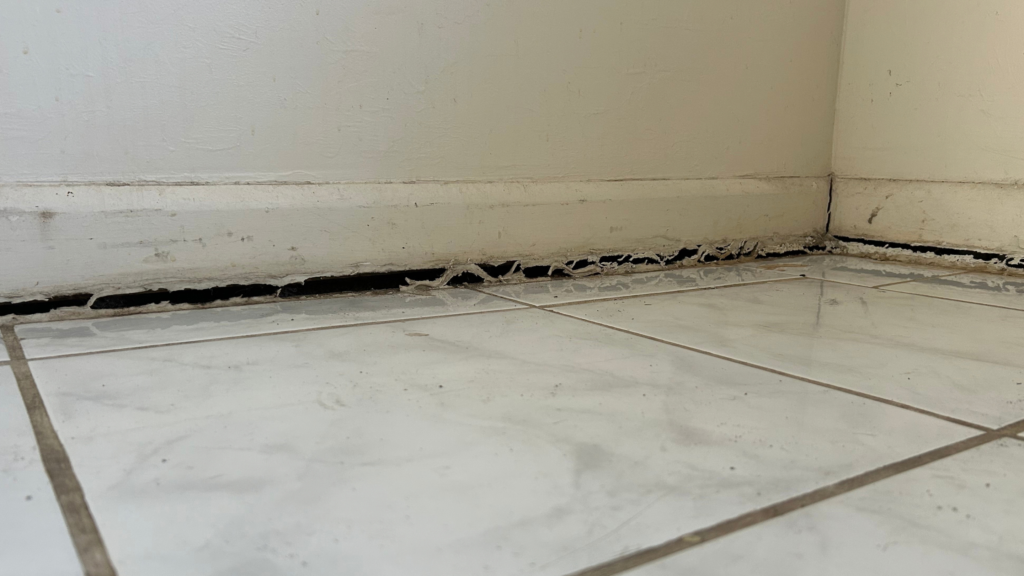
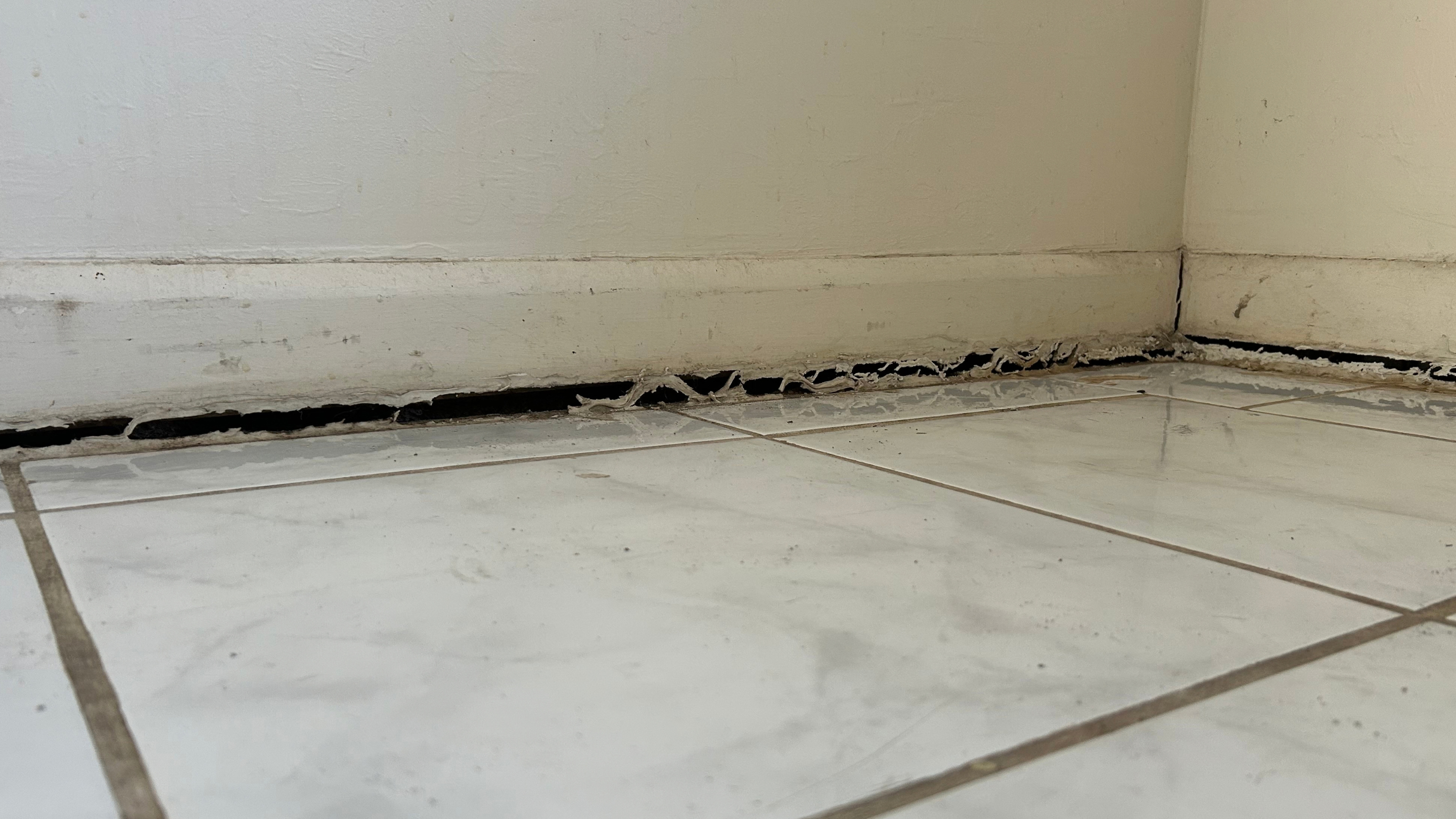
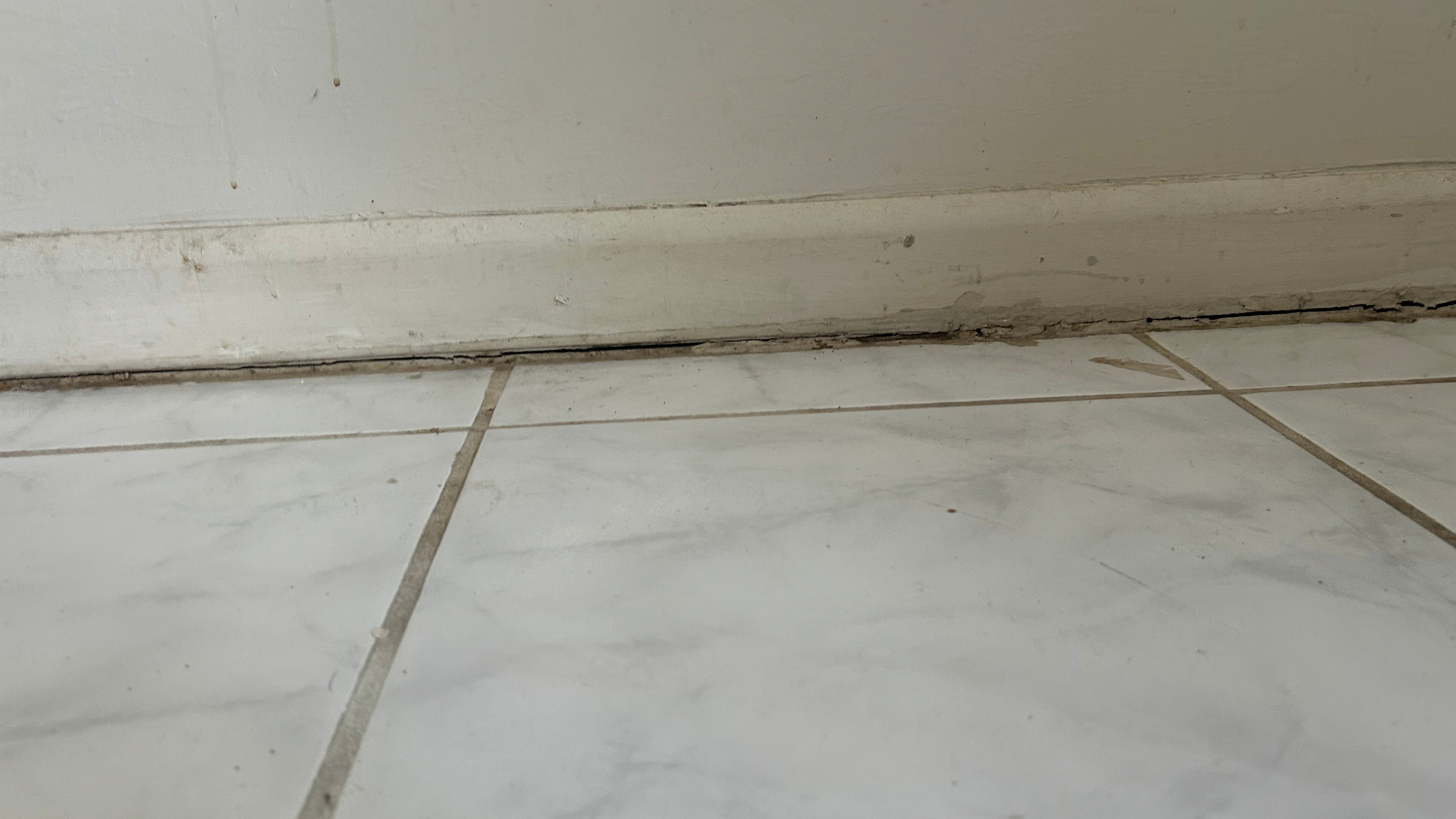
The homeowner was seeing cracking around the foundation wall in multiple areas.
One of the more noticeable areas was near a door and around the adjacent corner. Settlement was also evident in that portion of the home, and similar concerns were visible inside.
The homeowner wanted to stabilize the structure and, where practical, attempt to recover some of the settlement before performing additional cosmetic repairs.
That distinction was important.
Patching cracks can improve the appearance of a home, but cosmetic repairs do not provide structural support beneath a settling foundation.
The homeowner wanted the repair to address what was happening below the visible cracks.
That made this a true foundation repair project rather than a crack-patching project.
During the evaluation, the homeowner had the washing machine running.
Water could be seen moving underneath the slab and out toward the side yard.
That observation created an important sequencing issue.
The homeowner’s plumber had wanted to wait until after Helicon completed the structural work. Helicon advised that the plumbing problem should be corrected first if there was an active crack or leak.
That recommendation matters because water movement beneath a slab can contribute to changing soil conditions.
Depending on the site, uncontrolled water can potentially:
What is documented is that water was visibly moving beneath the slab during the evaluation and that Helicon recommended addressing the plumbing concern before stabilization proceeded.
The homeowner understood that items needed to be moved away from the affected area so Helicon could perform ground-penetrating radar, or GPR, and complete the injection process.
GPR can be useful before slab injection because it helps the production team evaluate the area beneath the concrete and identify subsurface conditions that need to be considered before drilling.
Once the work was complete, the homeowner could move belongings back into place.
This type of preparation may sound minor, but it is part of what allows a structural polyurethane project to be carried out in a controlled manner.
The main structural challenge was balancing the homeowner’s desire for visible improvement with the need to prioritize stabilization.
The homeowner wanted Helicon to:
Those are reasonable goals, but structural lifting has limits.
A home that has settled over time may have adjusted to its new position. Framing, drywall, windows, doors, plumbing, roofing connections, and other building components may respond differently when the foundation begins moving upward again.
For that reason, lift must be controlled. The objective is not to force every crack closed.
The objective is to provide dependable support and recover elevation only where the structure responds safely.
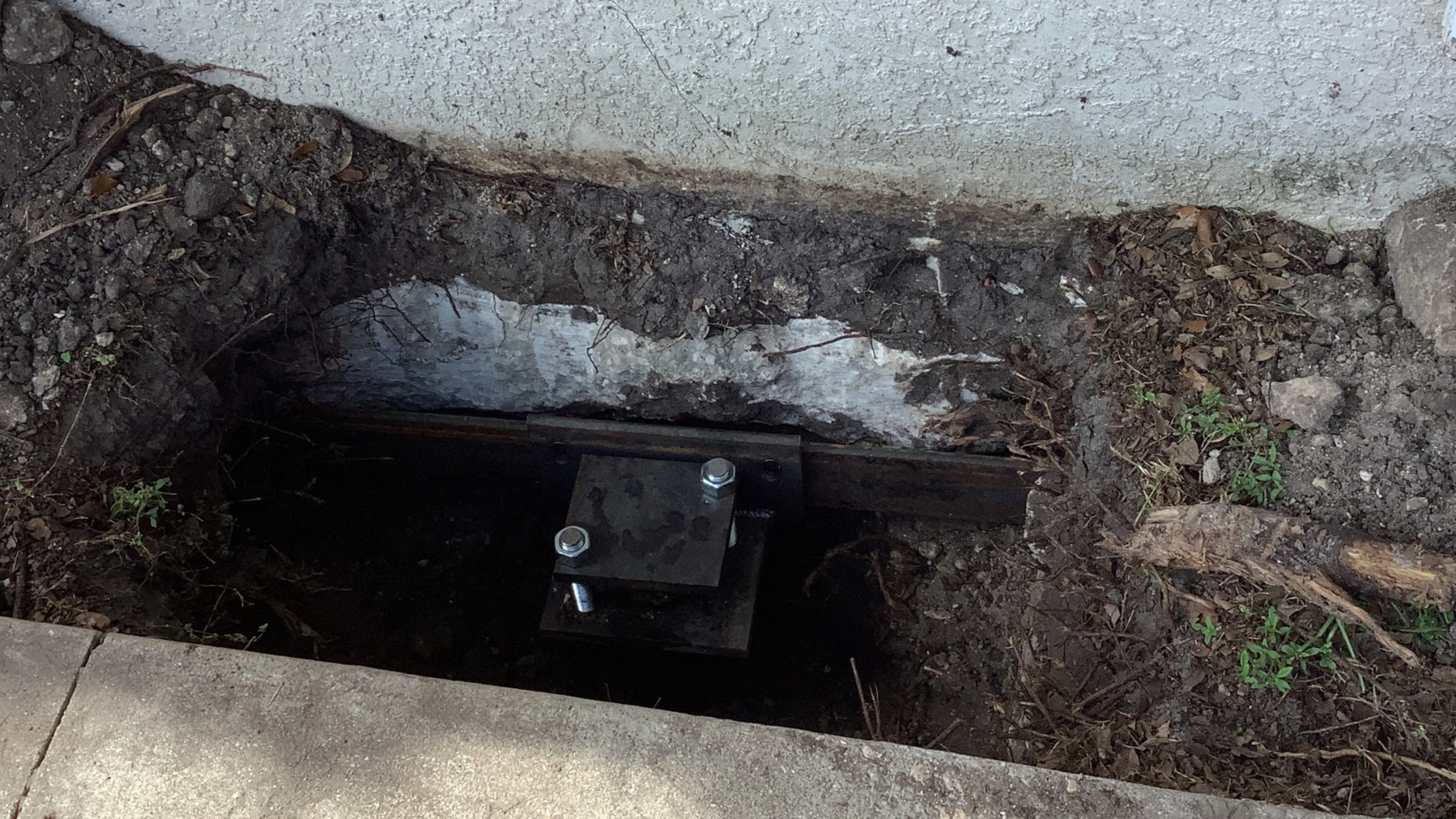
Helicon installed 22 push piers beneath the foundation.
Push piers are used in foundation underpinning when part of a structure requires deeper support than the existing near-surface conditions provide.
The piers were driven to load-bearing strata.
The purpose of the pier system was to:
This became the primary deep-foundation component of the repair.
The homeowner also valued Helicon’s lifetime warranty on the pier system, which helped provide additional confidence in choosing the repair approach.
After the push piers were installed, Helicon performed a simultaneous lift along approximately 18 linear feet of the foundation.
That does not mean the structure was lifted 18 feet vertically.
It means approximately 18 linear feet of the foundation was involved in the coordinated lift operation.
The purpose of a simultaneous lift is to distribute movement across the treated section rather than concentrating force at one isolated location.
The homeowner hoped this process would help reduce some of the visible effects of settlement, including the exterior cracks.
The structural value came first from the new pier support, with lift treated as a controlled secondary objective.
Helicon also treated the interior slab.
The project included 65 pounds of two-part structural polyurethane for interior slab injections.
These injections were used to improve support beneath the affected concrete.
Structural polyurethane can be placed through targeted injection points beneath a slab. As the material reacts and expands, it can fill accessible voids and improve contact between the concrete and its supporting material.
For this project, the interior slab injections were intended to:
The homeowner understood that stabilization was the primary goal and that lift would be attempted only as conditions allowed.
The project also included approximately 4.5 pounds of additional slab-injection material.
The source identifies this separately from the 65 pounds used for the interior slab, so the two quantities are kept separate here rather than combined.
This additional treatment further supported the designated slab areas included in the repair plan.
A major part of the project involved soil stabilization.
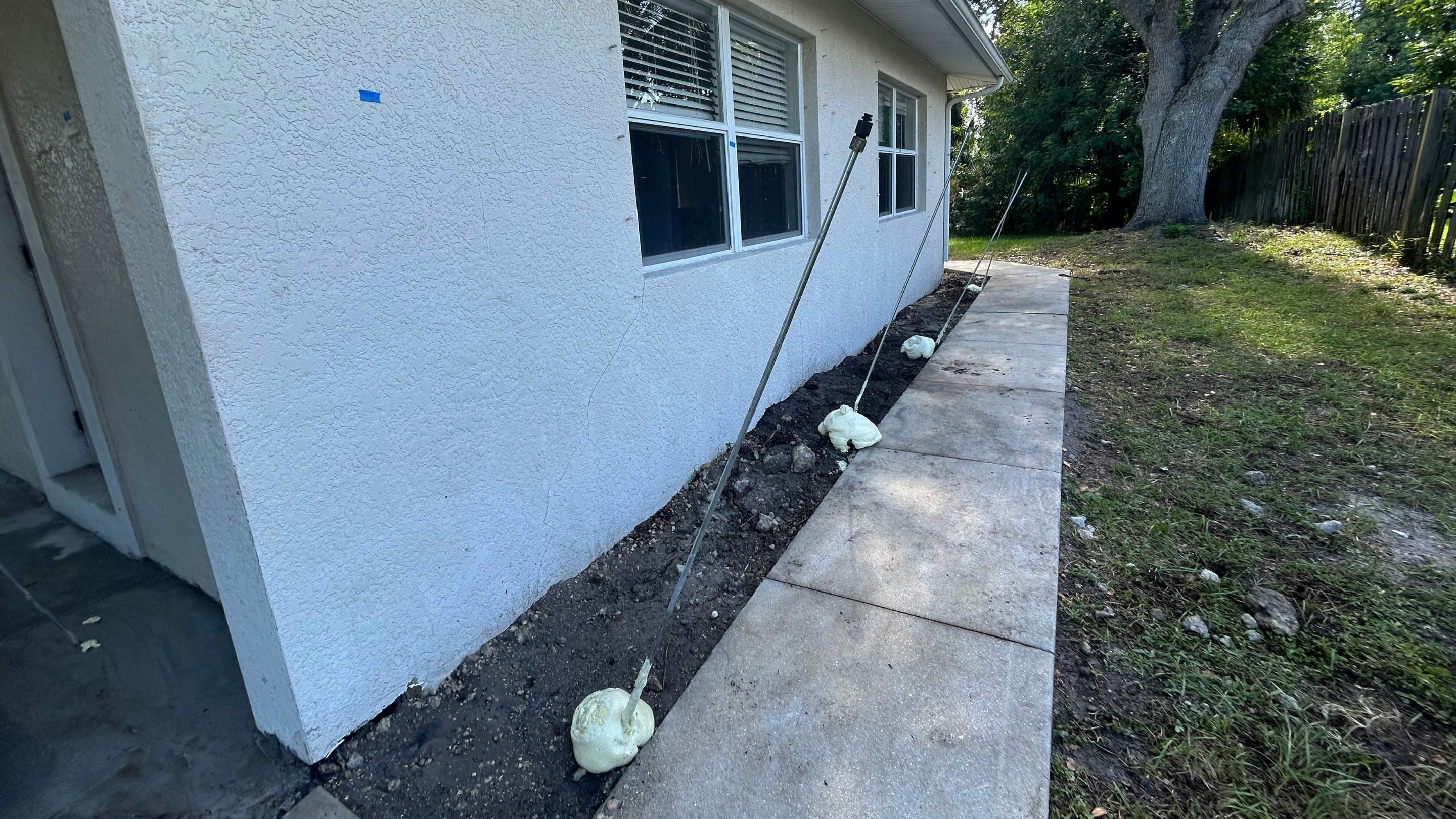
Helicon installed:
Deep injections were around the washer area as part of the stabilization strategy.
The soil injections were intended to improve the subsurface support condition and complement the pier and slab work.
This created a layered repair system.
Provided deep structural support beneath the foundation.
Improved support within designated soil treatment zones.
Improved contact and support directly beneath affected concrete.
Instead of relying on one repair technology, Helicon used each system where it provided the greatest structural value.
The strongest feature of this Naples project was the combined approach.
The home did not have one isolated symptom.
It had:
No single repair method would address all of those conditions equally well.
The foundation repair portion—22 push piers and controlled lifting—addressed the deeper structural support.
The soil stabilization injections addressed designated subsurface areas.
The slab injections improved support directly beneath the concrete.
Together, they created a more comprehensive repair strategy.
Key benefits included:
No structural contractor can responsibly guarantee that all cracks will disappear or that a home will never experience movement again.
However, the project materially improved support within the treated areas and addressed the homeowner’s primary goal of protecting the home from worsening structural distress.
Helicon helps Florida homeowners, property managers, contractors, and commercial clients address foundation settlement, weak soils, sinking concrete, seawall erosion, and other structural concerns.
Our team develops repair solutions based on the structure, observed conditions, project requirements, and long-term goals—with a focus on addressing problems where they often begin: beneath the surface.
If your home has foundation cracks, settlement, slab movement, or signs that water may be affecting the support beneath the structure, cosmetic repairs alone may not address the real problem.
Helicon provides foundation repair, soil stabilization, push pier installation, structural polyurethane injection, slab stabilization, concrete lifting, seawall repair, and related structural services throughout Naples, Southwest Florida, and communities across the state.
Call 844-HELICON to schedule a free inspection and learn which repair strategy may be appropriate for your property.
FREE INSPECTION REQUEST