Direct Answer
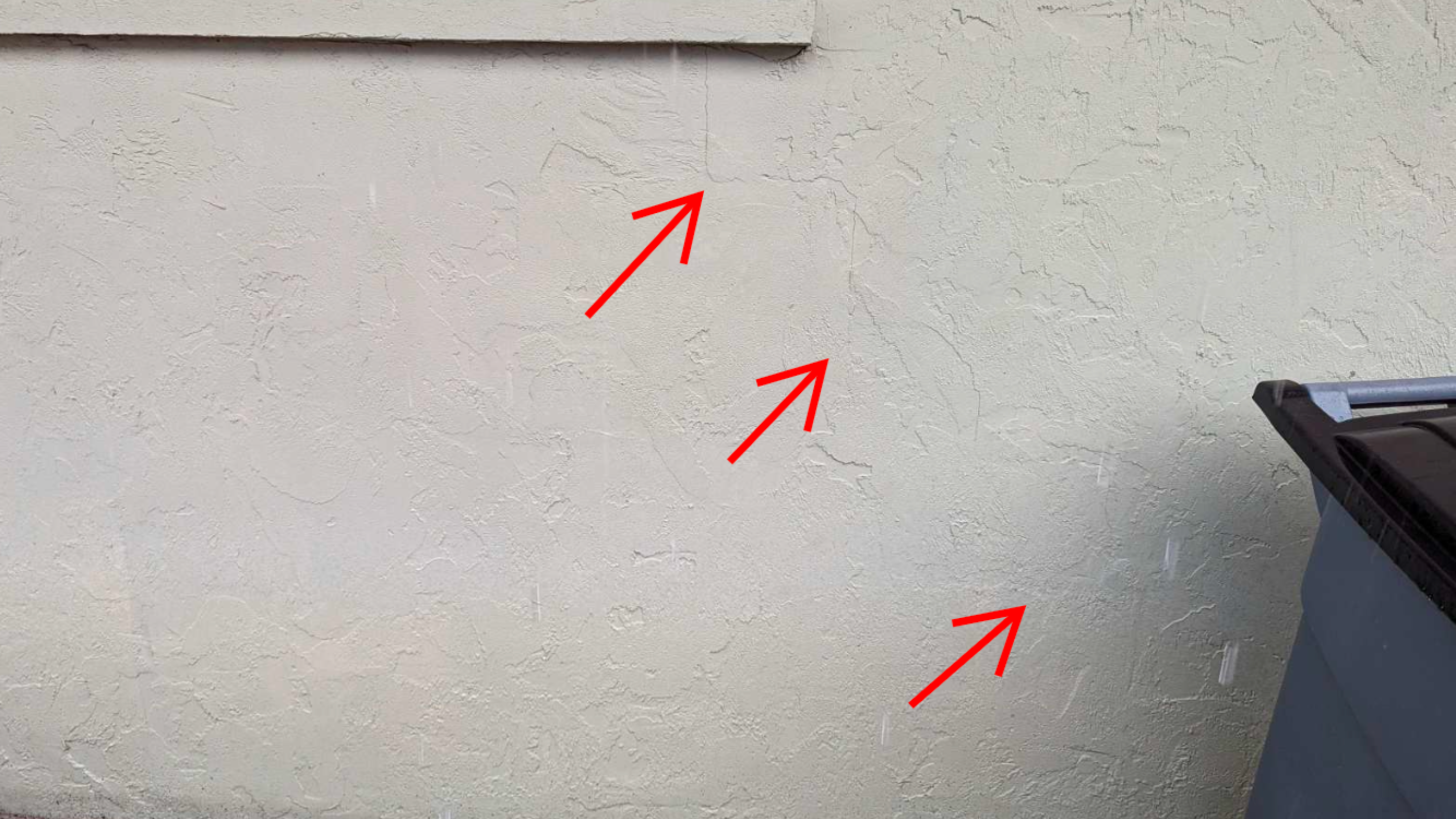
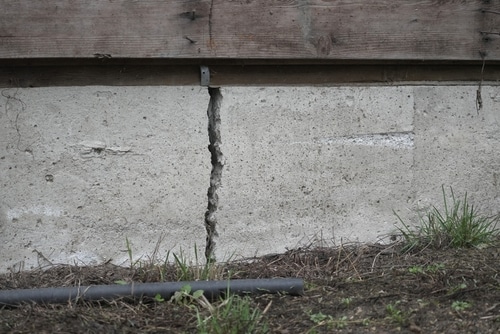
A sinking home foundation often shows up through a combination of warning signs, not just one symptom. In Florida homes, common signs include stair step cracks in block walls, cracks around window and door corners, cracks that reopen after repair, sticking doors and windows, uneven or sloping floors, gaps around frames, settled exterior concrete, and visible separation around parts of the home.
One small crack or one sticking door does not automatically mean your foundation is sinking. But when several signs appear together, continue getting worse, or show up near the same area of the home, the issue may be related to foundation settlement, weak soils, poor compaction, erosion, or deeper soil movement beneath the structure.
A sinking foundation is usually not diagnosed from one symptom. It is diagnosed from a pattern. One crack, one sticking door, or one uneven area may have a simple explanation. But when several signs appear together, especially near the same part of the home, the cause may be movement beneath the foundation.
Homeowner Tip: Look for patterns, not panic. A single crack may be cosmetic. A single sticking door may be humidity or hardware. But cracks, sticking doors, gaps, uneven floors, and settled concrete showing up together deserve a closer look.
Read more: Foundation Problems in Florida: The Complete Homeowner Guide
What Does a Sinking Foundation Mean?
When homeowners say their foundation is sinking, they are usually describing foundation settlement. That means part of the foundation is moving downward or moving differently than the rest of the home.
The entire house may not be sinking. More often, one section of the foundation is settling because the soils below that area are weak, loose, eroding, poorly compacted, or unable to carry the load evenly.
This uneven movement is called differential settlement. It can create stress in the walls, floors, door openings, window openings, and exterior finishes of the home.
In Florida, foundation settlement is often tied to the condition of the soils beneath the home. If those soils lose strength, compress, wash out, or move, the structure above can begin to show warning signs.
Read more: What Causes Foundation Settlement in Florida?
The Most Common Signs Your Foundation May Be Sinking
The most common signs Helicon sees are usually not dramatic at first. They often begin as small cracks, door or window issues, or subtle changes in the way the home feels.
| Warning Sign | Why It Matters |
| Stair step cracks in concrete block walls | Often indicate differential settlement in block construction |
| Cracks around window and door corners | Openings are stress points where movement often appears |
| Cracks that reopen after repair | The visible crack may have been patched, but the cause may still be active |
| Sticking doors and windows | Frames may be shifting out of square |
| Uneven or sloping floors | May indicate slab movement, settlement, or support loss |
| Gaps around frames, trim, walls, or ceilings | Can point to movement between building components |
| Exterior concrete settlement near the home | May suggest nearby soil weakness, erosion, or poor compaction |
These signs matter most when they are active, widening, returning after repair, or appearing together.
A single hairline crack may be cosmetic. A sticking door may be caused by humidity or hardware. A small gap may be related to trim movement. But when cracks, gaps, sticking doors, and uneven floors show up together, the concern for foundation movement increases.
For more details on block wall cracking, see our guide to stair step cracks.
Read more: Is Stair-Step Cracking in Block Walls a Serious Foundation Issue?
If doors or windows are part of the pattern, see our sticking doors and windows guide.
Read more: Why Are My Doors and Windows Sticking in My House?
Minor Home Issue vs Possible Foundation Settlement
| What You Notice | Possible Minor Cause | Possible Foundation Concern |
| One small hairline stucco crack | Surface cracking or normal expansion | Lower concern if stable and isolated |
| Stair step crack in block wall | Block wall stress or settlement | Higher concern if widening or near openings |
| Crack at window or door corner | Cosmetic stucco or drywall movement | More concerning if widening or paired with sticking doors/windows |
| Crack that reopens after repair | Cosmetic repair did not address the cause | Should be inspected |
| One sticking door | Humidity, hinge, or latch issue | Lower concern if isolated |
| Multiple doors or windows sticking | Humidity, age, or wear | Higher concern if paired with cracks or gaps |
| Uneven or sloping floors | Flooring issue or slab movement | Higher concern if worsening |
| Gaps around windows or doors | Trim movement or poor installation | Possible foundation movement |
| Settled driveway, patio, or walkway near home | Soil washout or slab settlement | More concerning if near the foundation |
| Cracks plus doors, gaps, or uneven floors | Multiple symptoms together | Higher concern for settlement |
This table is a guide, not a diagnosis. The important question is whether the signs are isolated or whether they form a pattern.
For more guidance on surface cracks versus structural cracks, see our stucco crack guide.
Read more: Stucco Cracks vs Structural Cracks in Florida Homes: How to Tell the Difference
If gaps around frames are one of the symptoms, see our guide to gaps around windows and doors.
Read more: Gaps Around Windows and Doors: Foundation Problem or Normal Settling?
Checklist: Signs Your Foundation May Be Sinking
Your foundation should be inspected if several of these signs appear together or continue getting worse:
- Stair step cracks in concrete block walls
- Widening stucco cracks
- Cracks at the corners of windows or doors
- Cracks that reopen after patching or painting
- Doors or windows sticking in multiple areas
- Gaps around window frames, door frames, trim, walls, or ceilings
- Uneven or sloping floors
- Interior drywall cracks that keep returning
- Separation between walls, floors, ceilings, or trim
- Tile cracks or visible slab cracks
- Cabinets or countertops pulling away from walls
- Exterior concrete settling near the home
- Soil erosion or washout near the foundation
- Water draining toward the home
- Cracking or movement near a corner of the structure
- Problems near an addition or garage opening
If only one item applies, the issue may still be minor. If several apply together, especially in the same area of the home, the foundation should be evaluated.
Homeowner Tip: Take photos of each symptom and note where they appear on the home. If cracks, gaps, sticking doors, and uneven floors are clustered in the same area, that pattern is more meaningful than one isolated symptom.
Why Florida Homes Are Vulnerable to Foundation Settlement
Florida homes face unique soil and water conditions that can make foundation settlement more likely.
Many homes are built on sandy soils, fill soils, or shallow, weak soils. These soils may shift, compress, erode, or lose support capacity over time. If the soil beneath part of the foundation can no longer support the structure evenly, that section of the home may begin to settle.
| Florida-Specific Cause | How It Can Contribute to Settlement |
| Shallow loose sandy soils | May compress or shift under load |
| Weak upper soils near the foundation | Can reduce support beneath one area of the structure |
| Poor soil compaction before construction | May allow settlement to appear years after the home was built |
| Soil erosion or washout | Can remove support beneath slabs or foundation areas |
| Heavy rainfall and poor drainage | Can soften soils and concentrate water near the foundation |
| Water draining toward the home | Can weaken or wash out soils over time |
| Voids beneath slabs or foundations | Can leave portions of the structure unsupported |
| Fill soils that were not compacted properly | May compress under the weight of the home |
| Slab-on-grade homes with limited foundation support | May be more vulnerable when soils are weak |
| Additions or transitions that were not built properly | May move differently than the original structure |
| Sinkhole-related conditions in certain areas | May contribute to settlement or structural movement |
| Coastal or waterfront soil movement | Can create shifting, erosion, or support loss |
Poor soil compaction is one of the most common construction-related causes. If the soil beneath the foundation, wall footing, or slab was not compacted properly before concrete was placed, settlement can occur later as the home places stress on those weaker areas.
Heavy rainfall and poor drainage can make the problem worse. Water can soften soils, wash out loose material, create voids, or concentrate erosion near the foundation.
Sinkhole-related settlement can also occur in certain regions of Florida, but most foundation settlement is not automatically a sinkhole. This article focuses on the broader foundation and soil conditions that cause homes to settle.
Read more: How Florida Soil Affects Foundations
How Weak Soil Causes a Home to Settle
A home’s foundation depends on the soil beneath it for support. If that soil is dense, stable, and properly compacted, it can carry the weight of the structure more evenly.
If the soil is loose, weak, eroding, or poorly compacted, it may compress or move under the load of the home. When one area compresses more than another, the foundation can settle unevenly.
This uneven settlement can cause:
- Cracking in block walls
- Cracking in stucco or drywall
- Doors and windows to shift out of square
- Floors to slope or feel uneven
- Gaps to open around frames or trim
- Exterior concrete near the home to settle
- Additions or transitions to separate
The foundation problem is usually not the crack itself. The crack is the visible result of movement below the structure.
Exterior Signs of a Sinking Foundation
Many foundation settlement signs show up on the outside of the home first.
| Exterior Sign | What It May Indicate |
| Stair step cracks in block walls | Differential settlement or block wall stress |
| Stucco cracks that widen or return after repair | Active movement may still be occurring |
| Cracks near window and door corners | Stress around structural openings |
| Gaps around exterior window or door frames | Movement between wall, frame, and trim components |
| Cracking near garage openings | Stress around a large wall opening |
| Separation at additions | Different parts of the home may be moving differently |
| Settled driveways, walkways, patios, or pool decks near the home | Nearby soils may be weak, eroding, or poorly compacted |
| Low spots or erosion near the foundation | Soil support may be washing away |
| Soil pulling away from the home | Moisture changes, erosion, or settlement may be present |
| Water draining toward the structure | Drainage may be contributing to soil movement |
| Cracking or movement near a corner of the home | Possible localized settlement at a high-stress area |
Stair step cracks in block walls are one of the most concerning exterior signs because they often indicate differential settlement. Cracks around windows and doors also matter because openings are stress points in walls.
Settled concrete near the home may not always mean the foundation is sinking, but it can point to weak, eroding, or poorly compacted soils nearby. If a driveway, patio, sidewalk, or pool deck is settling near the foundation, the surrounding soil conditions should be considered.
If settlement is showing up in nearby concrete, these guides may help explain the surrounding soil conditions.
Read more: Driveway Sinking in Florida: Causes and Repair Options
Read more: Pool Deck Sinking Near the Coping: What It Means
Interior Signs of a Sinking Foundation
Foundation movement can also show up inside the home.
| Interior Sign | What It May Indicate |
| Doors sticking or rubbing | Frames may be shifting out of square |
| Windows becoming harder to open or close | Window frames may be moving with the wall |
| Doors no longer latching properly | Door frame or wall alignment may have changed |
| Cracks above doors or windows | Stress around openings |
| Drywall cracks that keep returning | Movement may still be active |
| Uneven or sloping floors | Slab settlement, foundation movement, or support loss |
| Gaps between walls and ceilings | Separation between building components |
| Baseboard or trim separation | Movement around walls, floors, or framing |
| Tile cracks or visible slab cracks | Slab movement or loss of support may be present |
| Cabinets or countertops pulling away from walls | More advanced movement may be affecting interior finishes |
Cabinets or countertops pulling from walls may occur in more advanced cases, but it is not usually one of the first signs. More common early interior signs include sticking doors, cracks near openings, and gaps around frames or trim.
Interior signs are more concerning when they appear near exterior cracks or when multiple symptoms show up in the same area of the home.
Read more: Uneven Floors in Slab Homes: Causes and Solutions
Why Cracks That Reopen After Repair Matter
One of the strongest warning signs of active movement is a crack that returns after it has been patched, caulked, painted, or repaired.
A cosmetic repair can cover the appearance of a crack, but it does not correct the cause if the wall, foundation, or soil is still moving. If the same crack reopens, the home may still be experiencing settlement or structural stress.
This does not automatically mean the home needs major foundation repair. But it does mean the crack should not be treated as only a paint or stucco problem.
A crack that reopens after repair should be evaluated for:
- Active foundation settlement
- Wall movement
- Poor soil support
- Drainage issues
- Erosion or washout
- Movement at an addition or transition
- Deeper soil conditions
The pattern matters. If a crack reopens and other signs are present, the foundation should be inspected.
Read more: Can I Wait to Fix Foundation Issues or Will It Get Worse?
What Happens If You Wait Too Long
Foundation settlement usually does not become easier to repair with time.
If the soil beneath part of the home continues to compress, erode, or lose support, the foundation may continue moving. As movement continues, cracks can widen, doors and windows can become harder to operate, floors may slope more noticeably, and cosmetic repairs may fail again.
Waiting can lead to:
- Wider cracks
- More extensive and costly cosmetic repairs
- More cracks in nearby areas
- More doors and windows affected
- Larger gaps around frames or trim
- More noticeable floor movement
- Repeated stucco, paint, or drywall repairs
- More complex foundation repairs
- Higher repair costs
Early diagnosis often gives homeowners more options. If settlement is shallow and caught early, soil stabilization may be appropriate. If settlement is more advanced or precision lifting is needed, piers may be required.
What Homeowners Should Not Do
The biggest mistake homeowners make is ignoring multiple small symptoms because each one seems minor by itself.
One crack may seem cosmetic. One sticking door may seem like humidity. One gap may seem like trim movement. But when these symptoms appear together, they may point to a larger foundation or soil issue.
Homeowners should avoid:
- Patching cracks without diagnosing the cause
- Painting over cracks that keep returning
- Adjusting doors repeatedly without asking why they shifted
- Caulking gaps without understanding why they formed
- Ignoring several symptoms because each one seems small
- Assuming the problem is only normal settling
- Assuming every symptom means catastrophic foundation failure
- Waiting until cracks widen or floors visibly slope
The right first step is not fear. It is understanding what is causing the movement.
How Helicon Evaluates Foundation Settlement
When Helicon evaluates a possible sinking foundation, the inspection looks at the full pattern of symptoms around the home.
A proper evaluation may include:
- Reviewing stair step cracks, stucco cracks, and drywall cracks
- Inspecting cracks around window and door corners
- Checking doors and windows for sticking or frame movement
- Looking for gaps around frames, trim, walls, ceilings, or floors
- Checking floor elevations with a ZipLevel when needed
- Looking for uneven or sloping floors
- Inspecting exterior concrete settlement near the home
- Reviewing drainage patterns around the foundation
- Looking for erosion, washout, or void signs
- Using a soil probe to evaluate how loose or weak the upper 5 feet of soil are near the foundation
- Looking at additions, garage openings, corners, and exterior walls where stress often appears
A Zip Level can help identify whether one area of the home has dropped compared with surrounding areas. A soil probe helps evaluate the upper soil conditions near the foundation. If the upper soils are loose or weak, that may support the possibility that shallow soil conditions are contributing to settlement.
The goal is to determine whether the issue is cosmetic, related to shallow soil settlement, or connected to deeper foundation movement.
Read more: What a Foundation Inspection Looks Like
Repair Options If the Foundation Is Sinking
The right repair depends on the cause and severity of the settlement.
If the signs are cosmetic or isolated, foundation repair may not be needed. A stucco contractor, painter, carpenter, or handyman may be the right fit depending on the issue.
If shallow weak soils are contributing to early-stage settlement, polyurethane soil stabilization may be recommended. This can help improve the soil’s ability to support the foundation and reduce continued settlement.
If the foundation has settled significantly, if deeper soils are involved, or if precision lifting is needed, push piers, helical piers, or drilled piers may be recommended. These systems transfer the load of the affected area where the piers are installed down to deeper competent bearing soils.
If voids remain beneath parts of the foundation or slab after lifting, structural polyurethane foam may be used to fill those voids and provide additional support.
| If the Cause Is… | The Next Step May Be… |
| Cosmetic or isolated finish issue | Stucco, paint, drywall, carpentry, or handyman repair |
| Drainage sending water toward the home | Drainage correction and monitoring |
| Shallow weak soils | Polyurethane soil stabilization |
| Slab voids or support loss | Structural polyurethane void filling or slab support |
| Significant foundation settlement | Push piers, helical piers, drilled piers, or engineered support |
| Voids beneath parts of the foundation or slab after lifting | Structural polyurethane void filling for additional support |
| More complex or unclear movement | Engineering, additional evaluation, or combined repair approach |
The best repair is not always the biggest repair. The best repair is the one that solves the actual cause of the movement.
For shallow weak soil issues, see our polyurethane soil stabilization service page.
Read more: Polyurethane Soil Stabilization
For deeper settlement or structural movement, see our foundation repair service page.
Read more: Foundation Repair
How Much Does It Cost to Repair a Sinking Foundation?
The cost depends on what is causing the foundation settlement and how much of the home is affected.
If the issue is cosmetic or unrelated to foundation movement, repair costs may be limited to stucco, paint, drywall, door adjustment, or exterior maintenance work.
If the issue is related to foundation settlement or soil movement, costs depend on the repair method, severity of movement, access, soil conditions, engineering requirements, and size of the affected area.
| Repair Type | Typical Cost Range | When It Applies |
| Foundation inspection | Free | Homeowner wants to understand whether symptoms are cosmetic or structural |
| Concrete lifting or slab support | Around $1,500 to $8,000 | Nearby slabs or concrete have lost support |
| Home foundation polyurethane soil stabilization | Around $5,000 to $20,000 | Shallow weak soils are contributing to settlement |
| Underpinning systems with piers | Around $10,000 to $60,000 | Deeper settlement or controlled foundation lifting is needed |
| Combined pier and polyurethane repairs | Project-specific | Lifting and void filling are both needed |
*These are typical Florida pricing examples based on published industry resources and contractor pricing guides. They are intended for educational purposes only and are not Helicon’s pricing. Every home is different, and a professional inspection is the only way to determine the appropriate repair and provide an accurate quote.
A repair estimate should be based on the cause, not just the symptoms. Two homes may both have cracks, but one may need only cosmetic work while another may need soil stabilization or underpinning.
If you receive two very different repair estimates, compare the diagnosis, repair method, and scope before comparing price.
Read more: Why Foundation Repair Quotes Vary So Much
For broader pricing guidance, see our foundation repair cost guide.
Read more: How Much Does Foundation Repair Cost in Florida
When to Schedule a Foundation Inspection
You should schedule a foundation inspection if several warning signs appear together, continue getting worse, or show up near the same area of the home.
Call an expert if you notice:
- Stair step cracks in block walls
- Cracks around window or door corners
- Cracks that reopen after repair
- Multiple doors or windows sticking
- Uneven or sloping floors
- Gaps around frames, trim, walls, ceilings, or floors
- Exterior concrete settlement near the home
- Soil erosion or washout near the foundation
- Drainage problems around the structure
- Movement near a corner, garage opening, exterior wall, or addition
Not sure if your home is settling or if the signs are cosmetic? Helicon can inspect the warning signs, evaluate floor elevations, check soil conditions near the foundation, and help determine whether the issue is cosmetic, shallow soil settlement, or deeper foundation movement.
Why Florida Homeowners Trust Helicon
Helicon has been helping Florida homeowners solve foundation repair, soil stabilization, concrete lifting, sinkhole repair, and seawall stabilization problems since 2004.
As a family-owned Florida company, Helicon understands the soil conditions, construction practices, and settlement patterns that affect homes across Tampa Bay, Orlando, Southwest Florida, and surrounding areas. Our team works on both residential and complex commercial stabilization projects, often in coordination with engineers, property owners, municipalities, builders, and other construction professionals.
We are not there to tell every homeowner that every crack means they have a serious foundation problem. We are there to determine what the symptoms mean.
Sometimes the issue is cosmetic. Sometimes it is drainage-related. Sometimes it is shallow, weak soil. Sometimes the home needs structural underpinning. Sometimes the best solution is a combination of repairs.
The goal is always the same: identify the cause, protect the structure, and recommend the least invasive repair that properly addresses the movement.
Read more: About Helicon
Schedule a Free Foundation Inspection
If you are seeing signs that your foundation may be sinking, Helicon can help.
Our team can evaluate cracks, doors, windows, floors, drainage, soil conditions, and other warning signs to help determine whether your home is experiencing cosmetic issues, shallow soil settlement, or deeper foundation movement.
Schedule a free foundation inspection with Helicon to find out what is causing the problem and what should be done next.
Read more: Foundation Repair
FAQ
What are the first signs of a sinking foundation?
The first signs are often stair-step cracks in block walls, cracks around window and door corners, cracks that reopen after repair, sticking doors and windows, uneven floors, or gaps around frames and trim.
Does one crack mean my foundation is sinking?
No. One crack does not automatically mean your foundation is sinking. The concern increases when cracks are widening, returning after repair, or appearing with other signs such as sticking doors, uneven floors, or gaps around frames.
Why are stair step cracks a foundation warning sign?
Stair step cracks often follow the mortar joints in concrete block walls. In Florida homes, they can indicate differential settlement, where one part of the foundation is moving differently than another.
Can sticking doors and windows mean foundation settlement?
Yes, but not always. Sticking doors and windows can be caused by humidity or hardware issues. They become more concerning when multiple openings are affected or when cracks, gaps, or uneven floors are also present.
Are uneven floors a sign of foundation problems?
Uneven or sloping floors can be a sign of foundation settlement, slab movement, soil movement, or structural support issues. They should be evaluated if they are worsening or appear with other warning signs.
Why do cracks keep coming back after repair?
Cracks often return when the visible crack was repaired but the underlying cause was not corrected. If the wall, foundation, or soil is still moving, patching or painting alone will not stop the crack from reopening.
Can Florida soil cause a foundation to sink?
Yes. Loose sandy soils, poorly compacted fill, erosion, drainage problems, weak shallow soils, voids, and deeper soil movement can all contribute to foundation settlement in Florida homes.
Is a sinking foundation the same as a sinkhole?
No. A sinking foundation is not automatically a sinkhole. Settlement can be caused by shallow weak soils, poor compaction, erosion, drainage issues, or other soil conditions. Sinkhole-related activity is only one possible cause in certain areas.
Can a sinking foundation be fixed?
Yes. Depending on the cause, repair options may include polyurethane soil stabilization, push piers, helical piers, drilled piers, structural polyurethane void filling, or a combination of methods.
When should I call Helicon about foundation settlement?
You should call Helicon if several warning signs appear together, such as stair step cracks, cracks around windows or doors, sticking doors or windows, uneven floors, gaps around frames, or exterior concrete settlement near the home.