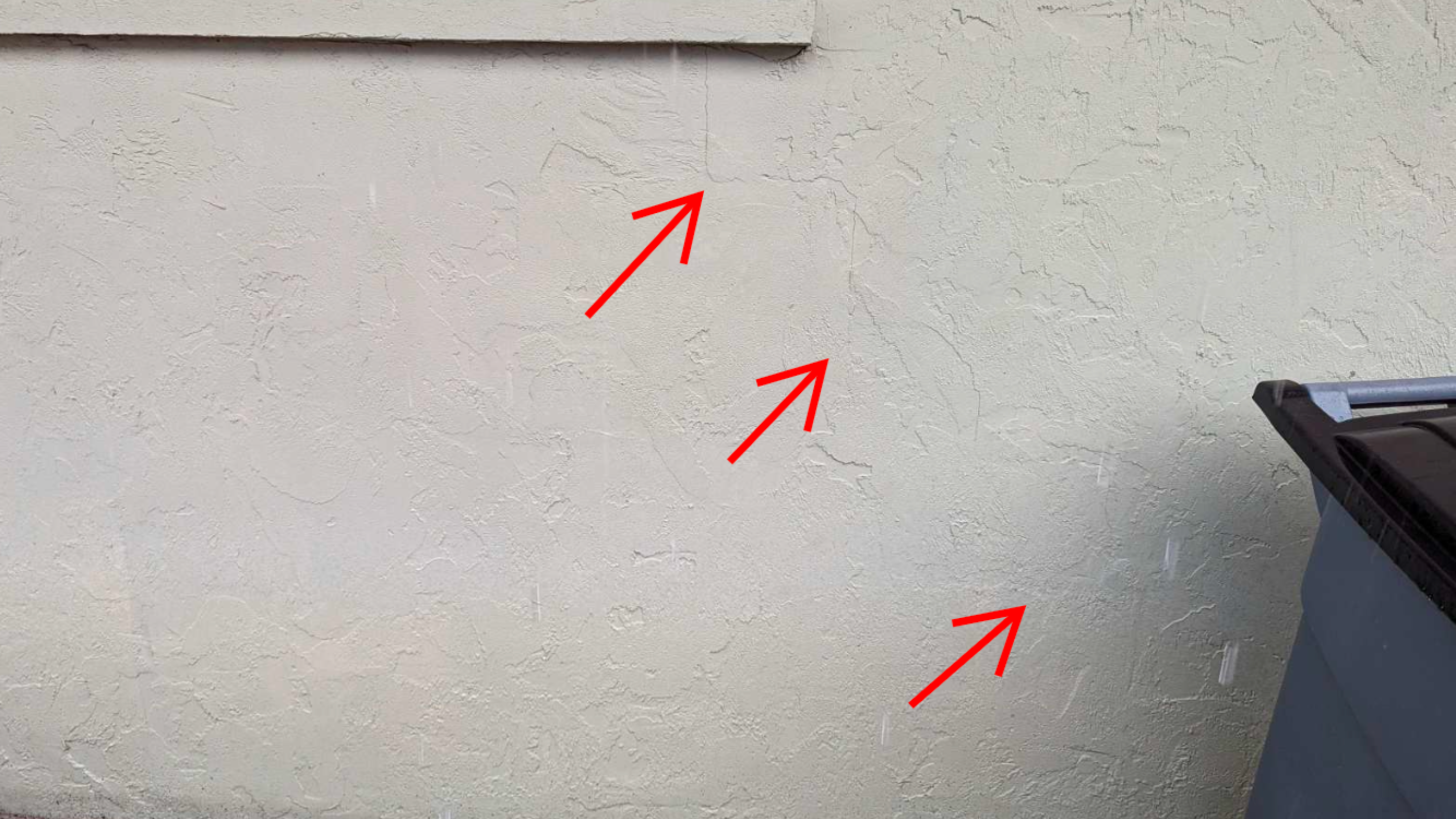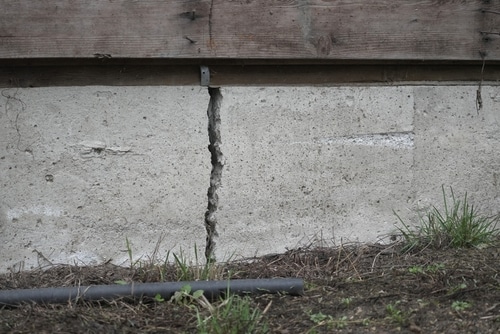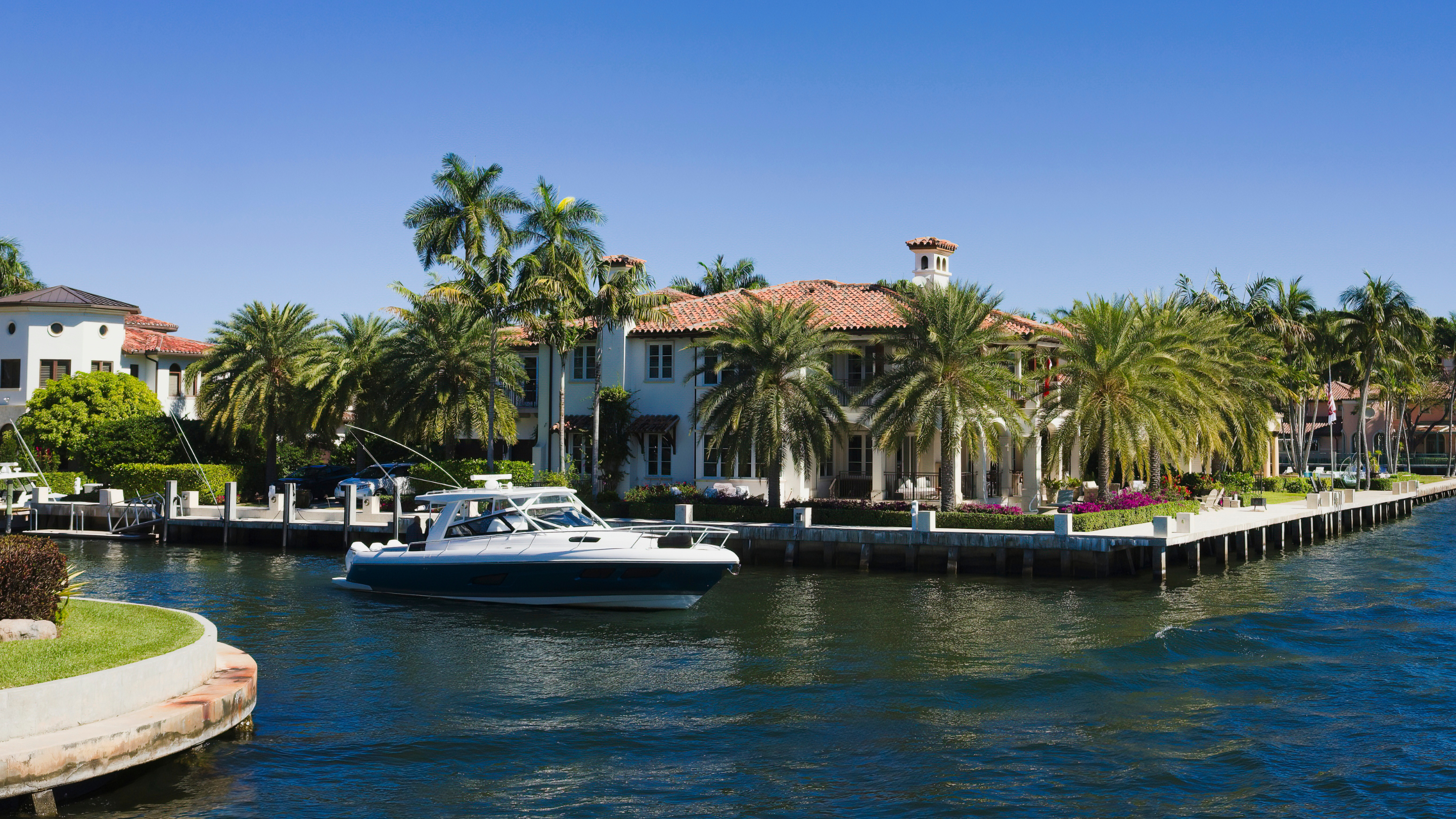
On a Florida waterfront property, foundation problems rarely stay isolated for long.
A slab settles. A wall shifts. A seawall begins to lose support. Then what first looked like two separate issues starts to reveal a larger pattern: the ground beneath the home and the shoreline infrastructure are both under stress.
That was the situation at a waterfront home in Treasure Island, Florida, where interior slab settlement developed after a home addition changed the load distribution of the structure. The added weight worsened existing weak-soil conditions, leading to widespread slab movement inside the home. At the same time, the property’s seawall was also showing erosion and void formation behind it.
For the homeowner, the goal was not just to make the floors feel better or patch visible damage. The goal was to restore the slab to a more stable condition, protect the seawall, and reduce the risk of future movement in a coastal environment where water, storms, and weak soils can work together against a structure over time.
In other words, this was also a storm-readiness project. A coastal home is only as resilient as the ground and shoreline systems supporting it. When those systems begin to weaken, the best repair strategy is the one that not only fixes the current problem but also strengthens the property against the next season of heavy rain, tide changes, and storm activity.
That is what made this project so important. It was not only a foundation repair. It was a coordinated structural stabilization project for a waterfront home.
Why Coastal Homes in Treasure Island Face Unique Foundation Risks
Storm-readiness starts below the surface. On Florida waterfront properties, resilience is not just about shutters, roofing, or drainage at the surface. It is also about whether the soils beneath the slab and behind the seawall can withstand repeated exposure to moisture, runoff, tidal movement, and storm-related stress.
Treasure Island homes do not sit on the same kinds of soils and moisture conditions found in many inland neighborhoods.
waterfront homes in Treasure Island, St. Pete Beach, Madeira Beach, and nearby Gulf Coast communities face foundation risks tied to sandy and porous coastal soils. Those conditions can make structures more vulnerable to tidal water intrusion, storm-driven washout, sudden void formation after heavy rain, and long-term instability if support conditions are not corrected.
That is part of what makes coastal foundation repair different. You are not just dealing with the weight of the structure. You are also dealing with water movement, soil migration, and the way storms and tides can affect both the slab under the home and the seawall behind it.
Florida seawalls often fail because of soil loss, trapped water pressure, voids behind the wall, and long-term material stress. Left untreated, those conditions can affect the ground that supports the property behind the seawall as well.
For a homeowner, that means one problem can feed the other. Weak or shifting soils under the slab can affect the interior of the home, while erosion behind the seawall can increase the long-term risk to the lot and the structure’s surrounding support conditions.
That is why coastal resilience is such a useful way to think about this kind of repair. A slab issue inside the house and a seawall issue outside the house may seem separate at first, but on a waterfront lot they are often part of the same storm- and water-driven stability picture.
What Made This Treasure Island Project Different
Many residential foundation jobs focus on one primary issue.
This one involved two: interior slab settlement and seawall instability.
That matters because the homeowner needed a repair plan that looked at the property as a whole. Stabilizing only the slab without addressing the seawall would have left a major source of future waterfront soil loss unaddressed. Stabilizing only the seawall without correcting the slab would not have fixed the active structural problem inside the home.
The repair needed to:
- restore the interior slab to a more stable level position
- ensure long-term structural support beneath the slab
- stabilize the seawall, which was showing erosion and void formation
- protect the property from future settlement and water-related soil loss
That kind of combined repair is one of the clearest examples of why coastal properties often need specialized foundation work. The problems are usually not purely interior or purely exterior. They are connected through the soils and groundwater conditions that affect the site as a whole.
When a repair strategy addresses both the slab and the seawall, it does more than restore current performance. It helps the property become more resilient against the kinds of coastal forces that are likely to return.
The Interior Slab Challenge: Settlement After an Addition
One of the most important details in this project is how the slab settlement started.
The problem worsened after an addition changed the weight distribution of the home. That is a critical point for homeowners. Even when a structure has performed acceptably for years, changing the loading conditions can expose weak soils or support zones that were already vulnerable. This is where soil stabilization is needed.
When foundations settle because shallow soils are not strong enough to carry the load, deep support systems like push piers can transfer that weight to more competent strata below. That is what makes underpinning such an important solution when a slab or foundation is already moving.
In this Treasure Island home, the repair had to happen inside the structure. That adds another layer of difficulty. Interior slab underpinning is never just about structural engineering on paper. It also requires working in finished spaces, around cabinets, bathrooms, and flooring, without creating unnecessary disruption.
Those are not small concerns. They are exactly what makes interior slab repair feel overwhelming for many homeowners. The right solution has to be strong enough to stabilize the slab, but controlled enough to work inside a finished home.
How Helicon Diagnosed the Problem Precisely
Before the repair plan was finalized, Ground Penetrating Radar was used to identify hidden voids and unstable soil beneath the slab. A GPR scan can help reveal conditions that were not visible from the surface and allow the team to design a more targeted repair plan.
This matters because foundation problems do not always show everything on the surface. A floor may feel uneven or show cracking, but that does not tell the whole story about where support was lost or how the soil is behaving below the slab.
Using GPR gave Helicon a better map of the problem before the work began. That kind of planning helps reduce guesswork and makes it easier to place structural supports where they will do the most good.
Step 1: Interior Slab Underpinning With Push Piers
The first major step was deep support.
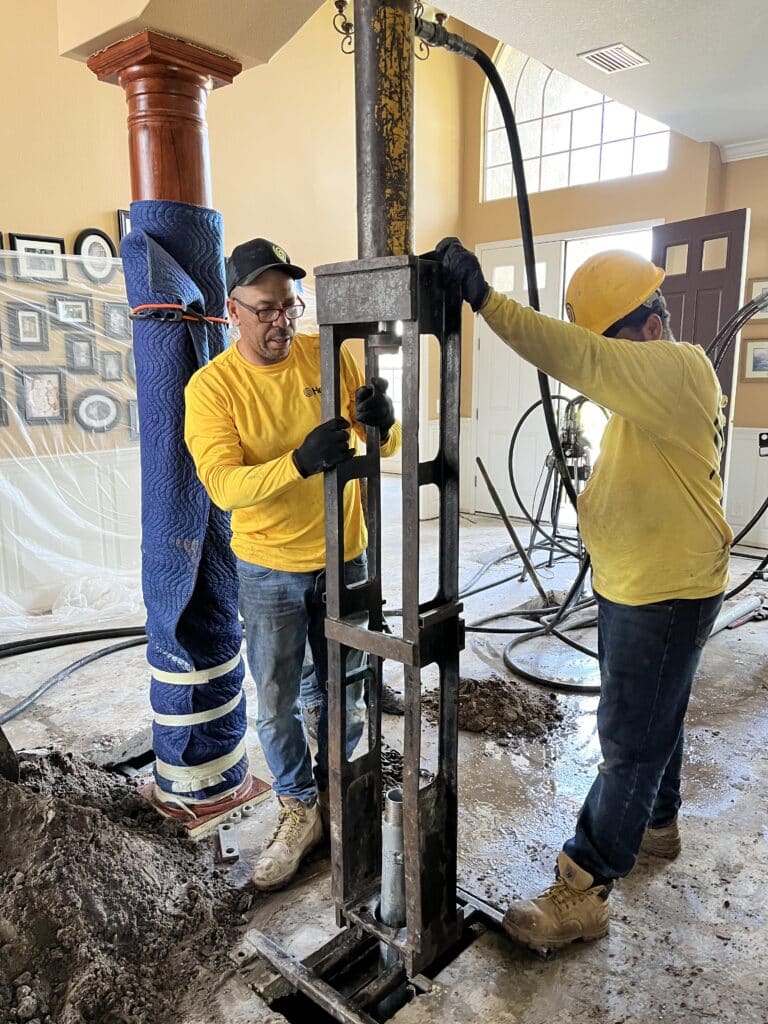
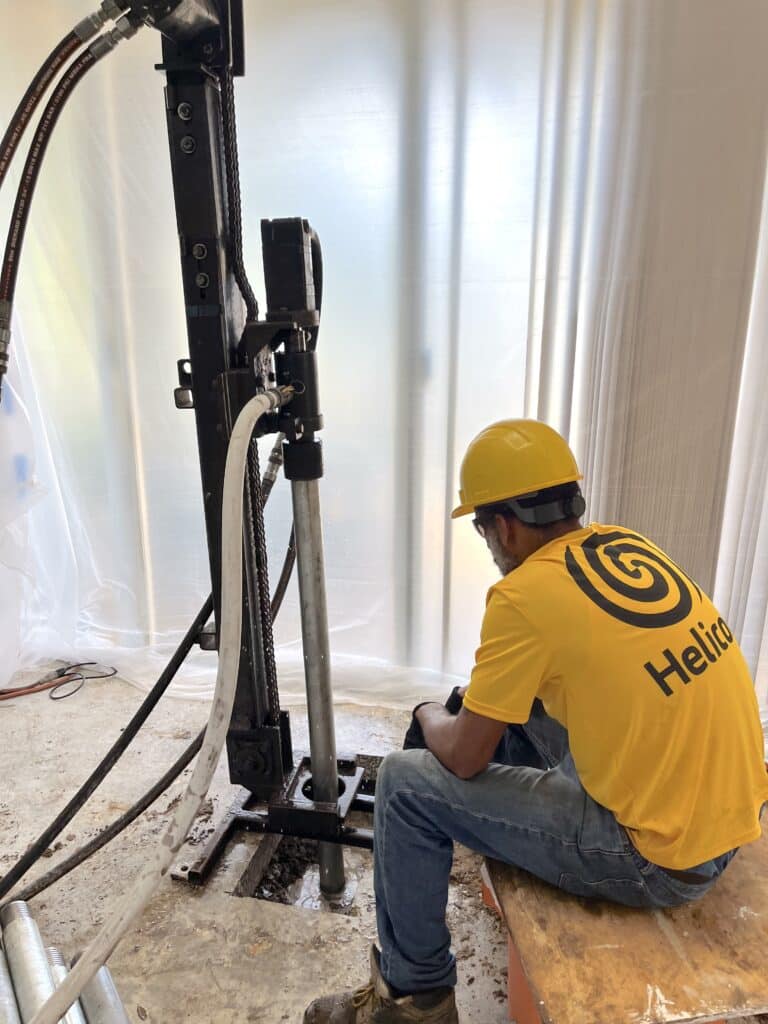
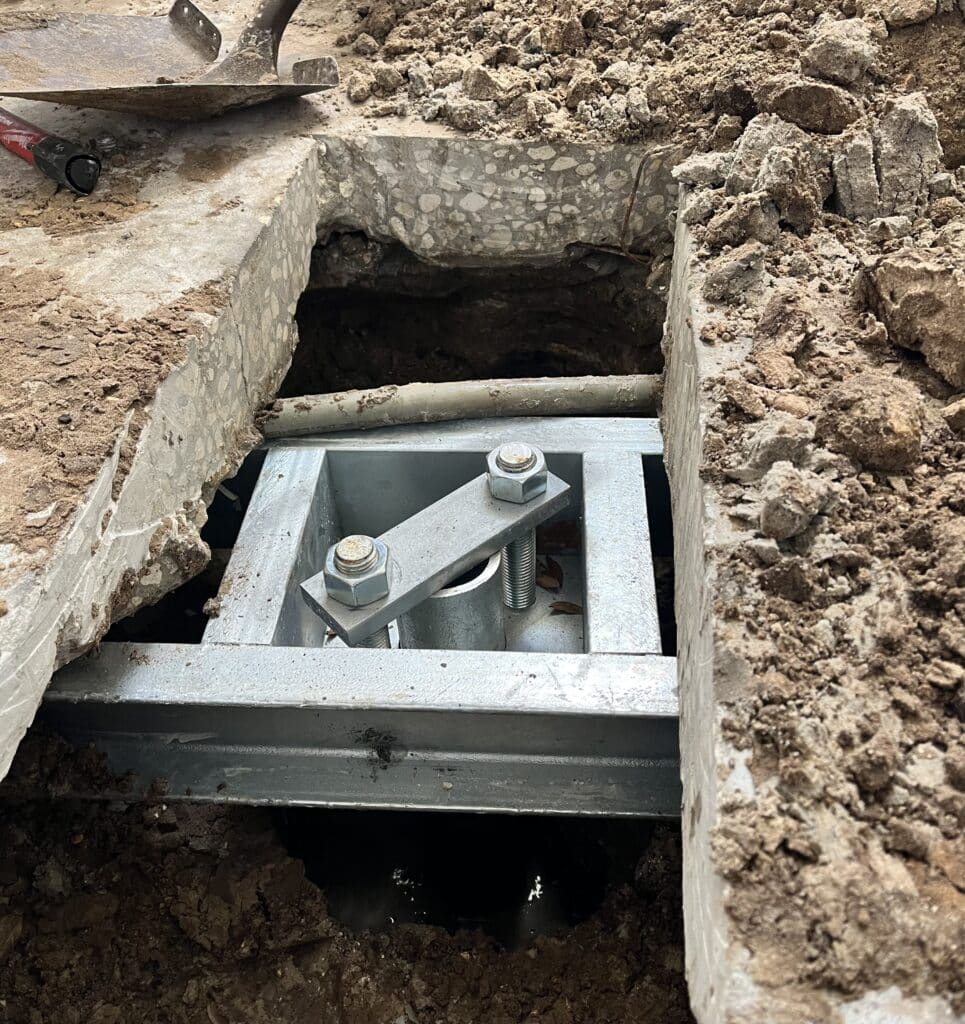
Helicon installed 21 galvanized steel push piers under targeted interior slab locations. The piers were driven hydraulically down to load-bearing strata, bypassing weak surface soils and securing the slab with heavy-duty slab brackets. This permanently halted further settlement.
Push piers are designed to solve a specific type of problem: a structural load resting on soils that can no longer support it adequately. these systems transfer the structure’s weight away from weak near-surface soils and onto deeper, more reliable bearing layers. That is why they are often used for settling foundations and slabs that need long-term support.
For this home, that deep support was essential. It addressed the actual load path beneath the slab rather than just trying to improve the surface conditions around it.
Step 2: Polyurethane Injections to Fill Voids and Reinforce Support
After the push piers were installed, Helicon added another important layer of stabilization.
The team injected 544 pounds of two-part polyurethane grout beneath the slab. the foam expanded quickly to fill hidden voids, compact loose soils, and help lock the foundation into a more stable position.
This is a major reason the project was so effective. Underpinning solved the deep support issue, but the slab still benefited from additional stabilization in the shallower support zone.
Polyurethane grout is often used to stabilize shallow foundation problems, fill voids, compact loose soils, and support slabs and seawalls without major excavation. The material expands rapidly, creating an impermeable and stable support zone in the affected area.
That makes it especially valuable in a case like this. The push piers created the deeper load path, while the polyurethane injections improved the immediate support conditions beneath the slab itself.
Step 3: Seawall Stabilization to Protect the Property from the Water Side
This step is where the project’s storm-readiness value becomes especially clear.
The home also needed attention through seawall repair.
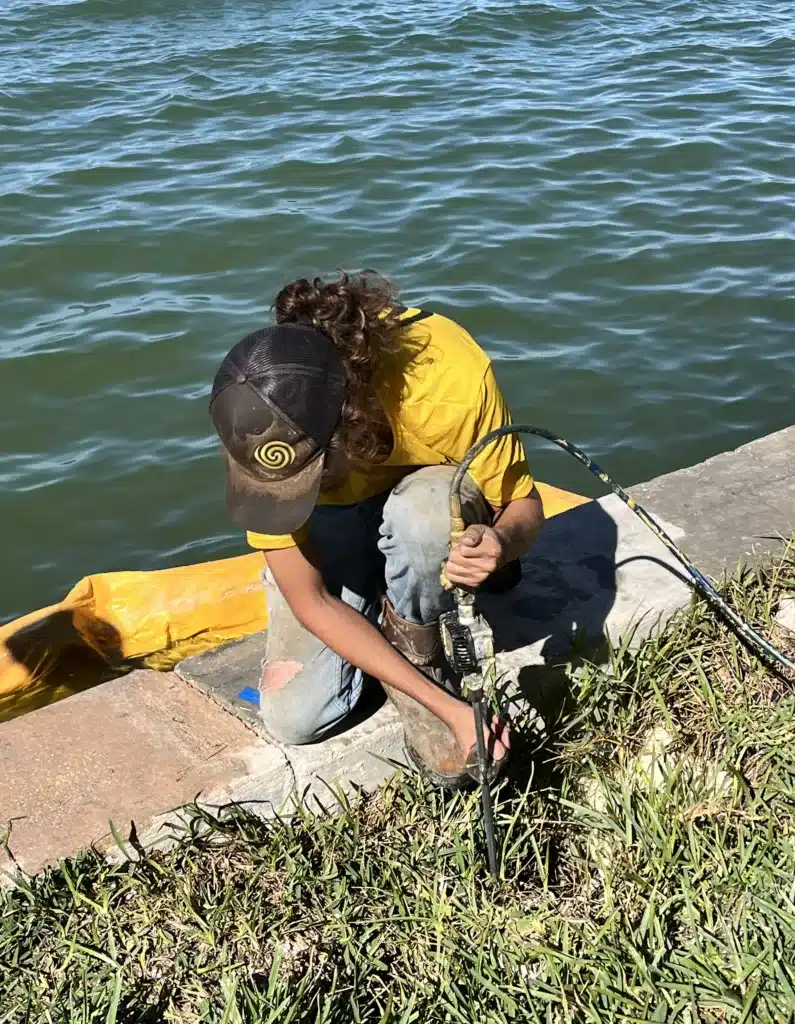
The seawall was stabilized with 31 injection points using 80 gallons of single-component polyurethane grout. The goal was to fill erosion pockets and strengthen the soils behind the wall. Helicon also installed eight JET Filters to relieve hydrostatic pressure, which the company identifies as one of the most common causes of seawall failure during Florida’s heavy rains and storm surges.
This part of the project is just as important as the slab repair.
Florida seawall problems often begin behind the wall, not in front of it. Soil can wash out through cracks or weak points, voids can form in the backfill, and trapped water pressure can push against the wall with increasing force.
By combining grout stabilization with JET Filters, Helicon was not only addressing existing erosion. The repair also introduced a better pressure-relief system to help reduce future stress on the wall.
That matters because many seawall failures do not begin with a sudden collapse. They start with pressure buildup, soil loss, and repeated wet-season or storm-season stress that weakens the system over time. Adding both stabilization and pressure relief helps the seawall perform better not just today, but during future heavy weather events as well.
Why JET Filters Matter on Florida Seawalls
One of the easiest things for homeowners to overlook is hydrostatic pressure.
When heavy rain, runoff, or stormwater gets trapped behind a seawall, that water can build pressure if it has no proper escape path. Over time, the pressure pushes against the wall, worsens cracks, contributes to movement, and can increase soil loss if water starts carrying material out through weak areas.
JET Filters help solve that problem by allowing water to relieve pressure while retaining soil. In a coastal environment like Treasure Island, that kind of preventative measure matters because the wall is regularly exposed to tides, storms, and changing moisture conditions.
In other words, the seawall portion of this project was not just a patch. It was both a repair and a prevention step.
For a coastal homeowner, that is one of the most valuable parts of the whole project. Better pressure relief and stronger soil support behind the wall help improve the property’s ability to handle future rains, seasonal water changes, and storm-driven stress.
Why Coastal Foundation Repair Requires a Different Mindset
This Treasure Island project is a strong example of why coastal homes need a more specialized repair strategy than many inland properties.
Water intrusion, sandy soils, salt exposure, and storm cycles make Gulf Coast properties more vulnerable to both settlement and shoreline support problems.
For homeowners in Treasure Island, St. Pete Beach, Madeira Beach, South Pasadena, and surrounding Pinellas County waterfront communities, the bigger lesson is this: structural movement inside the home and support loss outside the home are often related through the coastal site conditions affecting the property.
That is why storm-readiness and coastal resilience should be part of the repair conversation. Strengthening the slab support and the seawall in one coordinated plan helps the property stand up better to the environmental pressures that define Gulf Coast living.
That is why coastal repair is not just about fixing what is visible. It is about understanding how the slab, the soils, the water, and the seawall are all interacting.
What the Homeowner Gained From One Coordinated Project
By the time the project was complete, the home had more than a repaired slab.
The coordinated work:
- restored slab elevation and structural integrity
- eliminated further settlement risk with deep foundation piers
- reinforced soils beneath the slab and behind the seawall
- added preventative measures to protect the property from future water-related damage
Most importantly, the homeowner gained a safer, more stable, and more storm-ready coastal home without major demolition or reconstruction.
For a waterfront property owner, that kind of result matters on several levels. It improves structural confidence, helps protect long-term value, and reduces the chance that unresolved coastal soil problems will continue affecting the home.
It also improves preparedness. A property with stronger slab support, reinforced soils, a stabilized seawall, and better hydrostatic pressure relief is better positioned for the demands of Florida’s wet seasons and storm cycles than one with those problems left unresolved.
FAQ
Why would a home addition cause slab settlement?
An addition can change how structural loads are distributed. If weak soils already existed beneath the slab, the new weight can worsen those conditions and lead to movement.
Why use both push piers and polyurethane grout?
They solve different parts of the problem. Push piers create a deeper, long-term load path to strong bearing soils, while polyurethane grout fills voids, compacts loose soils, and improves support beneath the slab.
What causes seawall failure in Florida?
Common causes include hydrostatic pressure buildup, soil washout, erosion pockets behind the wall, aging materials, and poor drainage.
Can seawall stabilization and foundation repair be done in the same project?
Yes. In some coastal properties, combining the work is the smartest way to address the site, especially when both the slab and shoreline support conditions are contributing to long-term risk.
Final Takeaway
This Treasure Island project shows what effective coastal foundation repair looks like when the real problem is bigger than one symptom.
It also shows what storm-readiness looks like below grade.
The slab settlement inside the home and the seawall instability outside the home were both signs that the property needed a coordinated ground-up solution. Helicon answered that need with 21 galvanized steel push piers, 544 pounds of two-part polyurethane grout beneath the slab, and a seawall stabilization system that included 31 injection points and eight JET Filters. Together, those repairs addressed both structural support and waterfront protection in one plan.
For homeowners in Treasure Island, St. Pete Beach, Madeira Beach, and the greater Tampa Bay waterfront region, the bigger message is clear: when coastal soil conditions begin affecting both your slab and your seawall, the smartest repair is usually the one that protects the entire property—not just one part of it.
That is what true coastal resilience looks like. It means addressing the current damage in a way that also prepares the property for what Florida weather is likely to bring next.
Call 844-Helicon today for a free inspection or fill out the form on our site.