Concrete slabs rely on stable ground to stay level and perform properly over time. When you notice cracks, uneven surfaces, or sinking concrete, soil movement under concrete slabs is often the underlying cause. These changes can develop gradually, especially as moisture levels and soil conditions shift beneath the surface.
At Helicon, we help Florida homeowners understand how changing soil conditions, drainage patterns, and settlement affect concrete slabs and foundations. Florida’s moisture cycles, sandy soils, and expansive clay conditions can all contribute to slab movement, which makes clear inspections and practical repair planning especially important.
This guide explains what causes slab movement, how to recognize early warning signs, and which repair options may help stabilize the affected area. With the right information, you can make confident decisions that support long-term property stability and reduce future repair concerns.
Why Concrete Slabs Move Below the Surface
Loss of support and changing moisture levels cause most concrete slab movement. In some cases, settlement develops slowly over time. In others, one heavy rainy season creates noticeable changes.
How Loss of Support Causes Slab Settlement
A concrete slab relies on stable soil for support. When the soil can no longer carry the slab’s weight, the concrete settles into gaps or weak areas below.
This process is known as slab settlement. Erosion, compressed fill soil, and underground voids often contribute to the problem.
Once a void forms, gravity pulls the slab downward. The slab usually settles unevenly, creating stress across the concrete surface and leading to cracking or separation.
How Moisture Changes Affect Soil Movement Under Concrete Slabs
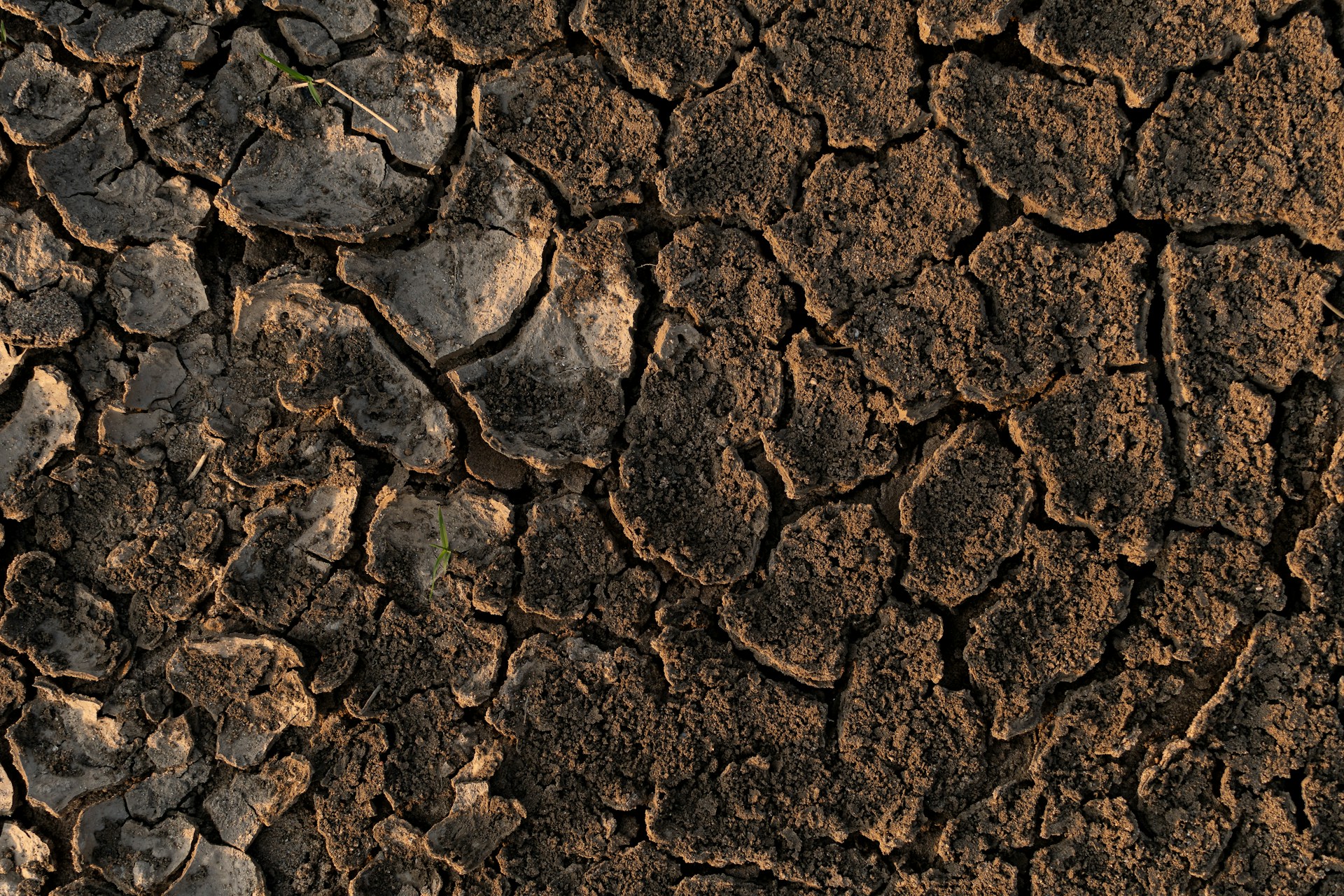
Soil moisture constantly changes. When soil absorbs water, it expands and pushes upward against the slab. When soil dries out, it shrinks, leaving areas with reduced support.
This cycle repeats during rainy periods, irrigation, and dry weather. The American Concrete Institute notes that poor soil support and inadequate compaction contribute significantly to settlement and cracking, while moisture fluctuations worsen these conditions.
Why Differential Movement Leads to Cracks and Uneven Slabs
Differential movement happens when one section of a slab moves more than another. Concrete handles compression well, but uneven movement places the slab under stress.
When one corner settles while another stays stable, the slab develops concentrated pressure points. Over time, that stress often causes cracks, uneven surfaces, and visible slab movement.
Problem Soil and Site Conditions
Not all soil behaves the same way beneath concrete. Some soils remain stable for years, while others swell, compress, or wash away more easily.
Expansive Clay and Other High-Risk Soils
Expansive clay creates ongoing challenges beneath slabs. The soil absorbs moisture and swells, which can lift sections of concrete. During dry periods, the clay shrinks, leaving empty spaces beneath the slab.
Because moisture changes directly affect expansive soil, homeowners benefit from monitoring drainage and water exposure around the property. Managing soil moisture helps reduce movement under concrete slabs over time.
Sandy soils behave differently. While they drain quickly, they often lack stability. Without proper soil stabilization, sandy soil can shift sideways or wash out beneath the slab.
Loose Fill and Poorly Prepared Ground
Construction fill frequently contributes to early slab settlement. If crews fail to compact the soil in controlled layers before pouring concrete, the ground continues compressing long after construction ends.
Proper compaction creates a stable subgrade that supports the slab evenly. When contractors rush or skip this step, settlement often appears within the first several years after installation.
Erosion, Washout, and Freeze-Thaw Cycles
Water moving beneath a slab gradually erodes fine soil particles. Over time, erosion creates voids that reduce support beneath the concrete surface.
Freeze-thaw cycles also stress the subgrade. As trapped moisture freezes, the soil expands. When temperatures rise, the soil contracts again. Repeated expansion and contraction weaken support conditions, especially when drainage problems allow water to collect beneath the slab.
Construction Choices That Improve Slab Stability
Proper preparation before pouring concrete plays a major role in long-term slab performance. Strong subgrade preparation, drainage planning, and thoughtful slab design all help reduce soil movement under concrete slabs.
Subgrade Preparation and Soil Compaction
Soil compaction remains one of the most important steps in preventing slab settlement. Contractors compact the subgrade in layers to create a stable foundation that resists shifting later.
In difficult soil conditions, contractors may also blend lime or cement into the soil to improve stability.
Base Materials, Drainage Layers, and Moisture Control
A gravel base improves slab performance in two important ways. It creates a strong, interlocking support layer while also allowing water to drain away from the slab.
Crushed stone and recycled concrete aggregate both work well because their angular shape locks together tightly. Vapor barriers and drainage layers also help control moisture beneath the slab.
Good exterior grading matters too. When the ground slopes away from the slab, water moves away from the structure instead of collecting around the edges.
Slab Design Details That Help Reduce Cracking
Even well-prepared slabs experience stress over time. Proper slab thickness helps concrete resist bending caused by minor support changes below.
Control joints also help manage cracking. These planned joints guide natural concrete movement into controlled locations instead of allowing random surface cracks to form.
Early Warning Signs of Soil Movement Under Concrete Slabs
The earlier you identify slab movement, the more repair options you typically have available. In many cases, homeowners notice the signs without specialized equipment.
Crack Patterns That Suggest Slab Settlement
Different crack patterns often reveal different causes. Thin, straight cracks along control joints usually result from normal curing shrinkage.
Diagonal cracks, stair-step cracks, or widening cracks often point to differential settlement and uneven soil support. When one side of a crack appears wider than the other, the slab has likely shifted unevenly underneath.
Low Spots, Pooling Water, and Surface Changes
Standing water after rainfall often signals slab movement. If puddles suddenly form where they never appeared before, the concrete surface may have settled.
Walkways, patios, and driveways with low spots usually indicate changing support beneath the slab. Pooling water and uneven concrete commonly appear together when the subgrade loses stability.
Movement Around Doors, Walls, and Adjacent Slabs
Concrete slab movement sometimes affects nearby structures as well. Settling garage slabs may interfere with door alignment or create uneven thresholds.
Interior slab movement can also create gaps near walls or cause doors to stick. When neighboring sidewalk or driveway panels shift out of alignment, localized slab settlement often exists below the surface.
Repair Options for Soil Movement Under Concrete Slabs
Effective repairs address both the concrete surface and the underlying soil conditions. If repairs only correct the visible slab movement, the problem often returns later.
Drainage Corrections Before Concrete Repair
If water intrusion caused the settlement, correcting drainage issues should happen first. Redirecting downspouts, improving grading, and installing drainage systems can help limit future soil movement.
Without drainage improvements, even newly leveled slabs may settle again over time. Stable moisture conditions help support longer-lasting repairs.
Leveling a Settled Slab With Polyurethane Foam Injection
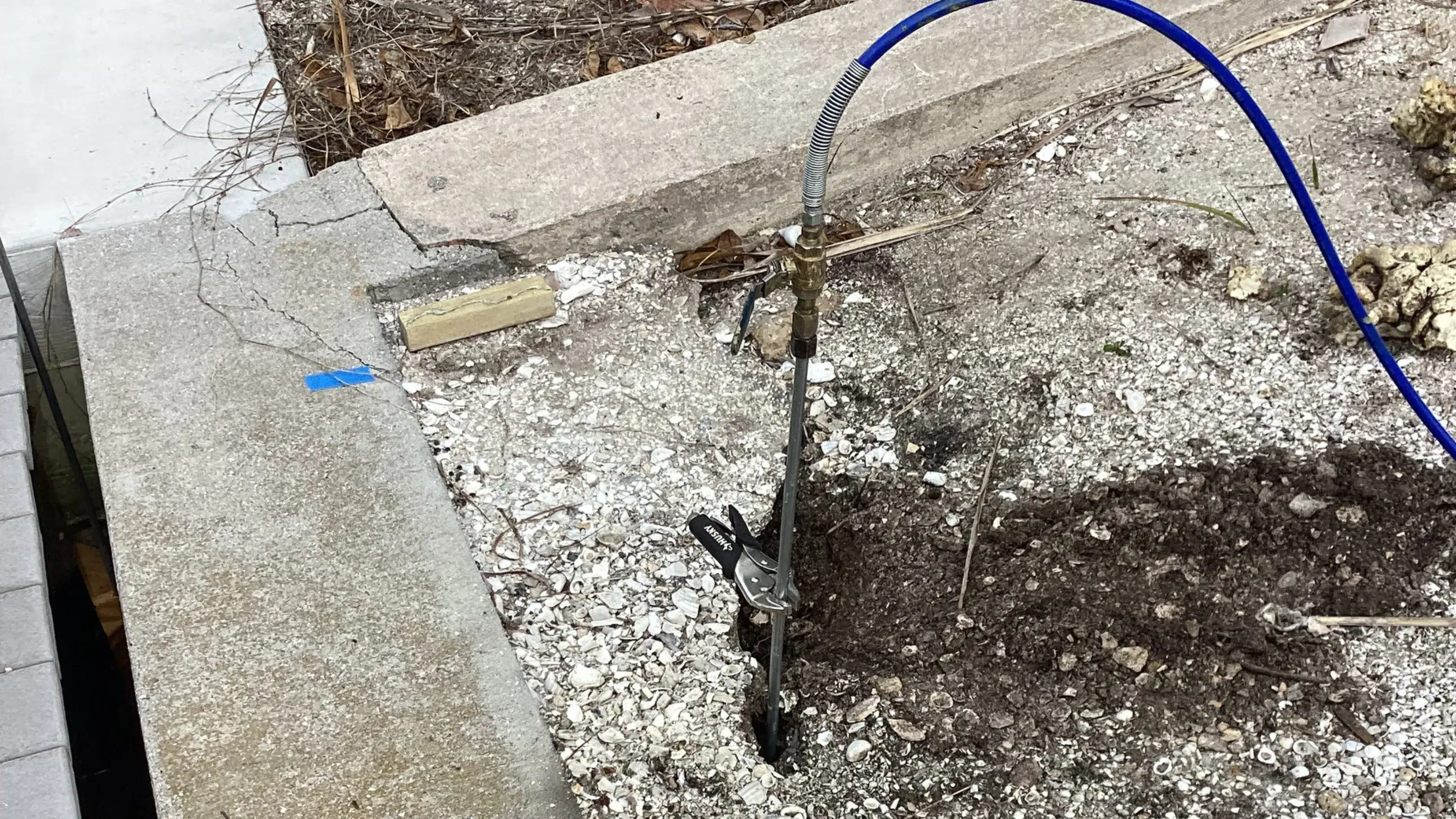
Polyurethane foam lifting offers a fast, minimally disruptive way to raise settled concrete slabs. Contractors drill small holes into the slab and inject expanding foam beneath the surface.
The foam fills empty spaces and gently lifts the concrete back into position. After patching the drill holes, homeowners can often use the slab again within a short period.
This repair method works best when the underlying soil remains mostly stable and the slab has settled because of moderate voids or minor soil compression. Compared with full slab replacement, polyurethane foam lifting typically causes less disruption around the property.
When Soil Stabilization or Engineering Review Makes Sense
Some properties require more than just slab lifting. Expansive soils, severe erosion, or poorly compacted fill may require soil stabilization before leveling repairs can succeed.
Contractors may use lime treatment, cement stabilization, compaction grouting, or chemical grout methods to improve weak soils beneath concrete slabs. When movement becomes severe or ongoing, a geotechnical engineer can evaluate the site conditions and recommend the most appropriate repair approach.
A professional inspection helps identify the true source of soil movement under concrete slabs so you can move forward with a clearer repair plan.
A More Stable Approach to Concrete Slab Movement
Understanding the causes of soil movement under concrete slabs helps you make informed decisions before small issues become larger repair projects. Moisture control, proper drainage, stable soil preparation, and early inspections all contribute to long-term slab performance.
At Helicon, we help Florida homeowners understand the conditions affecting their slabs, foundations, and surrounding soil. Our team focuses on thorough inspections, practical recommendations, and repair plans designed to support long-term property stability.
If you notice uneven concrete, stair-step cracks, or signs of slab settlement, schedule an inspection to get a clear repair plan and better understand your next steps.
Frequently Asked Questions
What causes soil movement under concrete slabs?
Soil movement under concrete slabs usually happens because of changing moisture levels, erosion, poor soil compaction, or unstable fill material. As the soil expands, shrinks, or washes away, the slab above can lose support and begin to settle unevenly.
Can heavy rain cause a concrete slab to sink?
Yes, heavy rain can contribute to slab settlement when water saturates the soil beneath the concrete or washes soil away from the subgrade. Poor drainage around the slab often makes these problems worse over time.
Are cracks in concrete slabs always a sign of settlement?
Not always. Small surface cracks can form during normal concrete curing, but widening cracks, diagonal cracks, or stair-step cracks often point to uneven support and soil movement under the slab.
How do I know if my slab movement is getting worse?
Signs of worsening slab movement include expanding cracks, uneven surfaces, standing water, sticking doors, and noticeable height differences between slabs. Monitoring changes over time can help you determine whether the movement is active.
What is polyurethane foam lifting used for?
Polyurethane foam lifting raises settled concrete by filling empty spaces beneath the slab with expanding foam. This method works well for many driveways, sidewalks, patios, and garage floors affected by minor to moderate settlement.
When is soil stabilization necessary under a concrete slab?
Soil stabilization may be necessary when the underlying soil continues shifting because of expansive clay, erosion, loose fill, or poor compaction. Stabilizing the soil helps improve long-term support before lifting or repairing the slab.
Should I repair drainage problems before leveling concrete?
Yes, correcting drainage issues first helps reduce the chance of future settlement. Redirecting water away from the slab helps maintain more consistent soil conditions and supports longer-lasting concrete repairs.