You walk down the hallway of your older Florida home and feel it before you see it: a gentle dip, a bounce underfoot, maybe a slope toward one wall. Older homes across the state carry decades of settling, humidity, and soil movement in their bones, so some slope is expected in a house built in the 1950s or earlier.
The difference between normal aging and a real structural problem usually comes down to the pattern and severity of the movement, not just its existence. A sudden new dip, a floor that bounces more than it used to, or a slope paired with cracked walls tells a different story.
This guide walks through what your floor’s shape usually means, what about Florida’s ground and climate makes this more common here, and when it’s worth having someone take a closer look.
What the Shape and Feel of the Floor Can Reveal
Standing in a room where the floor tilts noticeably to one corner is unsettling, especially when you’re not sure if it happened last year or over fifty. That single observation (a slope, a soft spot, a bounce when you walk) is the starting point for understanding what’s really going on beneath your feet. The shape of the unevenness often tells you more than the unevenness itself.
Helicon has spent years working with Florida homeowners who noticed exactly this kind of floor movement and wanted a straight answer. Since 2004, the company has looked at floors in homes ranging from 1920s bungalows to newer slab construction, and the patterns tend to repeat themselves in predictable ways.
A Whole-Room Slope Versus a Localized Dip
A slope that runs evenly across an entire room usually points to an issue along a support line, wall, or footing. A broad, consistent slope often means a section of the foundation or a support beam has moved, sometimes gradually and sometimes all at once.
A localized dip, on the other hand, is more often tied to a single weak joist or a damaged support post directly beneath that spot. This distinction matters because a whole-room slope suggests a bigger structural question, while a single dip may be a smaller, contained repair.
Why Soft, Bouncy, and Springy Areas Point Below the Finish Floor
Bouncy or springy floors almost always mean the problem sits below the surface, not in the flooring itself. Floor joists that are undersized, spaced too far apart, or weakened by rot lose their ability to hold weight firmly, and that loss of stiffness feels like a spring underfoot.
Support beams that have shifted or sagged create the same effect across a wider area. No amount of new flooring or self-leveling compound fixes this, because the compound sits on top of a subfloor that’s still moving.
When Minor Age-Related Variation May Be Cosmetic
Not every dip or slope signals trouble. A slight, long-standing variation with no recent change, no new cracks, and no sticking doors may simply reflect decades of normal wood movement and settling.
Homes on pier and beam foundations, in particular, often show this kind of gentle, stable unevenness. The key word is stable. If the slope hasn’t changed and nothing else in the house has shifted with it, it’s often cosmetic rather than structural.
Florida Conditions That Can Shift Floors or Weaken Framing
You notice a soft spot near the bathroom, or a slab crack that seems to widen after a rainy season. In Florida, the ground beneath your home isn’t a passive backdrop; it actively shapes how your floors behave over time. Understanding what’s happening in that soil layer explains a lot about what you’re feeling upstairs.
Helicon has worked on foundations throughout the state since 2004, and the company’s teams see the same regional patterns repeat across coastal and inland properties alike. Sandy soil, shifting ground, and heavy seasonal rain create conditions older framing wasn’t always built to handle long-term.
Sandy, Organic, and Weak Soils Beneath Older Homes
Much of Florida sits on sandy or organic soil that doesn’t compact or hold weight the way denser clay or rock does elsewhere. Over time, this soil can shift, erode, or settle unevenly beneath a foundation, a process known as differential settlement.
Florida’s sandy soils, as the University of Florida’s IFAS Extension explains, drain quickly but offer little of the binding structure clay-rich soils provide, so they compact and shift more readily under sustained load.
Combined with humidity and storm activity, this creates ideal conditions for gradual settling that shows up as sloped or bouncy floors years later. Crawlspace support posts sitting on weak soil can sink or shift out of position, dropping the beam above unevenly.
Rain, Poor Drainage, and Moisture Around Slabs and Crawl Spaces
Florida’s rainy season sends a lot of water toward foundations that weren’t always graded or drained properly decades ago. Poor drainage lets water pool near the slab or crawlspace, softening soil and increasing pressure against footings.
Moisture intrusion inside a crawlspace also creates the kind of damp, humid environment where wood rot thrives. A vapor barrier and dehumidifier can help control this going forward, but you need to address existing damage from years of exposure directly.
Termites, Carpenter Ants, and Long-Term Wood Deterioration
Florida’s climate is friendly to termites and carpenter ants year-round, and older homes with original wood framing are especially vulnerable. These pests target floor joists and support beams, hollowing them out from the inside before visible surface damage appears.
Combined with moisture, this creates a slow decline in structural integrity that eventually shows up as a soft or sagging floor. Regular pest control and prompt attention to any wood rot are some of the most effective ways to protect aging framing.
How to Tell Whether the Cause Is Structural or Surface-Level
You’ve noticed the floor slope, maybe a door that sticks a little more than it used to, and now you’re trying to figure out if this is worth worrying about. That in-between space (not sure if it’s serious, not sure if it’s nothing) is where many Florida homeowners with uneven floors in older homes sit before making a call. A few simple checks can clarify a lot before you pick up the phone.
Helicon built its inspection process around exactly this kind of uncertainty, giving Florida homeowners a clear answer instead of guesswork. Since 2004, the company’s approach has focused on identifying whether floor movement is isolated or connected to broader foundation problems.
Simple Observations to Make Before Booking an Inspection
A few basic tests can help you understand what you’re dealing with before anyone arrives:
- Marble or ball test: place it on the floor and see if it rolls consistently toward one direction.
- Level check: use a standard level along the floor in different rooms to measure the degree of slope.
- Door and window check: note any doors or windows that stick, no longer latch, or have visible gaps.
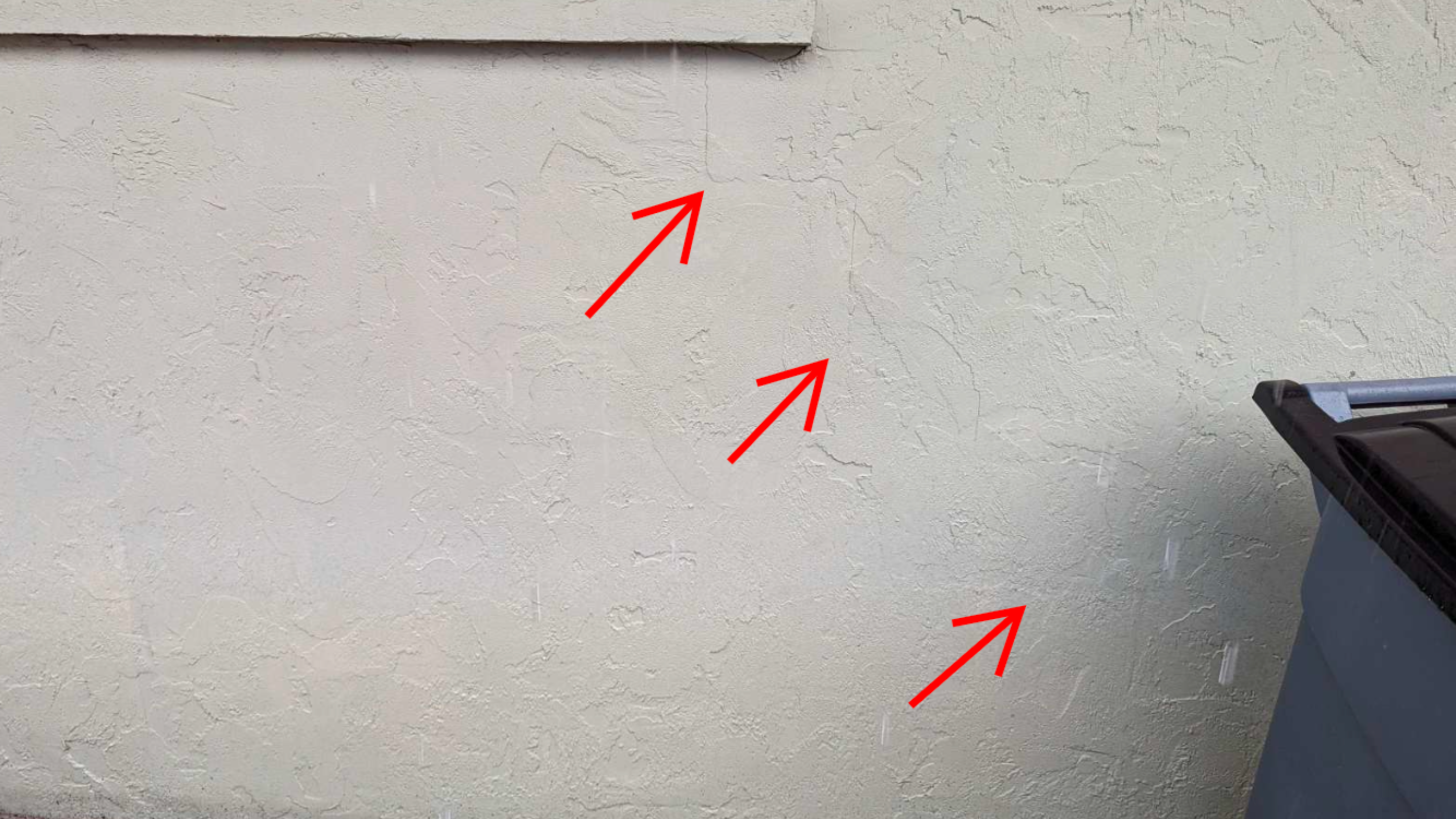
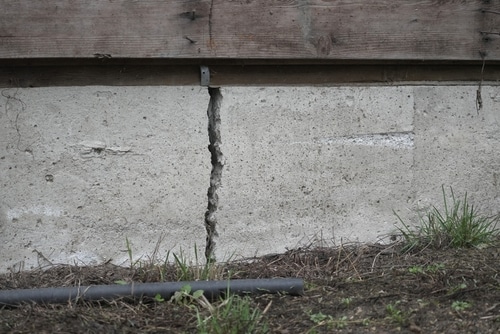
- Wall inspection: look for cracks near corners, ceiling lines, or above door frames.
Write down what you find and when you first noticed it. That timeline matters more than people expect.
Settlement Signs That Often Appear With Floor Movement
Floor slope rarely shows up completely alone when foundation settlement is the cause. Drywall gaps at corners, tile or hardwood cracks running parallel to load-bearing walls, and doors that only latch part of the year often appear together. Seeing two or more of these alongside your floor issue is a meaningful signal.
Why New Flooring or Surface Leveling Cannot Fix a Moving Home
It’s tempting to install new flooring or pour a self-leveling compound and call it done. But if the framing below or the foundation itself is still moving, the new surface will develop the same problems again, sometimes faster.
Surface repairs address the symptom, not the cause, and skipping the diagnosis step often costs more later. A qualified structural engineer or foundation specialist can identify what’s actually happening before any flooring work begins.
Repair Paths Based on the Cause Below the Floor
Once you know your floor’s slope traces back to a weak joist, a settled slab, or moisture damage, the next question is obvious: what actually fixes it? Standing in a home with a confirmed problem feels different from standing in one with an unknown one, and the repair path depends entirely on what’s happening underneath.
Helicon approaches every repair based on the specific cause identified during inspection, not a one-size answer. Since 2004, the company has worked on everything from crawlspace joist reinforcement to full foundation underpinning across Florida properties.
Keep reading to learn the main repair categories for uneven floors in old houses in Florida, from framing fixes to full foundation stabilization. Florida’s sandy soils often require engineered solutions like helical piers rather than shallow fixes that don’t reach stable ground.
Reinforcing Joists, Beams, and Crawl Space Supports
When weak or damaged framing is the cause, crawl space structural repair typically involves reinforcing or replacing floor joists and support beams. This can include installing sister joists alongside existing ones, adding steel brackets, or placing new support posts on solid footing.
This approach restores the floor’s structural capacity without requiring a full foundation intervention, as long as the foundation itself is stable.
Controlling Water and Replacing Damaged Wood Components
Where moisture intrusion or past water damage caused wood rot, the repair path starts with stopping the water source. That might mean drainage correction around the exterior, sealing plumbing leaks, or installing a vapor barrier and dehumidifier in the crawlspace.
Once moisture is controlled, replace damaged wood components. Pairing this with pest control addresses termite or carpenter ant activity that often accompanies long-term wood deterioration.
Lifting Settled Slabs and Stabilizing Foundation Support
For slab foundations that have settled due to soil movement or erosion, repair often involves soil stabilization combined with underpinning. Helical piers or push piers get driven down to more stable soil or bedrock, then used to lift and support the slab or concrete footings.
This method addresses the root cause of foundation settlement rather than masking it, providing permanent support beneath the affected area.
When a Professional Evaluation Should Not Wait
Some signs call for a foundation inspection sooner rather than later. These include a slope that has visibly worsened in recent months, new or widening wall cracks, doors that suddenly won’t latch, or a musty smell suggesting hidden moisture.
Any of these paired with floor movement is worth having a structural engineer or specialist look at directly.
What to Document Before a Foundation Inspection
Before your inspection, gather a few simple things: photos of any cracks with a coin or ruler for scale, notes on when you first noticed the slope, and a list of doors or windows that stick. This information helps the inspector understand the timeline and speeds up the evaluation.
Schedule a Free Florida Floor and Foundation Assessment
Not sure if that crack is cosmetic or structural? Helicon’s free inspection gives you a clear answer with no obligation. A trained specialist walks the property, checks the floor slope, and explains exactly what’s happening beneath the surface, protecting both your home’s structural integrity and its property value going forward.
Frequently Asked Questions
Are sloping floors normal in a 100-year-old Florida home?
Some degree of slope is common in homes this old, especially those on pier-and-beam foundations. A stable, long-standing slope with no recent worsening and no accompanying wall cracks is often cosmetic rather than a structural emergency.
What causes uneven floors in an older Florida house?
Common causes include foundation settlement from sandy or weak soils, wood rot from moisture intrusion, termite or pest damage to floor joists, and poor drainage around the home. Florida’s climate and soil conditions make several of these factors more common than in other regions.
How can I tell if uneven floors point to foundation settlement or a sinkhole?
Foundation settlement often shows a gradual, even slope across a room, while sinkhole activity can create a more sudden, localized dip along with new cracking in walls or the slab. A structural evaluation is the only reliable way to tell the difference, since both can look similar at first glance.
How much floor slope is acceptable before I need a professional inspection?
Most professionals consider a slight, stable slope of less than an inch over 20 feet low concern if nothing else has changed. Anything steeper, or any slope paired with cracks or sticking doors, is worth having inspected.
What is the cost to repair uneven floors in an old Florida home?
Costs vary widely depending on whether the fix involves joist reinforcement, moisture control, or full foundation underpinning with helical piers. A free inspection is the best way to get an estimate specific to your home’s situation.
Can foundation repair permanently stabilize uneven floors without major demolition?
Modern methods like helical pier underpinning and slab lifting are less invasive than older techniques, often requiring only small access points rather than full demolition. These engineered solutions aim to provide lasting stabilization by reaching stable soil or bedrock beneath the affected area.
From Shifting Floors to a Solid Foundation
A sloped or bouncy floor in an older Florida home doesn’t have to stay a mystery. Once you know the difference between normal aging and a sign of real settlement, the next step becomes obvious instead of overwhelming. Most of the time, the answer comes down to what’s happening in the soil, the framing, or the moisture levels below the surface, not the floor itself.
Whether your situation is a minor, stable variation or something that calls for underpinning and soil stabilization, a clear answer beats living with uncertainty. Call Helicon today and talk to a Florida foundation specialist who has seen this problem before.