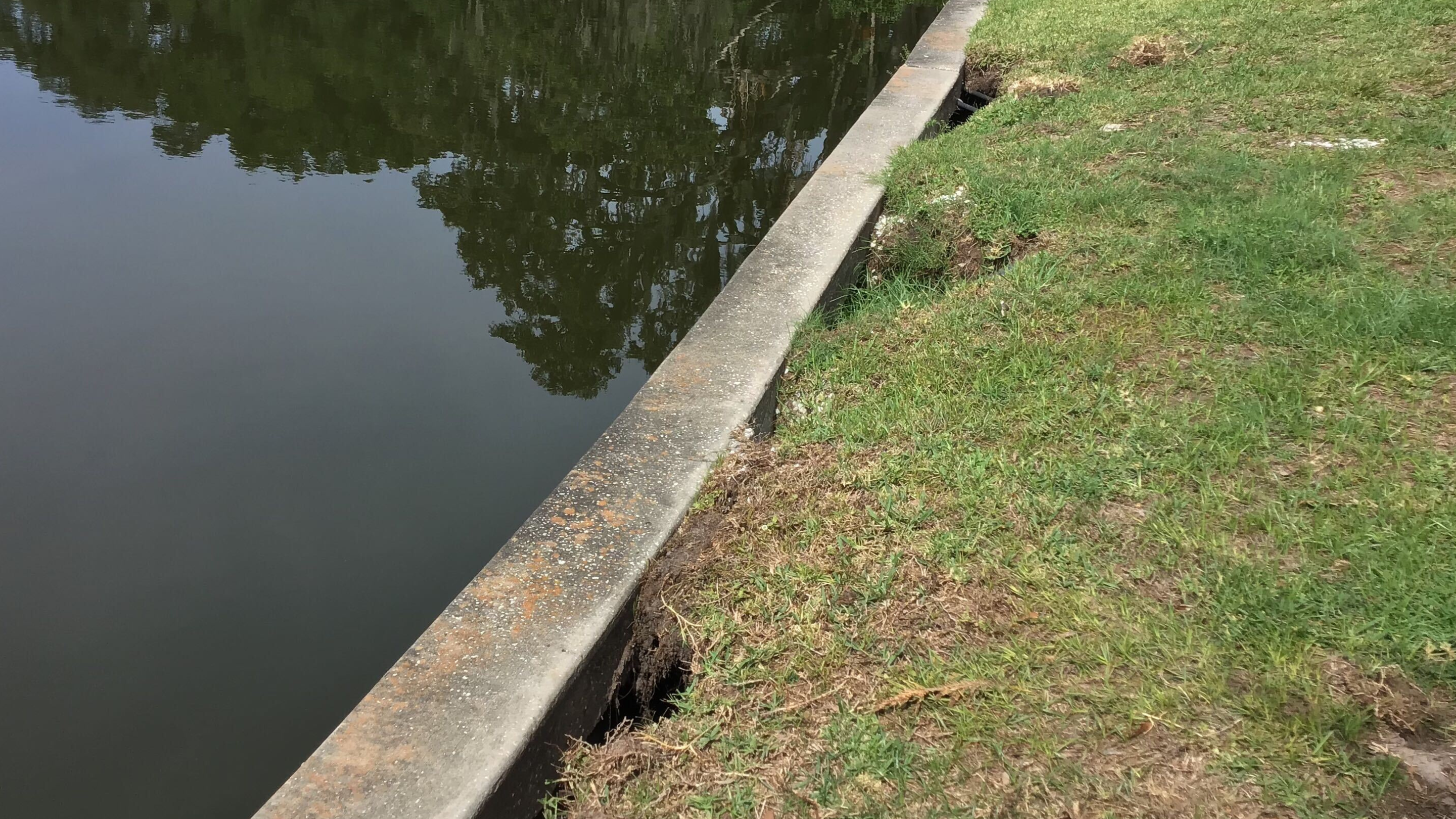
Have you ever noticed tiny cracks forming in your yard or uneven patches near your home and wondered if they mean trouble?
These are often early hints that the ground beneath you is shifting.
Soil instability can be identified by watching for visible signs like cracks in the ground, sinking areas, or uneven surfaces around your property. These signals often show that the soil is no longer compact or strong enough to support your home’s foundation.
We’ve seen how unpredictable Florida’s soil can be. From loose sand to areas that hold too much water, even small changes in moisture can make the ground move. That’s why paying attention to warning signs early makes all the difference in keeping your property safe.
At Helicon, we specialize in keeping that foundation strong. Our team uses advanced testing and stabilization techniques to detect and fix soil issues before they worsen.
In this blog, we will cover:
- How to identify early signs of soil instability
- What environmental and structural factors weaken soil
- How our stabilization and foundation repair methods protect your home
Let’s look at how to spot these early clues and keep your foundation secure.
Understanding Soil Instability
Soil instability means the ground beneath your home or property is weak or changes easily, which can cause damage. To protect your foundation, it helps to understand what soil instability is, the different types you might face, and what usually causes it.
Definition of Soil Instability
Soil instability happens when soil can’t hold its shape or support weight properly. This means the soil can shift, crack, or erode, affecting the structures built on it. Unstable soil often leads to foundation cracks, sinking, or uneven surfaces. Instability can come from natural soil properties or changes in moisture and pressure.
Types of Soil Instability
There are several types of unstable soil you should know:
- Expansive clay: This soil swells when wet and shrinks when dry. It can push and pull on your foundation, causing cracks.
- Loose or sandy soil: This type doesn’t compact well and shifts easily under pressure.
- Organic-rich soil: Contains decayed plants or roots that break down and leave pockets, weakening the soil.
- Soil prone to erosion or subsidence: This soil washes away or sinks, often seen near slopes or water.
Knowing which type is under your home guides the best way to strengthen or repair it.
Common Causes of Unstable Soil
Several factors cause soil to become unstable:
- Water content: Too much water weakens soil and causes swelling or soft spots.
- Lack of compaction: If soil isn’t packed tightly during construction, it can settle unevenly.
- Organic material: Decaying plants create weak spots that collapse over time.
- Soil crusting: A hard layer on top of the soil limits water absorption and can lead to surface erosion.
You can look for signs like cracks in the ground or uneven patches to spot instability early. Keeping the soil properly drained and compacted helps maintain a strong foundation.
Early Warning Signs of Soil Instability
Soil instability can cause serious problems for your home and property if left unchecked. Knowing what to look for early can help you take action before damage occurs. Pay attention to changes on the ground surface, the way plants grow, and any shifts in slopes near your property.
Surface Cracking and Depressions
One of the first things you might see is cracks in the soil or sinking ground. These cracks often appear as straight or jagged lines.
They can appear near foundations, sidewalks, driveways, or even in your yard. Depressions or small dips in the soil indicate the ground is shifting or settling unevenly. After rain, you may notice water pooling in these low spots because the soil is no longer level.
Changes in Vegetation Patterns
Look closely at any sudden change in how plants grow around your property.
Areas where grass or plants start dying, wilting, or thinning out may point to soil problems below. Unhealthy vegetation can mean the soil is not holding water properly or has shifted, so roots can’t grow well.
In contrast, new cracks or soil movement can sometimes cause plants to grow in unexpected patches, clustered or tilted oddly.
Visible Slope Movement
If your property is near a hill or slope, watch for signs that the slope is moving. Slow shifts might cause leaning trees, tilting fences, or walls starting to pull away from the soil.
You may also see ridges forming in the soil or thin, surface cracks running across the slope. These signs mean the soil layer is creeping downhill, which can lead to bigger landslides or foundation problems.
Testing Methods for Soil Instability
To identify soil instability, reliable testing methods are needed that reveal the soil’s condition, moisture levels, and strength. Tests range from simple observations at your site to detailed lab work, giving you a clear picture of how stable the ground really is.
Visual Site Assessment
Start by looking closely at the soil and surroundings.
Check for cracks in the ground, uneven surfaces, or areas where soil has washed away. These signs often indicate weak or shifting soil. Look for pooling water or poor drainage spots.
Water buildup can soften soil and reduce stability. Pay attention to nearby slopes as well. Steep or eroded slopes increase the risk of soil sliding. Use a handheld tool like a probe or rod to feel the soil’s firmness at different depths.
Loose, crumbly soil is less stable than dense, compacted soil. Taking notes on these observations helps you understand where more testing might be needed.
Simple Field Tests
Some basic tests can be done right at your site without special equipment.
- The slake test involves putting a soil sample into water. If the soil disintegrates quickly, it shows poor stability. Soil that holds together is more stable.
- The shear strength test looks at how much force soil can resist before moving or breaking. This can sometimes be tested with handheld tools or simple devices.
- Moisture content is also important to check. You can do this by squeezing a soil sample to feel how wet or dry it is. High moisture may mean you need drainage solutions.
These quick tests help you spot unstable areas and plan for more thorough analysis.
Laboratory Soil Analysis
Lab tests give the most detailed information on soil stability. Samples taken from your site are checked for things like particle size, moisture levels, density, and chemical makeup.
Common lab tests include:
| Test Name | Purpose |
|---|---|
| Proctor Compaction | Finds ideal moisture for soil strength |
| Plasticity Index | Measures soil’s ability to deform without cracking |
| Aggregate Stability | Shows how well soil clumps hold together, resisting erosion |
These tests are critical for designing lasting foundation repairs or soil stabilization strategies.
Environmental Factors Influencing Soil Instability
Soil instability occurs when certain environmental conditions make the soil weak or unable to support structures safely. Two major environmental factors affecting this are how water moves through the soil and the effects of weather events.
Water Drainage and Saturation
Water in the soil plays a significant role in its stability. Poor drainage causes water to collect and saturate the soil, which can reduce its strength. When soil is saturated, it loses cohesion and becomes more prone to shifting or sinking.
Signs you might have drainage problems:
- Puddles or standing water near your foundation
- Soft, muddy soil after rain
- Soggy lawn patches that don’t dry easily
Too much moisture also increases the risk of soil swelling or shrinking, especially in clay-rich soils. This movement can crack foundations or cause uneven settling. To protect your property, check that gutters, downspouts, and grading direct water away from the house.
Proper drainage helps keep the soil firm and stable underfoot.
Impact of Weather Events
Heavy rain, storms, and flooding add pressure to the soil, often speeding up instability. These events saturate the ground quickly, leading to erosion or soil collapse in some areas.
In Florida, hurricanes and tropical storms can dump large amounts of rain within a short time. This sudden water influx overwhelms natural drainage, creating critical instability risks around your home.
Wind can also loosen soil particles, especially on slopes or areas with sparse vegetation. When soil is exposed, it becomes easier to erode and less able to hold foundations securely. Observing weather forecasts and preparing drainage systems ahead of storms can reduce soil damage.
If you notice new cracks, sloping floors, or shifting structures after weather events, it’s a sign to check soil stability right away.
Field Observations and Monitoring Techniques
To spot soil instability, you rely on careful observations and clear monitoring methods. This includes using tools to measure soil features and keeping track of how these features change over time. Both steps help you catch early signs of trouble before they affect your structure.
Using Survey Equipment
Survey equipment helps you measure soil conditions precisely.
Tools like GPS units and total stations mark exact points on the land. This lets you set up grids or reference spots for regular soil testing. You can use equipment to observe soil movement, cracks, or slope changes.
For example, you might place stakes or markers along a slope and measure their movement over days or weeks. This gives you precise data on ground shifts. Visual signs on soil, such as color changes or water pooling, are noted alongside these measurements.
Equipment helps make these observations consistent and reliable. Understanding how soil behaves near your foundation is key.
Tracking Changes Over Time
Watching soil over time is important to spotting instability early.
You want to take soil samples and check soil moisture, compaction, and texture regularly. This helps you see trends, like soil softening or drying out. Field notes help track visible changes like cracks, erosion, or settling.
You should schedule regular visits, especially after heavy rain or drought. Comparing current data to past readings shows how the soil responds to the environment and loads. Keeping good records, such as photos and measurements, lets you catch small problems before they grow.
Common Locations Prone to Soil Instability
Soil instability often occurs where the ground is uneven or water affects the soil. These conditions can lead to shifting, sinking, or erosion, harming foundations and other structures. Understanding where soil problems happen can help you spot risks early.
Steep Slopes and Hillsides
Steep slopes put extra pressure on the soil, making it prone to slipping or sliding.
When rainwater collects here, it can saturate the soil, reducing its strength and increasing the risk of landslides. You may notice cracks in the ground or small gullies forming. Vegetation plays a big role on hillsides.
If plants or trees are missing, roots that usually hold the soil in place are gone, which can make the soil more likely to move. Exposed soil or fallen trees are signs that the slope may be unstable.
If you live near or on a slope, watch for changes in the land’s shape over time. Soil that shifts unevenly can damage nearby foundations or driveways.
Riverbanks and Coastal Areas
Soil near rivers and coasts often faces erosion from flowing or wave-driven water. This constant movement can wash soil away, causing the ground to drop or form holes. You might see undercut banks or exposed roots along the edge. High water levels or storms can speed up erosion.
Saltwater in coastal areas can also break down soil structure, leading to more instability. If you have property near these areas, pay attention to any soil loss or sudden changes in the land. Erosion may affect soil and weaken structures like seawalls or foundations near the water.
| Key Signs to Monitor | Impact on Soil |
|---|---|
| Exposed roots or stumps | Soil sliding or erosion |
| Cracks in soil or foundations | Uneven settling or shifting |
| Gullies or small channels | Water removal and soil loss |
Spotting these signs can help you address soil instability before it harms your home or land.
Professional Consultation and Soil Stability Assessments
Knowing when to bring in a professional and understanding the details of soil reports are key steps in handling soil instability. These steps help ensure your property is safe and your foundation stays strong over time.
When to Call a Geotechnical Engineer?
If you notice sudden ground cracks, sinkholes, or uneven surfaces around your home, contact a geotechnical engineer. These signs can mean the soil is unstable and could affect your foundation’s safety.
If you plan new construction or major landscaping, getting a professional soil assessment is a smart move. An engineer will test soil strength, moisture, and other key factors to recommend the best foundation or soil stabilization methods.
Calling a geotechnical engineer early can save you money and prevent damage. They use specialized tools and expertise to identify risks that aren’t visible to the naked eye.
Overview of Geotechnical Reports
A geotechnical report provides detailed information about your soil’s condition.
It includes test results on soil strength, moisture content, and how stable the ground is beneath your property. These reports often cover important tests like shear strength and soil compaction. The data helps experts decide if your soil can hold a foundation safely or if extra support is needed.
You’ll find specific recommendations in the report, such as the type of foundation to use or soil treatment options like compaction or chemical stabilization. These insights protect your home from future settling or damage.
Preventative Measures to Address Soil Instability
Taking steps early can help keep your soil firm and stable. You can control water flow to avoid erosion and use plants to hold soil in place.
Improving Site Drainage
Good drainage stops water from pooling and weakening your soil.
You can add drainage ditches, French drains, or swales to direct water away from vulnerable areas. Make sure gutters and downspouts join drainage systems properly. This prevents water from collecting near your foundation or slopes, which can cause soil to loosen and slide.
Regularly check for clogged drains and fix any blockages quickly. Proper drainage helps keep the ground firm, reducing the risk of soil shifting or erosion on your property.
Vegetative Stabilization Techniques
Plants with strong roots help bind your soil and reduce erosion.
- Use grasses, shrubs, or ground covers that grow well in your soil type. Native plants are often best because they adapt to local conditions. Their roots create a natural net that holds soil in place during heavy rains or wind.
- For steep slopes, consider planting deep-rooted shrubs or installing erosion control mats with seeds. Vegetation also improves water absorption and soil health.
Foundation Stabilization Methods Used by Helicon
Once you identify soil instability, the next step is finding the right solution to restore your foundation’s strength.
At Helicon, we don’t just patch the surface—we stabilize the ground itself. Depending on your soil conditions and the type of damage, our team uses specialized techniques designed for long-term performance in Florida’s challenging environments.
Here’s an overview of the main methods we use and how each one helps protect your property:
| Stabilization Method | Purpose | Best Used For | Key Benefit |
| Push Piers | Transfer the building load to stable soil or bedrock. | Homes with sinking or settling foundations. | Provides immediate structural lift and long-term stability. |
| Helical Piers | Screw-like anchors installed into the soil for strong support. | Light structures or areas with variable soil conditions. | Quick installation with minimal ground disturbance. |
| Slab Piers | Installed beneath concrete slabs to raise and stabilize them. | Sunken interior floors or patios. | Precise lifting without major excavation. |
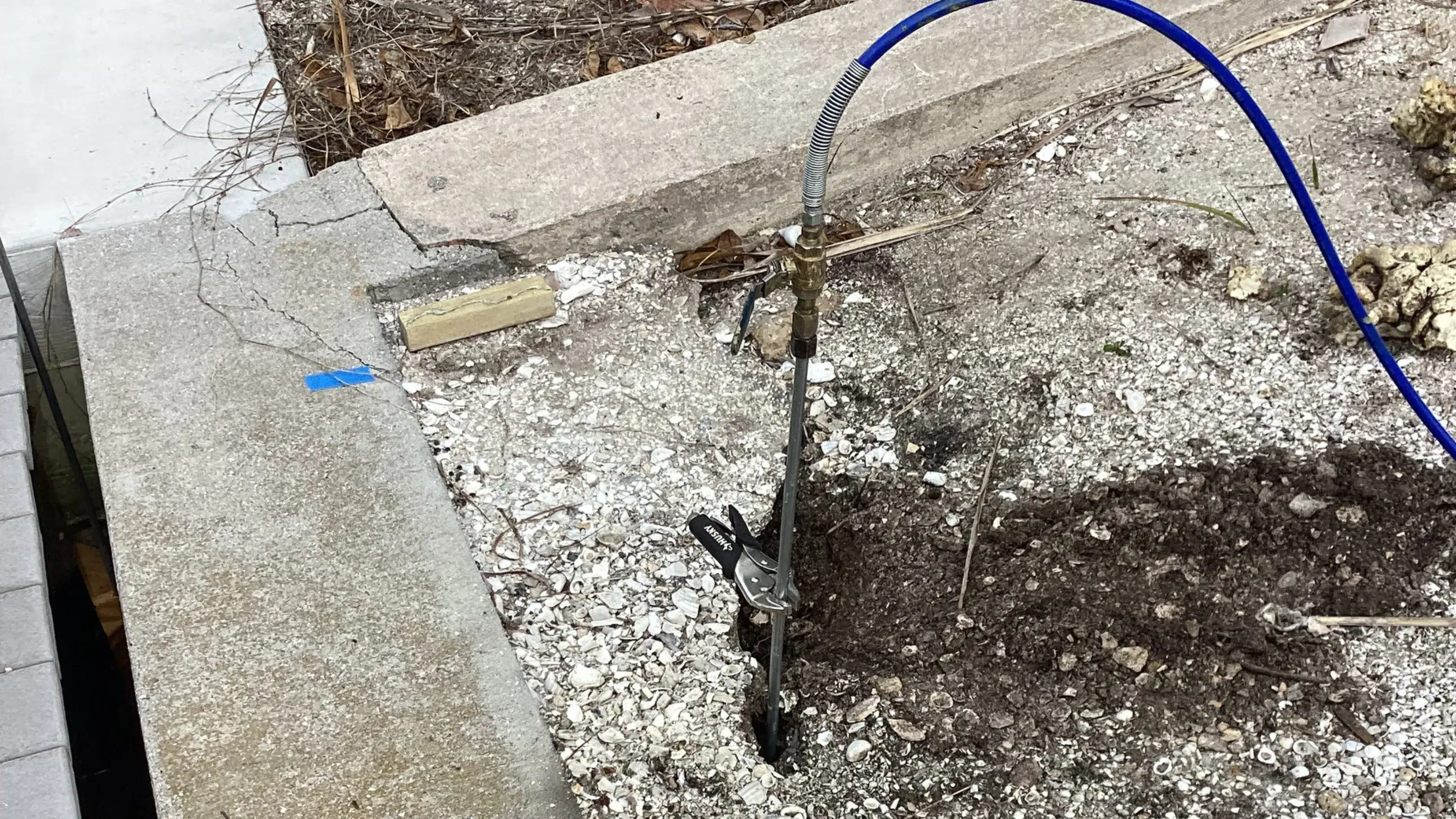
| Chemical Polyurethane Injection | Expands under slabs to fill voids and compact weak soil. | Pool decks, driveways, and sidewalks with sinking concrete. | Lightweight, long-lasting, and quick-curing solution. |
| Compaction Grouting | Injects a dense grout mixture to strengthen deep, loose soil. | Sinkhole-prone areas or severely unstable ground. | Improves soil bearing capacity and prevents future settlement. |
| Soil Stabilization Treatments | Reinforces soil using chemical or mechanical means. | Areas with soft or erodible soil around the foundation. | Reduces erosion, improves soil density, and maintains long-term stability. |
Each of these methods targets the root cause of instability, not just the symptoms. By combining advanced engineering and proven field techniques, we ensure your foundation remains strong, level, and secure for years to come.
The Bottom Line
Soil instability might start small, but its effects can grow quickly if left unchecked. From cracks in your foundation to sinking concrete, every sign points to a deeper issue beneath the surface. The good news is that you don’t have to face it alone.
At Helicon, we specialize in identifying the root cause of soil movement and restoring your foundation’s strength using proven stabilization methods. Our experts have been protecting Florida homes for over 20 years with reliable, long-term solutions.
Schedule your free inspection today to find out what’s happening beneath your home and secure a custom plan to keep your foundation stable for years to come.
Frequently Asked Questions
Understanding soil instability is crucial for keeping your home safe and your foundation strong. Still, many homeowners have questions about how to identify risks, what causes soil movement, and when to seek help.
Here are a few common questions people often ask, and clear, concise answers that’ll help you make confident decisions about your property.
What are the early warning signs of soil instability?
Look for cracks in walls or floors, uneven ground, leaning fences, and water pooling near your foundation. These visible shifts often mean the soil underneath is moving or losing its ability to hold weight properly.
Can weather changes affect soil stability?
Yes. Heavy rain, droughts, and hurricanes can quickly change soil moisture levels, causing it to swell, shrink, or erode. Florida’s frequent rainfall and storms make regular inspections essential for protecting your property.
How does poor drainage lead to soil instability?
When water collects around your foundation, it saturates the soil and weakens its structure. Over time, this creates soft spots and pressure imbalances, leading to cracking or sinking foundations.
What role do trees and landscaping play in soil health?
Tree roots can absorb too much moisture from nearby soil, while poor landscaping may trap water around your home. Both can disturb soil balance, leading to erosion or uneven settling over time.
When should I call a professional for soil testing?
If you notice sinking areas, expanding cracks, or structural shifts, it’s time for a professional inspection. Helicon offers free soil stability assessments to identify underlying problems and recommend the right stabilization methods for long-term protection.