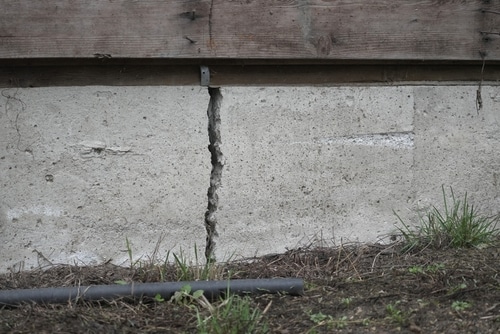
Building a pool is exciting, but many homeowners overlook one critical detail: gunite pool foundation requirements. If the foundation is poorly prepared, problems like cracking, settling, and costly repairs can appear within a few years.
At Helicon, we often see pool damage caused by unstable soil, poor drainage, or improperly installed reinforcement. These issues usually begin beneath the surface, long before the first swim.
This guide explains the key requirements for gunite pool foundations, including soil preparation, reinforcement standards, and drainage planning, so you can build a pool that lasts.
Essential Gunite Pool Foundation Standards
To build a gunite pool that actually lasts, you must meet specific structural and soil preparation standards. The foundation needs to handle soil movement, support structural loads, and maintain proper reinforcement.
Soil Compaction And Bearing Capacity
Your soil must support the combined weight of the pool shell, water, and surrounding deck. Most residential gunite pools require a minimum soil bearing capacity of 1,500 pounds per square foot.
The soil should be compacted to at least 95% of maximum density. A geotechnical engineer can test the soil and confirm whether the site meets gunite pool foundation requirements. Loose or unstable soil often leads to settlement and cracks.
Certain soil types need additional preparation. Expansive clay soils expand when wet and shrink when dry, which can stress the pool shell. Sandy soils may require stabilization using compacted fill.
If excavation reveals organic material or soft spots, they must be removed and replaced with engineered fill before construction continues.
Minimum Depth And Thickness Requirements
The pool floor should be at least 8 inches thick for a typical residential gunite pool foundation. Pool walls usually range between 8 and 10 inches thick, depending on depth and design.
Deeper pools require thicker walls. If your pool exceeds 6 feet in depth, 10-inch walls are often recommended to maintain structural stability.
The pool floor should slope toward drains at a minimum grade of 1 inch per 10 feet. This slope helps manage water circulation and maintenance. A 4- to 6-inch gravel base should be installed beneath the pool floor. This layer improves drainage and helps prevent groundwater pressure from building beneath the shell.
Reinforcement Placement Guidelines
Steel reinforcement plays a major role in the requirements for gunite pool foundations. Rebar strengthens the shell and prevents structural cracking over time. Most pools use #4 rebar (½-inch diameter) spaced 12 inches apart in both directions across the walls and floor.
Rebar should sit near the center of the gunite thickness. For an 8-inch wall, this means positioning steel about 4 inches from each surface. Always maintain at least 3 inches of concrete cover between rebar and exposed surfaces. This protects the steel from corrosion. All intersections must be securely wire-tied to keep the grid stable during gunite application. Extra reinforcement is also required around:
- Steps
- Benches
- Plumbing penetrations
- Floor-to-wall transitions
Site Preparation For Gunite Pool Foundations
Proper site preparation supports long-term structural integrity and prevents premature repairs. Excavation, drainage control, and accurate layout are critical steps.
Excavation Procedures
Excavation begins by marking the exact pool outline using stakes and string lines. Heavy equipment removes soil in layers, typically digging 6–12 inches deeper and wider than the final pool shape. This extra space allows room for steel reinforcement and the gunite shell.
Excavation walls should slope slightly outward to prevent collapse. The base must be level and properly compacted to support the pool structure.
Different soil types require different handling. Rocky soil may require specialized excavation equipment, while sandy soil sometimes needs stabilization.
Always contact local utility companies before excavation begins. Most areas require 48 hours’ notice to mark underground lines. Excavated soil may be reused for landscaping. However, hauling excess soil off-site can add additional project costs.
Drainage And Moisture Control
Effective drainage is a key part of gunite pool foundation requirements. Perforated drain pipes are often installed around the pool perimeter, below the floor level. These pipes direct water toward a collection point or sump pump system.
If groundwater levels are high, a hydrostatic relief valve should be installed in the pool floor. This valve prevents the shell from lifting or cracking when the pool is empty.
Contractors should also test soil percolation rates. In some areas, additional drainage systems such as French drains or gravel beds may be required to move water away from the pool structure.
Surveying And Layout Planning
Professional surveying ensures the pool location meets property setbacks and elevation requirements. Surveyors use laser levels and GPS equipment to mark excavation depths and contours accurately.
The layout plan should also define deck slopes, usually around 1–2%, to move water away from the pool area. Additional locations must be mapped during planning, including:
- Plumbing lines
- Electrical connections
- Equipment pad placement
Surveying also determines the final waterline height relative to your home and landscaping. Before installing steel reinforcement, all measurements should be verified against permits and construction plans. Correcting mistakes after rebar installation becomes significantly more expensive.
Structural Considerations For Gunite Foundations
A gunite pool shell must resist constant pressure from water inside the pool and soil outside it. Proper reinforcement design and concrete placement are essential.
Steel Rebar Grid Design
The rebar framework forms a three-dimensional cage that strengthens the entire gunite shell. Steel bars are typically positioned 2–4 inches away from the excavation walls. This allows sufficient gunite coverage and protects the steel from corrosion.
Most pool shells use #3 or #4 rebar spaced 8–12 inches apart in both directions. Common reinforcement areas include:
- Floor grids installed in perpendicular layers
- Wall grids tied vertically and horizontally
- Additional reinforcement at corners and transitions
- Extra steel around steps and benches
Each intersection must be securely tied with steel wire. Loose connections can allow the grid to shift during gunite application, creating weak points in the shell.
Crack Prevention Strategies
Concrete cracking often occurs when the material cures unevenly or experiences excessive structural stress. During curing, the gunite surface should remain moist for 7–10 days. This slow-curing process improves strength and reduces shrinkage cracks.
Soil conditions also influence cracking risk. Expansive clay can place additional pressure on pool walls, while sandy or rocky soils typically drain better and remain more stable. The correct concrete mix is equally important. Gunite requires the proper water-cement ratio and climate-specific additives.
Too much water weakens the mix. Too little water can make proper application difficult. Control joints may also be added at specific stress points. These joints allow the concrete to crack in controlled areas that do not affect the pool’s structure or appearance.
Load-Bearing Wall Construction
Pool walls must resist both inward soil pressure and outward water pressure. Typical wall thickness ranges from 6 to 10 inches, depending on pool depth and soil conditions. As pool depth increases, water pressure rises. An 8-foot-deep pool can produce roughly 250 pounds of pressure per square foot at the bottom.
Proper drainage behind the walls helps reduce hydrostatic pressure caused by saturated soil. At the top of the walls, a bond beam is installed. This reinforced concrete ring ties the entire shell together and distributes loads evenly across the structure.
Building Codes And Inspection Protocols
Gunite pool construction must comply with local building codes, engineering standards, and inspection procedures.
Permitting And Compliance Requirements
Before excavation begins, contractors must submit detailed construction plans to the local building department.
These plans typically include:
- Steel reinforcement schedules
- Structural drawings signed by a licensed engineer
- Plumbing and electrical layouts
- Equipment specifications
Most jurisdictions require at least two sets of plans for review. Pool decks must also meet accessibility and safety standards. Deck slopes generally cannot exceed 2% in any direction to ensure safe drainage.
Electrical bonding details and plumbing layouts must be clearly documented. Projects that include spas or gas heaters also require manufacturer specifications and gas line information.
Inspection Stages During Construction
Gunite pool foundations are inspected at several key stages.
- Pre-Deck Inspection: occurs before concrete is poured for on-grade pool decks.
- Pre-Gunite Inspection: Takes place after excavation, steel reinforcement installation, electrical bonding, and plumbing pressure testing.
- Final Inspection: Verifies overall compliance. Projects with gas equipment may also require a whole-house gas test.
Inspectors confirm that steel reinforcement matches approved plans and sits at the correct depth and spacing. They also verify that forms are properly braced and that plumbing lines pass pressure testing before gunite application begins.
Common Challenges And Solutions In Gunite Pool Foundations
Building a gunite pool foundation can present challenges related to soil stability and groundwater levels.
Managing Unstable Soil Conditions
Soil conditions play a major role in gunite pool foundation requirements. Clay soils expand and contract with changes in moisture, which can stress the pool shell. Sandy soils may lack the bearing capacity needed to support the structure.
A professional soil test should always be performed before construction.
If soil stability is poor, several corrective options may be used:
- Over-excavating and replacing unsuitable soil
- Installing engineered structural fill
- Increasing steel reinforcement density
- Adding perimeter concrete footings
In areas with extremely weak soil, contractors may install geogrid reinforcement fabric beneath the foundation. This material distributes structural loads across a wider area.
Addressing Water Table Issues
A high water table can place constant pressure beneath the pool shell. If groundwater pressure becomes too strong, it can cause structural cracking or even lift an empty pool upward.
Contractors should evaluate groundwater levels during the rainy season, when the water table is typically highest. When high groundwater is present, several mitigation strategies may be necessary:
- Installing perimeter drainage systems
- Adding hydrostatic relief valves in the pool floor
- Using temporary sump pumps during construction
- Raising the pool elevation where possible
Pools located in high-water-table areas should not remain empty for long periods. Groundwater pressure can stress the shell and lead to structural damage.
Avoid Costly Pool Foundation Problems
Ignoring gunite pool foundation requirements can lead to cracks, shifting, and expensive structural repairs. Proper soil preparation, drainage, and reinforcement help protect the pool shell and extend its lifespan.
When foundation conditions are uncertain, experienced professionals can identify risks before construction begins. Helicon helps homeowners evaluate soil conditions and structural requirements to prevent long-term foundation problems.
If you are planning a new pool or noticing signs of movement, schedule a professional inspection to protect your investment and avoid costly repairs later.
Frequently Asked Questions
What Is The Required Thickness For A Gunite Pool Foundation?
Most residential gunite pools require a pool floor thickness of about 8 inches. Pool walls typically range between 8 and 10 inches thick, depending on the pool depth and soil conditions. Deeper pools generally need thicker walls to handle increased water pressure and surrounding soil loads.
What Type Of Soil Is Best For A Gunite Pool Foundation?
Stable soils with good load-bearing capacity are best for gunite pools. Ideally, the soil should support at least 1,500 pounds per square foot. Clay soils, sandy soils, and organic material may require additional preparation, stabilization, or engineered fill before construction.
How Is Rebar Installed In A Gunite Pool Foundation?
Rebar forms a structural grid that reinforces the entire pool shell. Most builders use #4 rebar spaced about 12 inches apart in both directions across the floor and walls. The steel is positioned near the center of the gunite thickness and tied together with wire to keep the grid stable during application.
Why Is Drainage Important For A Gunite Pool Foundation?
Drainage helps prevent groundwater pressure from building beneath the pool shell. Without proper drainage, hydrostatic pressure can crack the gunite or even push the pool upward when it is empty.
Many pools include perimeter drains, gravel bases, and hydrostatic relief valves to manage groundwater safely.
Do Gunite Pools Need Soil Testing Before Construction?
Soil testing is strongly recommended before building a gunite pool. A geotechnical test identifies soil type, moisture behavior, and load-bearing capacity. If poor soil conditions are found, builders can correct them early with compaction, engineered fill, or additional reinforcement.