
Orlando, Florida
The Project
The Challenge
The Solution
FREE INSPECTION REQUEST

Market: Residential
Solution: Underpinning (Push Pier) and Two-Part Polyurethane Soil & Slab Injections
Services: Foundation Repair and Soil Stabilization
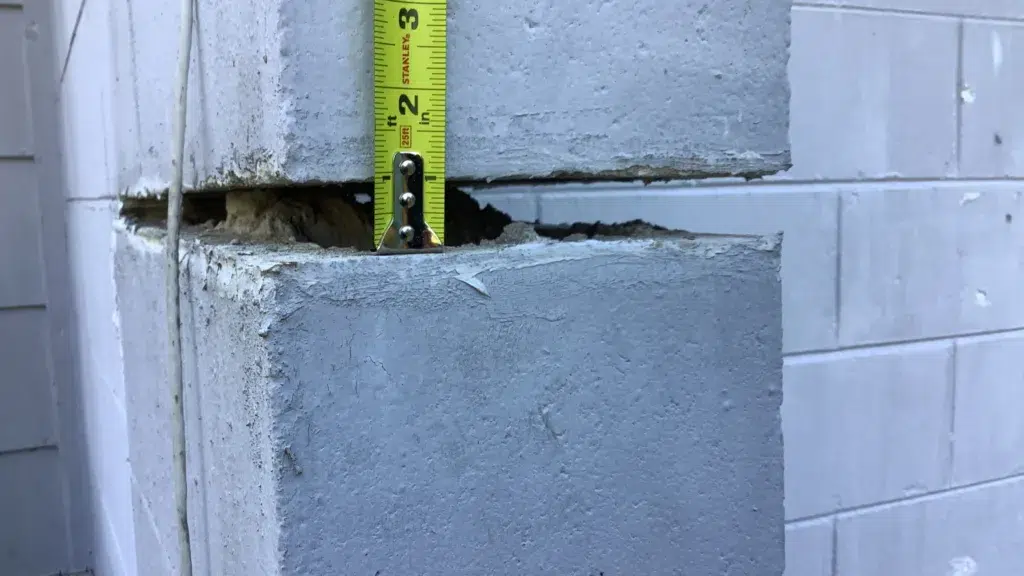
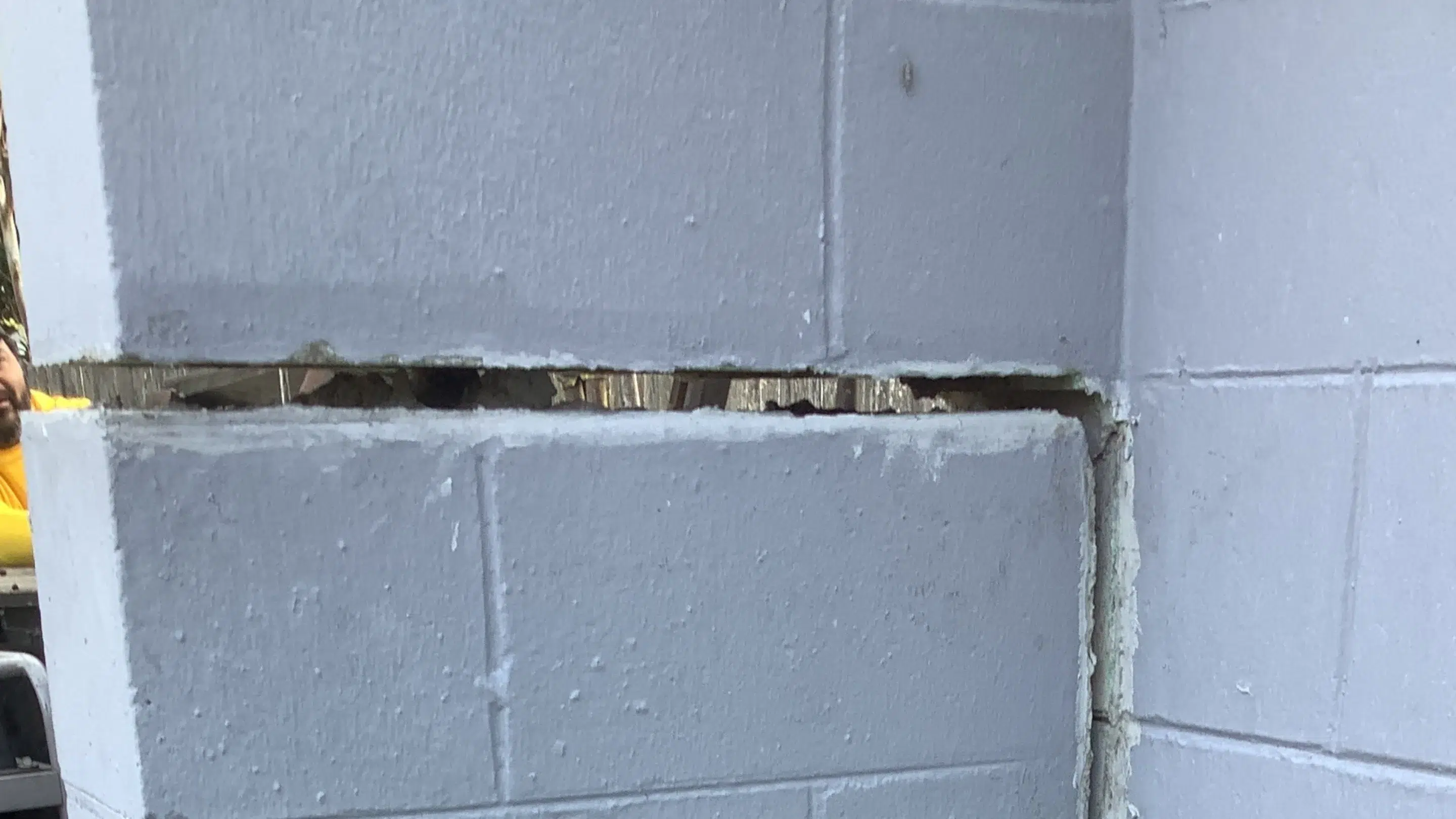
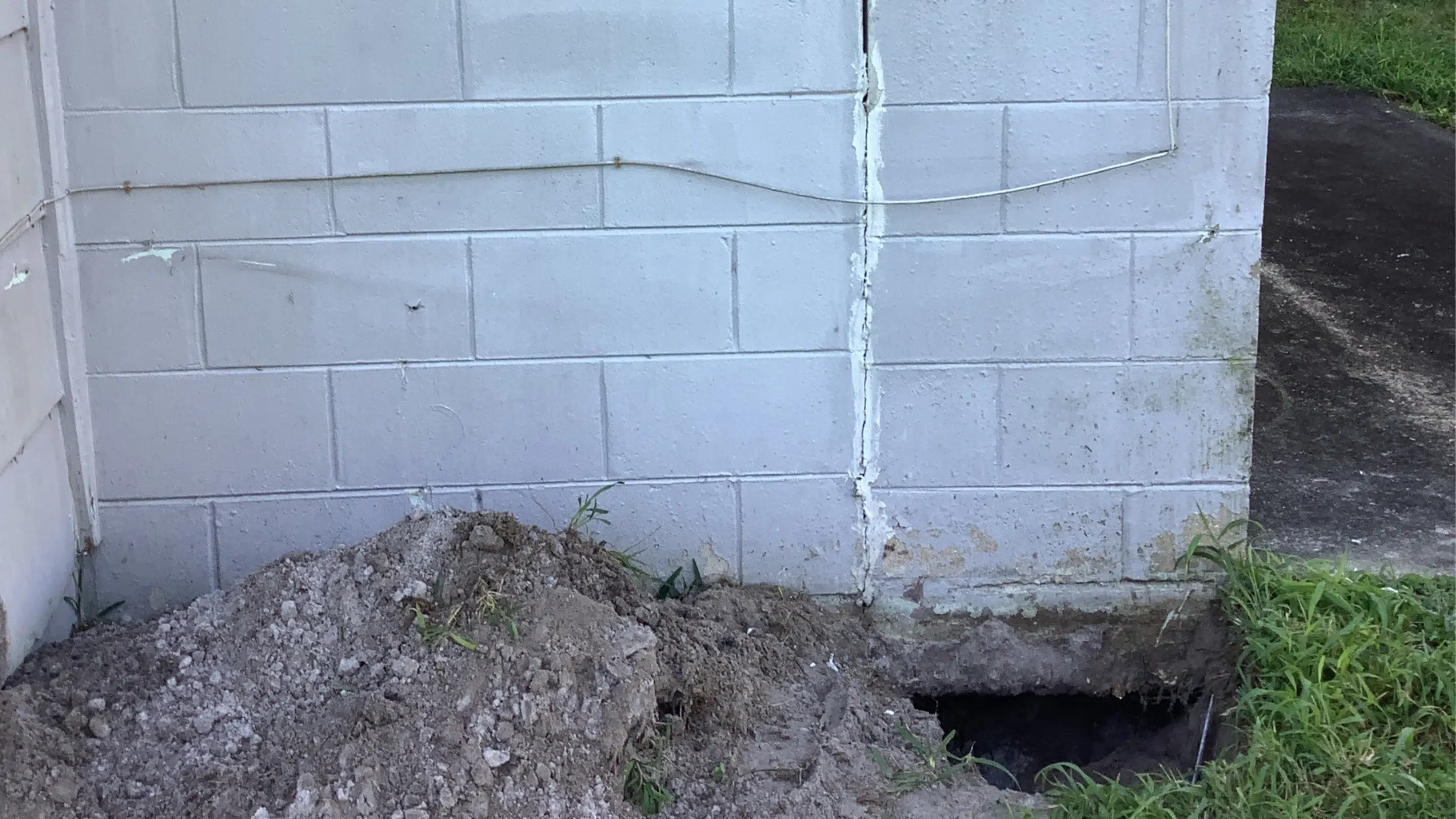
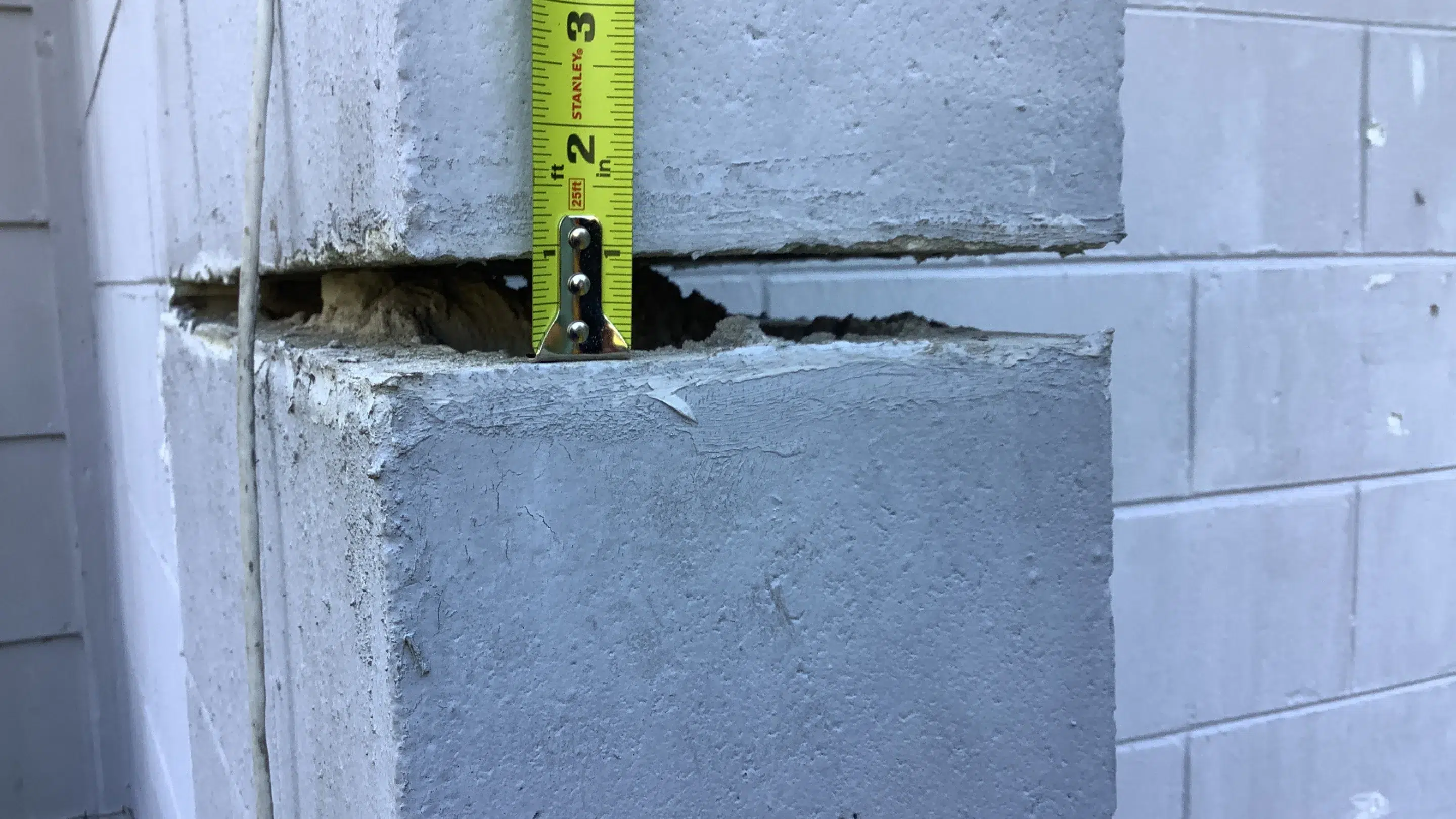
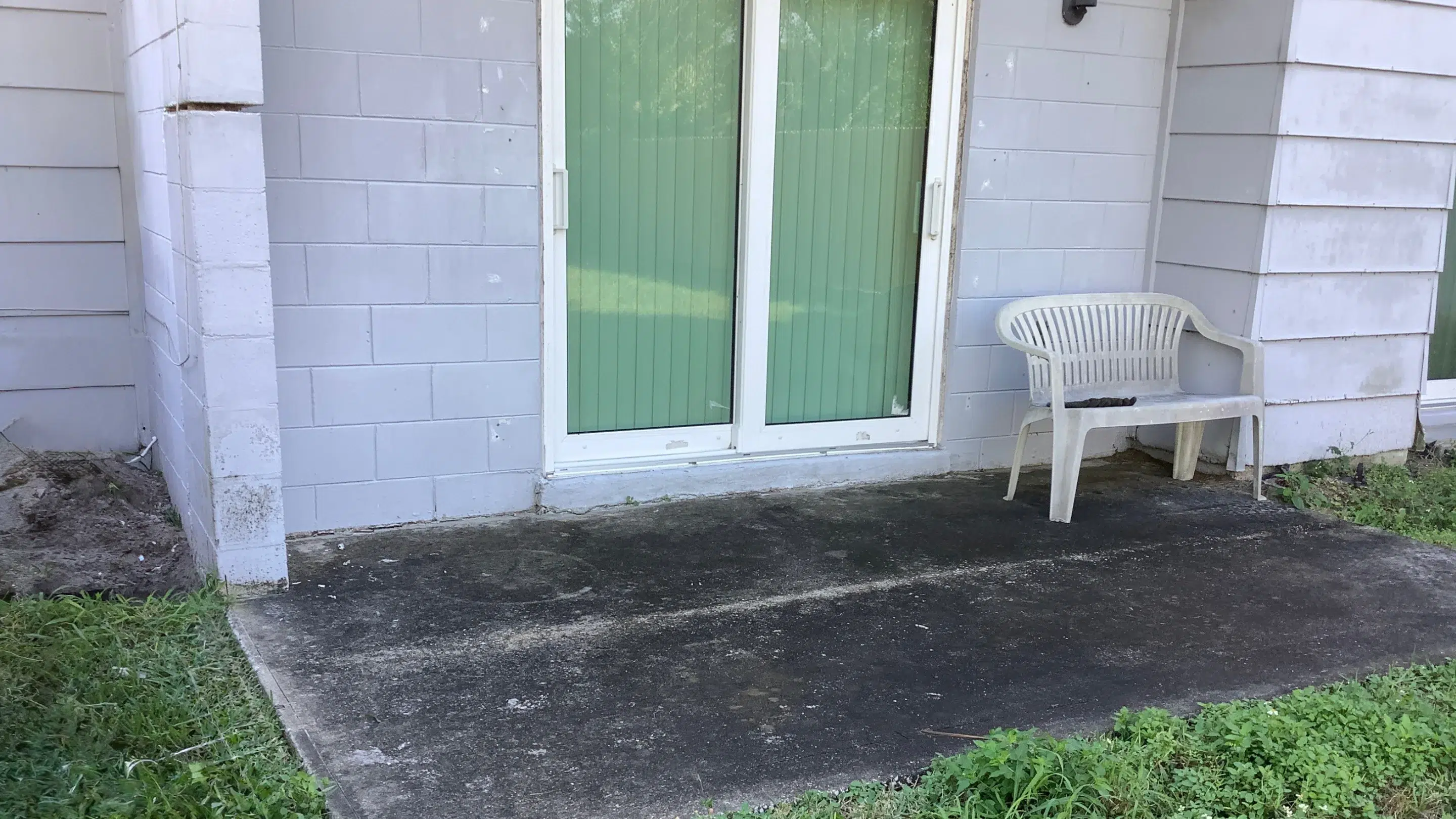
The customer reported visible cracking and noticeable settlement at the back, right corner of the house. The adjacent patio slab was also dropping—classic signs of loose or weakened soils beneath the foundation and slab. Our mission was twofold:
We recommended a two-pronged repair: mechanical underpinning with a push pier beneath the sunken wall, followed by polyurethane foam injections to tighten the soil matrix and re-support the patio slab. This combination stabilizes the structure now and reduces the chance of future movement in the treated zone.
Every underpinning job is unique, and this one came with the two realities we emphasize to homeowners up front:
In Orlando’s variable sands and fill soils, localized settlement can accelerate along corners, edges, and near hardscape features, especially where moisture patterns change (drainage, irrigation, downspouts) or where soil was not compacted uniformly at construction. Our design accounted for these realities while minimizing disruption to the homeowner’s daily life.
1) Underpinning with Push Pier (Rear-Right Wall)
We installed a steel push pier at the distressed corner to transfer the wall load to deeper, competent soils. After driving the pier to refusal and verifying bearing, we performed a controlled lift from the bracket—slowly loading the system to recover as much elevation as the structure and soils would safely allow. The push pier established a permanent, end-bearing support, immediately halting settlement and providing a rigid load path independent of the loose surface soils.
Why a push pier here?
– Targeted, structural fix for the foundation wall (not just the slab)
– Minimal excavation and fast install at the footing
– Measured lift using hydraulic controls to protect finishes and framing
2) Two-Part Polyurethane Soil Injections (Perimeter Soils)
To stabilize the area around the pier and reduce the risk of localized resettlement, we performed three soil injection points totaling ~150 lbs of two-part polyurethane. The expanding foam penetrates sandy matrices, chases voids, and unlocks friction by tightening the contact between particles—all while curing quickly to minimize downtime.
3) Polyurethane Slab Injections (Back Patio)
The patio slab received one injection point totaling ~32 lbs of material to fill voids and re-establish support beneath the slab. With lift controls and tight monitoring, we stabilized the slab and reduced differential movement at the house-to-patio interface.
Why This Hybrid Method Works in Orlando
Underpinning and polyurethane are complementary, not redundant:
Together, they address the two different failure modes that often co-occur in Florida homes: foundation settlement and slab voiding.
Can you always lift a settled house back to “perfect”?
No. Our primary objective is stability. Once we establish deep bearing (push pier) and confirm the structure’s response, we pursue lift within safe limits. Factors include footing condition, superstructure tolerance, and how soils respond during jacking. In this Orlando project, conditions allowed a substantial lift—a best-case outcome.
How long do polyurethane injections last?
Two-part structural foams are inert after cure and resist moisture, making them a strong choice for Florida’s climate. Their job is to fill voids and restore contact; they also help tighten the soil matrix in sandy zones. Good drainage and stabilized foundations (e.g., push piers) enhance long-term performance.
Will this fix stop new cracks from ever forming?
By stopping settlement at the source and re-supporting slabs, we typically reduce stress that drives cracking. However, buildings move with temperature, humidity, and normal loading. We provide after-care guidance (drainage, gutters, landscaping) to help keep conditions stable.
How disruptive is the work?
Underpinning is done from the exterior with small excavations; foam injections use small penetrations and fast-curing material. Most homeowners can stay in the house during work, and sites are restored the same day.
Helicon is Florida’s trusted partner for foundation repair, soil stabilization, concrete lifting, and sinkhole repair. We serve homeowners across the state, with a focus on Orlando, Tampa Bay, and Southwest Florida. Our mission is straightforward: deliver safe, smart, and schedule-friendly solutions that protect your home and peace of mind.
Seeing cracks, sticking doors, or a sinking patio in Orlando, Winter Park, Ocoee, Apopka, or Kissimmee? Talk to Helicon’s foundation repair and soil stabilization team. We’ll evaluate your home, design a targeted push pier and/or polyurethane plan, and walk you through realistic expectations—including when lift is possible and how we ensure long-term stability. Call 844-HELICON to schedule a free inspection.
FREE INSPECTION REQUEST