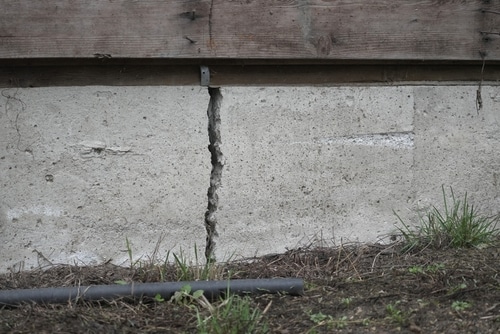
Foundation problems can be overwhelming for homeowners. Cracks, uneven floors, and sticking doors often raise one big question: how much does it cost to repair a foundation? Understanding the typical costs helps you plan ahead and avoid unexpected financial stress.
Homeowners across the country deal with foundation settlement, shifting soil, and structural cracks. Companies like Helicon regularly help homeowners identify these issues and understand the available repair options.
This guide breaks down how much it costs to repair a foundation, what factors influence pricing, and which repair methods may be needed. You will also learn the warning signs to watch for and how early action can help reduce repair costs.
Average Foundation Repair Costs
Foundation repair usually costs between $2,200 and $8,400 for most homes. In many cases, homeowners spend $5,000 to $5,200 on standard repairs for cracks, settling, or minor structural adjustments.
The amount you ultimately pay depends on several factors. These include the severity of the damage, the size of your home, and the repair technique required to stabilize the structure.
Typical Price Ranges
Minor foundation repairs typically cost $250 to $800. These repairs usually involve sealing hairline cracks or addressing small leaks that could allow water into the foundation.
Mid-range repairs fall between $2,000 and $12,000. These projects often address moderate settlement, drainage problems, or structural reinforcement in limited areas of the foundation.
Major structural repairs can range from $15,000 to $30,000 or more. These situations often involve severe settlement, large cracks, or extensive structural damage that requires pier installation or foundation rebuilding.
Foundation lifting solutions can reach $20,000 to $23,000, depending on soil conditions and structural complexity. Simpler lifting methods, such as mudjacking or slabjacking, usually cost $500 to $1,300.
Factors That Impact Cost
Several factors determine how much it costs to repair a foundation, and location is one of the most important. Areas with clay-heavy soil or unstable ground often require more extensive repair work.
The type of foundation also influences the final price. Basement foundation repairs typically cost $2,300 to $7,600, while pier-and-beam foundations may range from $750 to $25,000, depending on the structural support required.
Damage severity is usually the biggest cost driver. A few small cracks may require only minimal repair, while significant settlement or bowed walls require more complex structural solutions.
Home size also plays a role in pricing. Larger homes require more materials and labor, which increases the total cost of foundation repairs.
Cost Per Square Foot
Many contractors estimate repair costs using a per-square-foot pricing model. In general, foundation repairs range from $1.50 to $12 per square foot, depending on the type of repair and level of damage.
Homes with minor structural issues typically fall on the lower end of the range. Larger homes with widespread damage may fall closer to the higher end. For example, repairing a 2,000-square-foot home could cost anywhere from $3,000 to $24,000, depending on the repair method and severity of the problem.
Common Types of Foundation Repairs
Foundation repairs vary widely depending on the underlying issue affecting the structure. The repair method chosen usually depends on soil conditions, foundation design, and the type of structural movement present.
Crack Sealing
Crack sealing is one of the most common and affordable foundation repairs. Contractors fill cracks in foundation walls or floors using materials such as epoxy or polyurethane foam. Most homeowners spend between $300 and $800 for minor crack repairs. The price depends on how many cracks are present and how large they are.
Hairline cracks usually do not threaten structural integrity, but they can allow water to enter the foundation if left untreated. Cracks wider than one-quarter inch may indicate deeper structural issues that require further inspection.
During the repair process, contractors clean the crack and inject sealant to prevent water intrusion and stop further spreading. This repair method works best for cosmetic issues or early settlement damage.
Slabjacking
Slabjacking raises sunken concrete slabs back to their original position by injecting material beneath them. Contractors drill small holes in the slab and pump a mixture underneath to lift and stabilize the concrete.
This repair method usually costs between $500 and $1,300, depending on the size of the affected area. Some contractors refer to this process as mudjacking when cement mixtures are used. Others call it foam jacking when polyurethane foam lifts the slab.
Slabjacking works well for uneven driveways, patios, and concrete foundation slabs. The process usually takes only a few hours to complete, and most surfaces can be used again within a day or two.
Piering
Piering is a structural repair method that stabilizes foundations by installing steel piers deep into stable soil or bedrock. These piers transfer the home’s weight away from unstable soil layers.
This repair approach typically costs between $750 and $25,000, depending on the number of piers required.
Two common pier types are steel push piers and helical piers. Push piers rely on the weight of the structure to drive them deeper into the soil, while helical piers use screw-like plates that anchor into the ground.
Contractors excavate around the foundation and install the piers beneath it. In some cases, pier systems can also lift portions of a settled foundation back to level.
Underpinning
Underpinning strengthens an existing foundation by extending it deeper or distributing its load across a wider base. This technique is often necessary when the original foundation was built too shallow or when soil conditions change over time.
Underpinning projects typically cost $4,500 to $20,000 or more, depending on the scope of work required.
Mass concrete underpinning involves pouring additional concrete sections beneath the existing foundation. Beam-and-base underpinning uses reinforced concrete beams to spread the load more evenly. Although this repair method requires extensive excavation and construction, it provides a long-term solution for serious structural foundation problems.
Key Factors Affecting Foundation Repair Pricing
The cost of foundation repairs depends on several key variables. Damage severity, foundation type, and property size work together to determine the final price homeowners pay.
Severity of Damage
Minor cracks and cosmetic issues are typically inexpensive to repair. When caught early, these repairs may cost only $300 to $800.
Moderate foundation problems such as settlement or water damage usually fall within the $2,200 to $8,100 range. These repairs require more materials and structural reinforcement.
Severe structural damage requiring foundation lifting, pier installation, or slab replacement can reach $15,000 to $30,000 or more. These projects take longer and require specialized equipment and skilled contractors.
Foundation Type
Your foundation type determines which repair techniques contractors can use. Basement foundations often cost $2,300 to $7,600 to repair because they may require waterproofing and structural reinforcement.
Pier and beam foundations have a wider repair range of $750 to $25,000, depending on the extent of structural support needed.
Slab foundations often require specialized repair methods such as mudjacking or slabjacking. Minor repairs for slab foundations typically cost $500 to $1,300. Each foundation design requires different tools, materials, and repair expertise.
Property Size
Property size also affects repair costs because contractors often charge $1.50 to $12 per square foot for foundation work.
A smaller 1,000-square-foot home requires less labor and fewer materials than a 3,000-square-foot home with the same structural issues. Larger foundations also increase the number of areas that must be inspected, stabilized, or repaired.
Regional Price Differences
Location plays a major role in determining how much it costs to repair a foundation. Labor rates, soil composition, and local building regulations can significantly affect pricing.
Urban vs. Rural Areas
Foundation repairs typically cost more in urban areas than in rural locations. Labor rates in cities can be 20 to 40 percent higher because of greater demand and higher operating expenses.
A repair that costs $4,000 to $6,500 in a rural region may cost $6,000 to $10,000 in a major city. Cities also tend to require additional permits and inspections. In large metropolitan areas, permits alone can add $500 to $1,500 to a repair project.
Climate and Soil Conditions
Soil conditions and climate patterns also influence repair costs. Regions with stable soil conditions often experience fewer structural issues and lower repair costs. Areas with freeze-thaw cycles or unstable soils typically require more complex structural solutions.
Clay-heavy soil expands and contracts as moisture levels change, which can cause foundation movement. Homes in these areas often require specialized repair methods that cost 15 to 30 percent more than standard repairs.
Properties located in areas with high water tables may also require additional drainage systems, which can add $1,000 to $3,000 to the total repair cost.
Signs Your Foundation Needs Repair
Foundation problems rarely appear suddenly. In most cases, small warning signs appear long before serious structural damage occurs.
Visible Cracks
Cracks in foundation walls are one of the clearest indicators of foundation movement. Hairline cracks smaller than one-eighth inch may not be serious, but should still be monitored over time.
Cracks wider than one-quarter inch often indicate structural stress or settlement. The direction and location of cracks can also reveal the severity of the problem. Horizontal cracks in basement walls are usually more serious than vertical cracks. Stair-step cracks in brick or block walls often signal shifting soil or foundation settlement.
Uneven Floors
Uneven or sloping floors may indicate that the foundation has shifted. You might notice gaps between the floor and baseboards or see furniture that no longer sits level.
Small slopes are sometimes difficult to notice at first. Rolling a marble across the floor can reveal subtle foundation movement. Even a slope of one to two inches across a room may suggest structural issues that require inspection.
Sticking Doors and Windows
Doors and windows that suddenly stick or fail to close properly can indicate foundation movement. When the foundation shifts, it often changes the alignment of door and window frames.
You may need to apply extra pressure to close doors, or you might notice doors that swing open on their own. Gaps around door and window frames can also appear as the structure moves. Interior doors that drag across the floor are especially strong indicators of foundation movement.
How to Get Accurate Foundation Repair Estimates
Getting an accurate estimate requires professional inspections and multiple contractor quotes. Gathering detailed information early helps homeowners make informed decisions about repairs.
Professional Inspection
A licensed foundation specialist should inspect your home in person before providing an estimate. During the inspection, they examine cracks, measure structural movement, and inspect crawl spaces or basements for moisture problems.
Many contractors offer free inspections, though some charge a small fee that may be credited toward repairs.
The inspector identifies the root cause of the foundation problem and recommends appropriate repair methods. These may include crack sealing, pier installation, or structural stabilization. A thorough inspection should include documentation, photos, and detailed measurements.
Requesting Quotes
Homeowners should request at least three written estimates from reputable foundation repair companies. Each quote should clearly list labor costs, materials, and the specific repair method proposed.
Avoid estimates that include only a total price without details. Reputable contractors usually provide warranties ranging from one year to lifetime coverage. It is also important to ask whether the estimate includes permits and whether additional costs may arise if hidden damage is discovered.
Comparing Contractors
Before hiring a contractor, verify their license, insurance, and experience with foundation repair projects.
Check online reviews and request references from previous customers. Contractors who specialize in foundation repair generally provide better results than general construction companies.
The lowest bid is not always the best option. Extremely low estimates may indicate lower-quality materials or incomplete repair solutions.
Potential Hidden Costs
Foundation repair projects may involve additional expenses beyond the initial estimate. Permits, landscaping restoration, and engineering reports can all increase the final cost.
Permit Fees
Most cities require permits for structural foundation repairs. Permit costs typically range from $75 to $200, though larger projects may reach $500 or more. Contractors usually handle the permit application process, but the cost is typically included in the homeowner’s final bill.
Skipping permits can create complications when selling a home, as inspectors often require proof that structural repairs were completed legally.
Landscaping and Cleanup
Foundation repairs often require excavation around the home. This process can damage lawns, landscaping, irrigation systems, and sometimes hardscaping. Basic lawn restoration may cost $400 to $1,000, depending on the size of the affected area.
Replacing shrubs may cost $50 to $200 each, while tree replacement may reach $500 to $2,000. If contractors must remove sections of driveways or sidewalks to access the foundation, repairs may add $1,000 to $3,000 to the project.
Structural Engineering Reports
Some foundation repairs require an assessment from a structural engineer. Engineering reports typically cost between $300 and $1,500, depending on the property and complexity of the issue.
Engineers determine the underlying cause of structural movement and recommend appropriate repair solutions. These reports are often required by lenders, insurance companies, or local building departments before repairs can begin.
Saving Money on Foundation Repairs
Preventive maintenance and early detection can significantly reduce how much it costs to repair a foundation. Taking proactive steps helps prevent minor structural issues from turning into major repair projects.
Preventive Maintenance
Simple maintenance tasks can protect your foundation from long-term damage. Keeping gutters clean and directing downspouts at least six feet away from the house helps control water around the foundation.
Proper yard grading should slope about six inches over the first ten feet away from the home. This prevents water from pooling near the structure.
Avoid planting large trees within 20 feet of the house, since roots can remove moisture from the soil and cause shifting. Maintaining consistent soil moisture around the foundation can also help prevent expansion and contraction in clay-heavy soil.
Early Detection
Identifying foundation problems early can save thousands of dollars in repair costs. Hairline cracks smaller than one-quarter inch may cost $250 to $800 to repair if addressed quickly.
If ignored, these same issues may eventually lead to structural repairs exceeding $15,000. Scheduling annual foundation inspections, which usually cost $300 to $600, can help detect problems before they become severe.
Insurance and Warranties
Most homeowner insurance policies do not cover foundation damage caused by normal soil movement or settling. However, some policies may cover damage caused by sudden events such as plumbing leaks or natural disasters.
Many foundation repair companies offer warranties ranging from 10 years to lifetime coverage. Transferable warranties can increase property value and provide reassurance to future buyers.
DIY Foundation Repairs: Pros and Cons
Some homeowners attempt small foundation repairs themselves to reduce costs. DIY repair materials such as epoxy, masonry patch, and crack filler typically cost between $100 and $500. These repairs may work for cosmetic issues, but they rarely address underlying structural problems.
Pros of DIY Foundation Repair
- Lower upfront material costs
- Flexible schedule
- Suitable for small cosmetic repairs
- No need to coordinate with contractors
Cons of DIY Foundation Repair
- Lack of specialized equipment
- Higher risk of repair mistakes
- Possibility of overlooking major structural issues
- No warranty protection
- Risk of incomplete repairs
Professional contractors use specialized diagnostic tools and structural repair equipment designed specifically for foundation stabilization. A crack that appears cosmetic could actually indicate a deeper structural issue. Without professional evaluation, surface repairs may only hide the problem temporarily.
When to Call a Professional
If you notice warning signs of foundation movement, contacting a professional early can prevent more extensive structural damage.
You should call a foundation specialist if you notice cracks wider than one-quarter inch, doors or windows that stick, or visible gaps between walls and ceilings. Sloping floors, water pooling near the foundation, and cracks in exterior brick are also strong warning signs of foundation problems.
Professional inspections help determine whether the issue is cosmetic or structural. Experts have the tools and training to evaluate the entire foundation system, not just visible damage. Many companies offer free inspections that help homeowners understand the situation before committing to repairs.
What Foundation Repair May Really Cost
Foundation problems can be stressful, especially when you are unsure how much they will cost to repair. Working with experienced professionals like Helicon helps ensure that the real problem is identified and properly repaired.
A professional inspection can prevent small issues from turning into expensive structural repairs. If you notice cracks, uneven floors, or sticking doors, schedule a foundation inspection to understand the problem and get an accurate repair estimate.
Frequently Asked Questions
How Much Does It Cost to Repair a Foundation?
Most homeowners spend between $2,200 and $8,400 to repair a foundation, with the national average around $5,000. Minor repairs, such as sealing small cracks, may cost only a few hundred dollars, while major structural repairs involving piers or underpinning can reach $15,000 to $30,000 or more, depending on the severity of the damage.
What Is the Cheapest Way to Repair a Foundation?
The least expensive foundation repair is usually crack sealing or minor patching, which typically costs between $250 and $800. These repairs address small surface cracks and minor leaks but may not fix underlying structural problems if the foundation is settling.
What Causes Foundation Damage?
Foundation damage is commonly caused by soil movement, poor drainage, moisture changes, and tree roots. Expansive clay soil can swell when wet and shrink during dry periods, creating pressure that causes foundations to shift, crack, or settle over time.
Does Homeowners Insurance Cover Foundation Repair?
In most cases, homeowners’ insurance does not cover foundation repairs caused by normal settling or soil movement. However, damage resulting from sudden events such as plumbing leaks, flooding, or natural disasters may sometimes be covered depending on the policy.
How Long Do Foundation Repairs Last?
Most professional foundation repairs are designed to be long-term or permanent solutions. Many repair companies offer warranties ranging from 10 years to lifetime coverage, depending on the repair method and contractor policies.
Can You Live in a House During Foundation Repair?
In many cases, homeowners can remain in the house during certain types of foundation repairs, especially minor work such as crack sealing or slab lifting. Larger structural repairs may involve noise, excavation, or temporary disruptions, but contractors typically plan the work to minimize inconvenience.
Is Foundation Repair Worth the Cost?
Yes, repairing foundation damage is usually worth the cost because it protects your home’s structural stability and property value. Ignoring foundation problems can lead to more serious damage, including wall cracks, plumbing issues, and structural instability that becomes far more expensive to repair later.