Besides canceled outdoor plans, rain can have serious impacts on your foundation and surrounding property. Rain leads to an excess of water and the movement or stagnation of that water is what can take a toll on the base of your house. Let’s take a deeper look into how rain can cause different viscosities in the soils that make up your foundation.
Water Movement
Moisture moving into and out of the soils of your foundation can result in decreased foundation integrity. An excess of water could cause your foundation soils to expand and as that water exits the soils, it could lead to sinking or settling. Often times, vertical movements of your foundation are all lumped together with the same term: settlement. However, there are a few different types of foundation movement, each leading to different issues.
Heaving
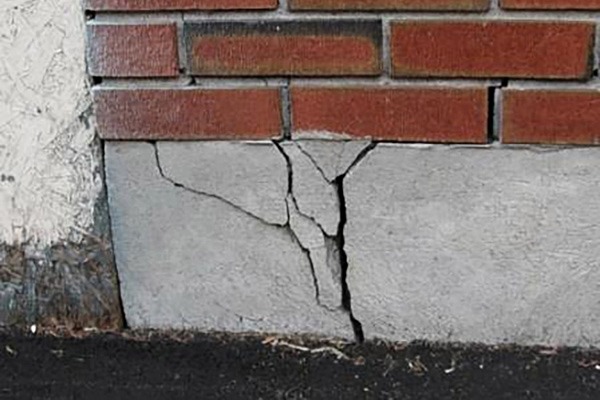
Foundation heaving is an upward movement of the soils of your foundation and can occur when water moves into an unsaturated area of land. Because of low water saturation, dry soil attracts moisture, increasing the soils surface area and causing it to expand. More often than not, heaving is heavily influenced by nearby vegetation, especially large trees. Over time, roots grow and spread out, displacing some of the soils of your foundation. Adding water to this mix means more expansion which can lead to heaving.
Subsidence
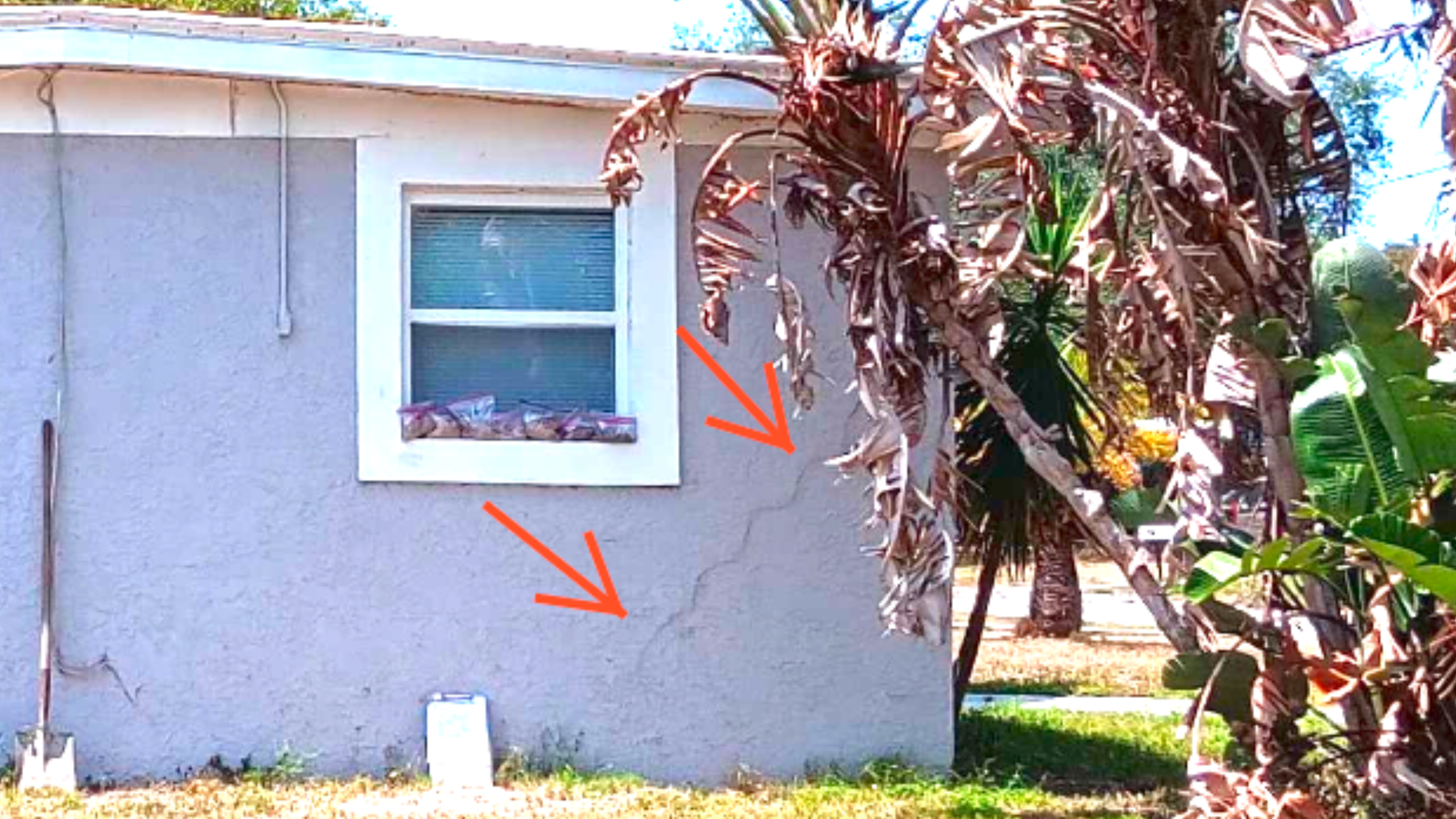
Subsidence is the opposite movement of heaving: when water is removed from the soils in your foundation, the soils shrink. As the soils shrink, your foundation moves downward causing depressions. As with any foundation movement, be on the lookout for cracks in any concrete slabs on your property including driveways, sidewalks, and decks. If you do notice cracks, take note of how wide they are. A good indicator of Subsidence is if your see those cracks open up wider in dry months and look as if they’re sealed in wetter months.
Settlement
This phenomenon is also a downward movement of your foundation, however there are some distinguishing factors from subsidence. Settlement occurs when the weight of soils near the surface exceeds the capacity of lower level soils to maintain integrity. When water saturates higher soils, the weight of that soil increases, pushing the soils of your foundation downward. This movement is more of a wide-spread downward movement than with subsidence. As mentioned before, foundation cracks are indicators that something is wrong, but if you notice large, single cracks (with no fracturing) this may be a sign of foundation settlement.
While some people consider all foundation movements to be settling, you can see that there’s more that goes into a diagnosis than that. The the of foundation damage requires us to look at moisture levels, direction of foundation movement, and symptoms to accurately classify what your foundation is doing. There’s definitely no need to worry about every single rainy day, but if you do notice signs, visit our foundation repair page to see how we can help!