You walk your seawall and notice a hairline crack running along the concrete, or the ground behind it feels softer than it did last year. Maybe there’s a small dip forming near the edge of your yard, close enough to the water that it makes you pause. That soft spot or crack is often the first visible clue that soil is moving where it shouldn’t.
Coastal erosion on Florida properties rarely announces itself with a dramatic collapse. It often starts with small changes: a crack, a dip, or a section of wall that looks slightly off from the rest.
This guide explains how erosion works behind a seawall, which warning signs matter most, and which repair methods address the problem instead of masking it. Florida’s sandy soils and constant saltwater exposure make this issue move faster here than in most other states.
Why Soil Disappears Behind a Waterfront Seawall
That crack in your seawall or the soft patch near the water’s edge didn’t appear overnight. It’s usually the visible result of soil washing away behind the wall for months or longer.
Florida’s coastline runs roughly 1,350 miles by NOAA’s general coastline measurement, and much of it deals with constant erosion pressure from waves, tides, and storms. Every property owner along that coastline faces some version of the same slow process.
Understanding why soil disappears helps you recognize the problem before it reaches your foundation. Florida’s sandy soils drain fast and shift easily, which is exactly why local conditions accelerate this type of soil loss.
Saltwater, Storm Surge, and Heavy Rain
Saltwater works on concrete and soil in ways freshwater doesn’t. It corrodes rebar inside seawalls and breaks down the structure from the inside, even while the surface looks intact.
Storm surge pushes water hard against the wall, then pulls back with force, carrying loose soil. Heavy rain adds pressure from behind, forcing water through any crack or gap in the wall.
Each of these forces alone causes gradual wear. Combined, they speed up the timeline considerably, especially during Florida’s wet season and hurricane months.
Sandy Soils and Changing Water Levels
Florida’s coastal soil is mostly sand, which doesn’t hold together the way clay or denser soils do. Once water finds a path through a crack or joint, sand moves with it easily.
Changing water levels, whether from tides, rain, or seasonal shifts, create constant pressure changes behind the wall. That back-and-forth motion is what carves out voids over time.
How Sea Level Rise Raises Long-Term Exposure
Sea level rise means more water sits against seawalls for longer stretches each year. That extended exposure increases the number of pressure cycles a wall and its backing soil experience.
Over years, this raises the baseline risk for every waterfront property, even ones that haven’t shown visible damage yet.
How Water Loss Leads to Voids, Settlement, and Structural Movement
You notice a slight dip in the lawn near the seawall, or maybe a slab closer to the house has started to crack. These symptoms often trace back to the same source: soil that used to be there isn’t there anymore.
A small crack or soft spot behind a seawall tends to follow the same pattern, because the underlying cause almost always fits the same story of soil moving where it shouldn’t. A hidden void behind a wall connects directly to settlement you can see from your patio or driveway.
Voids Forming Behind Cracked Walls
Once water finds a way through a crack or joint, it carries soil particles with it. That soil doesn’t come back, and the empty space it leaves behind is called a void.
Voids are dangerous because they’re invisible from the surface. The seawall can look stable while the ground behind it is hollow.
What Settlement Can Do to Slabs and Foundations
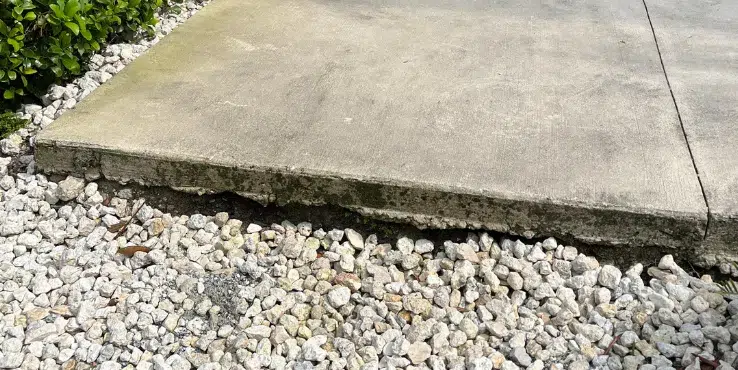
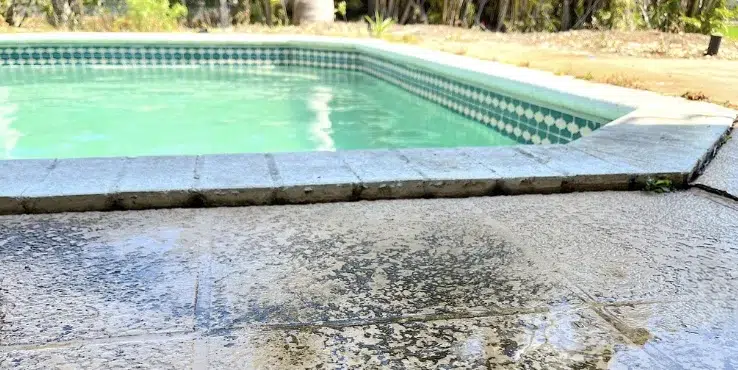
As voids grow, the ground above them loses support. Patios, pool decks, and slabs near the wall start to settle unevenly, which shows up as cracks, dips, or sections that no longer sit level.
If the void spreads close enough to the home’s foundation, that settlement can reach structural components. This is when a coastal erosion issue turns into a foundation issue.
When Erosion Becomes a Shoreline Stability Problem
At a certain point, enough soil loss behind a wall compromises the wall’s ability to hold back the shoreline at all. What starts as a small crack can become a stability concern for the entire waterfront edge of the property.
Warning Signs to Check Around Your Waterfront Property
A crack along the seawall, a leaning fence post, or a patch of ground that feels spongy underfoot are all things a homeowner might notice on a weekend walk. None of these seem urgent on their own.
Spotting the pattern early is usually what separates a manageable repair from a much larger one. The signs below are worth checking around your property this week, since sandy Florida soil and constant saltwater exposure mean they tend to progress faster than they would inland.
Cracks, Leaning Sections, and Open Seawall Joints
Look closely at the wall itself for:
- Hairline or wider cracks running horizontally or vertically
- Sections that lean or tilt compared to the rest of the wall
- Joints that have visibly separated or opened up
- Rust stains bleeding through the concrete surface
Any of these can point to soil loss or corrosion happening behind the visible face.
Sinking Soil, Depressions, and New Gaps
Walk the yard near the water’s edge and look for soft spots, small depressions, or gaps forming between the wall and the soil behind it. These are often the clearest above-ground signs of a void forming below.
Cracked Concrete, Sticking Doors, and Uneven Ground
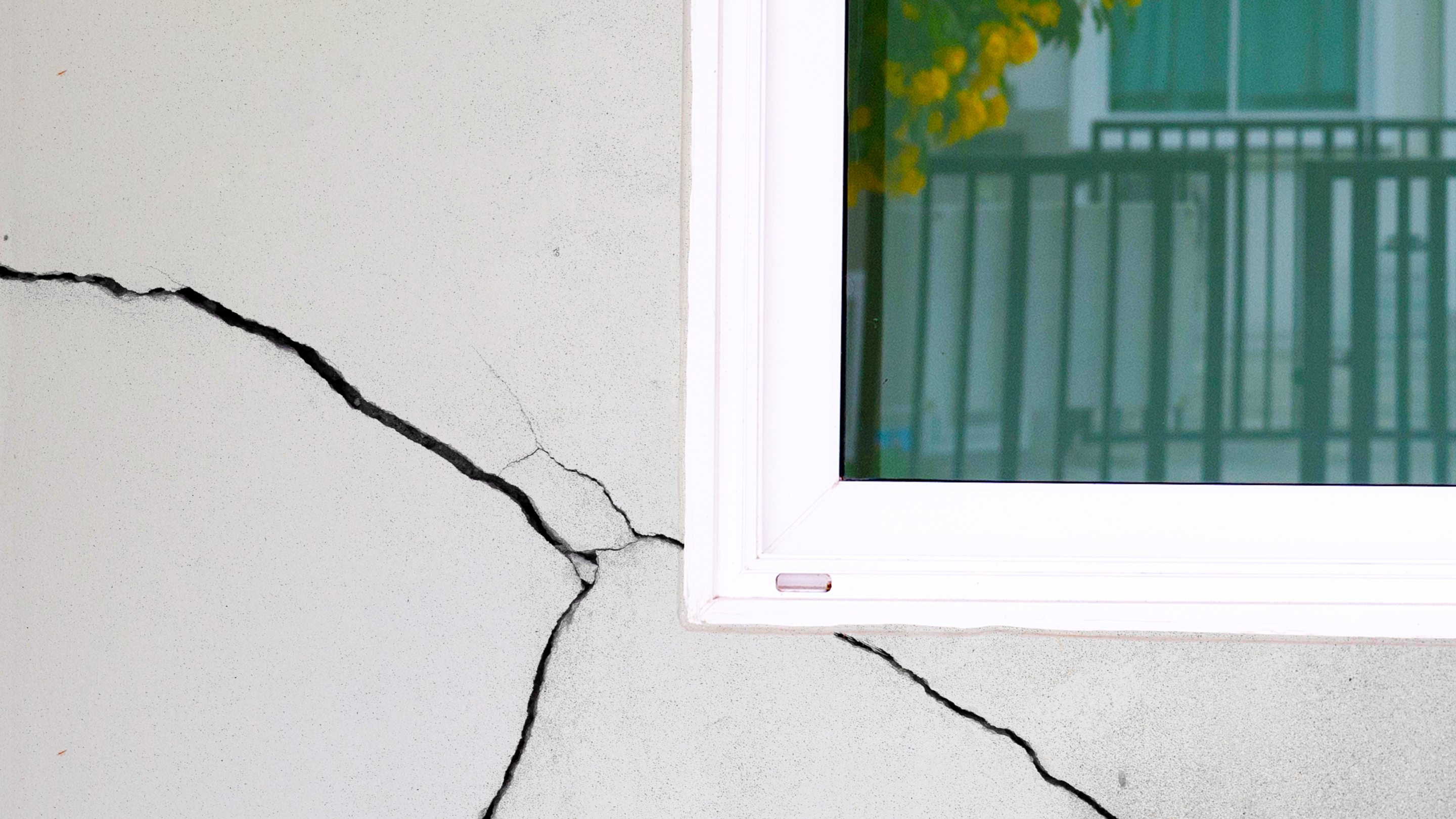
Further from the wall, watch for cracked patio slabs, doors or windows that stick, or ground that feels uneven when you walk it. These symptoms can mean erosion has progressed enough to affect areas closer to the home.
Repair and Reinforcement Options Before Replacement
A cracked seawall or a soft patch of ground doesn’t automatically mean a full wall replacement. Many properties reach this stage and assume the only option is to tear everything out and start over.
Addressing the soil loss behind a wall directly, rather than just the wall’s surface, often restores stability without the cost or disruption of full replacement. The repair methods below are typically considered in this order.
Sealing Cracks to Limit Further Water Entry
The first step in most repairs is sealing any crack or joint that’s letting water through. This doesn’t replace soil already lost, but it stops the problem from getting worse while you plan further repairs.
Filling Voids and Stabilizing Washed-Out Soil
Once cracks are sealed, the focus shifts to the void itself. Specialized fill materials are injected into the empty space behind the wall to restore support and stop further settlement above.
This step is non-invasive compared to excavation and can often be completed without disturbing landscaping or hardscaping near the wall.
When Grouting Can Support the Ground Behind a Wall
Grouting works by injecting an engineered material into loose or washed-out soil, where it expands and fills gaps before curing into a stable mass. For sandy Florida soils, this method restores density that erosion has stripped away.
Grouting is often the difference between a wall that keeps settling and one that holds steady for years afterward.
When a Marine Contractor Must Evaluate the Seawall Itself
Some situations go beyond soil stabilization. If the wall’s structural integrity is compromised, such as significant corrosion in the rebar or extensive cracking across multiple sections, a marine contractor needs to evaluate the wall directly. Soil and foundation stabilization work is typically done alongside that evaluation when needed.
Use Florida Shoreline Data and Permits to Plan Wisely
Standing at the edge of your property looking at a cracked wall, it’s natural to wonder how serious your situation is compared to your neighbors or the broader coastline. Florida keeps data that can help answer that question, and knowing where your property sits relative to state-tracked erosion zones helps you plan wisely.
Sinkhole activity and sandy soil composition vary by county, which is part of why this data matters more here than in many other coastal states.
Checking Critical Erosion Designations
The Florida Department of Environmental Protection’s critically eroded beaches report lists shoreline segments the state has identified as facing significant erosion. Checking whether your area falls within one of these zones gives useful context for how much pressure your property faces.
The DEP also maintains a mapped dataset of coastal critical erosion areas that shows shoreline condition by county and segment.
Using Shoreline Change Data to Understand Local Risk
Long-term shoreline change data, tracked by state coastal engineers, shows how much a given stretch of coast has moved over time. This kind of data helps put a single crack or void into a bigger picture rather than treating it as an isolated event.
Living Shorelines, Jetties, and Sand Movement Considerations
Some property owners consider living shorelines, which use natural materials like vegetation and oyster reefs, as a complementary approach to hard structures like seawalls and jetties. Jetties and other structures can also affect sand movement along neighboring stretches of coast, which is worth understanding before planning any shoreline project.
Act Before Soil Loss Reaches Your Home
Standing at your seawall, deciding whether that crack is worth a call, is a familiar moment for a lot of Florida property owners. It’s easy to put it off when nothing looks dramatic yet.
Helicon has worked with Florida waterfront property owners since 2004 at exactly this stage, when a problem is visible but not yet an emergency. Acting during this window is usually what keeps repair costs manageable.
Documenting a few basic details before an inspection, and knowing what a clear stabilization plan looks like, helps most going forward. Sandy soil conditions along Florida’s coast rarely make the problem smaller if you wait.
What to Document Before an Inspection
Before anyone comes out, it helps to have a few basic details ready:
- Photos of any cracks, gaps, or leaning sections of the seawall
- Notes on when you first noticed soft spots or depressions in the yard
- Any recent storms or heavy rain events before symptoms appeared
- Location of the affected area relative to the home’s foundation
Getting a Clear Plan for Stabilization and Repair
A proper inspection identifies whether the issue is limited to soil loss behind the wall or has started affecting the property’s foundation. From there, a stabilization plan can be built around the specific repair methods your soil condition calls for.
Frequently Asked Questions
How can I tell if coastal erosion is putting my Florida property at risk?
Look for cracks or leaning in your seawall, soft or sinking spots in the yard near the water, and any new gaps between the wall and the soil behind it. These are the most common early signs that soil loss has already started.
Does coastal erosion lower property values or affect flood insurance in Florida?
Erosion damage can affect property value if left unaddressed, especially if it progresses to visible structural issues. Flood insurance considerations vary by policy and location, so review your coverage alongside any erosion concerns you notice.
What should I check before buying a waterfront or beachside home in Florida?
Ask about the age and condition of the seawall, any past erosion or settlement history, and whether the property falls within a state-designated critical erosion area. A professional inspection before closing can reveal issues that aren’t visible during a standard walkthrough.
Which Florida coastal areas face the highest erosion risk from storms and rising water?
Florida’s Atlantic coast, Gulf coast, and barrier inlet areas all face erosion pressure, with specific segments designated as critically eroded by state coastal engineers. Checking your county against the state’s critical erosion designations gives the clearest local picture.
Can homeowners legally stabilize an eroding shoreline, and what permits are required?
Most shoreline stabilization projects, including seawall repair and living shoreline installations, require permits and authorization for work on or near state-owned submerged lands. Requirements vary by project type and location, so check with state and local permitting offices before starting work.
What proven options can help protect a Florida home from erosion, saltwater exposure, and storm damage?
Sealing cracks, filling voids, and grouting loose soil are proven ways to stabilize the ground behind a seawall without full replacement. For walls with structural damage beyond soil loss, you may also need a marine contractor evaluation alongside these repairs.
Turning the Tide: Secure Your Shoreline Before the Soil Shifts
Waiting rarely shrinks a void or heals a crack. The soil behind your seawall either stabilizes now, with an engineered repair suited to Florida’s sandy ground, or it keeps moving until the signs are impossible to ignore.
A short inspection today gives you a clear picture of where your property stands and what, if anything, needs attention. Call Helicon today and talk to a Florida foundation specialist who has seen this problem before.