Noticing pool coping separation from the deck can feel frustrating, especially when the gap seems to grow over time. In many cases, the issue starts with normal movement around the pool, but widening joints, cracking sealant, or shifting concrete can signal that the area needs attention.
At Helicon, we help Florida homeowners understand how moisture, soil movement, and changing temperatures affect pool decks and surrounding concrete surfaces. Clear inspections and practical repair planning can help you determine whether the issue involves simple joint maintenance or a larger concrete settlement concern.
This guide explains the common causes of pool coping separation from the deck, how to inspect the joint properly, and which repair options may help restore stability. Understanding the condition early can help you make informed decisions and protect the long-term performance of your pool deck.
What Pool Coping Separation From The Deck Usually Means
Not every gap between the pool coping and deck signals a major problem. Builders design the joint between these surfaces to stay flexible. The key is determining whether the movement falls within the normal range or indicates underlying damage. A careful inspection usually reveals the difference.
Normal Expansion Joint Vs. Problematic Movement
An expansion joint is a planned gap, filled with a flexible sealant or mastic, that allows the pool shell and concrete deck to move independently. Concrete naturally expands and contracts as temperatures change, so the joint helps prevent pressure from building between the two structures.
A healthy expansion joint looks consistent in width, with clean edges and stable coping. If you notice uneven gaps, crumbling edges, missing sealant, or shifted coping, the separation likely needs attention.
Why The Space Between The Coping And Deck Matters
The expansion joint does more than absorb movement. It also helps keep water from reaching the soil beneath the pool deck and pool shell.
When sealant fails, rainwater, irrigation runoff, and pool splash-out can move directly into the joint. Dirt and debris can also collect in the gap, creating pressure between the coping and deck during temperature swings. Over time, this can contribute to slab settlement, cracking, or movement around the pool.
When A Small Gap Becomes A Safety Or Water Issue
A narrow gap that only needs fresh sealant is usually manageable. The issue becomes more serious when the coping lifts or shifts enough to create uneven walking surfaces.
Water intrusion also becomes a concern once the sealant has completely deteriorated. Widening gaps, loose tile, cracking concrete, or visible slab settlement can indicate that pool coping separation from the deck is progressing beyond normal movement.
Common Reasons Pool Coping Separation From The Deck Happens
Several conditions can cause the joint between the coping and deck to open over time. Environmental movement, moisture changes, and aging materials all contribute to the problem.
Deck Expansion And Seasonal Temperature Changes
Concrete reacts constantly to temperature changes. During hot weather, the pool deck expands. During cooler weather, it contracts.
Over many seasonal cycles, this repeated movement can loosen sealant and shift the coping slightly out of place. In colder climates, water entering small gaps may freeze and expand, widening the joint even further.
Settling Soil, Erosion, And Water Intrusion
The soil beneath a pool deck naturally shifts as moisture levels change. Water runoff, poor drainage, and soil erosion can all weaken the support beneath the slab.
As the supporting soil settles unevenly, sections of the deck may sink or pull away from the coping. Water intrusion often accelerates this process because saturated soil loses stability over time.
Aging Mastic Or Poor Original Installation
Pool-grade sealants and mastic materials wear down with age. Most products hold up for several years, but UV exposure, chemicals, and movement eventually cause cracking and deterioration.
Improper installation can further shorten the joint’s lifespan. If the original installer used the wrong sealant, skipped the backer rod, or made the joint too narrow, the coping and deck may separate earlier than expected.
How Coping Material Affects Movement
Different coping materials respond differently to changes in moisture and temperature. Brick coping can absorb water and crack over time, whereas natural stone coping can place additional weight on the mortar bed below.
Concrete coping expands and contracts at a rate similar to that of the surrounding deck. While that may sound beneficial, it can sometimes increase the binding pressure between the two surfaces rather than allowing independent movement.
How To Inspect Pool Coping Separation From The Deck
Before starting repairs, inspect the entire joint carefully. Looking at the coping, deck surface, and expansion joint together helps you understand whether the issue is cosmetic or structural.
Signs Of Simple Sealant Failure
Simple sealant failure usually leaves the coping stable and level. The gap often stays fairly consistent in width, typically between a quarter inch and half an inch.
The old sealant may appear dry, cracked, or partially missing, but the coping itself should not rock or shift. Press gently on several sections of coping to check for movement. If the coping feels solid, the repair may only require cleaning and resealing.
Warning Signs Of Structural Trouble
Some signs suggest the problem goes beyond a failed expansion joint:
- Coping stones that move, lift, or sound hollow
- Cracks extending into the coping or pool shell
- Uneven gaps that vary significantly in width
- Deck sections that have visibly sunk below coping level
- Moisture staining or efflorescence near the joint
Visible heaving, sinking, or cracking around the transition area may point to soil movement or structural settlement that requires professional evaluation.
Measuring Joint Width And Depth Correctly
Measure the joint at several locations around the pool using a tape measure or ruler. Record both the widest and narrowest areas before choosing repair materials.
You also need to measure depth. Shallower joints may not require backer rod, while deeper joints typically benefit from added support beneath the sealant layer. Proper sizing helps the repair flex correctly over time.
Best Repair Materials For Pool Coping Separation From The Deck
Using the right materials can help the repair last longer under constant UV exposure, moisture, and temperature changes. Standard household caulks often fail quickly in pool environments.
When To Use Foam Backer Rod First
Foam backer rod creates a flexible base beneath the sealant. It controls sealant depth and helps the joint stretch properly as the deck and coping move.
Without a backer rod, the sealant may bond improperly and crack sooner. Use backer rod when the joint depth exceeds roughly half an inch. Select a rod slightly wider than the joint to keep it compressed and secure during installation.
Choosing Between Polyurethane Sealant And Deck-O-Seal
Polyurethane sealant remains one of the most reliable choices for pool expansion joints. It handles UV exposure, moisture, and temperature swings while bonding well to concrete and stone.
Deck-O-Seal products also work well in consistent joints, providing flexibility and durability around pool decks. Both options perform far better than standard household caulk products.
Where Self-Leveling Caulk Works Best
Self-leveling caulk works especially well in horizontal expansion joints around pools. The material flows evenly across the surface and fills minor irregularities without extensive tooling.
Choose a self-leveling product specifically rated for pool decks or paving surfaces. General-purpose products may not hold up under constant moisture and sun exposure.
Why Generic Silicone Usually Performs Poorly
Generic silicone products rarely hold up well in pool environments. Silicone often struggles to bond consistently to concrete surfaces and may pull away from the joint edges over time.
Pool-grade polyurethane products usually provide better flexibility, stronger adhesion, and longer-lasting performance for pool coping separation from the deck.
Repair Approaches Based On The Type Of Damage
The right repair method depends on whether the issue involves failed sealant, cracked coping, or deck settlement. Matching the repair to the actual cause helps prevent recurring problems.
Cleaning And Resealing A Stable Expansion Joint
If the coping remains stable, cleaning and resealing the expansion joint may solve the issue. Remove all old sealant, debris, and loose material from the joint before applying new products.
Clean the joint thoroughly and allow it to dry completely before installing backer rod and sealant. Careful preparation often makes the biggest difference in how long the repair lasts.
Addressing Separation With Cracked Coping Or Tile
Cracked coping often signals additional stress around the pool edge. Small cosmetic cracks may respond to repair products or filler materials, but larger cracks usually require more extensive repairs.
If the coping has shifted or broken loose, replacing the affected sections before resealing the joint typically provides a more stable long-term result.
What To Do If The Deck Has Settled Or Pulled Away
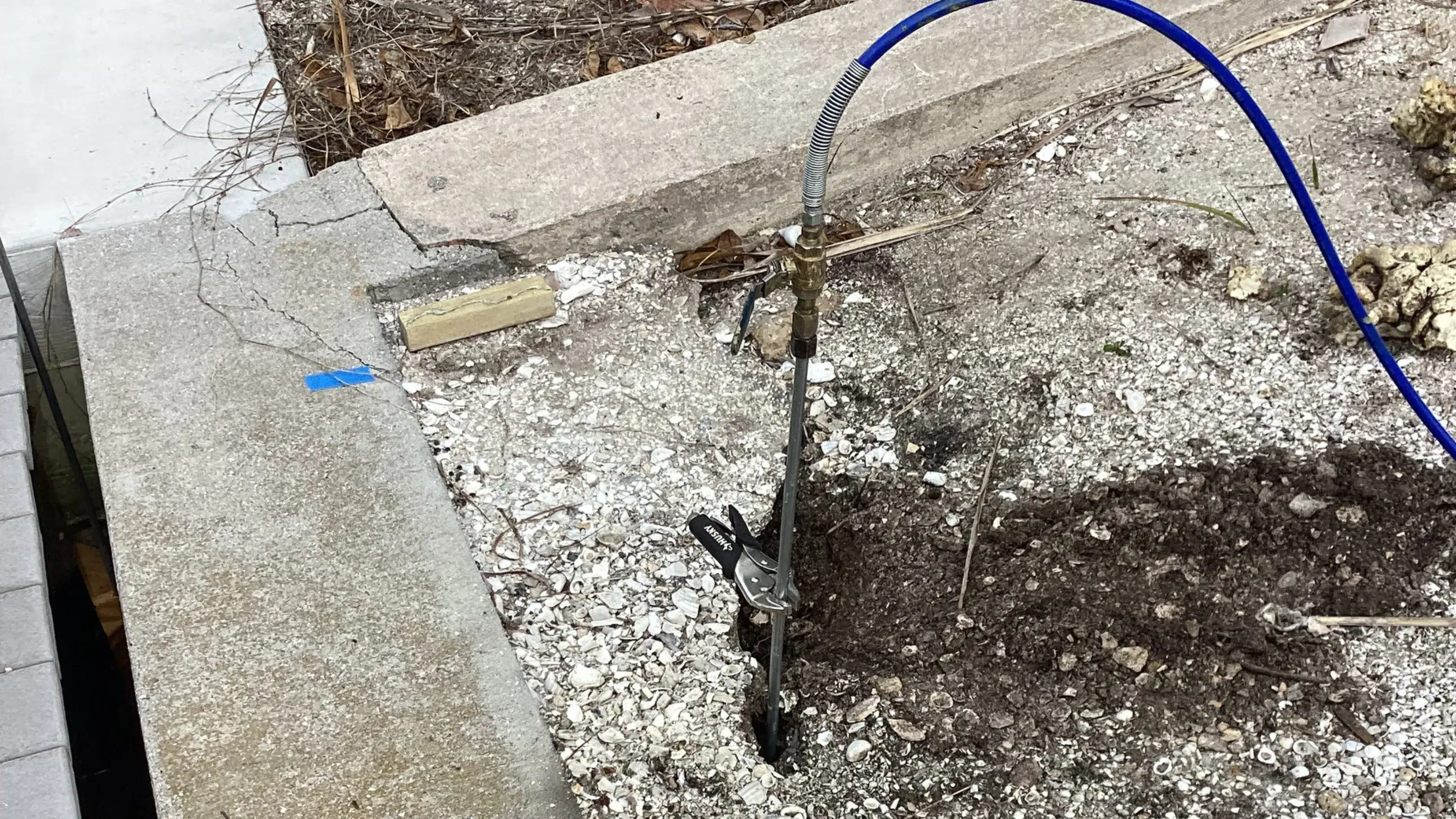
When the concrete deck sinks or tilts away from the coping, the issue usually involves soil movement beneath the slab. Concrete lifting methods such as polyurethane foam lifting may help restore alignment before resealing the joint.
If the settlement appears minor and stable, widening and resealing the expansion joint may still help maintain flexibility and keep water out of the area beneath the deck.
When To Call A Pool Or Concrete Professional
Some forms of pool coping separation from the deck require more than basic sealant repairs. Structural movement, sinking slabs, and damaged coping often benefit from professional evaluation.
Issues That Suggest Structural Damage
The bond beam supports the coping around the top edge of the pool shell. Cracks near the waterline tile, shifting coping, or visible shell cracking may indicate damage in this area.
Repairs involving the bond beam usually require removal of coping materials and more advanced structural repair methods. A professional inspection can help identify the extent of the movement before repairs begin.
Situations Where DIY Repairs Often Fail
DIY repairs often fail when movement continues beneath the deck or coping. Applying new sealant over active settlement usually leads to recurring separation.
Loose coping, uneven gaps, or ongoing slab movement often require more than cosmetic repairs. Addressing the underlying movement first usually produces more reliable results.
How To Help Prevent The Joint From Reopening
Proper preparation and maintenance can help the expansion joint last longer after repairs. Keeping the joint clean, dry, and flexible allows it to absorb movement more effectively.
A few maintenance steps can help protect the repair:
- Remove old sealant completely before applying new material
- Allow the joint to dry fully before resealing
- Use backer rod to support proper sealant depth
- Choose pool-grade polyurethane or flexible joint products
- Inspect the joint yearly for early cracking or separation
Good drainage around the pool deck also helps reduce soil erosion and moisture-related movement. Limiting standing water near the coping can help extend the life of both the deck and the expansion joint.
Protecting Your Pool Deck With The Right Repairs
Pool coping separated from the deck often indicates movement, aging materials, or moisture issues that warrant closer attention. Understanding what caused the separation helps you choose repairs that support long-term stability instead of temporary fixes.
Helicon works with Florida homeowners to evaluate concrete movement, soil conditions, and pool deck settlement with a clear, homeowner-first approach. Careful inspections and practical repair recommendations can help you address the issue confidently while protecting the surrounding structure.
If you notice widening joints, shifting coping, or sinking concrete around your pool, schedule an inspection to get a clear repair plan tailored to your property’s condition.
Frequently Asked Questions
What causes pool coping separation from the deck?
Pool coping separation from the deck usually happens because of concrete movement, soil settlement, aging sealant, or water intrusion beneath the deck. Temperature changes and poor drainage can also place added stress on the expansion joint over time.
Is a gap between the pool coping and deck always a problem?
Not always. Pool decks include expansion joints that allow the coping and concrete to move independently, so a small, even gap is normal. Problems usually develop when the joint widens unevenly, loses sealant, or allows water to reach the soil below.
Can you repair the pool coping separation without replacing the deck?
In many cases, yes. If the coping and deck remain structurally stable, cleaning the joint and installing new sealant may solve the issue. More significant settlement or cracking may require concrete lifting or additional structural repairs.
How do you know if the pool deck has settled?
Signs of deck settlement can include uneven concrete, widening joints, cracking near the coping, or sections of the deck that sit lower than surrounding areas. You may also notice water collecting near the pool instead of draining away properly.
What type of sealant works best for pool expansion joints?
Pool-grade polyurethane sealants typically perform best because they remain flexible and handle moisture, UV exposure, and temperature changes well. Many homeowners also use products designed specifically for pool expansion joints and concrete movement.
Can water intrusion make pool coping separation worse?
Yes. Water that enters damaged expansion joints can erode supporting soil beneath the deck and increase slab movement over time. Keeping the joint sealed properly helps reduce moisture-related movement and protects the surrounding concrete.
When should you schedule a professional inspection for pool coping separation from the deck?
You should consider a professional inspection if the coping shifts noticeably, the deck begins sinking, cracks spread around the pool edge, or the separation continues growing after repairs. An inspection can help determine whether the issue involves cosmetic joint failure or underlying structural movement.