Storm surge can overwhelm coastal defenses in a matter of hours. Without proper storm surge seawall reinforcement, rising water and wave pressure can crack walls, wash out soil, and threaten your property’s stability.
Many homeowners assume their seawall is strong enough until visible damage appears. At Helicon, we often see small cracks, voids, and erosion that quietly weaken structures long before a major storm arrives.
In this guide, you’ll learn how storm surge impacts seawalls, what reinforcement options work best, and how to spot early warning signs. The goal is simple: help you protect your shoreline with confidence and clarity.
What Causes Storm Surge
Storm surge happens when strong winds from hurricanes and tropical storms push ocean water toward the shore. The wind piles up water against the coastline, causing sea levels to rise dramatically above normal tides.
The size and intensity of the storm directly affect how high the water rises. Your location’s vulnerability depends on several factors. The shape of your coastline and the ocean floor slope play major roles in determining surge height. Shallow, gently sloping ocean floors allow water to pile up higher than steep drop-offs.
Wide, flat continental shelves give storms more area to push water inland. Storm forward speed matters too. Slower-moving storms keep winds blowing in the same direction longer, pushing more water ashore. The angle at which a storm approaches your coast changes how much water accumulates in different areas.
Impacts on Coastal Areas
Storm surge causes severe flooding that extends miles inland from the coast. You face immediate dangers when water rushes into streets, homes, and businesses with little warning.
The force of moving water can destroy buildings, vehicles, and critical infrastructure like power lines and water treatment facilities. Erosion accelerates dramatically during surge events.
Beaches lose sand and protective dunes in hours rather than years. Seawalls and levees face intense pressure from both the weight of water and wave impacts on top of elevated water levels.
Saltwater contamination damages freshwater supplies and agricultural land. The surge carries debris, chemicals, and sewage inland, creating health hazards that can linger long after the waters recede.
Roads and bridges suffer structural damage from the combined effects of water pressure and impacts from floating debris.
What Is Seawall Reinforcement?
Seawall reinforcement strengthens existing seawalls that have weakened over time. This process adds structural support to prevent failure during storms and extends the life of your coastal protection system.
Purpose of Seawall Reinforcement
Your seawall faces constant pressure from waves, tides, and weather. Over time, these forces wear down the structure and create weak points.
Storm surge seawall reinforcement stops this damage from getting worse. The main goal is to protect your property from flooding and erosion. Storm surges put extra stress on seawalls, and weak spots can turn into major breaks. Reinforcement fixes these vulnerabilities before they fail.
You also save money by reinforcing instead of replacing. A new seawall costs much more than strengthening your current one. Reinforcement adds years to your seawall’s life and keeps it working during severe weather.
Common Reinforcement Materials
Concrete is one of the most popular reinforcement materials. You can add concrete layers to existing walls or fill voids behind the structure.
It provides strong, long-lasting support against wave action. Carbon fiber wraps and strips offer modern solutions for seawall repair. These materials resist corrosion from saltwater and don’t add much weight to the structure. They’re quick to install and bond directly to existing walls.
Steel tie-backs and anchors connect your seawall to stable ground behind it. These systems pull the wall backward to prevent it from leaning or collapsing.
They work well when the soil behind the wall has shifted. Riprap, which consists of large rocks, can reinforce the base and front of your seawall. The rocks absorb wave energy and protect the main structure from direct impact.
Signs a Seawall Needs Reinforcement
Cracks in your seawall mean the structure is under stress. Small cracks can grow quickly during storms and let water through the wall.
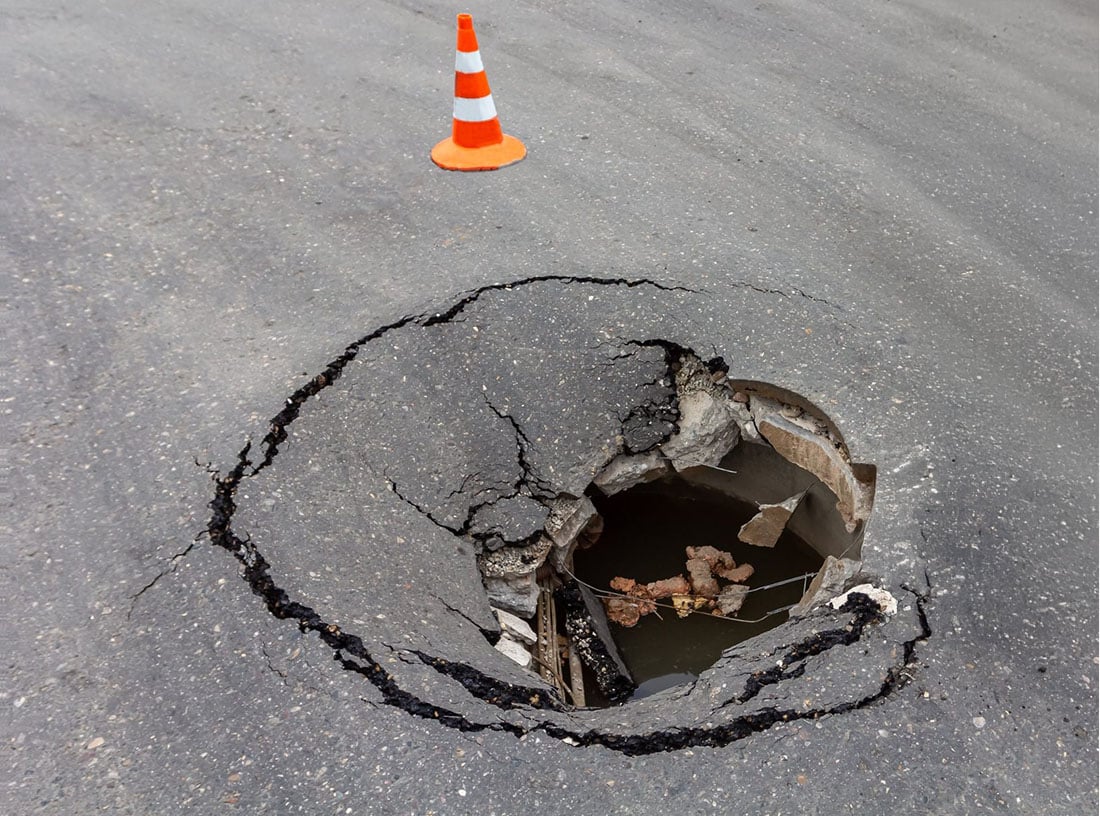
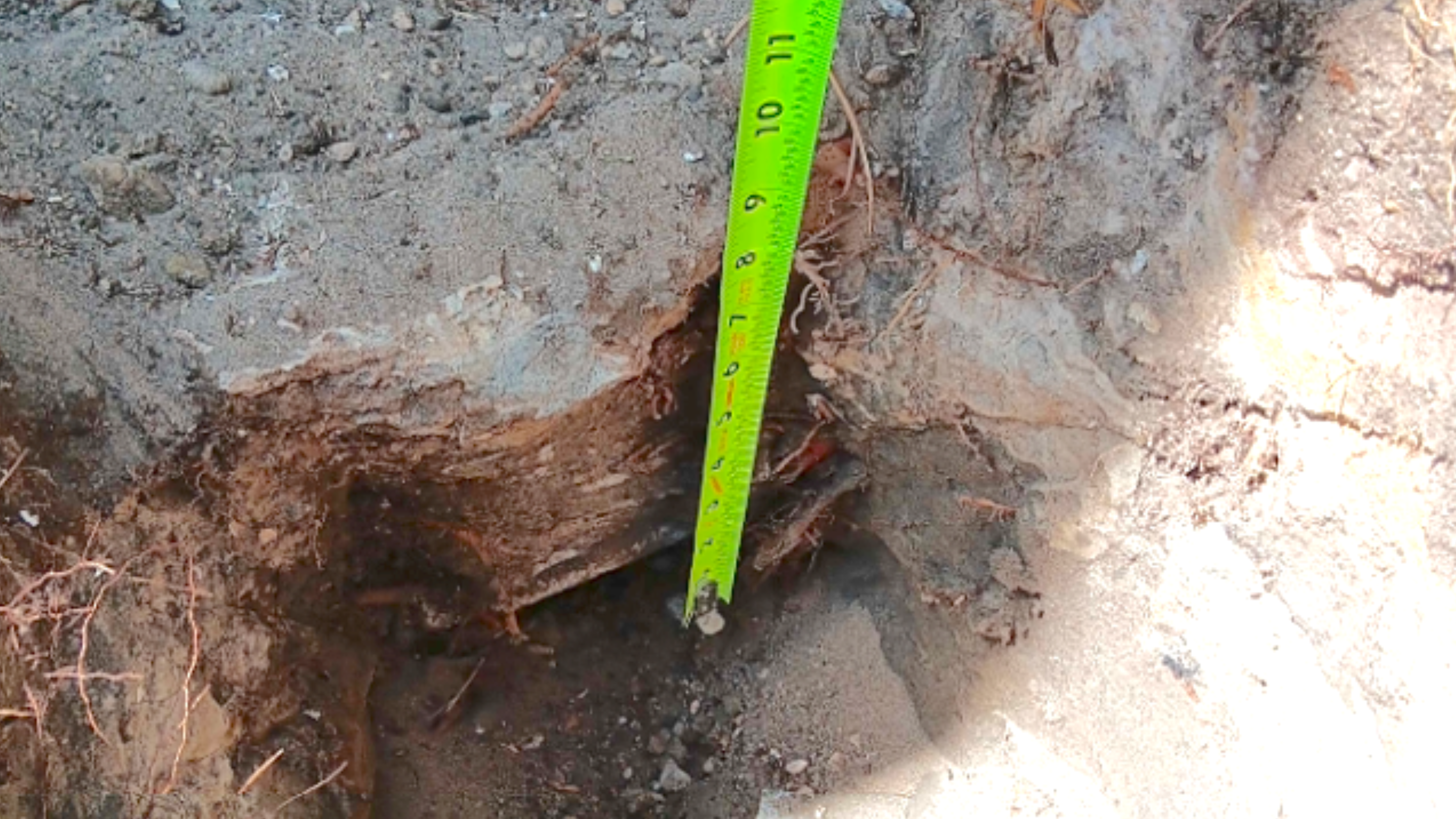
Leaning or tilting shows that soil behind the wall has eroded or shifted. This creates unstable conditions that get worse with each tide cycle. Erosion around the base or behind your seawall removes supporting soil. You might notice voids, sinkholes, or settling in your yard near the wall.
Rust or corrosion on metal components weakens the overall structure. Saltwater speeds up this damage and reduces your seawall’s strength.
Water seeping through the wall indicates gaps or deterioration in the barrier. This lets soil wash away and creates pressure that can cause collapse.
Methods for Reinforcing Seawalls Against Storm Surge
Reinforcing seawalls requires proven construction techniques that address wave forces, soil erosion, and structural stability. Storm-surge seawall reinforcement often combines multiple systems to ensure long-term performance.
Steel sheet piling creates deep barriers that resist lateral pressure. Concrete caps distribute loads across the wall structure. Geotextile materials prevent soil loss while allowing water drainage.
Steel Sheet Piling
Steel sheet piling involves driving interlocking steel sheets deep into the ground to form a continuous barrier. These vertical walls extend below the seabed to prevent undermining and erosion from storm surge.
The sheets connect through special joints that create a watertight seal. This method works well when you need to protect against both water pressure and soil movement behind the wall.
Installation requires heavy equipment to drive the piling to the proper depth. The steel must reach stable soil layers to provide adequate support during extreme weather events.
Key advantages include:
- Quick installation compared to other methods
- Strong resistance to lateral forces from waves
- Ability to work in tight spaces near existing structures
- Long service life when properly maintained
You should consider corrosion protection for steel piling in saltwater environments. Protective coatings or cathodic protection systems help extend the wall’s lifespan in harsh marine conditions.
Concrete Cap Installation
A concrete cap sits on top of your seawall to distribute wave forces across the entire structure. This reinforcement method creates a solid barrier that prevents water from flowing over the wall during high surge events.
The cap bonds to the existing wall, adding significant weight and strength. Modern designs often use high-performance concrete mixes that resist cracking and salt damage better than traditional concrete.
Installation involves forming the cap shape and pouring concrete directly onto the prepared wall surface. The cap must cure properly to achieve full strength before facing storm conditions.
Typical cap features:
- Width of 12 to 24 inches, depending on wall height
- Reinforcement with steel rebar or non-corrosive alternatives
- Drainage openings to prevent water buildup
- Textured top surface for safety
Some projects now use glass-fiber-reinforced polymer bars instead of steel rebar. These materials don’t rust in saltwater and can last longer than traditional steel reinforcement.
Geotextile Integration
Geotextile fabrics are synthetic materials placed behind or within seawall structures to control soil movement. These fabrics allow water to pass through while keeping soil particles in place.
You install geotextiles in layers during construction or retrofit them into existing walls. The fabric prevents fine soil from washing away through gaps in the wall, which causes voids and eventual collapse. Different fabric types serve specific purposes. Woven geotextiles provide strength for soil separation, while non-woven fabrics excel at filtration and drainage.
The fabric extends from the base of the wall upward to areas above typical water levels. Proper overlap between fabric sections ensures complete coverage without weak points.
Geotextiles work especially well when combined with other reinforcement methods. The fabric handles soil retention while concrete or steel components manage structural loads from waves and water pressure.
Design Considerations for Storm Surge Seawall Reinforcement
Effective seawall reinforcement requires careful planning that accounts for local conditions, environmental concerns, and building codes. Your design success depends on understanding wave forces, selecting appropriate materials, and following established guidelines.
Assessing Site Conditions
You need to evaluate several factors at your project location before designing reinforcement. Wave conditions and storm surge heights are the most critical measurements.
Collect historical data on wave patterns, typical storm events, and the highest recorded water levels in your area. Soil composition and stability affect how your seawall performs under pressure.
Sandy soils may shift during storms, while clay or rock provides more stable foundations. You’ll want to conduct geotechnical surveys to understand what lies beneath your construction site.
Water depth and tidal range determine the height and extent of your reinforcement. Coastal areas with large tidal swings need taller structures than locations with minimal variation.
The existing shoreline condition tells you how much erosion has already occurred. Areas with severe erosion may need additional protection measures beyond standard reinforcement. You should also check for any underground utilities or infrastructure that could affect your design.
Environmental Impact
Your seawall reinforcement project will affect local ecosystems and wildlife. Coastal areas support fish, birds, and marine plants that depend on natural shoreline features.
You need to minimize damage to these habitats during construction and operation. Hard structures like concrete seawalls can increase wave reflection, which may accelerate erosion on adjacent properties.
Consider designs that reduce this effect, or include features such as textured surfaces that break up wave energy. Some communities require environmental impact assessments before approving coastal projects.
These studies examine how your reinforcement affects water quality, wildlife movement, and natural sediment flow. You may need to incorporate mitigation measures such as artificial tide pools or vegetation buffers.
Climate change and sea level rise should factor into your long-term planning. Building higher or using adaptable designs helps your reinforcement remain effective as conditions change over the coming decades.
Design Standards and Codes
Your seawall reinforcement must comply with specific engineering standards and local regulations. The U.S. Army Corps of Engineers provides detailed guidance on coastal structure design, including load calculations and material specifications.
FEMA’s Coastal Construction Manual offers requirements for structures in flood-prone areas. Local building codes set minimum standards for height, materials, and structural integrity.
You’ll need permits from multiple agencies, including coastal commissions and environmental regulators. Each jurisdiction has different requirements based on regional conditions and risks.
Wave loading calculations determine how much force your reinforcement must withstand. You need to account for wave height, period, and angle of approach when sizing structural elements.
Design standards specify safety factors that ensure your seawall can handle extreme events beyond normal conditions. Material selection follows industry guidelines for corrosion resistance and durability.
Traditional steel reinforcement corrodes quickly in saltwater environments. Many engineers now specify glass fiber-reinforced polymer bars or other non-rusting alternatives to extend service life and reduce maintenance needs.
Maintenance and Monitoring of Reinforced Seawalls
Regular maintenance and careful monitoring help your reinforced seawall last longer and work better. These practices catch small problems before they turn into expensive repairs and keep your coastal property protected from storm surge damage.
Routine Inspections
You should inspect your seawall at least twice a year, typically in spring and fall. Look for visible cracks, spalling concrete, or signs of settlement along the structure.
Pay special attention to areas where water meets the wall and joints between sections. After major storms, you need to conduct additional inspections right away.
Storm surge can damage reinforcement systems and create hidden problems beneath the surface. Check for soil erosion behind the wall, tilting, or separation from adjacent structures.
Your inspections should include both above-water and below-water sections. Use diving services or underwater cameras to examine submerged portions. Document all findings with photos and written notes to track changes over time.
Key inspection areas:
- Concrete surface condition
- Reinforcement exposure
- Joint integrity
- Drainage systems
- Soil stability behind the wall
- Marine growth patterns
Repair Strategies
Address minor cracks and surface damage quickly to prevent water from reaching the reinforcement. Use marine-grade concrete repair products designed for saltwater environments.
These materials bond well with existing concrete and resist corrosion. For structural damage, you may need carbon fiber wraps or additional reinforcement systems.
These solutions strengthen weak areas without major reconstruction. They work especially well for seawalls with corroded traditional steel reinforcement.
Replace damaged drainage systems immediately since blocked drains increase pressure behind your seawall. This pressure can cause bulging, cracking, or complete failure during the next storm surge event.
When repairs involve reinforcement, consider upgrading to corrosion-resistant materials such as glass fiber-reinforced polymer bars. These materials last longer in harsh marine conditions and reduce future maintenance needs.
Long-Term Performance Monitoring
Set up a monitoring system that tracks your seawall’s movement and structural health over months and years. Install survey markers at regular intervals to measure any shifting or settlement.
Take measurements at the same spots during each inspection. Use tilt meters or inclinometers for walls showing signs of movement. These devices give you precise data about changes in wall position. Some modern systems send alerts when movement exceeds safe limits.
Keep detailed maintenance records, including inspection reports, repair work, and environmental conditions. This history helps you spot patterns and predict when major maintenance will be needed.
It also proves valuable if you need to file insurance claims after storm damage. Monitor soil conditions behind your seawall with regular surveys or ground-penetrating radar. Soil loss creates voids that weaken the entire structure, even when the wall looks fine from the front.
Future Trends in Coastal Protection
New materials and design approaches are changing how communities approach storm surge seawall reinforcement. Communities are becoming more involved in defending their shorelines from rising seas and stronger storms.
Innovative Materials
Engineers are experimenting with stronger, lighter materials for seawalls that last longer and reduce maintenance costs. Composite panels, which blend fibers with polymers, resist saltwater corrosion better than traditional concrete.
These composites can flex during storms rather than crack, reducing long-term repair needs. Geopolymer concrete is replacing standard cement in many coastal projects.
It can generate significantly less carbon dioxide during manufacturing and holds up better against marine exposure. Some seawalls now incorporate recycled materials such as crushed glass and plastic waste.
Modern seawall materials may also include smart sensors embedded within the structure. These devices monitor stress, movement, and damage in real time to support proactive maintenance.
Eco-Friendly Approaches
Hybrid systems combine traditional seawalls with natural elements like marsh grasses, oyster reefs, and mangroves. Vegetation absorbs wave energy before it reaches the wall, which reduces structural stress.
These living shorelines create habitat for fish and birds while helping improve water quality. Nature-based solutions often work alongside engineered structures to reduce the force of storm surge.
Green seawalls use textured surfaces and integrated tide pools. Instead of flat concrete faces, these walls include ridges and cavities that support marine life.
Community Involvement in Reinforcement Projects
Community participation plays an important role in the success of coastal protection projects. Many cities host workshops where residents can share input on reinforcement strategies.
This collaboration helps ensure designs protect homes without limiting beach access or waterfront views. Volunteer programs also support marsh planting and dune restoration efforts.
Local monitoring networks train residents to inspect seawalls and report storm-related damage. Sharing observations allows maintenance teams to respond quickly and improve long-term performance.
Strengthening Your Coastal Defense for the Future
Storm surge poses a serious risk to coastal properties, but proactive planning makes a measurable difference. Understanding storm surge seawall reinforcement, material options, and maintenance needs helps you protect your investment.
A professionally evaluated and reinforced seawall offers greater resilience during severe weather. Helicon provides experienced guidance and tailored solutions for coastal property owners who want lasting protection.
If you’re unsure about your seawall’s condition, now is the time to act. Schedule an inspection and explore storm surge seawall reinforcement options designed to safeguard your shoreline for years to come.
Frequently Asked Questions
How Do I Know If My Seawall Needs Reinforcement?
Common warning signs include cracks, leaning, soil erosion behind the wall, and water seeping through joints. You may also notice voids or sinking areas near the shoreline. If your seawall is older or has faced multiple storms, a professional inspection can help determine whether storm surge seawall reinforcement is needed.
Can A Seawall With Small Cracks Still Be Reinforced?
Yes, small cracks can often be repaired and reinforced before they turn into structural failures. Early action typically reduces repair costs and extends the life of the wall. Addressing minor damage promptly helps prevent water intrusion and soil loss during future storm surge events.
What Is The Best Method For Storm Surge Seawall Reinforcement?
The right method depends on site conditions, wall type, and soil stability. Options may include steel sheet piling, concrete caps, tie-backs, or geotextile systems. A site-specific evaluation ensures the reinforcement plan matches your shoreline’s exposure and long-term needs.
How Long Does Seawall Reinforcement Last?
When properly designed and maintained, reinforcement systems can extend a seawall’s service life for many years. Material selection and installation quality both play important roles. Routine inspections and maintenance help ensure continued performance against storm surge and wave pressure.
Does Storm Surge Seawall Reinforcement Require Permits?
In most coastal areas, permits are required for seawall repair or reinforcement. Local and state agencies review projects to ensure compliance with environmental and building regulations. Working with experienced professionals can help streamline the permitting process and avoid delays.
Is Reinforcement More Cost-Effective Than Replacement?
In many cases, reinforcing an existing seawall costs less than full replacement. It allows you to strengthen vulnerable areas without rebuilding the entire structure. A professional assessment can help you compare long-term value and determine the most practical solution for your property.