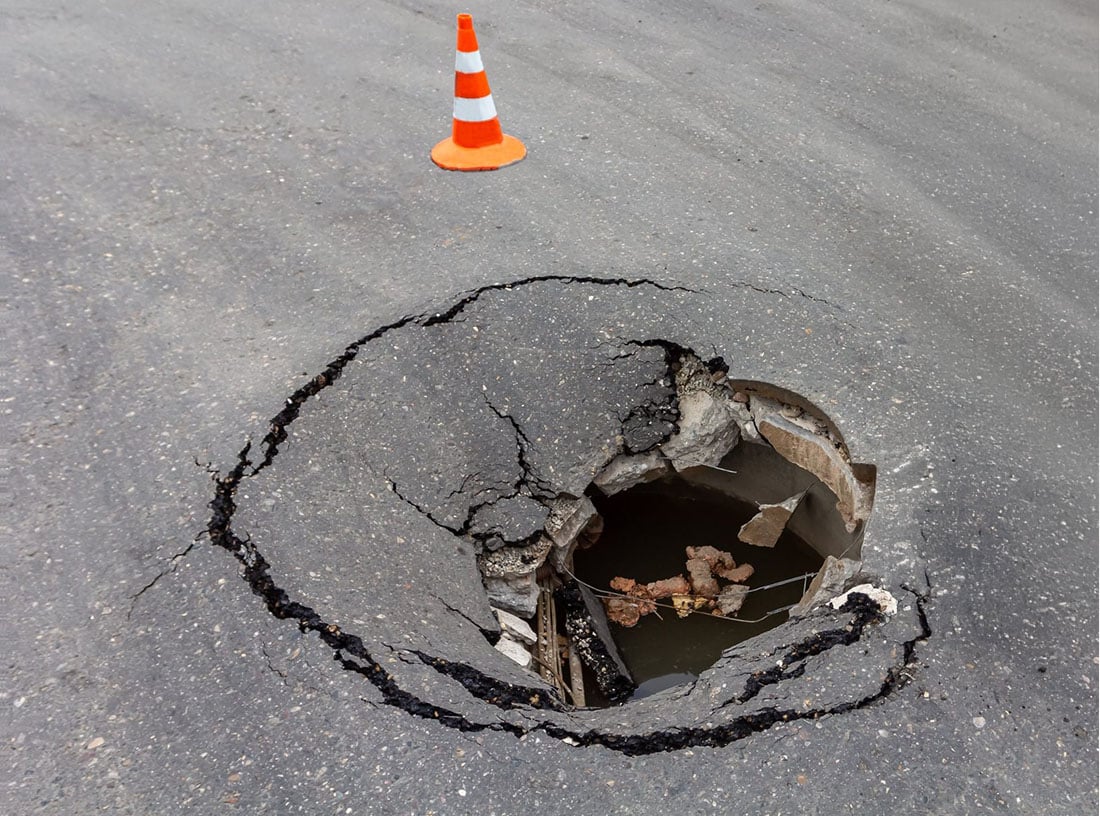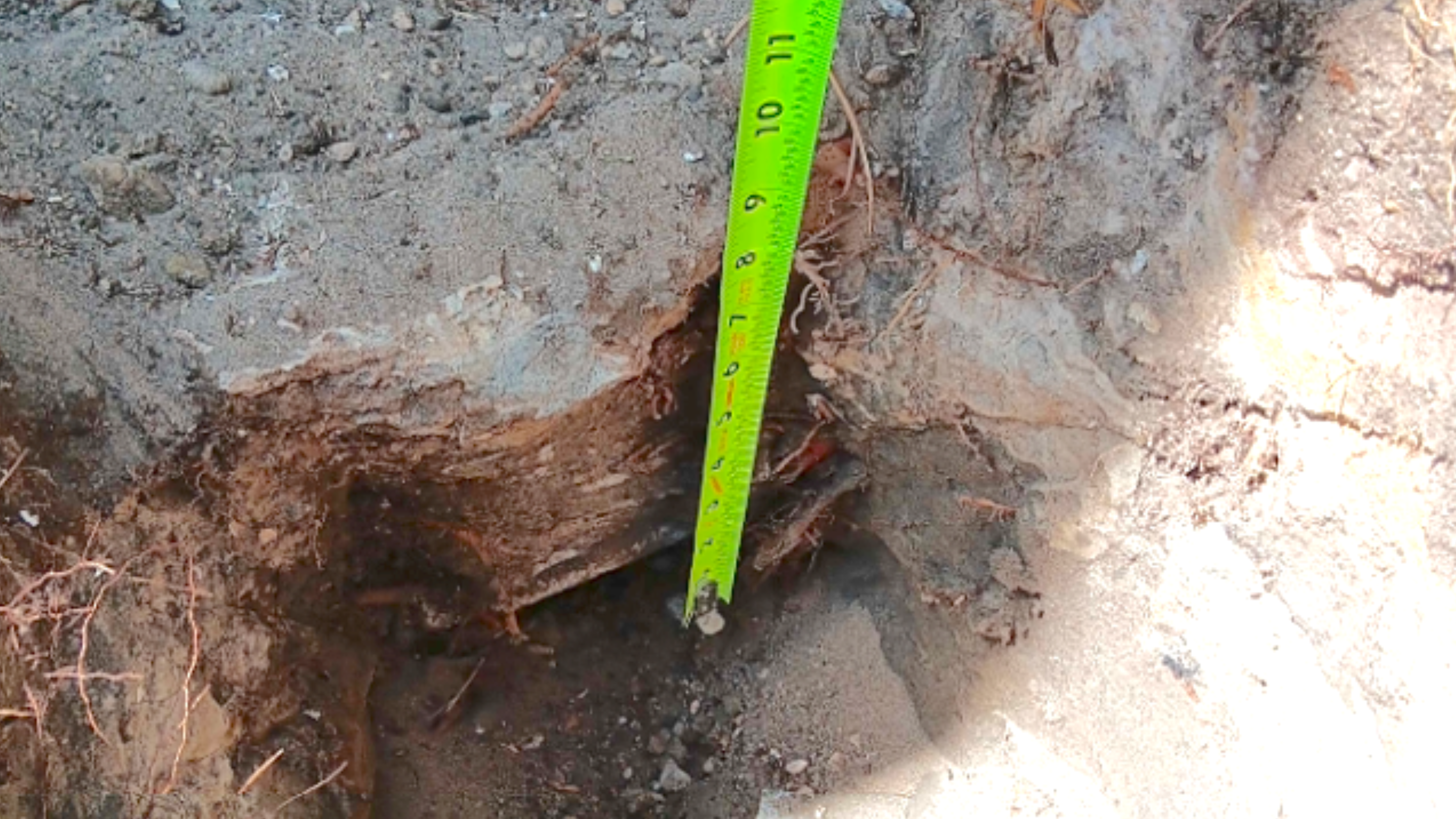
Uneven sidewalks, sinking driveways, and cracked patios are common problems for homeowners. When soil shifts or washes away, concrete slabs lose support and start to sink. Understanding what concrete lifting is can help you fix these issues before they get worse.
At Helicon, concrete lifting is often used to restore sunken slabs without tearing them out. The process raises existing concrete by filling the empty space beneath it. That means faster repairs, less disruption, and a more stable surface.
This guide explains when lifting makes sense, what it costs, and how long repairs typically last. By the end, you’ll know whether this solution is right for your property.
What Is Concrete Lifting?
Concrete lifting raises settled or sunken concrete slabs back to their proper position. The process starts by drilling small holes into the problem areas and injecting material below the surface. This material fills the empty spots and pushes the slab upward.
You might hear people call it slab jacking or concrete leveling. The injected material could be polyurethane foam or a cement-based mix called mud. Both fill the voids under your concrete and give the slab support.
After injection, the slab reaches the right height, and the material hardens, forming a stable base. Workers patch and seal the small holes, leaving your surface smooth and ready to use.
Purpose and Applications
Concrete lifting brings your settled concrete surfaces back to life. You can use it on driveways, sidewalks, patios, garage floors, and pool decks. It works for commercial spaces too, including warehouse floors or parking lots.
The goal is to get rid of uneven surfaces that cause problems for your property. Properly lifted concrete drains water like it should instead of letting it pool. You also eliminate trip hazards that could send someone flying.
This repair usually costs less than replacing concrete. Most times, you can use the fixed surface within hours. The process is tidy and typically does not disrupt the surrounding landscaping.
Common Problems Addressed
Soil erosion beneath concrete creates voids that make slabs sink. Water that washes away soil particles is a common cause. Sometimes the soil simply was not compacted well during construction and begins to settle.
Concrete lifting tackles these issues:
- Sunken slabs sitting lower than the rest
- Uneven joints between concrete sections
- Trip hazards from height differences
- Water pooling in low spots
- Cracks from unsupported concrete
You might spot gaps between your concrete and steps, foundations, or nearby structures. Sometimes the slab even tilts toward your house instead of draining away. These signs often mean the soil underneath has shifted or compressed.
How Concrete Lifting Works
Concrete lifting involves drilling small holes in the sunken slab and pumping material underneath to raise it back to its proper level. The process usually takes only a few hours, and the surface can often be used the same day again.
Overview of the Process
First, a technician checks your concrete and marks the low spots. They determine how much lift each section needs to return to the correct position.
They drill small holes, usually 1 to 2 inches in diameter, into the sunken concrete. These become the injection points. The technician inserts a pump nozzle into each hole and injects the lifting material beneath the slab.
The material fills the empty spaces and expands, pushing the slab upward. The technician monitors the movement in real time to ensure the slab rises evenly. Once it reaches the correct height, the equipment is removed, and the holes are patched with fresh concrete or mortar.
Equipment and Materials Used
Concrete lifting requires specialized pumping equipment that can handle thick materials under pressure. The pump connects to hoses that feed the material directly into the drilled holes.
There are two main materials used:
- Polyurethane foam: it expands quickly after injection and is extremely lightweight. It cures in about 15 minutes and works especially well in areas with weaker soil conditions.
- Mudjacking slurry: a mix of cement, soil, sand, and water. It is heavier and provides solid stability, but typically takes longer to cure than foam.
Your contractor will choose the material that best fits your situation, soil conditions, and budget.
Typical Project Workflow
Every project begins with an inspection. The contractor evaluates the damage and measures how much the concrete has sunk. They also look for cracks, soil conditions, and drainage issues that may have caused the settling.
On the day of the repair, the crew drills injection holes in a grid pattern across the sunken area. They start pumping material at the lowest point and gradually move outward. The slab lifts slowly as the voids beneath it fill.
Once the correct height is reached, technicians seal the holes and clean the area. You can usually walk on the surface within a few hours. For heavy vehicles, contractors often recommend waiting up to 24 hours, depending on the material used.
Popular Methods of Concrete Lifting
Three main methods can lift and level sunken concrete. Mudjacking uses a cement-based slurry, polyurethane foam injection uses expanding foam, and slabjacking refers to the general technique of pumping material beneath the slab.
Mudjacking
Mudjacking pumps a mix of water, soil, and cement beneath the slab to fill empty spaces and lift it. The process begins with drilling small holes, usually about 1 to 2 inches wide, through the concrete.
A technician pumps the thick slurry mixture through these holes. The mixture flows into the gaps under the slab and creates pressure that lifts the concrete. Once the slab reaches the correct height, the holes are patched with fresh concrete.
This method works well for driveways, sidewalks, and patios. The materials cost less than other lifting options, which makes mudjacking a budget-friendly choice. However, the slurry takes longer to cure and adds additional weight to the soil below.
Polyurethane Foam Injection
Polyurethane foam injection lifts concrete using expanding foam. Technicians drill smaller holes than with mudjacking, typically around 5/8 inch in diameter.
Liquid polyurethane is injected through these holes and expands within seconds. The foam is lightweight but strong enough to support heavy slabs. It also helps seal the area beneath the concrete from water intrusion.
The foam cures in about 15 minutes, allowing the surface to be used quickly. While this method typically costs more than mudjacking, it often provides longer-term stability. The lightweight material also reduces additional stress on weaker soil.
Slabjacking
Slabjacking is a general term used to describe lifting concrete slabs by pumping material underneath them. Both mudjacking and foam injection fall into this category.
The term describes the lifting technique rather than the material used. Contractors drill access holes, inject the lifting material, and monitor the slab as it rises. Laser levels and other tools help ensure accuracy.
Contractors choose the slabjacking method based on the slab condition, soil conditions, and project budget. Most slabjacking projects can be completed within a few hours.
Comparing Concrete Lifting Techniques
Three main methods can lift sunken concrete: mudjacking, polyurethane foam lifting, and stone slurry. Each uses different materials and processes, which affect cost, repair time, and long-term performance.
Key Differences Between Methods
Mudjacking pumps a mixture of water, soil, sand, and cement beneath the slab. The mixture fills empty spaces and lifts the concrete. This method requires larger holes, usually 1 to 2 inches wide.
Polyurethane foam lifting uses lightweight expanding foam injected beneath the slab. The foam requires smaller holes, usually about 5/8 inch wide, and cures in about 15 minutes.
Stone slurry combines crushed limestone with other materials to form a lifting compound. It falls between mudjacking and foam in terms of weight and hole size. The material bonds well with soil and offers strong support.
Weight also matters. Mudjacking material weighs about 100 pounds per cubic foot. Polyurethane foam weighs about 2 to 4 pounds per cubic foot. Stone slurry typically weighs around 50 to 60 pounds per cubic foot.
Situational Suitability
Polyurethane foam works best when soil conditions are weak and cannot support heavier materials. The repaired area is often ready for use within a few hours. It also works well in tight spaces where equipment access is limited.
Mudjacking is often used for larger surfaces like sidewalks and driveways, where cost is a priority. It works best when the soil is generally stable and only needs void filling. Surfaces usually require about 24 hours before full use.
Stone slurry offers a middle-ground solution for areas with moderate soil concerns. It is commonly used for commercial floors and parking lots requiring durable support. Concrete typically needs around 12 hours to cure before normal use.
Cost Comparison
| Method | Average Cost per Square Foot | Typical Project Cost |
| Mudjacking | $3 – $6 | $300 – $900 |
| Polyurethane Foam | $5 – $25 | $500 – $1,500 |
| Stone Slurry | $4 – $8 | $400 – $1,200 |
Mudjacking has the lowest upfront cost, but may require repairs sooner due to the heavier material. Polyurethane foam costs more initially but often lasts longer and may reduce long-term repair needs. Stone slurry typically falls between the two for both cost and durability.
All three methods cost significantly less than replacing concrete, which can range from $8 to $15 per square foot or more.
Benefits of Concrete Lifting
Concrete lifting offers several advantages compared to removing and replacing slabs. Homeowners often choose it because it saves money, shortens repair time, and reduces construction waste.
Cost Savings Compared to Replacement
Concrete lifting can reduce repair costs by 50 to 75 percent compared with full concrete replacement. Replacement requires demolition, removal of old slabs, and pouring new concrete, which increases labor and material costs.
Concrete lifting uses less material and requires a smaller crew. Homeowners primarily pay for the lifting material and the installation work.
It also helps avoid additional costs related to landscaping damage. Replacement often disturbs grass, plants, and nearby surfaces. Lifting usually leaves the surrounding areas intact.
Time Efficiency
Lifted concrete can often be used again within hours. Most lifting jobs take between two and four hours to complete. In many cases, homeowners can walk or drive on the surface the same day.
Concrete replacement typically takes much longer. Demolition, removal, and new concrete installation may take several days, followed by curing time.
Concrete lifting also minimizes disruptions to your property. Driveways, sidewalks, and entrances remain accessible much sooner.
Environmental Impact
Concrete lifting keeps existing slabs out of landfills. Concrete waste takes up significant landfill space and does not break down easily.
Repairing existing slabs reduces construction waste and lowers the demand for new raw materials. Manufacturing new concrete requires mining sand, gravel, and limestone.
Cement production also produces significant carbon emissions. By repairing rather than replacing concrete, property owners can reduce the environmental impact of their repairs.
Choosing a Concrete Lifting Professional
Selecting the right contractor can determine whether a repair lasts for decades or needs attention again soon. A qualified professional should have training, reliable equipment, and a strong history of completed projects.
What to Look For in a Contractor
Start by checking how long the company has been operating. Contractors with several years of experience are more likely to recognize and diagnose different concrete problems.
Ask about the lifting methods they use. Some contractors specialize in polyurethane foam injection, while others use cement-based materials. The contractor should explain why their method fits your project.
Confirm that the contractor carries proper licensing and insurance. Liability insurance and workers’ compensation coverage help protect homeowners if an accident occurs during the project.
Online reviews and customer references can also provide valuable insight. Speaking with previous clients can help confirm whether the repair lasted and whether the contractor completed the job as promised.
Questions to Ask Before Hiring
Request a written estimate that clearly outlines materials, labor, and any additional fees. This helps you compare different contractors accurately. Ask how long the repair will take and when the project can begin. Knowing the expected timeline helps you plan around driveway or walkway access.
You should also ask about warranties. Many reputable contractors offer warranties lasting several years, but the terms should always be documented. Finally, ask how follow-up repairs are handled if settling occurs again. Understanding the warranty process helps avoid surprises later.
Certifications and Experience
Some contractors complete specialized training through manufacturers of lifting materials. These training programs certify installers who meet specific installation standards.
Professional memberships can also indicate industry involvement. Contractors who participate in industry groups often stay updated on repair methods and technology.
Ask how many projects similar to yours the contractor has completed. Experienced contractors should be able to show photos or examples of comparable repairs.
Maintenance and Longevity After Concrete Lifting
Maintaining lifted concrete helps extend its lifespan and prevent future settlement. Simple maintenance practices can protect the repaired slab for many years.
Tips for Maintaining Lifted Concrete
Keep the surrounding area clean and free of debris. Dirt and leaves trap moisture, which can damage the concrete surface over time.
Ensure water drains away from the slab. Gutters should direct water away from the concrete, and the surrounding ground should slope away from the surface.
Sealing concrete every two to three years can help protect it from moisture and weather exposure. Quality sealers reduce the chance of water entering small cracks.
Avoid placing heavy vehicles or equipment on slab edges. Edges are more vulnerable to cracking under excessive weight. Repair small cracks early to prevent larger problems. Concrete crack fillers available at most hardware stores can help maintain the surface.
Expected Lifespan
Modern concrete lifting methods, such as polyurethane foam, can last 5 to 10 years or longer when maintained properly. Soil conditions and drainage play a major role in longevity.
Clay soils expand and contract with moisture changes, which can increase the likelihood of future movement. Polyurethane foam often lasts longer because it is lightweight and does not add pressure to the underlying soil. It also resists water and does not easily deteriorate.
Addressing drainage problems and maintaining the concrete surface can extend the life of the repair significantly.
Signs of Future Problems
New cracks forming in concrete may signal additional movement. Hairline cracks are common, but wider or rapidly expanding cracks should be inspected. Water pooling on the surface after rain may indicate settling or drainage issues.
Gaps between concrete slabs and nearby structures can also suggest shifting soil beneath the surface. Uneven walking surfaces may indicate that the slab has started moving again. Doors or windows that begin sticking near the repaired area could indicate broader foundation movement.
Safety Considerations in Concrete Lifting
Concrete lifting involves specialized equipment and heavy materials. Understanding potential hazards helps ensure the repair process remains safe for workers and property owners.
Risks to Avoid
Back injuries account for a significant portion of construction-related claims in concrete work. Many occur when materials are lifted improperly. Equipment failure during lifting operations can also cause serious accidents. Rigging equipment, anchors, and lifting tools should always be inspected before use.
Common hazards include:
- Using worn or damaged lifting equipment
- Lifting concrete before it reaches full strength
- Exceeding equipment weight limits
- Skipping load calculations
- Incorrect lift point placement
Uneven ground or unstable surfaces can also create hazards. Work areas should be inspected for trip hazards or unstable soil before lifting begins.
Best Practices for Safe Application
Concrete should reach its required compressive strength before lifting begins. Project drawings typically indicate lift points, anchors, and load specifications. Every lift should be carefully planned with accurate load calculations. Proper rigging and lifting techniques help ensure safe operation.
Workers should use correct lifting posture by bending their knees instead of their backs and keeping loads close to the body. Personal protective equipment such as hard hats, steel-toed boots, and high-visibility clothing should always be worn. Equipment should also be inspected before each use.
Applications Beyond Residential Use
Concrete lifting is not limited to residential properties. Many businesses and public agencies rely on it to maintain large surfaces and public infrastructure.
Commercial Properties
Commercial buildings experience heavy foot traffic, delivery vehicles, and equipment movement. Warehouse floors, loading docks, and parking lots can develop uneven surfaces that create safety concerns.
Retail entrances must remain level to prevent trip hazards. Restaurant patios and outdoor seating areas require stable concrete for accessibility and safety.
Industrial facilities often repair production floors and equipment pads using concrete lifting. Manufacturing plants benefit from minimal downtime compared with full concrete replacement.
Office complexes also use lifting for walkways, courtyards, and parking structures. Property managers frequently choose this option because it reduces repair costs while maintaining safe facilities.
Municipal Projects
Local governments often use concrete lifting to maintain public infrastructure. Sidewalks, pedestrian crossings, and public walkways can develop settlement issues that require repair.
Public parks rely on level walkways, pavilion floors, and recreation courts. These areas must remain accessible for visitors and comply with accessibility standards.
Schools frequently repair concrete near playgrounds, entrances, and parking lots to maintain safe environments for students and staff. Airports may also use lifting techniques to repair sections of taxiways and terminal approaches quickly.
Bridge approaches and highway panels can settle over time. Maintenance teams use lifting techniques to restore level surfaces and prevent vehicle damage while minimizing traffic disruptions.
Restore Safety And Stability To Sunken Concrete
Sunken concrete can create trip hazards, drainage problems, and damage around your home. Concrete lifting offers a faster, less disruptive way to restore uneven slabs without full replacement.
Professionals like Helicon use proven lifting methods to correct settlement and stabilize the soil beneath your concrete. With the right approach, driveways, sidewalks, and patios can often be restored in just a few hours. That means safer surfaces and fewer long-term repair concerns.
If you notice sinking concrete on your property, it may be time to seek a professional opinion. A quick evaluation can determine whether lifting is the right solution. Schedule an inspection today to restore safety and protect your concrete surfaces.
Frequently Asked Questions
What Is Concrete Lifting?
Concrete lifting is a repair method used to raise sunken or uneven concrete slabs. Contractors drill small holes in the slab and inject material underneath to fill empty spaces and lift the concrete back to its original level.
What Causes Concrete To Sink?
Concrete usually sinks when the soil underneath shifts, erodes, or compresses. Poor soil compaction, water drainage issues, and natural ground movement can create empty spaces beneath the slab, causing it to settle.
Is Concrete Lifting Better Than Replacement?
In many cases, concrete lifting is more cost-effective and faster than replacing concrete. The process restores the existing slab instead of removing it, which reduces labor, materials, and disruption to the surrounding area.
How Long Does Concrete Lifting Last?
Concrete lifting can last many years when the underlying soil is stable and drainage problems are addressed. Modern methods like polyurethane foam lifting are designed to provide long-term support for concrete slabs.
How Long Does Concrete Lifting Take?
Most concrete lifting projects can be completed in a few hours. Many surfaces can be used the same day again, although heavy vehicle traffic may require waiting up to 24 hours, depending on the repair method.
Where Can Concrete Lifting Be Used?
Concrete lifting is commonly used on driveways, sidewalks, patios, garage floors, and pool decks. It is also used in commercial and municipal settings such as parking lots, warehouse floors, and public walkways.
How Do I Know If My Concrete Needs Lifting?
Signs that concrete may need lifting include uneven surfaces, pooling water, cracks, gaps between slabs, or sections that have visibly sunk lower than the surrounding concrete. A professional inspection can determine whether lifting is the right solution.