Direct Answer
Signs your seawall may be failing include voids, depressions, or soft spots behind the wall, soil loss near the seawall cap, sinking pavers or concrete, cracks in the seawall cap, leaning or bowing panels, gaps at panel joints, rust stains, water flowing through the wall, holes behind the seawall, and soil or sand mounds appearing on the water side of the wall.
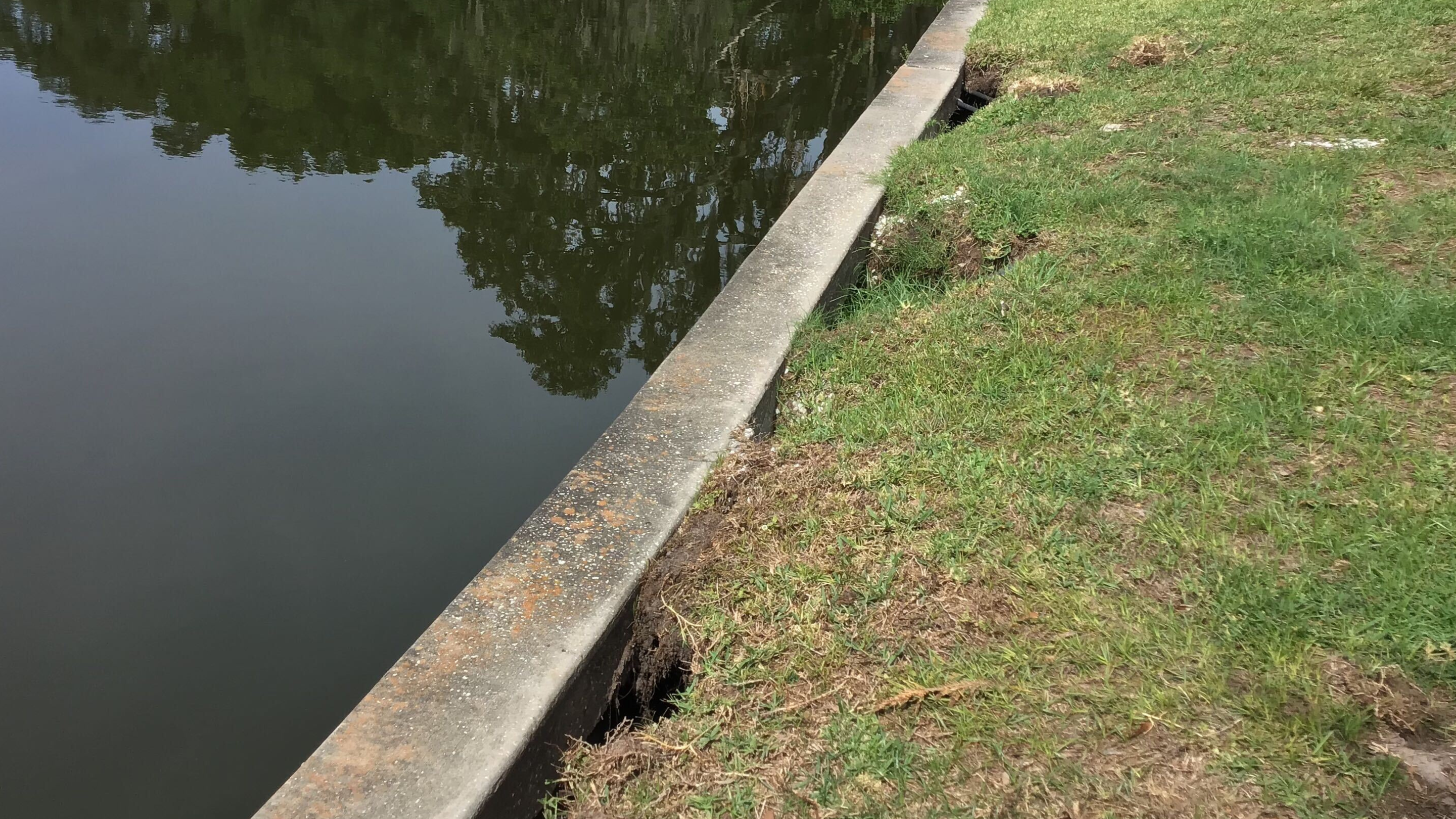
In Florida, the most common early warning sign is soil loss behind the seawall. Many homeowners first notice small holes, soft spots, settled pavers, sunken concrete, or recurring voids along the land side of the wall. These signs often mean soil is escaping through joints, cracks, defects, failed filters, black filter fabric, or drainage pathways in the seawall system.
A failing seawall should not be ignored. Early soil loss can lead to larger voids, settlement behind the wall, damage to patios, pool decks, walkways, landscaping, and eventually more serious wall movement. The right repair depends on whether the problem is mainly soil erosion behind the seawall, water pressure, drainage failure, structural wall damage, or a combination of issues.
A seawall can appear upright while the soil behind it is already failing. In Florida, many seawall problems start with soil loss, voids, soft spots, and pressure behind the wall before the wall visibly leans or cracks. The goal is to identify whether the issue is soil erosion behind the seawall, drainage and pressure buildup, structural wall movement, or a combination, then recommend the least invasive repair that protects the property.
Why Seawall Failure Is Different in Florida
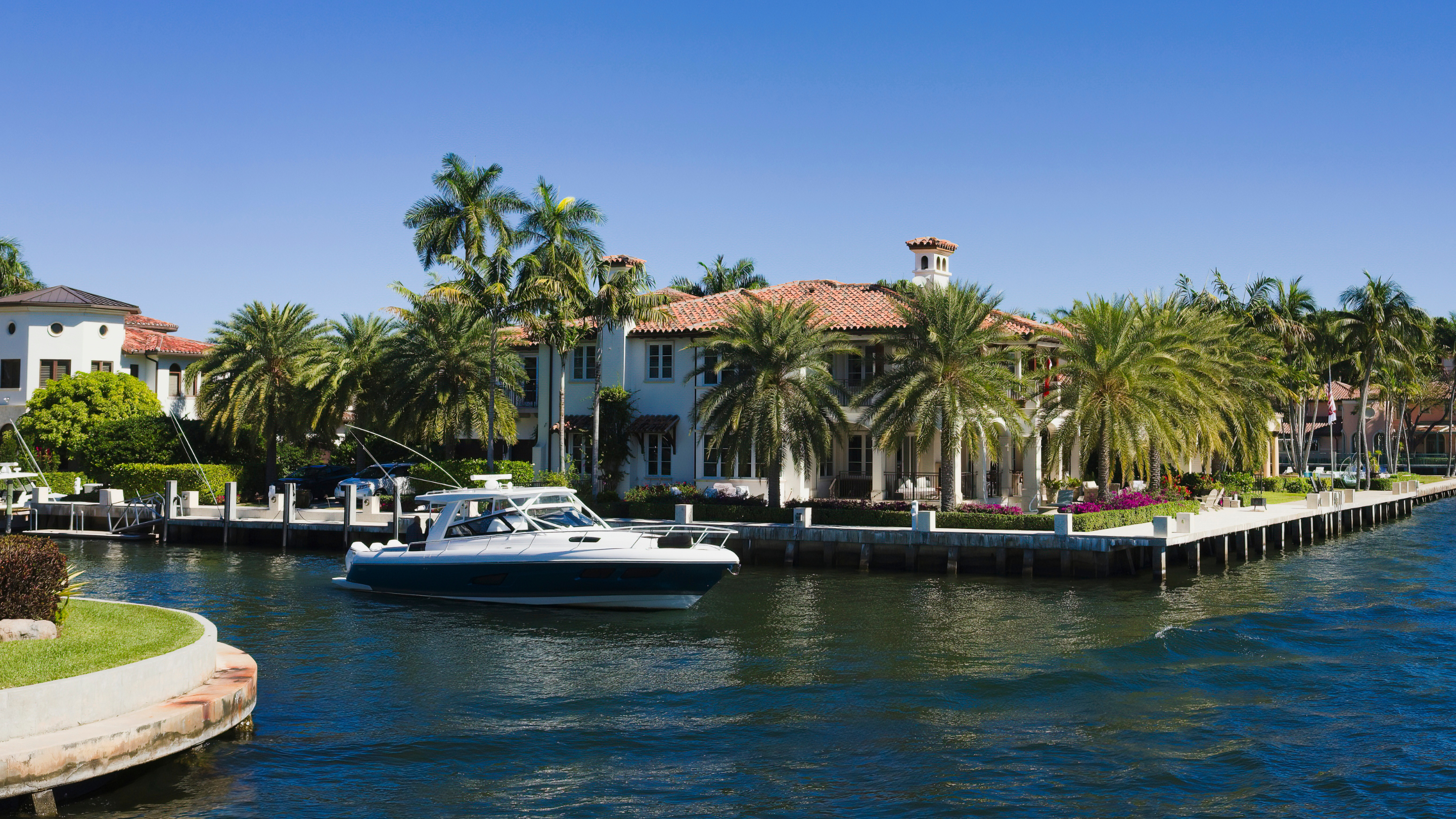
Florida seawalls are exposed to water, tides, storms, rain, poor drainage, boat wakes, storm surge, and constant soil movement. Even when a seawall still looks upright from above, the soils behind the wall may already be washing out.
That is what makes seawall failure different from many other property problems. The wall may not be the first thing to move. In many cases, the first signs appear on the land side of the wall.
Homeowners may notice:
- Voids behind the seawall
- Soft spots along the seawall cap
- Depressions in the yard
- Pavers settling near the wall
- Concrete or pool deck settlement
- Holes that return after being filled
- Soil or sand mounds on the water side
- Water moving through joints or cracks
- Gaps between panels
- Cracks in the seawall cap
- Leaning, bowing, or rotating wall panels
For many Florida properties, seawall problems begin as soil loss behind the wall, not as a dramatic wall collapse. The wall may still be standing, but the backfill behind it may no longer be stable.
This is why early signs matter. If soil continues escaping through open joints, cracks, failed filters, black filter fabric, or drainage defects, the voids behind the seawall can grow. Over time, those voids can affect patios, pool decks, concrete walkways, landscaping, and nearby structures.
Read more: Seawall Erosion Repair
The Most Common Early Warning Sign: Soil Loss Behind the Seawall
The most common early warning sign of seawall failure is soil loss behind the wall.
This may appear as:
- Small holes behind the seawall
- Voids near the seawall cap
- Soft spots along the land side of the wall
- Depressions in the yard
- Pavers dipping or spreading near the wall
- Concrete settling near the wall
- Landscaping sinking or pulling away
- Holes that return after being filled
The seawall may still look upright and stable, but the soil behind it may already be moving. This is one of the most important things Florida waterfront homeowners need to understand.
Seawall soil loss often happens when backfill escapes through:
- Open panel joints
- Cracks in the wall
- Gaps beneath or around panels
- Failed filter fabric
- Failed black filter fabric
- Failed weep holes or drains
- Defects in the wall system
- Areas where water pressure pushes soil toward the water side
- Areas affected by storm surge, tides, or wave action
As soil escapes, empty space forms behind the wall. Homeowners may fill the holes with dirt, sand, or shell, but the same area often opens back up because the escape pathway remains active.
The visible hole is only the symptom. The real issue is where the soil is going and why it is being lost.
Read more: Why Is Soil Washing Out Behind My Seawall?
Early Warning Signs vs Advanced Seawall Failure
| What You Notice | Possible Early Warning Sign | Possible Advanced Concern |
| Small holes behind seawall | Soil loss through joints or defects | May grow into larger voids |
| Voids behind seawall cap | Soil erosion behind wall | Can threaten patios, decks, or landscaping |
| Soft spots behind the wall | Loss of soil support | May indicate hidden voids |
| Depressions on the land side | Soil loss behind the seawall | May continue expanding if not repaired |
| Pavers settling near seawall | Loss of soil support | May indicate expanding voids |
| Concrete or pool deck sinking near seawall | Soil loss or washout | Can affect nearby structures |
| Sand or soil mounds on water side | Soil escaping through wall joints | Active soil loss may be occurring |
| Water flowing through seawall | Drainage or joint failure | May increase soil movement |
| Cracks in seawall cap | Movement, settlement, or stress | Inspect for wall movement |
| Gaps at panel joints | Soil loss pathway | May require stabilization and filtration |
| Wall leaning or bowing | Structural movement | Higher concern |
| Rust stains or exposed reinforcement | Deterioration | May require structural evaluation |
This table is a guide, not a diagnosis. Some warning signs are soil-related, some are drainage-related, and some may indicate structural movement. The more signs you see together, the more important it is to have the seawall inspected.
Checklist: Signs Your Seawall Should Be Inspected
Your seawall should be inspected if you notice:
- Voids or holes behind the seawall
- Soft spots along the land side of the wall
- Depressions behind the seawall
- Soil loss near the seawall cap
- Settled pavers along the seawall
- Concrete, pool deck, or patio settlement near the wall
- Soil or sand mounds on the water side of the seawall
- Water flowing through cracks, joints, or panel openings
- Gaps between seawall panels
- Cracks in the seawall cap
- Leaning, bowing, or rotating seawall panels
- Depressions or holes forming behind the wall
- Landscaping sinking or pulling away near the seawall
- Repeated holes that return after being filled
- Rust stains, exposed rebar, or concrete deterioration
- Tieback, deadman, or anchor concerns
- A seawall located near a pool, patio, deck, structure, or walkway
If the same hole keeps returning after being filled, the problem is not just missing dirt. The soil is likely escaping through an active pathway in or around the seawall system.
Voids, Depressions, and Soft Spots Behind the Seawall
Voids, depressions, and soft spots behind the seawall are the strongest visual indicators of active soil loss.
Many homeowners first notice the issue when they step near the seawall and the ground feels soft, hollow, or unstable. Others notice a depression in the yard, a hole near the cap, or a gap under pavers or concrete.
These areas may be described by homeowners as:
- Holes
- Sinkholes
- Voids
- Washouts
- Soft spots
- Depressions
- Soil loss
- Erosion pockets
Homeowners may call these “sinkholes,” but many are actually voids or depressions caused by soil loss behind the seawall. Technically, they are not true geological sinkholes in most cases. They are often erosion voids created when backfill escapes through the wall or moves with water.
That distinction matters because the repair approach is different. A geological sinkhole and a seawall erosion void are not the same problem. In many seawall cases, the goal is to stop soil from escaping, fill the voided areas, stabilize the soils behind the wall, and improve pressure relief.
Read more: Voids Behind Seawalls
If voids or soft spots are appearing behind the seawall, the wall system should be inspected before the affected area grows.
Soil or Sand Mounds on the Water Side of the Seawall
Soil or sand mounds on the water side of the seawall are another strong visual indicator of active soil loss.
If you see small mounds or piles of sand, soil, or shell on the water side of the seawall near panel joints, cracks, or gaps, that can be a sign that backfill is escaping through the wall.
This is especially important because it shows where the soil may be going. A void on the land side tells you soil is missing. A soil mound on the water side may show the pathway where soil is leaving the property.
Soil mounds may appear:
- At panel joints
- Near cracks
- Below gaps in the wall
- Near failed drains or weep holes
- Along the bottom of seawall panels
- After heavy rain, high tides, or storm events
These mounds should not be ignored. They may indicate that the seawall is allowing backfill to escape into the water. If that continues, the voids behind the wall can grow and affect the surface above.
Settled Pavers, Concrete, Pool Decks, or Patios Near the Wall
Settlement near the seawall is often a sign that soil support has been lost beneath the surface.
This may show up as:
- Pavers dipping along the seawall cap
- Pavers spreading or separating
- Concrete settling near the wall
- A pool deck dropping near the seawall
- A patio or walkway sloping toward the wall
- Cracks forming in concrete near the seawall
- Low spots where water collects
- Landscaping sinking along the wall
When pavers, concrete, patios, or pool decks settle near a seawall, the visible surface problem may only be the result of missing soil below. Resetting pavers or patching concrete may improve appearance temporarily, but if soil is still escaping through the wall, the settlement can return.
This is especially important when the seawall is close to a pool, lanai, patio, deck, house, walkway, or outdoor living area. Soil loss behind the seawall can affect more than the wall itself. It can threaten nearby improvements that rely on stable soil support.
Read more: Pool Deck Sinking Near Coping: Causes and Repair Options
Cracks, Gaps, or Separation in the Seawall Cap or Panels
Cracks, gaps, or separation in the seawall cap or panels can indicate movement, deterioration, or openings where soil may be escaping.
Common signs include:
- Cracks in the concrete cap
- Separation between cap sections
- Gaps between seawall panels
- Cracks through panels
- Open joints
- Missing joint material
- Water moving through panel joints
- Soil movement near panel gaps
A crack in the seawall cap does not automatically mean the wall needs replacement, but it should be evaluated in context. The location, size, movement, and surrounding soil conditions matter.
Cracks and gaps become more concerning when they appear with:
- Voids behind the wall
- Soft spots behind the cap
- Settled pavers or concrete
- Soil mounds on the water side
- Water flowing through the wall
- Wall leaning, bowing, or rotation
Open joints and gaps can also create pathways for backfill to escape. If soil continues moving through those openings, the area behind the wall may continue to settle.
Leaning, Bowing, or Rotating Seawall Panels
Leaning, bowing, or rotating seawall panels are more advanced warning signs.
These conditions may indicate structural movement, excessive pressure behind the wall, tieback issues, deterioration, or loss of support. A wall that is visibly moving should be inspected promptly.
Possible signs include:
- The wall leans toward the water
- Panels bow outward
- The cap line is no longer straight
- Panel tops are rotating
- Sections of wall are separating
- Tiebacks or anchors appear compromised
- Large cracks appear in the cap or panels
- Soil behind the wall is dropping or pulling away
At this stage, the issue may be more than soil loss. The wall structure itself may need evaluation by a marine contractor, structural engineer, or seawall replacement contractor.
Helicon’s seawall erosion repair focuses on stabilizing soils, filling voids, reducing continued soil loss, and improving pressure relief. If the wall is structurally failing, leaning severely, or beyond repair, replacement or structural engineering may be needed.
Read more: Seawall Repair vs Replacement
Water Pressure and Drainage Problems
Water pressure is one of the biggest forces acting on a seawall.
When water builds up behind the wall and cannot drain properly, pressure increases. Over time, that pressure can push against the wall, move soil, force water through joints or cracks, and contribute to wall movement.
Drainage and pressure problems may show up as:
- Water flowing through wall joints
- Water flowing through cracks or panel openings
- Soil moving with water
- Wet areas behind the wall
- Standing water near the seawall
- Pavers or concrete settling after heavy rain
- Voids forming after storms
- Wall movement or cap cracking
- Failed or clogged weep holes
- Missing or ineffective pressure relief
In Florida, seawalls need to manage both soil retention and water pressure. If pressure behind the wall is not relieved properly, even a wall that appears solid can be stressed over time.
That is why pressure relief is often part of a long-term seawall repair strategy.
Read more: Jet Filter Pressure Relief System
Why Filling Holes With Dirt or Shell Usually Does Not Solve the Problem
Many homeowners try to fix holes behind the seawall by filling them with dirt, sand, gravel, shell, or bags of material.
This may make the area look better temporarily, but it usually does not solve the problem.
Filling the hole replaces the missing soil for a short time. It does not stop the pathway where soil is escaping. If joints, cracks, failed filters, failed drains, black filter fabric, or other defects remain open, the new fill can wash out again.
That is why many homeowners see the same holes return after rain, high tides, storms, or normal water movement.
Filling holes without stopping soil loss can lead to:
- Recurring voids
- More settlement behind the wall
- Pavers sinking again
- Concrete or pool deck settlement
- Larger soft spots
- Continued soil loss into the water
- More costly repairs later
The real repair should address the cause of the soil loss, not just the visible hole.
Seawall Erosion Repair vs Structural Seawall Replacement
Not every seawall problem requires full replacement.
In many cases, the seawall structure may still be serviceable, but the soils behind it are being lost. In those situations, seawall erosion repair may be appropriate.
Seawall erosion repair focuses on:
- Stabilizing soil behind the wall
- Filling voids
- Reducing continued soil loss
- Sealing or reducing erosion pathways where appropriate
- Improving drainage and pressure relief
- Protecting pavers, patios, pool decks, landscaping, and nearby improvements
Structural seawall replacement may be needed when:
- The wall is leaning severely
- Panels are bowing or rotating
- The wall has major structural deterioration
- Tiebacks, deadmen, or anchors are failing
- The cap or panels are severely cracked
- The wall is no longer serviceable
- Engineering determines replacement is required
Helicon does not need to replace every seawall to solve every seawall problem. In many cases, the wall structure may still be serviceable, but the soils behind it are being lost. Helicon’s seawall erosion repair focuses on stabilizing the soil behind the wall, filling voids, reducing continued soil loss, and improving pressure relief.
Read more: Seawall Soil Stabilization
If the wall is structurally failing, leaning severely, or beyond repair, replacement or structural engineering may be needed.
How Helicon Evaluates Seawall Failure Signs
When Helicon evaluates seawall failure signs, the inspection focuses on the wall, the soil behind the wall, drainage, pressure relief, and nearby improvements that may be affected by soil loss.
A proper seawall evaluation may include:
- Looking for voids behind the seawall
- Checking soft spots along the land side of the wall
- Reviewing depressions, holes, or recurring washouts
- Inspecting pavers, patios, pool decks, walkways, and landscaping near the wall
- Looking for soil or sand mounds on the water side
- Checking panel joints, cracks, and gaps
- Reviewing water movement through the wall
- Evaluating the seawall cap for cracks or movement
- Looking for leaning, bowing, or rotating panels
- Reviewing drainage and pressure relief conditions
- Checking whether the wall is near a pool, patio, deck, house, or structure
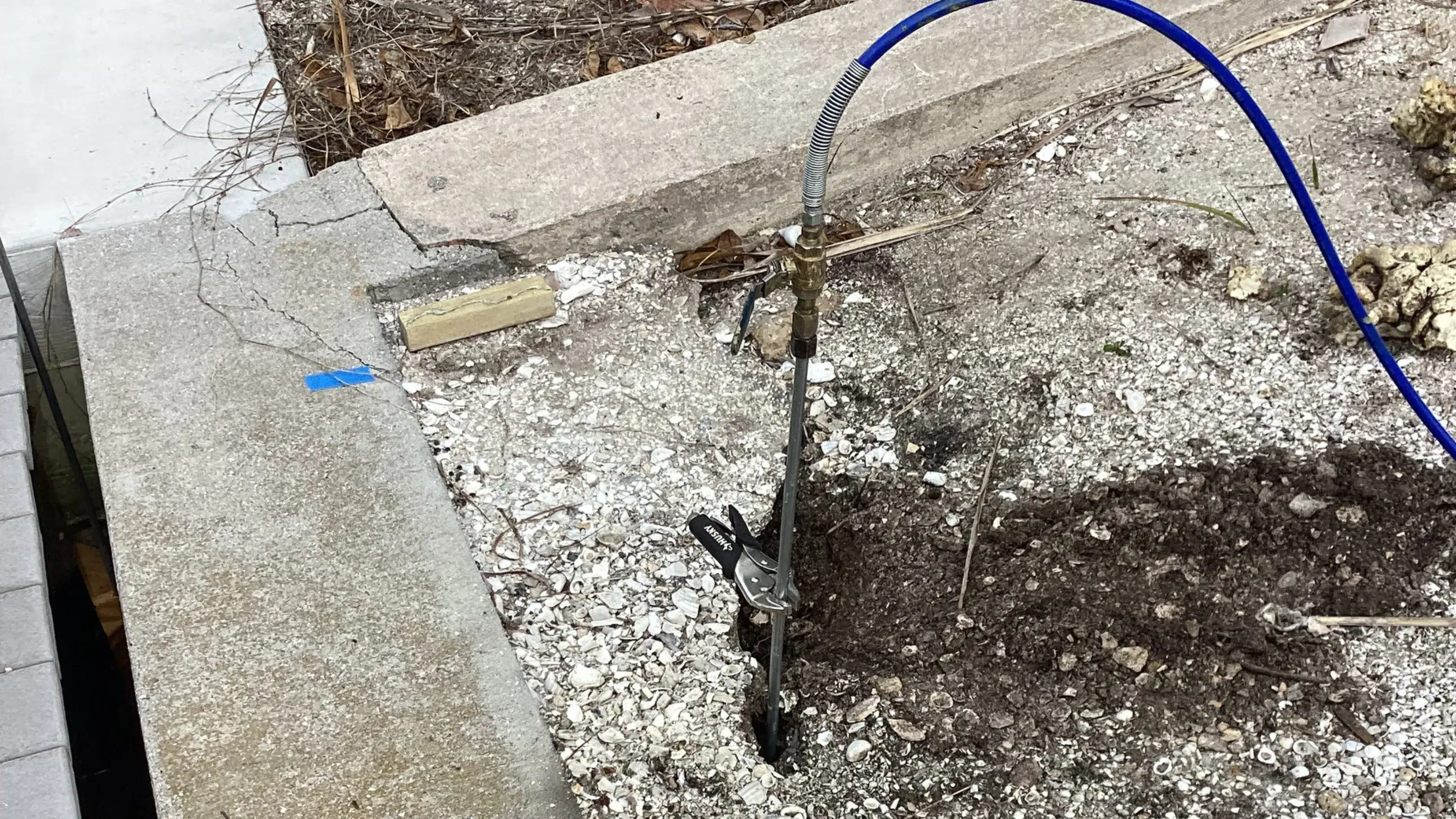
- Using a soil probe behind the wall where appropriate
- Determining whether the issue appears soil-related, pressure-related, structural, or a combination
The inspection should answer several key questions:
- Is soil being lost behind the seawall?
- Where is the soil escaping?
- Are voids or soft spots forming behind the wall?
- Is water pressure contributing to the problem?
- Is the wall structure still serviceable?
- Are nearby improvements at risk?
- Is the best approach stabilization, pressure relief, structural evaluation, replacement, or a combination?
The goal is to identify the cause before recommending a repair.
Repair Options for Seawall Soil Loss and Voids
The right repair depends on the seawall condition, soil loss, drainage, pressure, access, and whether the wall is still structurally serviceable.
Common repair options may include:
- Seawall inspection
- Soil probing behind the wall
- Polyurethane seawall soil stabilization
- Permeation grouting behind the seawall
- Void filling behind the wall
- Erosion pathway reduction where appropriate
- Joint sealing or targeted sealing where appropriate
- Jet Filter pressure relief system
- Well points when Jet Filters are not a viable option
- Drainage and pressure relief improvements
- Structural engineer or marine contractor evaluation when needed
- Seawall replacement when the wall is beyond repair
For many Helicon seawall projects, the goal is to stabilize the soils behind the wall, fill voids, reduce continued soil loss, and improve pressure relief. Jet Filters are commonly included when viable. Well points may be used when Jet Filters are not a viable installation option.
The exact repair depends on what the inspection finds. A seawall with soil loss behind a serviceable wall may be a good candidate for stabilization and pressure relief. A wall that is leaning severely, structurally deteriorated, or no longer serviceable may require replacement or additional structural evaluation.
How Much Does Seawall Repair Cost?
Seawall repair cost depends on the wall length, access, wall condition, soil loss, void size, depth, drainage conditions, pressure relief needs, and whether the wall is serviceable or needs replacement.
Typical ranges may include:
- Seawall inspection: free when within Helicon’s service area
- Smaller seawall soil stabilization projects: often around $5,000 to $15,000
- Larger seawall stabilization projects: often around $15,000 to $40,000
- Seawall replacement: often around $800 to $1,500 per linear foot for vinyl, steel sheet, or concrete panel seawalls, depending on wall type, access, permitting, engineering, depth, site conditions, and waterfront conditions
*These are typical Florida pricing examples based on published industry resources and contractor pricing guides. They are intended for educational purposes only and are not Helicon’s pricing. Every home is different, and a professional inspection is the only way to determine the appropriate repair and provide an accurate quote.
Seawall stabilization and seawall replacement are very different repairs. Stabilization is often focused on soil loss, void filling, erosion reduction, and pressure relief when the wall is still serviceable. Replacement involves removing and rebuilding the wall system and is typically much more expensive.
The right approach should be based on the cause of the problem, the condition of the wall, and the risk to nearby improvements.
When to Schedule a Seawall Inspection
You should schedule a seawall inspection if you notice voids, soft spots, soil loss, settlement, water movement, or wall movement.
Call an expert if you notice:
- Voids or holes behind the seawall
- Soft spots along the land side of the wall
- Depressions behind the seawall
- Soil loss near the cap
- Pavers settling along the wall
- Concrete, pool deck, or patio settlement near the seawall
- Soil or sand mounds on the water side
- Water flowing through joints, cracks, or panel openings
- Gaps between seawall panels
- Cracks in the seawall cap
- Leaning, bowing, or rotating panels
- Landscaping sinking near the wall
- Holes that return after being filled
- Rust stains, exposed rebar, or concrete deterioration
- Tieback, deadman, or anchor concerns
- A seawall near a pool, patio, deck, house, walkway, or structure
Not sure if your seawall problem is soil loss or structural failure? Helicon can evaluate the wall, soil loss, voids, pressure relief, drainage, and nearby settlement conditions to help determine the right next step.
Why Florida Homeowners Trust Helicon
Helicon has been helping Florida homeowners solve seawall erosion repair, soil stabilization, foundation repair, concrete lifting, sinkhole repair, pool deck settlement, sidewalk settlement, driveway settlement, void filling, and slab support problems since 2004.
As a family-owned Florida company, Helicon understands the soil conditions, water movement, storm exposure, drainage issues, wall systems, and settlement patterns that affect waterfront properties across Tampa Bay, Orlando, Southwest Florida, and surrounding areas.
We are not there to tell every homeowner that every seawall needs replacement. We are also not there to ignore structural wall movement when replacement or engineering may be needed. We are there to determine whether the issue is soil loss, pressure, drainage, structural wall movement, or a combination.
Sometimes the wall is still serviceable, but the soil behind it is being lost. Sometimes voids need to be filled. Sometimes pressure relief needs to be improved. Sometimes the wall is structurally compromised and replacement needs to be evaluated.
The goal is always the same: identify the cause, protect the property, and recommend the least invasive repair that provides a long-term solution.
Schedule a Free Seawall Inspection
If you see holes, voids, soft spots, soil loss, settled pavers, sinking concrete, sand mounds on the water side, or signs of seawall movement, Helicon can help.
Our team can evaluate the seawall, soil loss, voids, drainage, pressure relief, nearby improvements, and structural warning signs when needed to help determine whether the problem is soil-related, pressure-related, structural, or a combination.
Schedule a free seawall inspection with Helicon to find out what is causing the issue and what should be done next.
FAQ
What are the first signs a seawall is failing?
The first signs often include voids, soft spots, depressions, or holes behind the seawall. Other early signs include settled pavers, sinking concrete, soil loss near the cap, and soil or sand mounds on the water side of the wall.
What does soil loss behind a seawall mean?
Soil loss behind a seawall usually means backfill is escaping through joints, cracks, failed filters, black filter fabric, drainage defects, or other openings in the wall system. If the pathway remains open, the soil loss can continue and create larger voids.
Are holes behind a seawall sinkholes?
Homeowners may call them sinkholes, but many holes behind seawalls are actually voids or depressions caused by soil loss. They are not usually true geological sinkholes. The repair should focus on why soil is escaping behind the wall.
Why do holes behind my seawall keep coming back?
Holes often return because the soil escape pathway has not been repaired. Filling the hole with dirt, sand, shell, or gravel replaces missing material temporarily, but it does not stop soil from washing through joints, cracks, failed filters, black filter fabric, or drainage defects.
What do sand mounds on the water side of a seawall mean?
Sand or soil mounds on the water side can indicate that backfill is escaping through seawall joints, cracks, or gaps. This is one of the strongest visual signs of active soil loss.
Does a failing seawall always need to be replaced?
No. If the wall is still serviceable and the main issue is soil loss behind it, seawall erosion repair may be possible. If the wall is leaning severely, bowing, rotating, structurally deteriorated, or beyond repair, replacement or engineering evaluation may be needed.
What is seawall erosion repair?
Seawall erosion repair focuses on stabilizing soils behind the wall, filling voids, reducing continued soil loss, sealing or reducing erosion pathways where appropriate, and improving pressure relief. It is different from full seawall replacement.
What are Jet Filters?
Jet Filters are a pressure relief system designed to help relieve hydrostatic pressure behind a seawall while helping reduce soil loss. They are commonly used as part of Helicon seawall stabilization projects when viable.
How much does seawall repair cost?
Smaller seawall soil stabilization projects often range from around $5,000 to $15,000. Larger seawall stabilization projects often range from around $15,000 to $40,000. Seawall replacement commonly ranges from around $800 to $1,500 per linear foot for vinyl, steel sheet, or concrete panel seawalls, depending on site conditions.
When should I call Helicon about seawall problems?
Call Helicon if you notice voids, holes, soft spots, depressions, soil loss, settled pavers, sinking concrete, sand mounds on the water side, water flowing through joints, cracks in the cap, or signs that the seawall is leaning, bowing, or rotating.