Direct Answer
A cracked seawall cap may be caused by normal concrete aging, shrinkage, settlement, soil loss behind the wall, water pressure, wall movement, corrosion, tieback or anchor stress, or structural deterioration. Some small, stable cracks may be cosmetic. Wider cracks, cracks that are growing, cracks that separate sections of the cap, or cracks that appear with voids, soft spots, settled pavers, leaning panels, or soil loss behind the wall should be inspected.
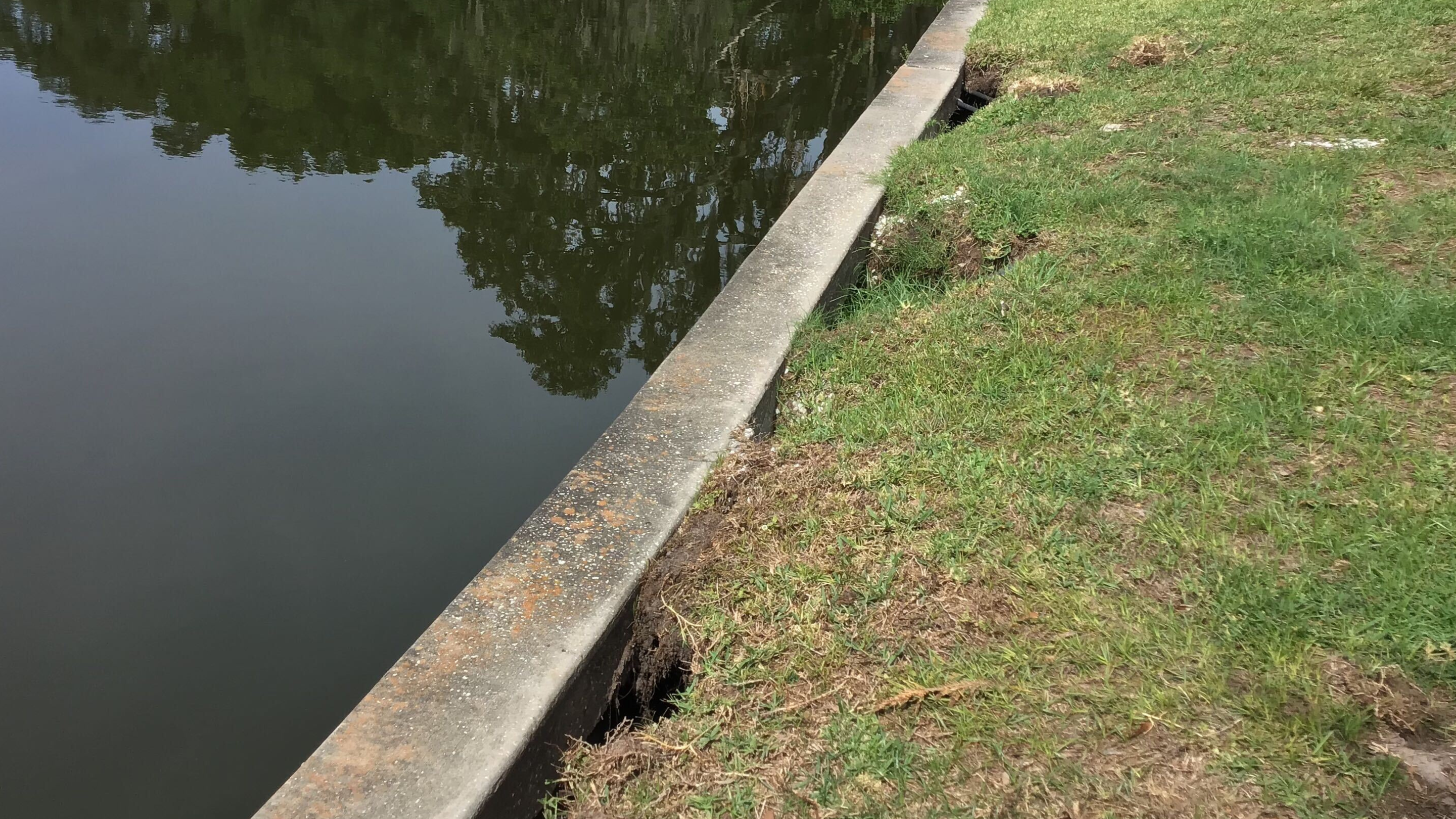
In Florida, seawall cap cracking is more concerning when it appears with signs of soil loss behind the seawall. Voids, depressions, soft spots, recurring holes, settled pavers, sinking concrete, or soil and sand mounds on the water side of the wall may indicate that backfill is escaping and the wall system is under stress.
Light seawall cap cracking paired with soil loss can be an early sign that the cap is experiencing minor movement or forces against the seawall. Soil stability helps support the structural components of the seawall, including the cap, panels, and tieback system. When soil is lost behind the wall, the system can lose some of the support that helps it resist the constant forces acting against it.
The right next step is to determine whether the cap crack is isolated concrete cracking or part of a larger seawall problem. The repair may be simple concrete repair, but if the crack is related to soil loss, water pressure, failed pressure relief, wall movement, or structural deterioration, the underlying cause should be addressed before cosmetic repairs are made.
A cracked seawall cap can be a simple concrete issue, but it can also be the visible sign of soil loss, pressure buildup, wall movement, corrosion, or structural deterioration. The crack itself is only part of the story. The real question is whether the cap crack is isolated and stable or connected to voids, soft spots, settlement, water pressure, rust, spalling, or panel movement.
What the Seawall Cap Does
The seawall cap is the concrete beam or top section that runs along the upper edge of the seawall. It helps tie the top of the wall together, provides a finished edge, and can help connect the wall system depending on the seawall design.
The cap may help:
- Tie the top of the wall together
- Distribute forces across sections of the wall
- Provide a stable top edge
- Connect wall panels or components
- Work with tiebacks, anchors, or other structural elements depending on design
- Support the overall seawall system against forces from soil, water, and pressure
A seawall is constantly resisting forces from soil, water, drainage, waves, tides, storm events, and pressure. The cap is one visible part of that system.
That is why cracks in the cap should be viewed in context. A small isolated crack may be a concrete issue. A cap crack that appears with soil loss, voids, soft spots, settled pavers, or panel movement may be a sign that the seawall system is under stress.
Read more: Signs Your Seawall Is Failing in Florida
Common Causes of Seawall Cap Cracking
Seawall cap cracks can happen for several reasons. Some are minor. Others may point to a larger wall, soil, or pressure problem.
Common causes include:
- Concrete aging, shrinkage, or minor surface cracking
- Soil loss or voids behind the seawall causing uneven support
- Water pressure behind the wall
- Settlement or movement of the wall system
- Open joints, panel gaps, or erosion pathways below the cap
- Rusting reinforcement, exposed steel, or spalling
- Tieback, deadman, or anchor stress
- Storm surge, boat wakes, wave action, and heavy rain
- Poor original construction or insufficient reinforcement
- Structural deterioration requiring engineering or replacement evaluation
The cause of the crack matters because the repair should match the problem.
If the crack is isolated, stable, and not connected to other warning signs, a concrete repair contractor may be able to address the cap. If the crack is connected to voids, soil loss, pressure, or wall movement, patching the cap alone may not solve the issue.
Minor Cap Crack vs Seawall Warning Sign
| What You Notice | More Likely Minor/Isolated | More Concerning |
| Small hairline cap crack | Concrete shrinkage or aging | Monitor if stable |
| Crack has not changed for years | May be cosmetic | Still inspect if other signs appear |
| Crack is widening | Active movement possible | Should be inspected |
| Cap sections separating | Movement or stress | Higher concern |
| Crack runs through cap and aligns with panel joint | Joint movement or soil loss pathway | Should be inspected |
| Rust stains near crack | Possible reinforcement corrosion | More concerning |
| Exposed rebar or spalling | Concrete deterioration | Structural concern |
| Voids or soft spots behind cap | Soil loss behind wall | High concern |
| Pavers or concrete settling near cap | Lost soil support | Should be inspected |
| Wall panels leaning or bowing | Structural wall movement | Urgent |
| Water flowing through wall or joints | Drainage or pressure issue | Should be evaluated |
| Sand mound on water side | Soil escaping through wall | Active soil loss likely |
This table is a guide, not a diagnosis. The most important question is whether the cap crack is stable and isolated or part of a larger pattern involving soil loss, pressure, corrosion, or wall movement.
Checklist: When a Cracked Seawall Cap Should Be Inspected
A cracked seawall cap should be inspected if you notice:
- The crack is widening
- The crack is longer than before
- Cap sections are separating
- The crack returns after repair
- Rust stains near the crack
- Exposed rebar or spalling concrete
- Voids, holes, depressions, or soft spots behind the seawall
- Pavers settling near the seawall cap
- Concrete, patios, pool decks, or walkways sinking near the wall
- Soil or sand mounds on the water side of the seawall
- Water flowing through joints, cracks, or panel openings
- Gaps between seawall panels
- Wall panels leaning, bowing, or rotating
- Tieback, deadman, or anchor concerns
- The seawall is close to a pool, patio, deck, walkway, house, or structure
If a cap crack appears with soil loss or pressure-related symptoms, it should be inspected before the crack worsens or nearby improvements begin to settle.
Hairline Cracks vs Structural Cap Cracks
Not every seawall cap crack means the wall is failing.
Small hairline cracks can happen because concrete shrinks, ages, expands, contracts, or experiences normal surface wear. If the crack is small, stable, and not connected to other symptoms, it may be a minor concrete issue.
More concerning cap cracks often have one or more of these traits:
- The crack is widening
- The crack is getting longer
- The crack returns after repair
- Cap sections are separating
- The crack crosses through the cap
- The crack lines up with a wall joint or panel movement
- Rust stains appear around the crack
- Concrete is spalling
- Rebar is exposed
- The cap is uneven or displaced
- Nearby pavers or concrete are settling
- Voids or soft spots are present behind the wall
Movement and surrounding symptoms matter more than crack width alone.
A small crack with no other symptoms may be monitored. A light crack with soil loss, soft spots, or failed pressure relief is different. That pattern may show the cap is starting to experience movement or stress from a larger seawall problem.
Cap Cracking With Voids or Soil Loss Behind the Wall
Cap cracking becomes more concerning when it appears with voids, depressions, soft spots, or soil loss behind the seawall.
The cap, panels, tiebacks, and soils behind the seawall all work together to help the wall resist forces from water, soil, and pressure. When soil is lost behind the wall, that support can change.
Soil loss may show up as:
- Voids behind the seawall
- Soft spots behind the cap
- Holes that keep returning
- Depressions in the yard
- Pavers settling near the wall
- Concrete or pool deck settlement
- Soil or sand mounds on the water side
- Water moving through joints or cracks
When these signs appear with cap cracking, the crack may be more than a concrete surface issue. It may be connected to soil movement, pressure, or wall stress.
Read more: Voids Behind Seawalls: Why They Happen and How to Fix Them
This is why patching the cap alone can be a mistake. If the soil behind the wall is still escaping, the forces that contributed to the crack may still be active.
For a deeper explanation of soil movement behind seawalls, see:
Read more: What Causes Soil Loss Behind Seawalls?
Cap Cracking With Leaning, Bowing, or Rotating Panels
Cap cracking is more urgent when it appears with leaning, bowing, or rotating seawall panels.
These signs may indicate structural wall movement. The cap may be cracking because the wall sections are shifting, rotating, or being pushed out of alignment.
Warning signs include:
- Wall panels leaning toward the water
- Panels bowing outward
- Panel tops rotating
- Cap line no longer straight
- Sections of cap separating
- Large cracks in the cap or panels
- Tieback, deadman, or anchor concerns
- Soil behind the wall dropping or pulling away
At this stage, the issue may be more than soil loss or cosmetic cracking. A structural engineer, marine contractor, or seawall replacement contractor may need to evaluate the wall.
Helicon’s seawall erosion repair focuses on stabilizing soil behind serviceable seawalls, filling voids, reducing continued soil loss, and improving pressure relief. If the wall or cap is beyond repair, seawall cap replacement or full seawall replacement may be needed.
Read more: Seawall Repair vs Replacement
Cap Cracking With Rust Stains, Exposed Rebar, or Spalling
Rust stains, exposed rebar, and spalling concrete are important warning signs.
These symptoms can indicate that reinforcement inside the cap or wall is corroding. When steel corrodes, it can expand. That expansion can crack the surrounding concrete, break the concrete surface, and weaken the cap over time.
Signs of deterioration may include:
- Rust stains running from cracks
- Orange or brown staining on the cap
- Flaking concrete
- Spalling concrete
- Exposed rebar
- Crumbling concrete
- Pieces of concrete breaking away
- Cracks that follow reinforcement lines
Once steel is exposed to moisture and corrosion, deterioration can continue. In some cases, the cap may need structural repair, cap replacement, or evaluation as part of a larger seawall replacement decision.
Rust, exposed steel, and spalling do not automatically mean the entire seawall must be replaced. But they should not be treated as simple cosmetic cracks either.
How Water Pressure Can Contribute to Cap Cracking
Water pressure behind the seawall can contribute to cap cracking and wall movement.
When water builds up behind the seawall and cannot release properly, it creates pressure. Water is powerful, and it will find a place to release. If pressure relief is clogged, missing, failed, or not functioning correctly, that pressure can stress the wall system.
Pressure can contribute to:
- Water moving through joints or cracks
- Soil escaping through weak points
- Wall movement
- Panel rotation
- Cap cracking
- Wider existing cracks
- Bowing or leaning panels
- Structural stress on tiebacks and anchors
If the weep hole or pressure relief system fails, two problems can occur.
If water releases through an unfiltered opening, it can carry soil with it. If water cannot release at all, pressure can build behind the wall and push against the structure.
Both conditions can contribute to seawall damage. That is why pressure relief is an important part of many seawall repair strategies.
Read more: Jet Filter Pressure Relief System
Why Patching the Cap Alone May Not Solve the Problem
Patching a seawall cap crack may make the surface look better, but it may not solve the underlying issue.
If the cap crack is isolated and stable, concrete repair may be appropriate. But if the crack is related to soil loss, voids, pressure buildup, corrosion, or wall movement, patching the crack alone can hide the warning sign without correcting the cause.
Patching alone may fail if:
- Soil is still escaping behind the wall
- Voids are still growing
- Pressure relief is clogged or missing
- Water is still forcing through weak points
- The wall is moving
- Tiebacks or anchors are stressed
- Reinforcement is corroding
- Concrete deterioration is continuing
A repair should match the cause. If soil loss is contributing to movement or stress, the soil loss should be addressed. If pressure is contributing, pressure relief should be evaluated. If the wall or cap is structurally deteriorated, structural repair, cap replacement, or replacement evaluation may be needed.
Seawall Cap Repair vs Seawall Erosion Repair vs Replacement
A cracked seawall cap can lead to different repair recommendations depending on the cause.
Concrete Cap Repair
Concrete cap repair may be appropriate when the crack is isolated, stable, and not connected to soil loss, wall movement, pressure, or structural deterioration.
This may be handled by a qualified concrete or marine contractor depending on the condition.
Seawall Erosion Repair
Seawall erosion repair may be appropriate when the cap crack is connected to soil loss, voids, soft spots, settled pavers, or pressure relief problems behind a serviceable wall.
Seawall erosion repair may include:
- Soil stabilization behind the wall
- Void filling
- Erosion pathway reduction where appropriate
- Pressure relief improvements
- Jet Filters when viable
- Well Points when Jet Filters are not viable
Read more: Seawall Erosion Repair
Seawall Cap Replacement or Full Seawall Replacement
Seawall cap replacement or full seawall replacement may be needed when the cap or wall is beyond repair.
This may apply when there is:
- Severe cap deterioration
- Severe cracking or separation
- Exposed structural steel
- Advanced spalling
- Major panel movement
- Severe wall leaning or bowing
- Tieback, deadman, or anchor failure
- Engineering determination that repair is no longer appropriate
Read more: Seawall Repair vs Replacement
The key is determining whether the cap crack is isolated or connected to a larger seawall system problem.
How Helicon Evaluates Seawall Cap Cracking
When Helicon evaluates seawall cap cracking, the goal is to determine whether the crack is isolated and stable or connected to soil loss, pressure, corrosion, wall movement, or structural deterioration.
A proper evaluation may include:
- Inspecting the cap crack location, pattern, and severity
- Checking whether the crack is widening or returning after repair
- Looking for cap separation or displacement
- Checking for rust stains, exposed rebar, and spalling
- Looking for voids, soft spots, depressions, or holes behind the wall
- Inspecting pavers, concrete, pool decks, patios, walkways, and landscaping near the cap
- Looking for soil or sand mounds on the water side
- Checking panel joints, cracks, and gaps
- Reviewing water movement through the wall
- Reviewing weep holes, drains, and pressure relief
- Looking for leaning, bowing, or rotating panels
- Checking for tieback, deadman, or anchor concerns
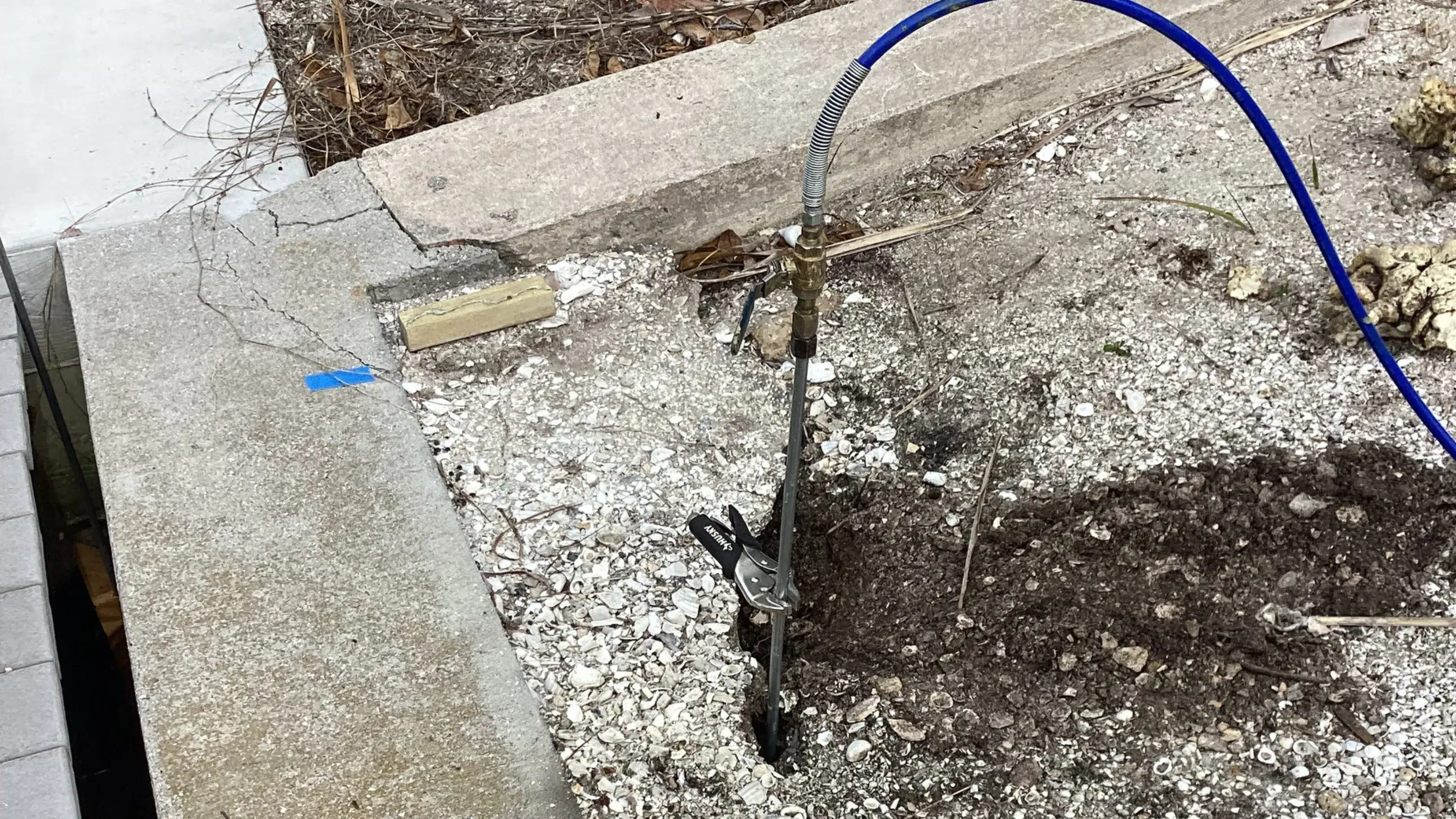
- Using a soil probe behind the wall where appropriate
- Determining whether the issue appears cosmetic, soil-related, pressure-related, structural, or a combination
The inspection should answer several key questions:
- Is the cap crack isolated and stable?
- Is the crack growing or returning after repair?
- Are voids, soft spots, or soil loss present behind the wall?
- Is water pressure contributing to the problem?
- Is there rust, exposed steel, or spalling?
- Is the wall leaning, bowing, or rotating?
- Is the cap or wall still serviceable?
- Is the right next step concrete repair, seawall erosion repair, structural evaluation, cap replacement, full replacement, or a combination?
The goal is not to overreact to every cap crack. The goal is to catch small warning signs early and address contributing causes before they become larger problems.
Repair Options for Cracked Seawall Caps
The right repair depends on the crack pattern, wall condition, soil conditions, pressure relief, corrosion, and whether the wall is still serviceable.
Possible repair options include:
- Monitoring stable hairline cracks when no other warning signs are present
- Concrete cap repair by an appropriate contractor if the crack is isolated and cosmetic
- Seawall inspection if the crack is growing or appears with other symptoms
- Soil probing behind the wall
- Polyurethane seawall soil stabilization if soil loss or voids are present
- Void filling behind the wall
- Erosion pathway reduction where appropriate
- Jet Filter pressure relief system when viable
- Well Points when Jet Filters are not viable
- Structural engineer or marine contractor evaluation for severe cracks, exposed steel, leaning panels, bowing panels, rotating panels, or tieback concerns
- Seawall cap replacement when the cap is beyond repair
- Full seawall replacement when the wall system is beyond repair
For many Helicon seawall projects, the goal is to address the contributing cause, not just the visible crack. If soil loss and pressure are contributing to cap cracking, the repair may need to include soil stabilization, void filling, and pressure relief.
Read more: Seawall Soil Stabilization
How Much Does a Seawall Cap or Related Seawall Repair Cost?
Seawall cap or related seawall repair costs depend on the cause of the cracking, wall condition, cap condition, soil loss, void size, drainage, pressure relief needs, access, and whether the wall is still serviceable.
Typical ranges may include:
- Seawall inspection: free when within Helicon’s service area
- Cosmetic sealant or concrete cap repair: contractor-specific
- Smaller seawall soil stabilization or void-filling projects: often around $5,000 to $15,000
- Larger seawall stabilization or void-filling projects: often around $15,000 to $40,000
- Seawall replacement: often around $800 to $1,500 per linear foot for vinyl, steel sheet, or concrete panel seawalls, depending on wall type, access, permitting, engineering, depth, site conditions, and waterfront conditions
*These are typical Florida pricing examples based on published industry resources and contractor pricing guides. They are intended for educational purposes only and are not Helicon’s pricing. Every home is different, and a professional inspection is the only way to determine the appropriate repair and provide an accurate quote.
Concrete cap repair, seawall erosion repair, cap replacement, and full seawall replacement are different repairs. A simple cap crack may be handled with concrete repair. A cap crack connected to soil loss may require seawall erosion repair. A severely deteriorated cap may require cap replacement. A structurally compromised wall may require full replacement.
The right cost range depends on what is actually causing the crack.
What Homeowners Should Not Do
The biggest mistake homeowners make is patching the cap crack without checking for soil loss or wall movement.
Homeowners should avoid:
- Patching the cap crack without checking for soil loss or wall movement
- Ignoring voids, soft spots, or settled pavers behind the cap
- Assuming every cap crack is cosmetic
- Assuming every cap crack means full seawall replacement
- Ignoring rust stains, exposed steel, or spalling
- Filling holes behind the cap without stopping soil loss
- Waiting until panels lean, bow, or rotate
- Replacing pavers or concrete before stabilizing soils behind the wall
A cracked seawall cap should be evaluated in context. The crack may be minor, or it may be one visible sign of a larger problem involving soil loss, pressure, corrosion, or wall movement.
When to Schedule a Seawall Inspection
You should schedule a seawall inspection if the cap crack is growing, returning after repair, separating, or appearing with other seawall warning signs.
Call an expert if you notice:
- A widening seawall cap crack
- A crack that gets longer over time
- Cap sections separating
- Rust stains near the crack
- Exposed rebar or spalling concrete
- Voids, holes, depressions, or soft spots behind the seawall
- Pavers settling near the cap
- Concrete, patios, pool decks, or walkways sinking near the wall
- Soil or sand mounds on the water side
- Water flowing through joints, cracks, or panel openings
- Gaps between seawall panels
- Wall panels leaning, bowing, or rotating
- Tieback, deadman, or anchor concerns
- A seawall near a pool, patio, deck, walkway, house, or structure
Not sure whether your cracked seawall cap is cosmetic or a sign of movement? Helicon can evaluate the cap, wall, soil conditions, voids, pressure relief, drainage, and nearby settlement conditions to help determine the right next step.
Why Florida Homeowners Trust Helicon
Helicon has been helping Florida homeowners solve seawall erosion repair, soil stabilization, foundation repair, concrete lifting, sinkhole repair, pool deck settlement, sidewalk settlement, driveway settlement, void filling, and slab support problems since 2004.
As a family-owned Florida company, Helicon understands the soil conditions, water movement, storm exposure, drainage issues, wall systems, pressure problems, corrosion concerns, and settlement patterns that affect waterfront properties across Tampa Bay, Orlando, Southwest Florida, and surrounding areas.
We are not there to tell every homeowner that every seawall cap crack means replacement. We are also not there to ignore cap cracks that are connected to soil loss, pressure, corrosion, or structural wall movement.
Sometimes the crack is isolated. Sometimes the soil behind the wall is being lost. Sometimes pressure relief has failed. Sometimes voids need to be filled. Sometimes the cap is deteriorated. Sometimes the wall is structurally compromised and replacement needs to be evaluated.
The goal is always the same: identify the cause, protect the property, and recommend the least invasive repair that provides a long-term solution.
Schedule a Free Seawall Cap Crack Inspection
If you see cracking in your seawall cap, especially with voids, soft spots, settled pavers, sinking concrete, sand mounds on the water side, rust stains, spalling, or wall movement, Helicon can help.
Our team can evaluate the cap, seawall, soil loss, voids, drainage, pressure relief, corrosion concerns, nearby improvements, and structural warning signs when needed to help determine whether the problem is cosmetic, soil-related, pressure-related, structural, or a combination.
Schedule a free seawall cap crack inspection with Helicon to find out what is causing the issue and what should be done next.
FAQ
What causes seawall cap cracking?
Seawall cap cracking may be caused by concrete aging, shrinkage, settlement, soil loss behind the wall, water pressure, wall movement, corrosion, tieback or anchor stress, storm exposure, poor construction, or structural deterioration.
Is a cracked seawall cap serious?
A cracked seawall cap can be minor if it is small, stable, and isolated. It becomes more concerning when the crack is widening, returning after repair, separating cap sections, or appearing with voids, soft spots, settled pavers, rust stains, spalling, water movement, or leaning wall panels.
Does a cracked seawall cap mean my seawall is failing?
Not always. A cracked cap does not automatically mean the seawall is failing. However, if the cap crack appears with soil loss, pressure problems, wall movement, corrosion, or structural deterioration, it should be inspected.
Can soil loss behind the wall cause cap cracking?
Yes. Soil loss behind the seawall can reduce support and change how forces act on the wall system. When cap cracking appears with voids, depressions, soft spots, settled pavers, or soil loss, it may be part of a larger seawall erosion problem.
Can water pressure cause a seawall cap to crack?
Yes. When water builds up behind the seawall and cannot release properly, it creates pressure. That pressure can stress the wall, move panels, open cracks, and contribute to cap cracking.
What do rust stains near a seawall cap crack mean?
Rust stains may indicate that reinforcement inside the cap or wall is corroding. Corroding steel can expand, crack the concrete, cause spalling, and weaken the cap over time.
Can I just patch a cracked seawall cap?
If the crack is isolated and stable, concrete repair may be appropriate. If the crack is caused by soil loss, water pressure, corrosion, wall movement, or structural deterioration, patching the cap alone may hide the symptom without fixing the cause.
How do you repair a cracked seawall cap?
Repair depends on the cause. Options may include monitoring, concrete cap repair, soil stabilization, void filling, erosion pathway reduction, Jet Filters, Well Points, structural evaluation, seawall cap replacement, or full seawall replacement if the wall system is beyond repair.
How much does seawall cap repair cost?
Cosmetic sealant or concrete cap repair is contractor-specific. If the cap cracking is connected to soil loss or voids, smaller seawall stabilization or void filling projects often range from around $5,000 to $15,000, while larger projects often range from around $15,000 to $40,000. Full seawall replacement often ranges from around $800 to $1,500 per linear foot.
When should I call Helicon about seawall cap cracking?
Call Helicon if the cap crack is widening, returning after repair, separating, or appearing with voids, soft spots, settled pavers, sinking concrete, sand mounds on the water side, rust stains, spalling, water movement, or leaning, bowing, or rotating panels.