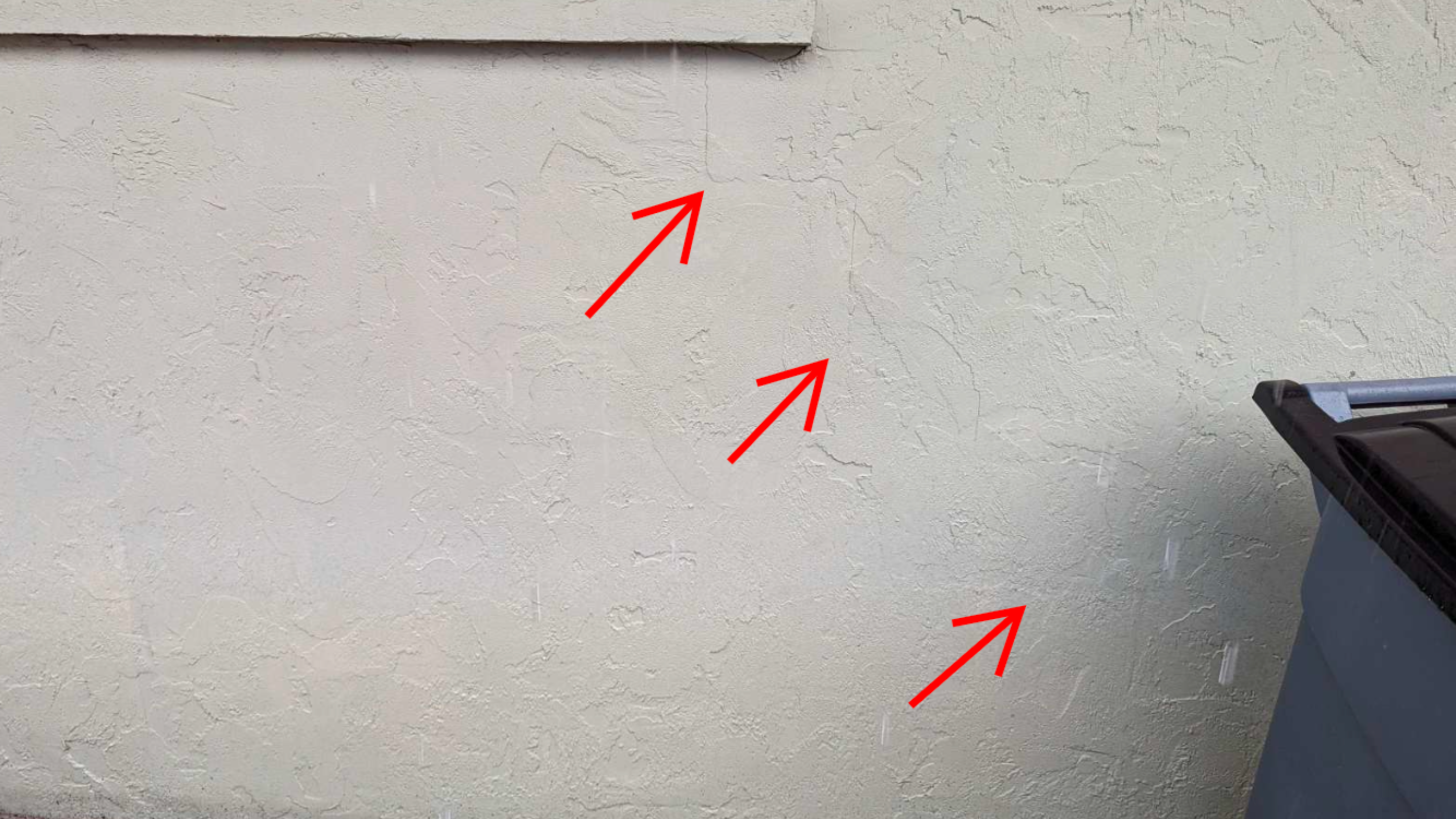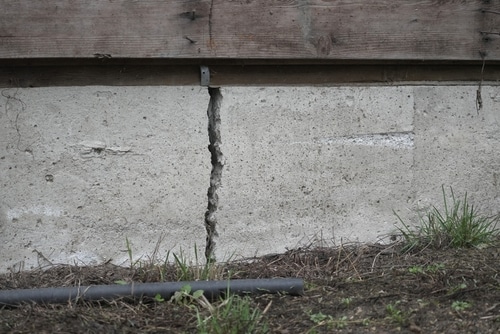
A crack near the corner of your home may not look urgent at first.
Neither may a patio that seems slightly lower than it used to be.
But when cracking, foundation settlement and sinking concrete begin appearing in the same area, they may be connected by one hidden problem: the soil beneath the property is no longer providing reliable support.
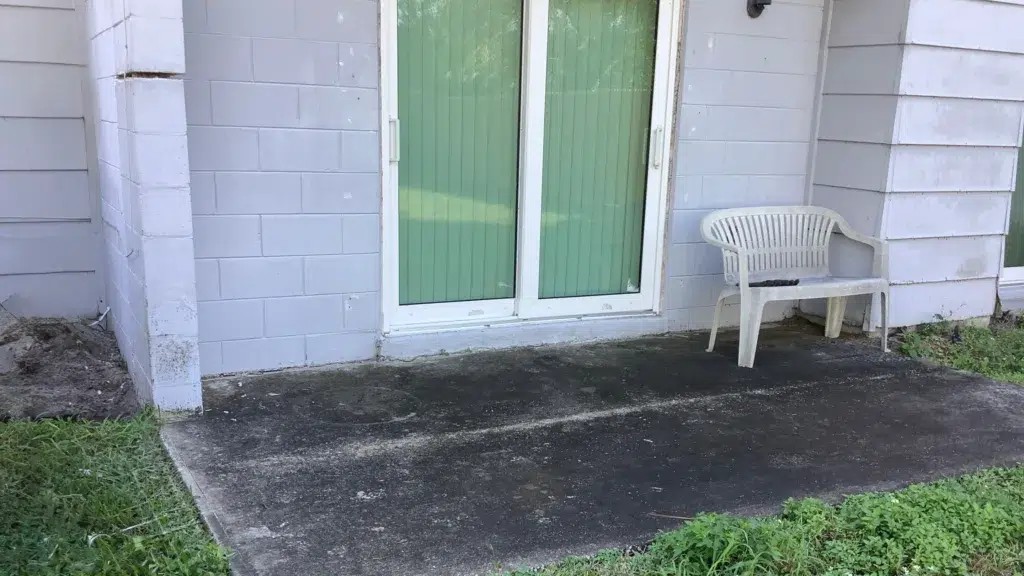
That was the situation at a home in Orlando, Florida, where the back-right corner of the house had begun to settle. Visible cracking developed near the affected wall, and the adjacent patio slab was also dropping.
The homeowner did not simply need a crack patched or a patio surface leveled. The repair had to address two different problems beneath the property:
- The house needed dependable structural support below the weakened surface soils.
- The patio and surrounding soil needed void filling and renewed support closer to the surface.
Helicon addressed both conditions with a combination of steel push piers and structural polyurethane foam injections.
This type of hybrid repair can be especially effective in Orlando and throughout Central Florida, where sandy soils, variable fill, drainage changes and inconsistent compaction can contribute to localized settlement.
What Does It Mean When a Foundation Corner and Patio Sink Together?
When one corner of a house begins to settle, the earliest warning signs often appear in nearby walls, windows, doors, and finishes.
Homeowners may notice:
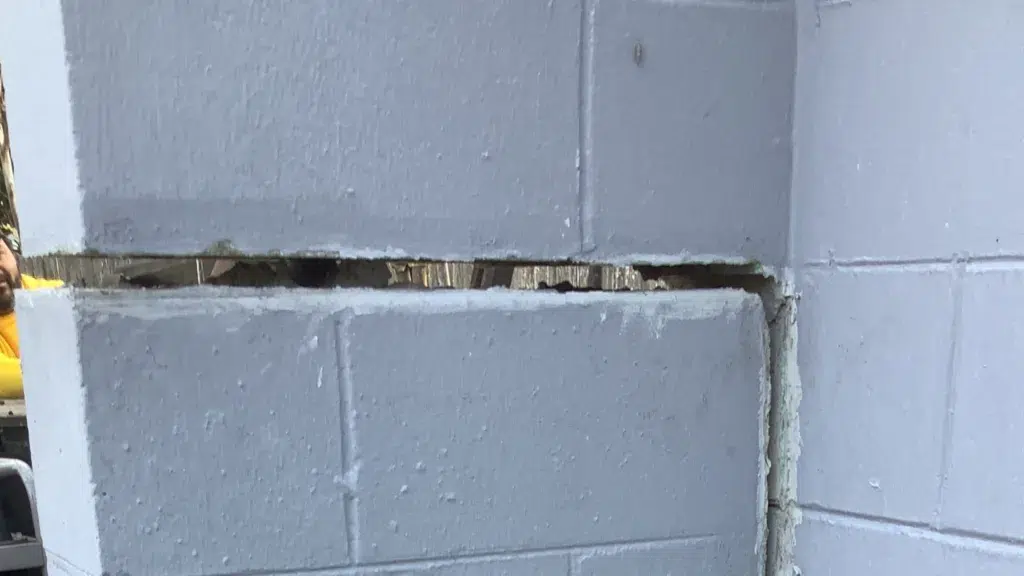
- Stair-step cracks in concrete block walls
- Diagonal cracks near windows or doors
- Separation around exterior finishes
- Doors that rub, drag, or stop closing properly
- Windows that become harder to open
- Gaps between walls, ceilings, or baseboards
- Uneven floors
- Concrete patios pulling away from the house
A sinking patio may create additional symptoms, including water pooling, cracking, rocking sections of concrete, or uneven transitions that create trip hazards.
These problems do not always mean the entire home is experiencing major foundation failure. Settlement can be highly localized. One corner may move while most of the structure remains relatively stable.
However, when a settling foundation and a sinking patio appear beside one another, it may indicate that the supporting soils in that area have weakened, compressed, or developed voids.
The visible damage is only the symptom. The actual problem is often below the surface.
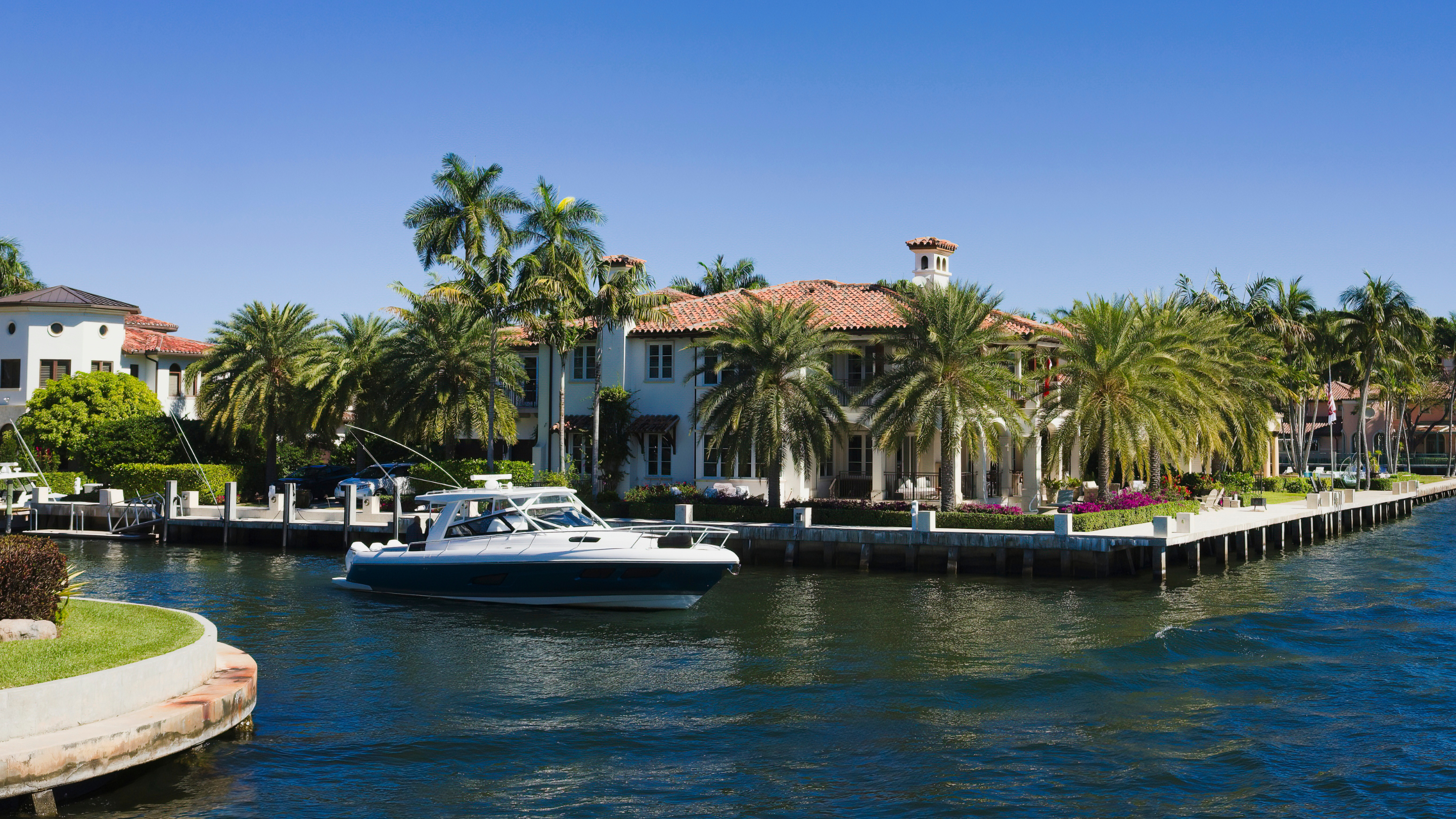
Why Orlando Homes Experience Foundation Settlement
Florida’s soil conditions can vary significantly from one property to another—and even within different areas of the same lot.
Many Orlando-area homes are supported by sandy soils or placed fill. These materials can provide adequate support when they are properly compacted and remain stable. Problems can develop when the soil is not compacted uniformly, when water carries fine particles away, or when changing moisture conditions reduce its ability to support the structure.
Common causes of foundation settlement in Orlando include:
Poorly compacted fill soil
During construction, soil may be placed to prepare a building pad or establish the desired elevation. If one area is not compacted as thoroughly as another, it may compress later under the weight of the home or concrete slab.
Water movement and erosion
Roof runoff, downspouts, irrigation systems, and poor drainage can direct water toward a foundation. Moving water may carry soil particles away and contribute to void formation.
Heavy rain and changing groundwater
Central Florida receives periods of intense rainfall. Saturated soils can behave differently from dry soils, and repeated moisture changes may contribute to movement over time.
Organic material beneath the surface
Buried roots, vegetation, or other organic material may decay and leave weak zones or voids below a slab.
Plumbing or drainage leaks
A leaking pipe or drainage component can introduce water beneath the home or patio, weakening the surrounding soil.
Uneven loading
Foundation corners and structural openings can experience concentrated loads. If the soils beneath one of those areas are weaker, settlement may become more noticeable there.
This is one reason foundation repair should never be based on the appearance of a crack alone. A qualified inspection must consider the home, the footing, the surrounding concrete, the drainage conditions, and the soil behavior.
Why Stabilization Comes Before Lifting
Most homeowners with a settled foundation ask the same understandable question:
“Can you lift it back to where it was?”
Sometimes, meaningful lift is possible. But the first and most important goal of foundation repair is not cosmetic improvement. It is stabilization.
Stabilization means creating a dependable support system that helps stop continued downward movement. Lifting is the careful attempt to recover some of the elevation that has already been lost.
A responsible foundation repair company should never promise that a settled home can always be returned to its exact original position.
The amount of safe lift depends on many factors, including:
- The condition of the foundation and footing
- How long has the settlement been present
- The structure’s weight
- The framing and finish materials
- Plumbing and utility connections
- The condition of the surrounding soil
- How the structure responds during the lifting process
Trying to force a structure upward can cause additional cracking or damage. That is why lift must be performed slowly, carefully, and only after reliable bearing has been established. At the Orlando home, the conditions allowed Helicon to achieve substantial elevation recovery. But the repair plan was designed around stability first. The lift was a secondary benefit pursued within safe structural limits.
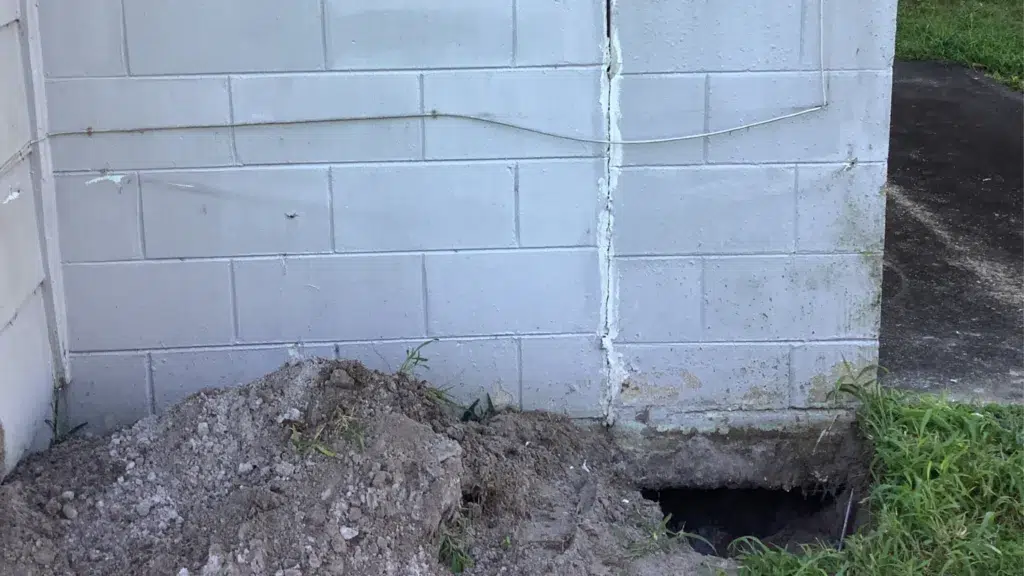
How Push Piers Stabilize a Settling Foundation
The affected foundation corner required support that did not depend on the weakened shallow soils.
Helicon installed steel push piers beneath the settled wall.
A push pier is a deep foundation underpinning system designed to transfer the weight of an existing structure to deeper, stronger soil or bearing material. Steel pier sections are hydraulically advanced into the ground through a bracket installed at the foundation footing.
Once the pier reaches the required resistance, the foundation load can be transferred onto the system.
In simple terms, push piers give the home a new support path.
Instead of relying entirely on the unstable soil directly beneath the affected corner, the foundation is supported at a deeper level.
The installation process generally involves:
- Carefully excavating near the foundation footing
- Attaching a steel bracket to the footing
- Hydraulically advancing the pier sections
- Monitoring resistance as the pier moves deeper
- Verifying adequate bearing
- Transferring the foundation load to the pier
- Attempting controlled elevation recovery when appropriate
- Locking the system into place and restoring the area
Push piers can be an effective choice when an existing foundation has already settled and the structure provides enough weight for the installation process.
They also offer several practical advantages:
- Small excavation areas
- Limited disturbance to the property
- Direct support beneath the foundation
- Measured hydraulic installation
- The ability to attempt controlled lift
- Support that bypasses weak surface soils
At this Orlando property, 1 push pier was installed at the distressed rear corner. It created the deep structural support the wall needed and allowed the team to pursue a careful lift.
Why the Patio Needed a Different Repair
The patio was sinking near the same corner of the home, but it did not require the same type of support as the foundation.
A house foundation carries significant structural loads. A patio slab is comparatively light and is generally supported across the soil beneath it.
When voids form under a patio, sections of the slab can lose contact with the ground. The concrete may then crack, tilt, rock, or settle into the unsupported area.
Installing a foundation pier beneath a patio would usually be unnecessary. Instead, the goal is to fill the voids and restore support beneath the slab.
That is where structural polyurethane foam becomes useful.
How Polyurethane Foam Supports Sinking Concrete
Polyurethane concrete lifting and soil stabilization begin with small injection points.
Two liquid components are injected beneath the surface, where they react and expand. The expanding material can fill accessible voids, move through loose sandy zones and restore contact between the soil and the concrete above it.
Because the foam expands in a controlled manner, trained crews can monitor the slab and make gradual adjustments during the injection.
At the Orlando home, the patio received one injection point using approximately 32 pounds of polyurethane material.
The goal was to:
- Fill the void beneath the slab
- Restore support
- Reduce movement
- Improve the transition between the house and patio
- Limit continued settlement in the treated area
The material cures quickly, which helps reduce downtime and disruption.
Polyurethane injections typically require much smaller penetrations than traditional demolition and replacement. In many situations, homeowners can continue using their property with relatively little interruption.
Why the Soil Around the Foundation Was Also Treated
The push pier supported the foundation at depth, and the patio injection re-supported the slab. However, the nearby shallow soils also needed attention.
Helicon performed three additional soil-injection points around the treated foundation area, using approximately 150 pounds of two-part structural polyurethane.
These injections were intended to improve the surrounding treatment zone by filling accessible voids and tightening loose soil conditions near the repair.
This part of the process is important because foundation settlement and slab settlement may be related without being identical.
The push pier carried the structural load of the house.
The polyurethane injections addressed the loose soil and voiding closer to the surface.
One solution did not replace the other. They worked together.
Why One Repair Method Was Not Enough
Homeowners are often presented with foundation repair as though one product can solve every type of settlement.
Successful repair depends on identifying the specific failure mechanism.
Polyurethane foam can be highly effective for:
- Concrete lifting
- Slab stabilization
- Void filling
- Shallow soil improvement
- Patio, driveway, and sidewalk settlement
- Interior slab support
- Soil loss behind certain structures
Push piers are designed for a different purpose. They provide deep structural support to an existing foundation by transferring its load beyond unstable shallow soils.
Using polyurethane alone would not have created the same deep load path beneath the foundation wall.
Using only push piers would not have filled the void beneath the patio or restored broad support beneath the slab.
The hybrid repair addressed both conditions:
- The push pier stabilized the foundation.
- The surrounding polyurethane injections treated the shallow soil zone.
- The patio injection restored support beneath the concrete slab.
This is the value of designing a repair around the property rather than around a single product.
What the Homeowner Gained from the Repair
The most important result was dependable foundation support.
The push pier established a deep load path beneath the settled corner, helping stop the movement where it was affecting the home.
The structure also responded well during controlled lifting. Although lifting can never be guaranteed, the team achieved meaningful elevation recovery.
That improvement helped reduce visible distress and improve relationships between the structure, finishes, and surrounding grade.
The patio was also re-supported. The polyurethane filled the accessible void beneath the slab and reduced the differential movement near the house.
Because the work involved small excavations and targeted injection points, the repair was completed with less disruption than a large demolition or replacement project.
The homeowner received a solution that addressed the source of the movement—not merely the visible symptoms.
Can Foundation Cracks Return After Repair?
Foundation stabilization is intended to reduce the structural movement that contributes to cracking. However, no contractor should promise that a home will never develop another crack.
Buildings naturally respond to:
- Temperature changes
- Humidity
- Normal loading
- Material expansion and contraction
- Seasonal moisture conditions
Existing cracks may also require separate cosmetic repairs after the foundation has been stabilized.
Homeowners should continue monitoring the property and follow recommendations related to drainage, gutters, irrigation, and landscaping.
Keeping water from concentrating near the foundation can play an important role in protecting the repaired area.
How Long Do Polyurethane Injections Last?
Structural polyurethane is designed to remain stable after curing. It is lightweight, moisture-resistant, and does not depend on drying out like some cement-based materials.
Its long-term performance depends partly on whether the conditions that contributed to the settlement are also addressed.
For example, an injection may restore support beneath a patio, but a broken drain line or concentrated roof runoff could continue affecting nearby soils if it is not corrected.
A complete repair plan should consider both the immediate void and the conditions that caused it.
Should You Repair a Sinking Patio or Replace It?
Replacement may be appropriate when concrete is severely cracked, deteriorated or structurally damaged.
However, if the slab itself remains in serviceable condition and the primary problem is lost soil support, polyurethane lifting may provide a faster and less disruptive alternative.
Concrete lifting may avoid:
- Demolishing the existing patio
- Hauling away broken concrete
- Pouring an entirely new slab
- Extended curing periods
- Greater disturbance to landscaping
- Mismatched concrete color and finish
The correct choice depends on the condition of the slab, the amount of settlement and the soils beneath it.
What Should Orlando Homeowners Do When They Notice Settlement?
Do not assume that every crack is a serious foundation problem.
But do not ignore a combination of cracking, sticking doors, sloping surfaces, and sinking concrete.
Begin by documenting what you see. Take dated photographs and note whether the cracks, gaps, or elevation differences appear to be changing.
Also inspect the surrounding area for possible water problems, including:
- Downspouts discharging beside the house
- Low areas that collect water
- Irrigation overspray
- Plumbing leaks
- Patio drainage toward the foundation
- Soil erosion near slab edges
The next step is to schedule a professional evaluation.
A good inspection should determine whether the visible damage is cosmetic, whether active settlement may be occurring, and which repair method—if any—fits the actual condition.
Sometimes, a home does not require structural repair. When repairs are needed, the recommendation should be based on the problem beneath the property, not on selling the same solution to every homeowner.
Frequently Asked Questions (FAQ)
Is a crack near the corner of a house a foundation problem?
It can be. Corner cracks may result from foundation settlement, but they can also be cosmetic. The crack pattern, width, location, and related symptoms should be evaluated before drawing a conclusion.
Can polyurethane foam stabilize a house foundation?
Polyurethane can stabilize shallow soils, fill voids, and support certain slabs. A foundation carrying structural loads may also require deep underpinning, such as push piers or another engineered pier system.
Can push piers lift a settled house?
After the pier reaches a reliable bearing, controlled lifting may be attempted. The amount of elevation recovery depends on the structure, footing, soil conditions, and the risk of causing additional damage.
Is polyurethane better than replacing a patio?
It may be when the concrete remains in good condition, and the main problem is a void or loss of soil support. Severely cracked or deteriorated concrete may still require replacement.
How disruptive is foundation underpinning?
Push pier installation usually requires targeted excavation at the affected footing. Many homeowners can remain in the home during the work, although the exact level of disruption depends on the repair scope.
Why combine push piers and polyurethane foam?
The two methods solve different problems. Push piers provide deep structural support, while polyurethane fills voids and restores support in shallow soils and beneath concrete slabs.
The Bottom Line
Florida homes face soil and moisture conditions that require experience, careful evaluation, and realistic repair expectations.
At Helicon, the objective is to design a solution around the property’s specific conditions. That may involve foundation underpinning, push piers, structural polyurethane injections, soil stabilization, concrete lifting, or a combination of methods.
By treating each condition with the appropriate method, Helicon was able to stabilize the home, achieve meaningful lift, and re-support the patio without extensive disruption.
Seeing stair-step cracks, sticking doors, sinking concrete, or a patio pulling away from your Orlando-area home?
Helicon serves homeowners throughout Orlando, Winter Park, Ocoee, Apopka, Kissimmee, Winter Garden, Sanford, Lake Mary, Altamonte Springs, and surrounding Central Florida communities.
Call 844-HELICON or fill out the form on our site to learn whether the issue is cosmetic, related to soil movement, or requires a customized foundation repair plan.