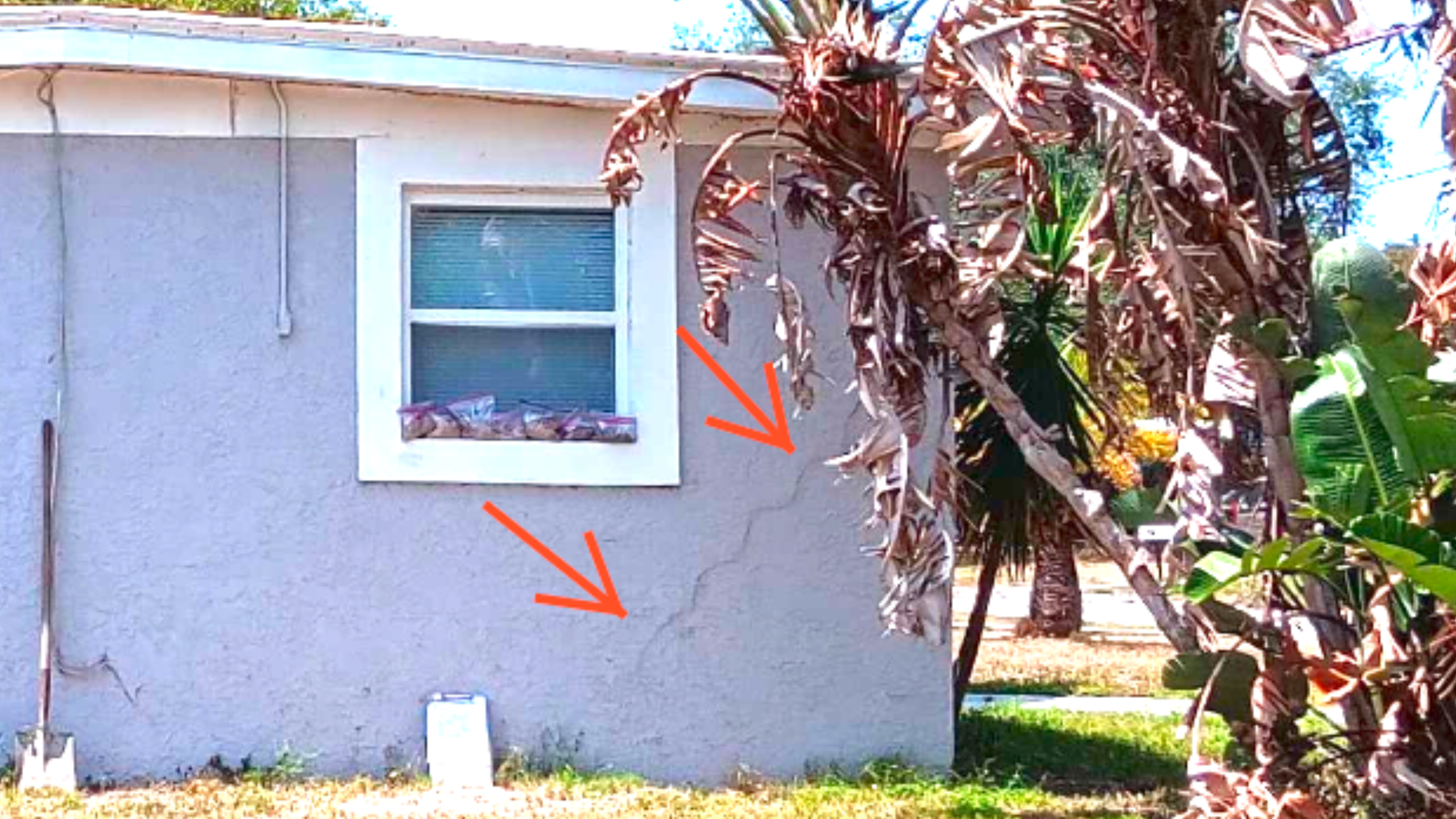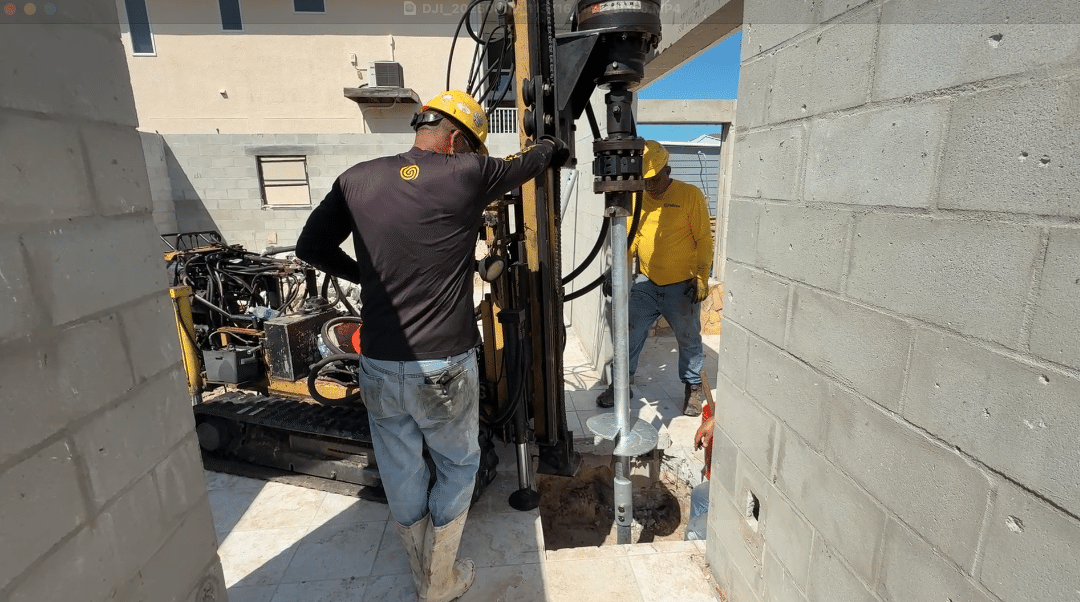
Depending on where you live, your home’s foundation could be one of four different kinds, the most common of which are slab foundations. Even if you don’t own your place of residence, it’s still important to know which type of foundation you’re sitting on should any problems come up. We’ll take a look at each kind of foundation, its uses, and some of their pitfalls as well.
Slab Foundation
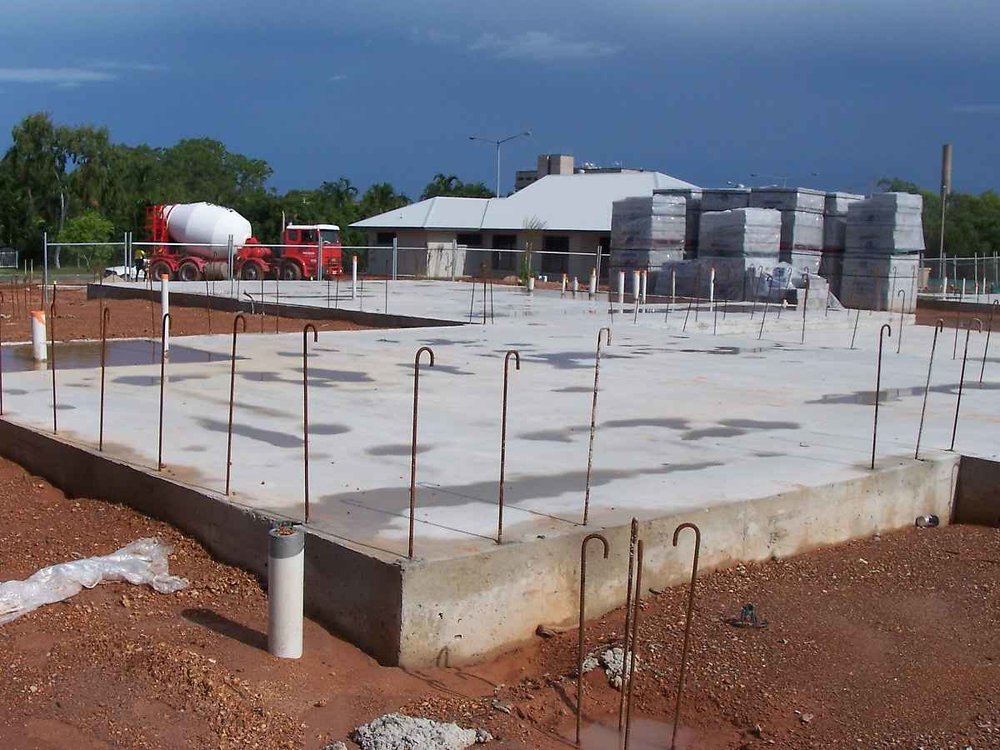
This kind of foundation is the most common with newly constructed homes, and for good reason too. Slab foundations provide a solid base for your home to sit on and are relatively low in cost compared to the other kinds of foundations. This kind of foundation is usually around four to eight inches thick of concrete block which is reinforced with rods for durability and strength.
In addition to this foundation being less expensive, it can also be constructed in a short amount of time, with drying time being minimal as well. As a last added benefit, there are no gaps or room between the foundation and the house, which means not having to worry about mold or insects.
Although it is an efficient kind of foundation, there are a couple of downfalls with them. Since there is no space between the house and the foundation, homes with slab foundations tend to warm faster. Additionally, and potentially a big drawback is that often times plumbing is embedded in the foundation itself. This means that if you need any plumbing replaced, you’ll have to tear up some of the foundation to get to it.
Raised Foundations
There are a couple different kinds of raised foundations: Stem wall foundations and pier-and-beam foundations. Both of these kinds of raised foundations are identical in construction, except in one facet: a pier-and-beam foundation uses concrete or brick blocks that are spaced apart and are reinforced with footings. A stem wall foundation is similar, except that the footings are continuous rather than spaced. Both of these foundations are supported by concrete beams, concrete piers, sonotubes, pad & blocks, or a combination of any of the four. With an elevated foundation, there is usually a crawlspace underneath the house which allows for easier access to plumbing.
There are some things to be wary of with raised foundations, however. The main concern is the cost of these kinds of foundations. Elevation can be a good thing to avoid potential flooding, but it does cost more to build a structure that isn’t on the ground. Raised foundations can also be prone to sagging if not installed correctly or if it has sustained damage.
Basement Foundation
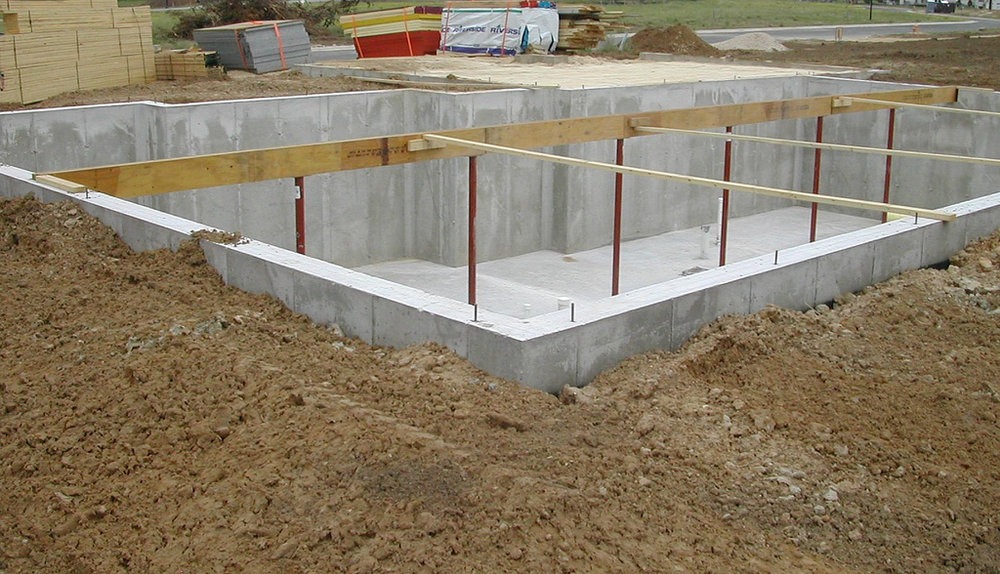
Basement foundations are a popular option across the U.S. due to the extra space they can provide to homeowners. This room can be used as extra living space for storage. Basement foundations are usually constructed by lining the perimeter under the house with reinforced concrete walls, then building up from there. Additionally, basements can also provide a natural way to cool a warm house during summer months.
Basement foundations are also at the top of the list in terms of price, as it takes a lot to add underground square footage to your home. Aside from the price, basements can also be susceptible to moisture collection which, in turn, could lead to mold and mildew issues down the road.
It’s important to know what kind of foundation your house is sitting on so you can keep an eye out for any signs of foundation damage, especially since signs may differ from type to type. If you do notice any foundation damage, contact us or visit our foundation repair page for more information.