Foundation issues can raise a lot of questions, especially when you are trying to understand whether homeowners insurance covers foundation repair. While some types of damage may qualify for coverage, most policies depend heavily on the cause of the problem and how the damage developed over time.
At Helicon, homeowners across Florida often seek clarity about how soil conditions, moisture changes, plumbing leaks, and structural movement can affect both foundation performance and insurance claims. Clear inspections and practical explanations can help you better understand your options before making repair decisions.
This article explains when homeowners insurance may cover foundation repair, what exclusions commonly apply, how to review your policy, and what steps can strengthen a claim. You will also learn how to spot foundation problems early and plan for potential repair costs with greater confidence.
When Insurance May Pay For Foundation Damage
Your homeowners insurance policy may cover foundation repair, but only under specific conditions. The cause of the damage determines whether your insurer may approve the claim.
How Coverage A Protects Your Home’s Structure
Foundation repairs typically fall under Coverage A, also known as dwelling coverage. This portion of your policy protects the physical structure of your home, including the foundation, walls, and roof.
If foundation damage also affects belongings stored in a basement, personal property coverage may apply separately. Coverage A generally applies only when a covered peril directly causes the structural damage.
Covered Perils That May Trigger A Foundation Claim
A covered peril is an event specifically listed in your policy as eligible for coverage. Common covered perils that may lead to a valid foundation claim include:
- A burst pipe or sudden plumbing leak inside the home
- Fire or explosions
- Vandalism
- Falling objects, such as tree limbs or debris
- A vehicle striking the home
For example, if a plumbing leak saturates the soil beneath your slab and causes sudden foundation movement, your homeowners insurance policy may help cover repairs.
Why Sudden And Accidental Damage Matters
Insurance companies separate sudden damage from issues that develop slowly over time. Most policies only cover damage that happens unexpectedly and without warning.
If you can connect the damage to a specific covered event, your claim may have a stronger chance of approval. Gradual foundation movement or long-term deterioration almost always falls outside standard coverage.
When Foundation Problems Are Usually Excluded
Most denied foundation claims trace back to excluded causes listed in standard homeowners insurance policies. Gradual deterioration, drainage problems, and construction defects are among the most common exclusions.
Normal Aging, Settling, And Ongoing Deterioration
Homes naturally settle as they age. Minor cracks and slight structural movement typically count as normal wear and tear, which homeowners’ insurance does not cover.
Insurance companies expect homeowners to monitor and maintain these issues over time. Even serious structural damage may fall under this exclusion if the movement developed gradually.
Drainage, Moisture, And Maintenance-Related Problems
Poor drainage is one of the leading causes of foundation damage, and standard policies rarely cover it. If clogged gutters, improper grading, or downspouts direct water toward the home, insurers often classify the issue as preventable maintenance.
Long-term soil moisture problems and erosion beneath the foundation usually fall into the same category. Keeping water away from the home is one of the simplest ways to help protect your foundation and avoid uncovered damage.
Construction Defects And Soil-Related Exclusions
Most policies also exclude damage caused by faulty construction or poor workmanship. If the foundation was not built correctly, insurers generally consider it a construction issue rather than an insurable event.
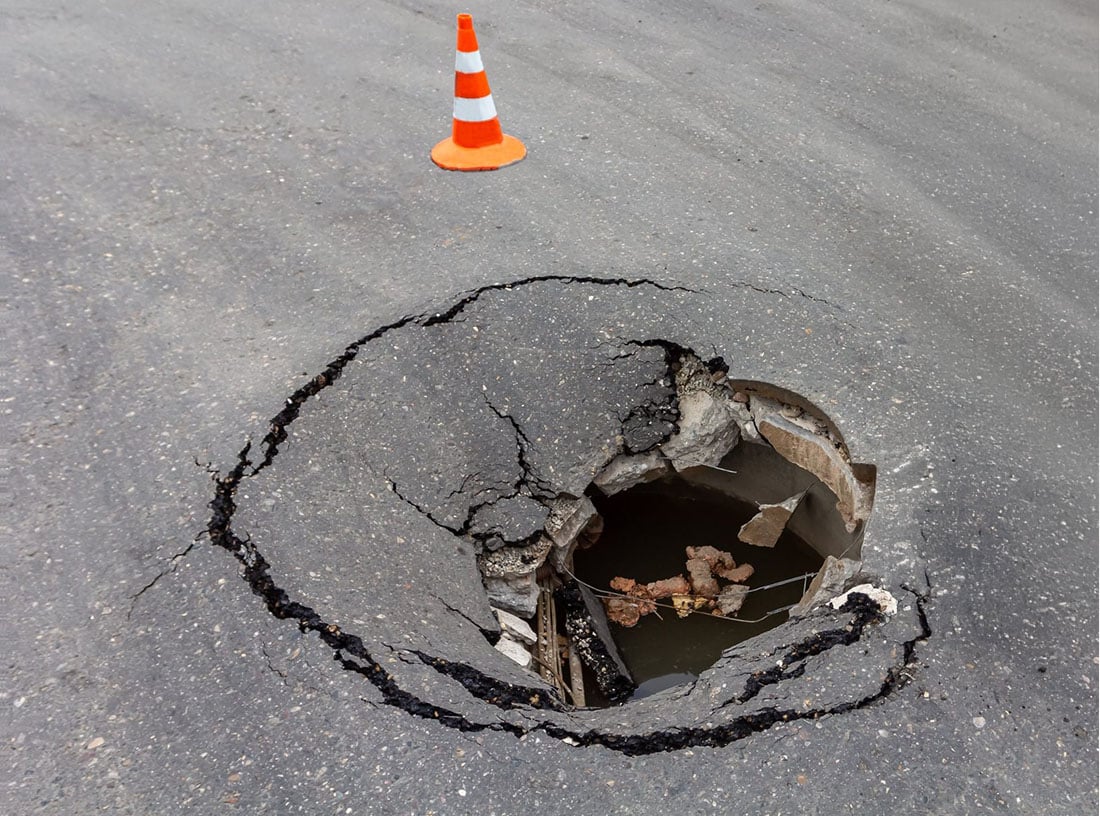
Standard policies often exclude soil movement caused by expansive clay, erosion, earthquakes, landslides, or sinkholes. In some areas, separate endorsements or policies may provide additional protection for these risks.
What To Check In Your Policy Before Filing
Before filing a homeowners insurance claim for foundation repair, review your policy carefully. Understanding your deductible, exclusions, and endorsements can help you avoid surprises later.
How Deductibles And Coverage Limits Affect Repairs
Your deductible is the amount you pay out of pocket before insurance coverage begins. Since foundation repair costs vary widely, compare your deductible against estimated repair expenses before filing a claim.
You should also review your dwelling coverage limit. If the limit is too low, you may still face high out-of-pocket costs for major structural repairs.
Policy Exclusions That Often Prevent Coverage
Pay close attention to the exclusions section of your homeowners insurance policy. Many policies specifically exclude:
- Earth movement
- Flood damage
- Wear and tear
- Neglect or deferred maintenance
- Faulty construction
Even severe foundation damage may not qualify for coverage if one of these exclusions caused the problem. Reviewing this section carefully can help you better understand your coverage before filing a claim.
When Endorsements Or Separate Policies Matter
Standard homeowners insurance policies usually do not cover earthquake or flood damage. In some states, insurers also offer optional sinkhole coverage through endorsements or separate policies.
These additional coverages must usually be active before the damage occurs. Waiting until you notice foundation problems may leave you without protection for those events.
How To File A Strong Foundation Claim
A well-organized claim can help streamline the insurance process. Clear documentation and professional evaluations often play an important role when insurers review foundation damage claims.
Document Damage With Photos, Videos, And Notes
As soon as you notice signs of damage, document everything carefully. Take photos and videos of cracks, shifting walls, gaps, or uneven floors.
Keep notes about when the issue started and whether a specific event may have contributed to the damage. Detailed records can help support your claim and provide important context for the adjuster. If vandalism caused the damage, file a police report as soon as possible.
Get A Foundation Inspection And Repair Estimates
Schedule a professional foundation inspection before or shortly after filing your claim. A qualified specialist can help identify whether the damage resulted from a sudden event or developed gradually over time.
Request written repair estimates from one or more contractors. These reports can help support your claim and give the insurance adjuster a clearer understanding of expected repair costs.
Work Closely With The Insurance Adjuster
After you file a claim, the insurance company will assign an adjuster to inspect the property. Stay organized and provide all documentation, inspection reports, and repair estimates during the process.
If temporary repairs are necessary to prevent further damage, save all receipts and records. Most insurers prefer to complete their inspection before permanent repairs begin.
How To Spot Foundation Problems Early And Limit Costs
Identifying foundation issues early can help reduce repair costs and prevent more extensive structural movement. Many small problems become more expensive when homeowners wait too long to address them.
Common Signs Of Foundation Damage To Watch For
You do not need specialized training to recognize common warning signs of foundation damage. Watch for issues such as:
- Cracks in walls, floors, or basement areas
- Doors and windows that stick or no longer close evenly
- Uneven or sloping floors
- Bowing walls
- A tilting chimney or sinking porch
- Moisture, mold, or mildew in the basement
If you notice these symptoms, a professional inspection can help determine whether foundation repair may be necessary.
How Drainage And Moisture Control Help Protect Your Home
Water management plays a major role in foundation performance. Clean gutters regularly and make sure downspouts direct water away from the home.
Proper grading also helps prevent water from collecting near the foundation. During dry seasons, monitor soil moisture levels because overly dry soil can shrink and contribute to foundation movement.
These maintenance steps also show insurers that you actively care for the property, which may matter during the claims process.
What Foundation Repair Costs Can Look Like
Foundation repair costs vary depending on the severity of the damage and the repair method required. Minor crack repairs may cost only a few hundred dollars, while larger structural solutions can reach tens of thousands.
More extensive repairs may involve methods like helical piers, slab stabilization, or soil stabilization to restore long-term structural support. Understanding what your homeowners insurance policy covers before problems develop can help you plan more confidently for future repair costs.
Protecting Your Home Starts With Clear Information
Understanding whether homeowners insurance covers foundation repair starts with identifying the true cause of the damage. Policies often cover sudden and accidental events, while long-term settling, drainage issues, and maintenance-related problems usually fall outside standard coverage.
At Helicon, homeowners receive clear inspections, practical repair guidance, and experienced support tailored to Florida foundation conditions. Whether you are dealing with structural movement, moisture concerns, or questions about insurance coverage, having reliable information can make the process feel more manageable.
If you notice signs of foundation movement or want a better understanding of your repair options, schedule an inspection and get a clear repair plan designed for your home’s needs.
Frequently Asked Questions
Does homeowners insurance cover foundation repair caused by a plumbing leak?
Homeowners insurance may cover foundation repair if a sudden plumbing leak caused the damage. Most policies consider burst pipes and accidental water damage covered perils, especially when the event happens unexpectedly. Coverage often depends on how quickly the damage occurred and whether the homeowner maintained the property properly.
Why do insurance companies deny many foundation repair claims?
Insurance companies often deny claims because the damage developed gradually rather than from a sudden event. Most policies exclude normal settling, long-term moisture problems, drainage issues, and wear and tear. Reviewing the exclusions section of your policy can help you better understand what qualifies for coverage.
Does homeowners insurance cover foundation settling in Florida?
Standard homeowners insurance policies usually do not cover foundation settling caused by natural soil movement or long-term shifting. In Florida, changing moisture levels, sandy soils, and sinkhole activity can contribute to structural movement that many policies exclude. Separate endorsements may apply in certain situations depending on the policy and location.
What are common signs that foundation repair may be needed?
Common warning signs include stair-step cracks, uneven floors, sticking doors or windows, wall separation, and moisture buildup near the foundation. Some homes may also show sinking sections of concrete or visible slab settlement. A professional inspection can help determine whether these issues relate to foundation movement or another structural concern.
Should you file an insurance claim for small foundation cracks?
Small cracks do not always justify filing a homeowners insurance claim. Since deductibles can be high, minor cosmetic cracks may cost less to repair than the deductible itself. It often helps to document the damage first and get a professional inspection before deciding how to proceed.
Can poor drainage affect homeowners’ insurance coverage for foundation repair?
Yes, poor drainage can affect coverage because insurers often classify it as a maintenance-related issue. Water collecting around the home due to clogged gutters, improper grading, or drainage problems may lead to denied claims. Managing moisture around the property can help reduce long-term foundation risks.
How much does foundation repair usually cost?
Foundation repair costs vary based on the severity of the damage and the repair method involved. Minor crack repairs may cost a few hundred dollars, while larger structural repairs involving helical piers, soil stabilization, or slab lifting can cost significantly more. Repair estimates usually depend on soil conditions, accessibility, and the extent of the structural movement.