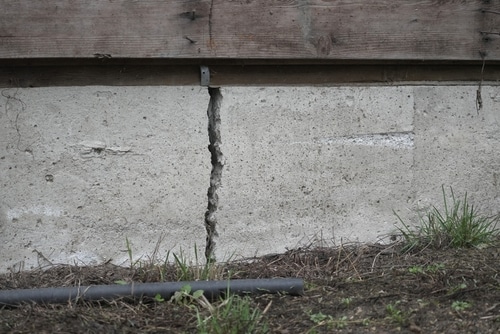
You noticed it while sweeping the driveway or walking barefoot on the pool deck: small chunks of concrete flaking away, leaving a rough, pitted surface behind. Maybe you can see tiny pebbles poking through where smooth concrete used to be.
That flaking and chipping has a name: concrete spalling, and it is one of the most common surface problems on Florida properties.
This guide covers what causes concrete spalling, how to tell shallow surface damage from a deeper structural issue, and which repair method actually fits your situation.
Tell Deep Material Loss From Surface Scaling
That rough patch on your driveway might be losing a thin skin of concrete, or it might be losing whole chunks down to the stone inside. The difference matters more than most homeowners realize when they first spot it.
Homeowners often use “spalling” and “scaling” to describe two very different problems. Knowing which one you have changes the repair, the cost, and how urgently you need to act. Florida’s humidity and sandy soils create surface conditions that make scaling and spalling show up sooner than they would in drier climates.
What Spalling Looks Like on a Florida Property
Spalled concrete looks like small craters, flaking chips, or missing chunks that expose the rock inside the slab. You might see this on a driveway, pool deck, sidewalk, or garage floor.
The surface often feels rough or crumbly underfoot. In more advanced cases, you may notice exposed aggregate, the small stones that make up the concrete mix, sitting visible where a smooth surface used to be.
How Scaling, Pitting, and Delamination Differ
Surface scaling peels away in thin flakes, usually less than a quarter inch thick, and rarely exposes rebar. It is common on pool decks that see a lot of sun and moisture.
Spalling concrete goes deeper, breaking away in larger pieces and sometimes reaching the reinforcing steel inside. Delamination is a related issue where a layer of concrete separates from the layer below it but has not yet broken off, often detected by a hollow sound when tapped.
Clues That Damage Runs Below the Surface
Watch for these signs that point to deeper trouble:
- Rust-colored stains bleeding through cracks
- A hollow sound when you tap the surface with a hammer
- Cracks that widen or spread over a few months
- Chunks breaking away that reveal metal underneath
Any of these clues mean the damage has likely moved past the surface and into the concrete cover, the layer of concrete meant to protect the steel reinforcement inside.
Why Florida Concrete Starts Flaking and Chipping
Standing over a driveway that used to be smooth, you start wondering what actually caused all this chipping. The answer is rarely just one thing.
Four main causes tend to explain spalling concrete in Florida, and each one shows up differently. Coastal saltwater exposure and Florida’s sandy, moisture-retaining soils are two of the biggest reasons spalling here often looks different than in northern states.
Saltwater Air, Storm Surge, and Deicing Salt Exposure
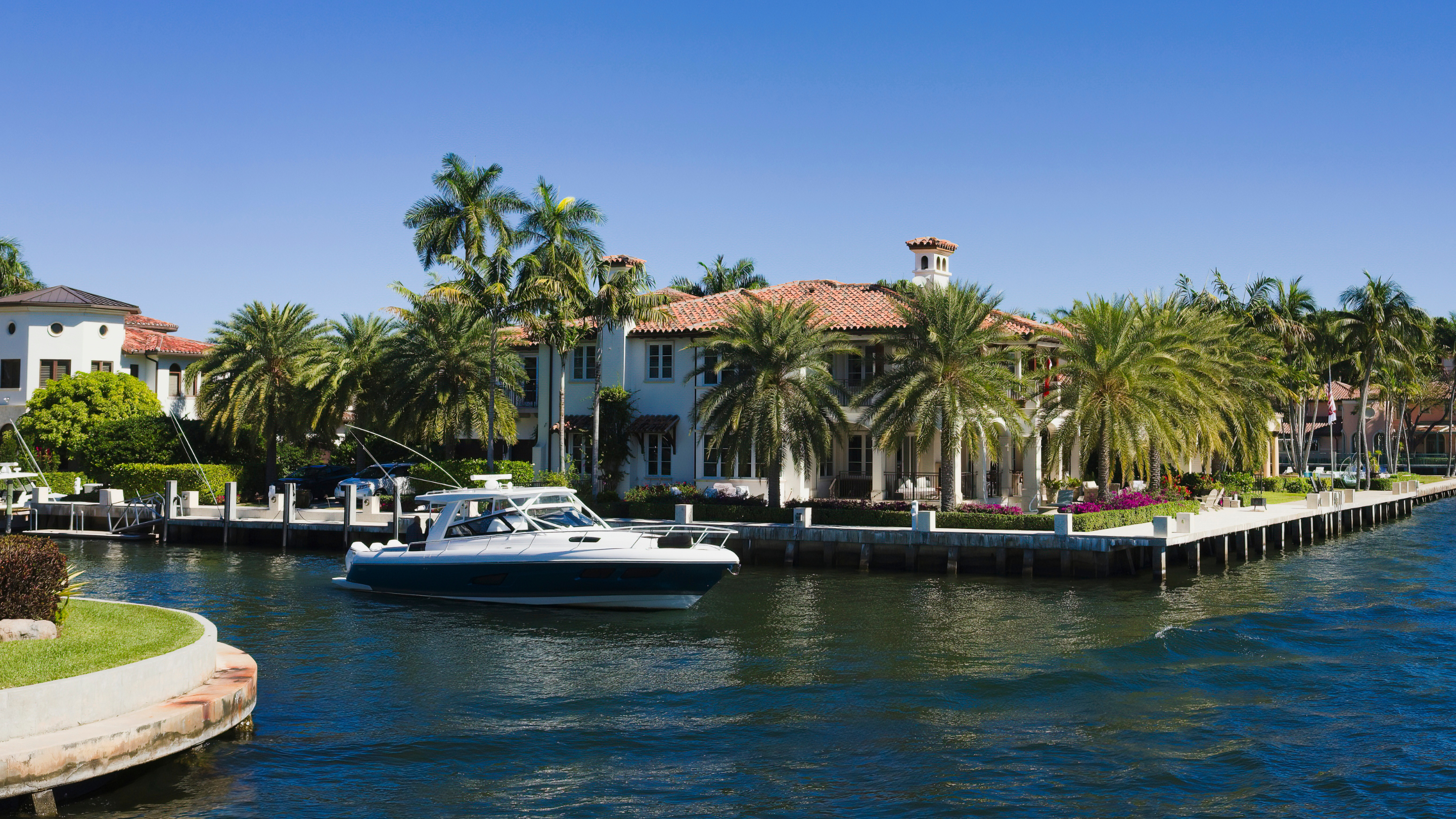
Coastal Florida properties deal with salt in the air every single day. That salt works its way into the concrete slowly and speeds up chemical attack on the material inside.
Deicing salts are less common in Florida since freezing weather is rare, but coastal chloride exposure produces a nearly identical result. Storm surge flooding pushes even more salt-laden water into slabs near the water, accelerating damage after every major storm season.
Moisture, Heat, and Water Penetration
Florida’s heat and humidity create a daily cycle of expansion and contraction that stresses concrete surfaces. Water penetration into small cracks, combined with intense heat, weakens the top layer over time.
Unlike states with freeze-thaw cycles, Florida rarely sees ice-expansion damage. Instead, repeated wetting, drying, and heat cycling wears down surfaces in a similar but slower pattern.
Weak Mixes, Poor Finishing, and Inadequate Curing
A poor concrete mix or rushed finishing job sets a slab up to fail early. Contractors who add too much water, over-trowel the surface, or skip proper curing leave behind a weak top layer.
Low-quality concrete without adequate air entrainment, tiny air bubbles built into the mix for durability, struggles to hold up against Florida’s punishing summer sun and daily moisture swings.
Rebar Corrosion Beneath the Slab
Rebar corrosion is one of the most serious causes of spalling. When steel reinforcement rusts, it expands, pushing outward and cracking the concrete around it from the inside.
Rust stains on the surface are often the first visible clue. Research from the Federal Highway Administration shows that once chloride levels in concrete cross a fairly low threshold, corrosion of the embedded steel begins and tends to accelerate fastest in coastal soils with high chloride content, exactly the conditions common along Florida’s shoreline.
Know When the Damage Needs Professional Assessment
You have identified the chips and flaking, but now comes the harder question: does this need a professional, or can it wait? That uncertainty is where most homeowners get stuck.
Knowing what separates a cosmetic patch job from a structural concern saves time and money. Florida’s sinkhole-prone regions and shifting sandy soils make settlement-related spalling more common here than almost anywhere else in the country.
Cosmetic Patches Versus Structural Spalling
Shallow, surface-level chipping that stays confined to a small area is usually cosmetic. Structural spalling involves deep material loss, often reaching rebar, and tends to spread if left alone.
Warning Signs of Exposed Steel and Active Corrosion
Exposed rebar clearly signals that spalling has moved beyond cosmetic damage. Actively corroding reinforcement, marked by ongoing rust stains and expanding cracks, means the damage will likely worsen without intervention.
Sinking Slabs, Soil Voids, and Drainage Problems
Spalling paired with a sinking or tilting slab often points to soil movement underneath, not just surface wear. Florida’s sandy soils erode easily with poor drainage, creating voids that let concrete settle unevenly.
When a Pool Deck, Driveway, or Foundation Cannot Wait
Spalling near a home’s foundation, or on a structural element like a garage support column, deserves prompt attention. Waiting allows water penetration and corrosion to keep working, often quietly, beneath a surface that still looks manageable.
Match the Repair Method to the Cause and Depth
Once you know what caused the spalling, the next question is obvious: what actually fixes it? Not every patch job works for every kind of damage.
The right approach matches what’s actually happening under the slab, not just what’s visible on top. A driveway with shallow chipping needs a very different fix than one that’s sinking at one corner.
Prepare and Patch Localized Shallow Damage
Small, shallow spalled areas can often be repaired with a bonding agent and a polymer-modified repair mortar or vinyl concrete patch. This approach works well for isolated chips that have not reached rebar.
Resurface Sound Slabs With Widespread Surface Wear
When surface wear covers a larger area, but the slab itself remains structurally sound, a concrete resurfacer applied as a thin overlay restores a smooth, even finish. Concrete overlays are a common fix for pool decks with widespread scaling.
Lift and Support Settlement-Affected Concrete
If spalling comes with a sinking or uneven slab, surface patching alone won’t solve the real problem. Polyurethane foam injection lifts the slab back into position by filling voids beneath it, addressing the soil issue that caused the settling in the first place.
When Replacement or Structural Repair Makes More Sense
Deep spalling or structural spalling that has compromised large sections of a slab, especially with heavy exposed rebar and corrosion, sometimes requires full replacement. In select structural cases, cathodic protection may stop ongoing corrosion in reinforced concrete.
Protect Repaired Concrete From Further Deterioration
You’ve fixed the chipped section, so now what keeps it from happening again? That question matters just as much as the repair itself.
A repair without a maintenance plan behind it is usually a temporary fix, not a lasting one. Florida’s salt air and seasonal storms make ongoing maintenance more important here than in drier, inland states.
Control Water at Cracks, Joints, and Slab Edges
Sealing cracks and joints keeps water penetration from reaching the concrete’s interior. Left unsealed, even small cracks become entry points for moisture that leads to new spalling over time.
Use Breathable Sealers and Protective Coatings
A penetrating sealer allows moisture vapor to escape while blocking liquid water and salt from soaking in. Protective coatings add another layer of defense against Florida’s daily sun-and-rain cycle.
Specify Durable Concrete for Future Replacement
When pouring new concrete, ask for a mix with proper air entrainment and freeze-thaw resistance, even in Florida, since it improves overall durability against heat cycling and moisture stress.
Schedule Routine Inspections After Storm Seasons
A quick visual check after hurricane season catches small problems before they spread. Look for new cracks, rust stains, or areas that feel soft or hollow.
Frequently Asked Questions
What causes concrete to crack, chip, and break away?
Concrete cracks and chips from a mix of moisture penetration, weak concrete mixes, poor finishing, and corroding rebar inside the slab. In Florida, salt exposure and heat cycling speed up all of these causes compared to other states.
Is damaged concrete dangerous for my home or business?
Shallow surface damage is usually cosmetic, not a safety risk. Deep spalling with exposed rebar or a sinking slab can signal a structural problem that deserves a professional look sooner rather than later.
How can I tell the difference between surface scaling and more serious concrete damage?
Scaling peels away in thin flakes and rarely exposes rebar, while deeper spalling breaks off in larger chunks and can reach the steel inside. A hollow sound when tapping the surface usually means the damage runs deeper than it looks.
Can concrete damage be repaired permanently, or will it come back?
A repair that addresses the actual cause, whether that’s corroding steel, poor drainage, or soil movement underneath, can last for years. A patch that only covers the surface without fixing the root cause tends to fail again within a season or two.
How much does professional concrete repair typically cost?
Cost depends heavily on the depth of the damage and whether the slab needs patching, resurfacing, or lifting. A free inspection is the most reliable way to get an accurate number for your specific situation.
Does saltwater, humidity, or storm exposure make concrete damage worse in Florida?
Yes. Salt air accelerates corrosion of steel reinforcement, humidity and heat stress the concrete surface daily, and storm surge pushes even more salt-laden water into slabs near the coast.
Reading the Damage Before It Spreads
Concrete spalling rarely appears overnight, and it rarely fixes itself either. The chips and flaking you’re seeing today tell you something about what’s happening underneath, whether that’s a weak original pour, corroding steel, or soil settling beneath the surface.
The good news is that most spalling, caught early, has a straightforward fix. Waiting only gives water, salt, and corrosion more time to do their work.
If you’re standing over a driveway, pool deck, or foundation wall wondering whether it’s time to call someone, that instinct is usually right. Call Helicon today and talk to a Florida foundation specialist who has seen this problem before.