by Jay Silver | Sep 22, 2026 | Soil Stabilization, Concrete Lifting, Foundation Repair
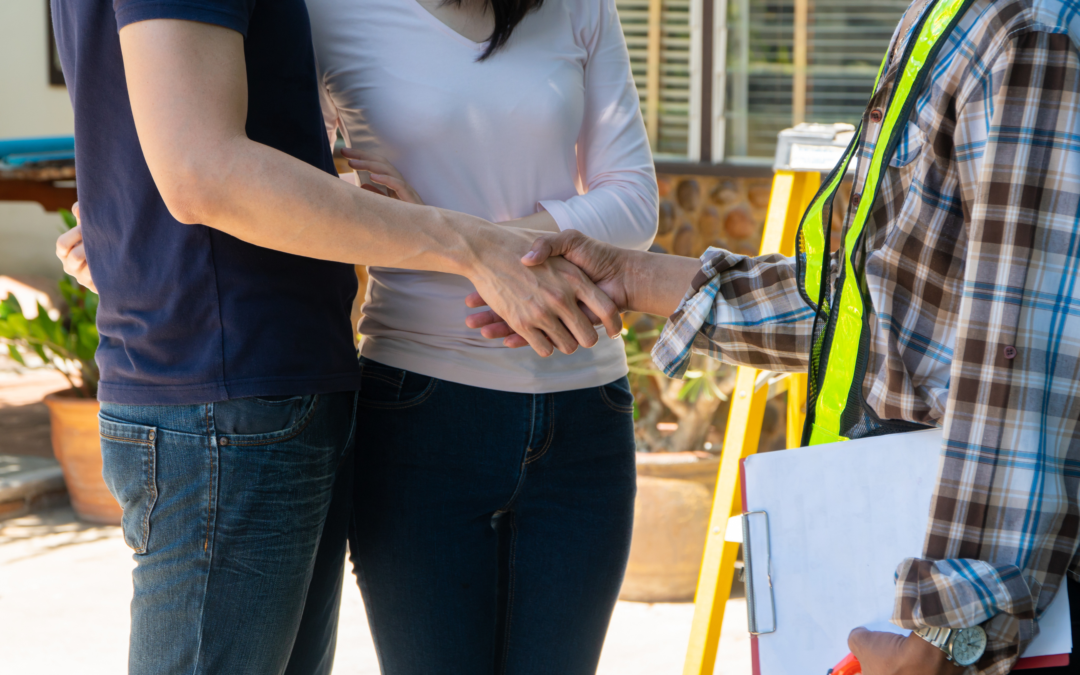
Direct Answer Sometimes a foundation contractor may recommend more repair than your home actually needs. That does not automatically mean the contractor is dishonest. Different recommendations can result from: Different interpretations of the...
by Jay Silver | Sep 15, 2026 | Soil Stabilization
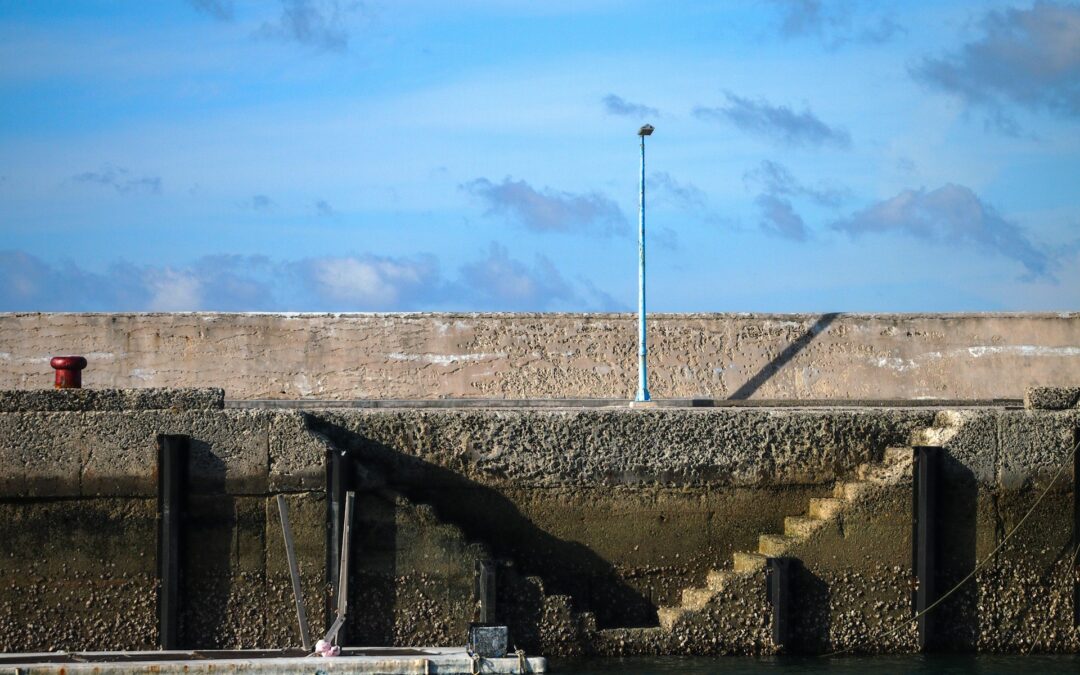
You noticed the crack in the seawall cap last month, and it has not gotten smaller. Maybe the yard near the water dips a little more than it used to, or a neighbor mentioned their own wall needed work last year. Now you are wondering if this is a repair cost you can...
by Jay Silver | Sep 9, 2026 | Soil Stabilization
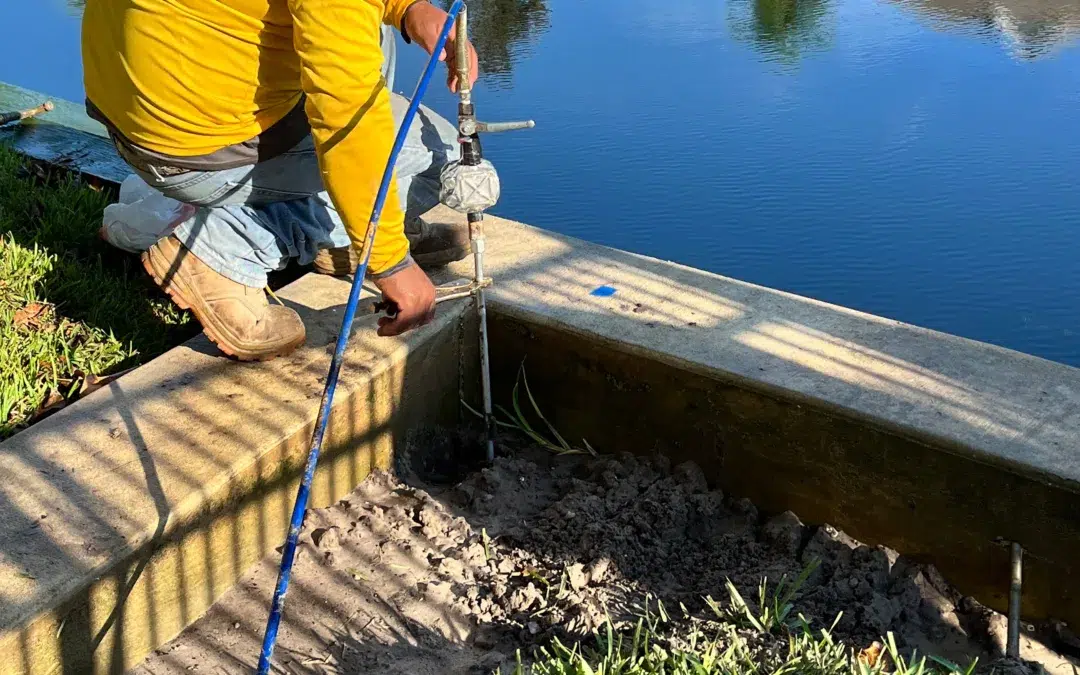
Direct Answer The cost to repair seawall soil erosion in Florida often ranges from $5,000 to $15,000 for smaller seawall soil stabilization projects and $15,000 to $40,000 for larger seawall stabilization or void filling projects. The actual cost depends on the...
by Jay Silver | Sep 4, 2026 | Soil Stabilization
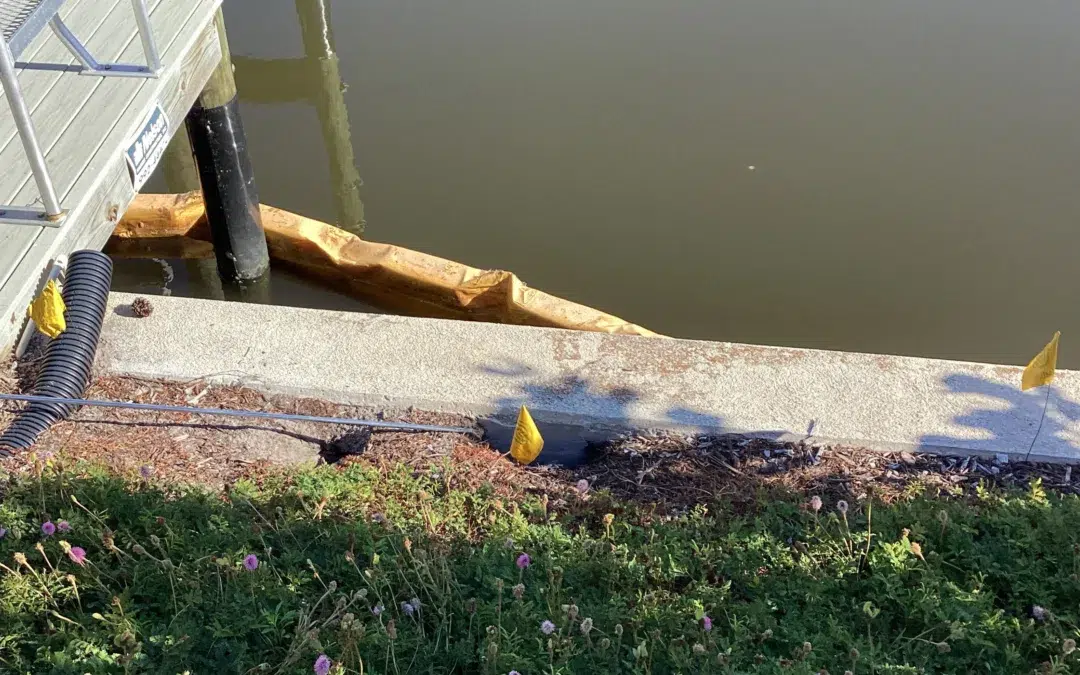
Direct Answer Seawall repair may be possible when the wall is still serviceable but the soil behind it is being lost, voids are forming, pressure relief is not working, or erosion pathways need to be reduced. Seawall replacement may be needed when the wall has...
by Jay Silver | Sep 3, 2026 | Soil Stabilization
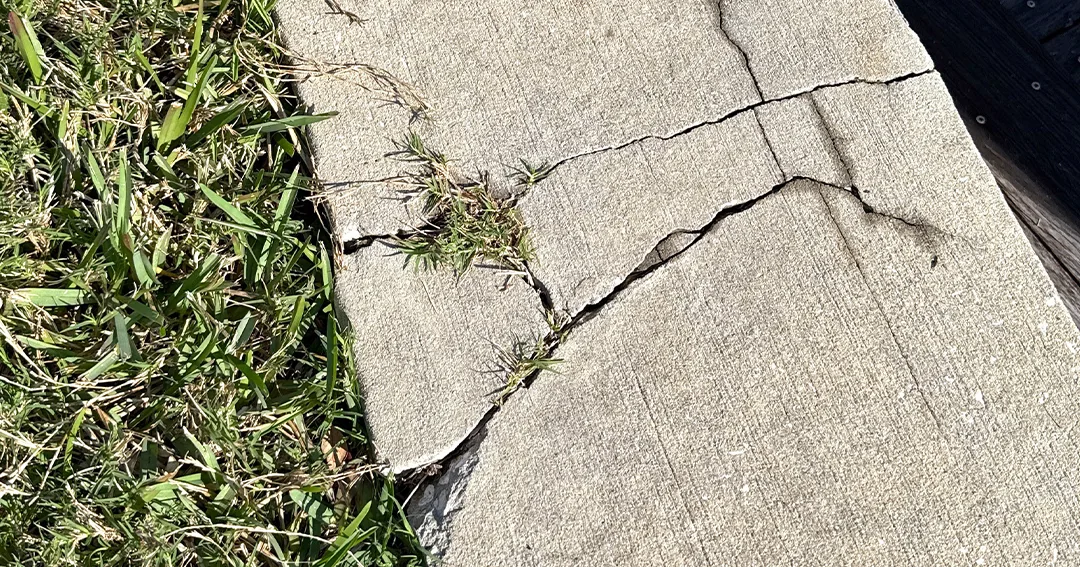
Direct Answer A cracked seawall cap may be caused by normal concrete aging, shrinkage, settlement, soil loss behind the wall, water pressure, wall movement, corrosion, tieback or anchor stress, or structural deterioration. Some small, stable cracks may be...
by Jay Silver | Sep 2, 2026 | Soil Stabilization
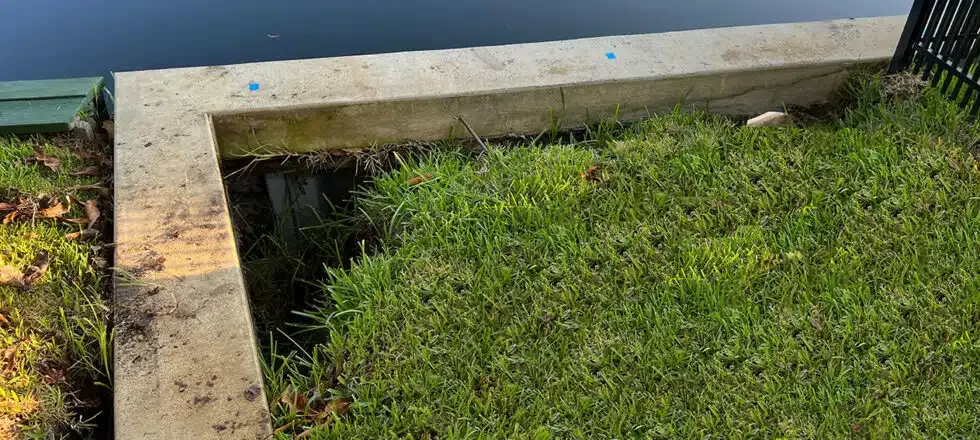
Direct Answer Voids behind seawalls happen when soil is lost from behind the wall and empty space forms below the surface. In Florida, this usually occurs when water carries soil through seawall joints, cracks, panel gaps, failed filter fabric, failed black...