by Jay Silver | Sep 1, 2026 | Soil Stabilization
Direct Answer Soil loss behind seawalls is usually caused by backfill escaping through open joints, cracks, panel gaps, failed filter fabric, failed black filter fabric, clogged or missing drains, failed weep holes, poor pressure relief, storm surge, wave...
by Jay Silver | Aug 31, 2026 | Soil Stabilization
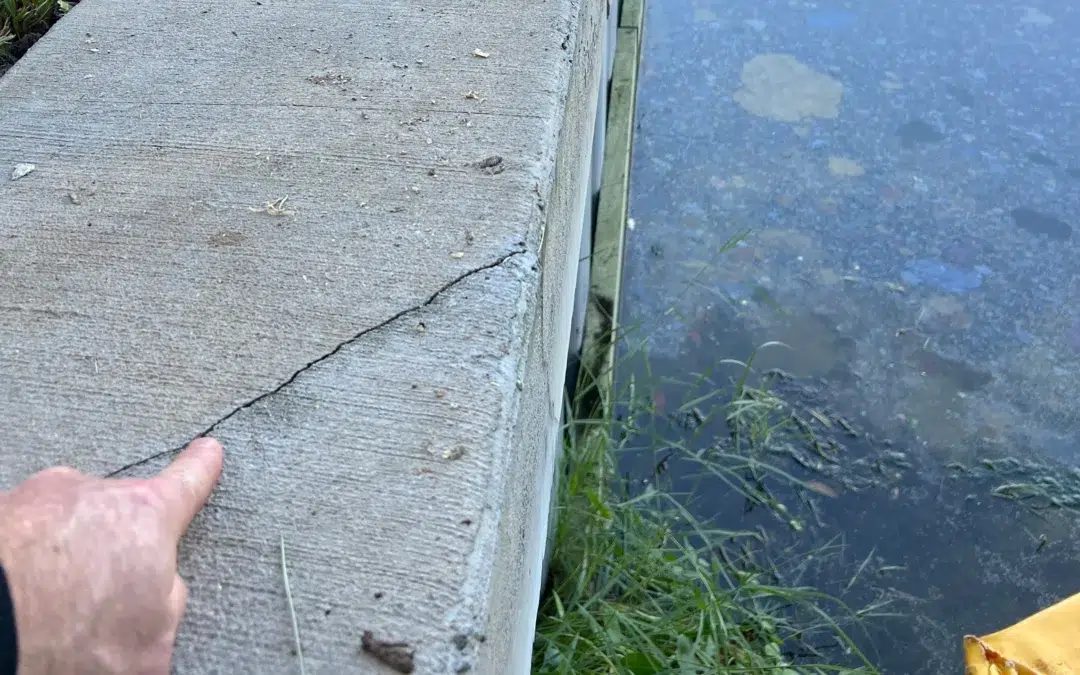
Direct Answer Signs your seawall may be failing include voids, depressions, or soft spots behind the wall, soil loss near the seawall cap, sinking pavers or concrete, cracks in the seawall cap, leaning or bowing panels, gaps at panel joints, rust stains, water...
by Jay Silver | Aug 29, 2026 | Soil Stabilization
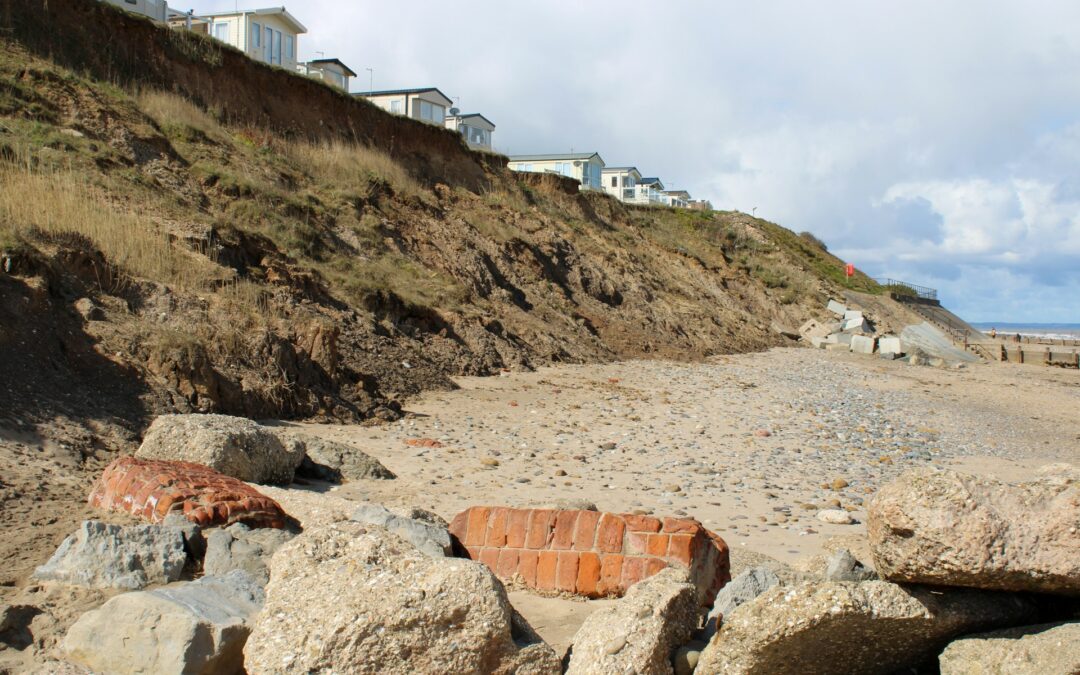
You walk your seawall and notice a hairline crack running along the concrete, or the ground behind it feels softer than it did last year. Maybe there’s a small dip forming near the edge of your yard, close enough to the water that it makes you pause. That soft...
by Jay Silver | Aug 25, 2026 | Soil Stabilization
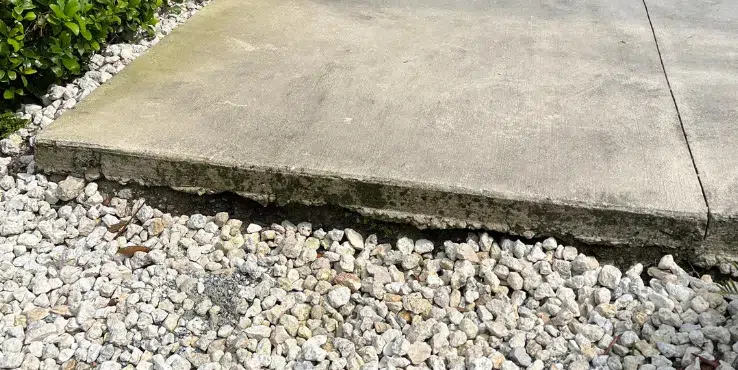
Direct Answer Voids under concrete slabs form when the soil beneath the concrete washes out, settles, erodes, shrinks, decays, or was not compacted properly before the slab was poured. In Florida, the most common cause is water movement. Heavy rainfall, poor...
by Jay Silver | Aug 21, 2026 | Soil Stabilization
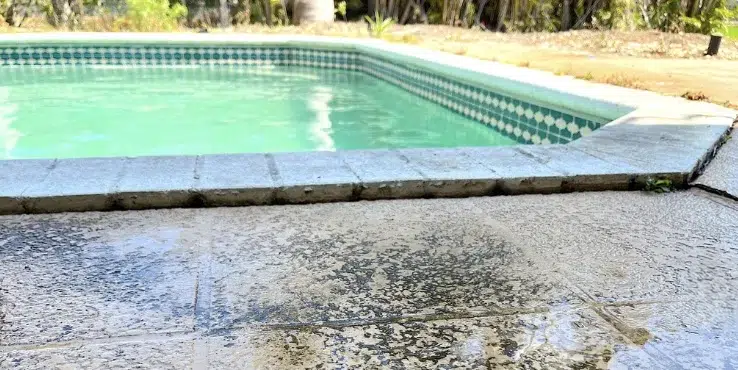
A pool deck may sink near the coping when the soil beneath the deck becomes loose, weak, washed out, poorly compacted, or unsupported. In Florida, common causes include poor soil compaction, drainage problems, water washing under the deck, leaking pool plumbing,...
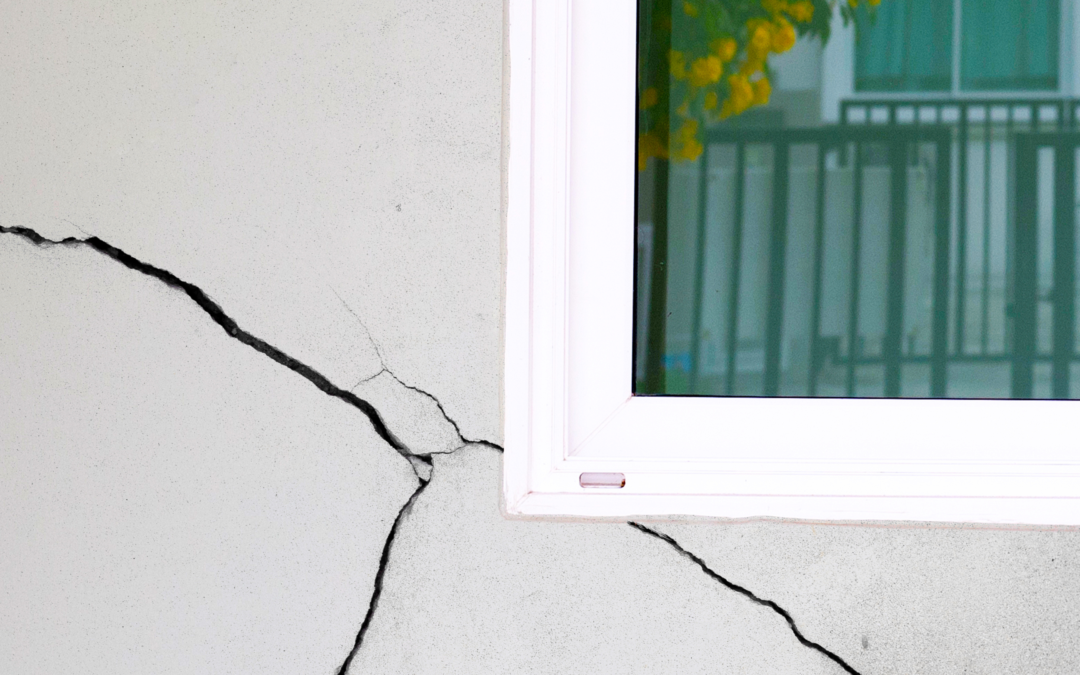
by Jay Silver | Aug 11, 2026 | Soil Stabilization, Foundation Repair
Direct Answer Stucco cracks are often cosmetic and may be caused by normal expansion, contraction, weather exposure, or improper stucco application. Structural cracks are more concerning because they may indicate foundation settlement, soil movement,...