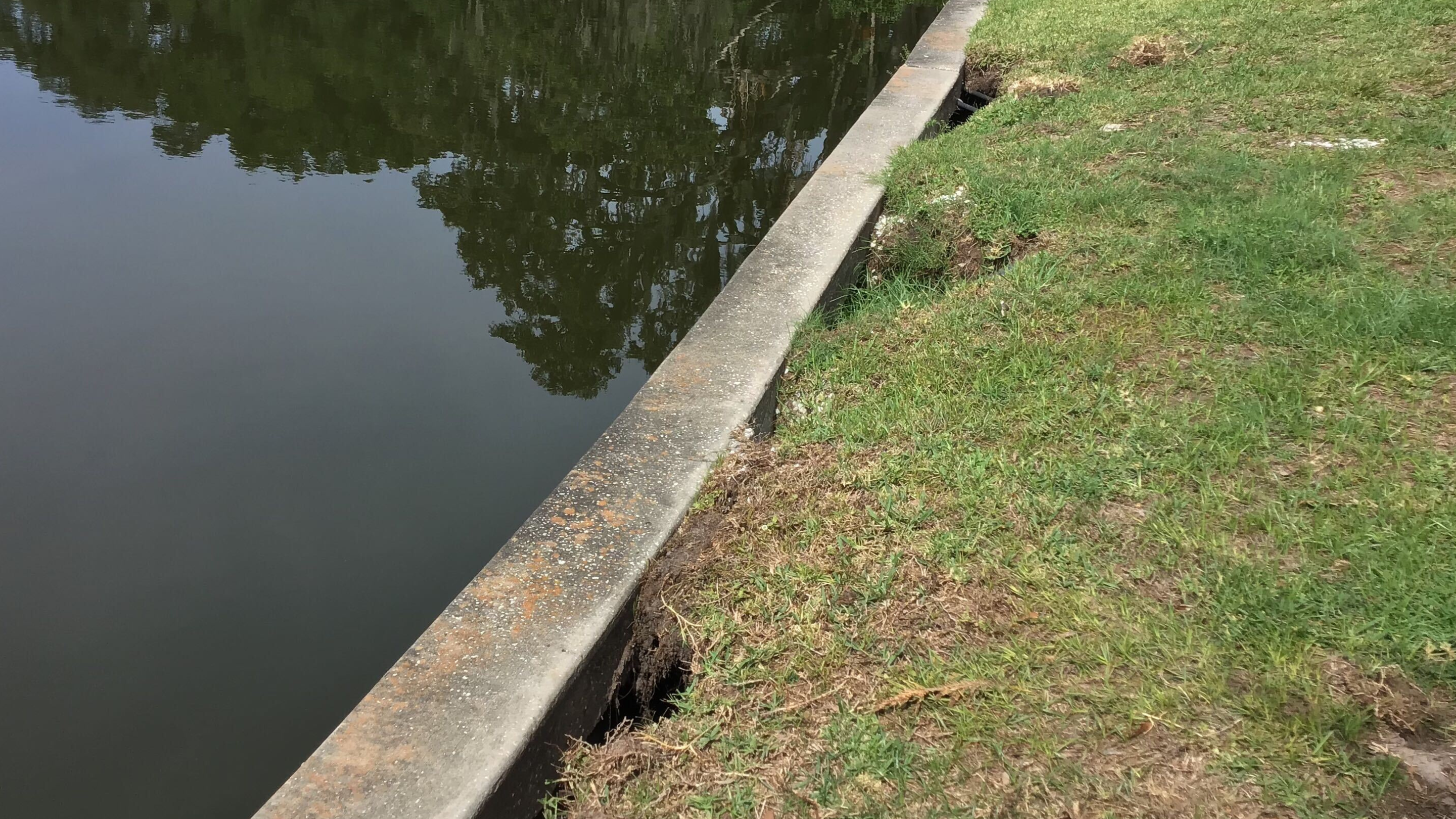
You noticed the crack in the seawall cap last month, and it has not gotten smaller. Maybe the yard near the water dips a little more than it used to, or a neighbor mentioned their own wall needed work last year. Now you are wondering if this is a repair cost you can handle quietly, or something that will show up the moment you try to sell, refinance, or renew your insurance.
Florida’s sandy fill soils, tidal swings, and storm season put real stress on shoreline structures, and that stress doesn’t stay private once a transaction is on the table. Across thousands of Florida waterfront properties, the seawall deterioration question comes up constantly, whether the owner is planning to list a canal-front home or just wants to protect what they already own. The goal here is a clear, engineer-backed picture of where you stand, not a guess.
How Does a Damaged Seawall Affect a Home’s Value?
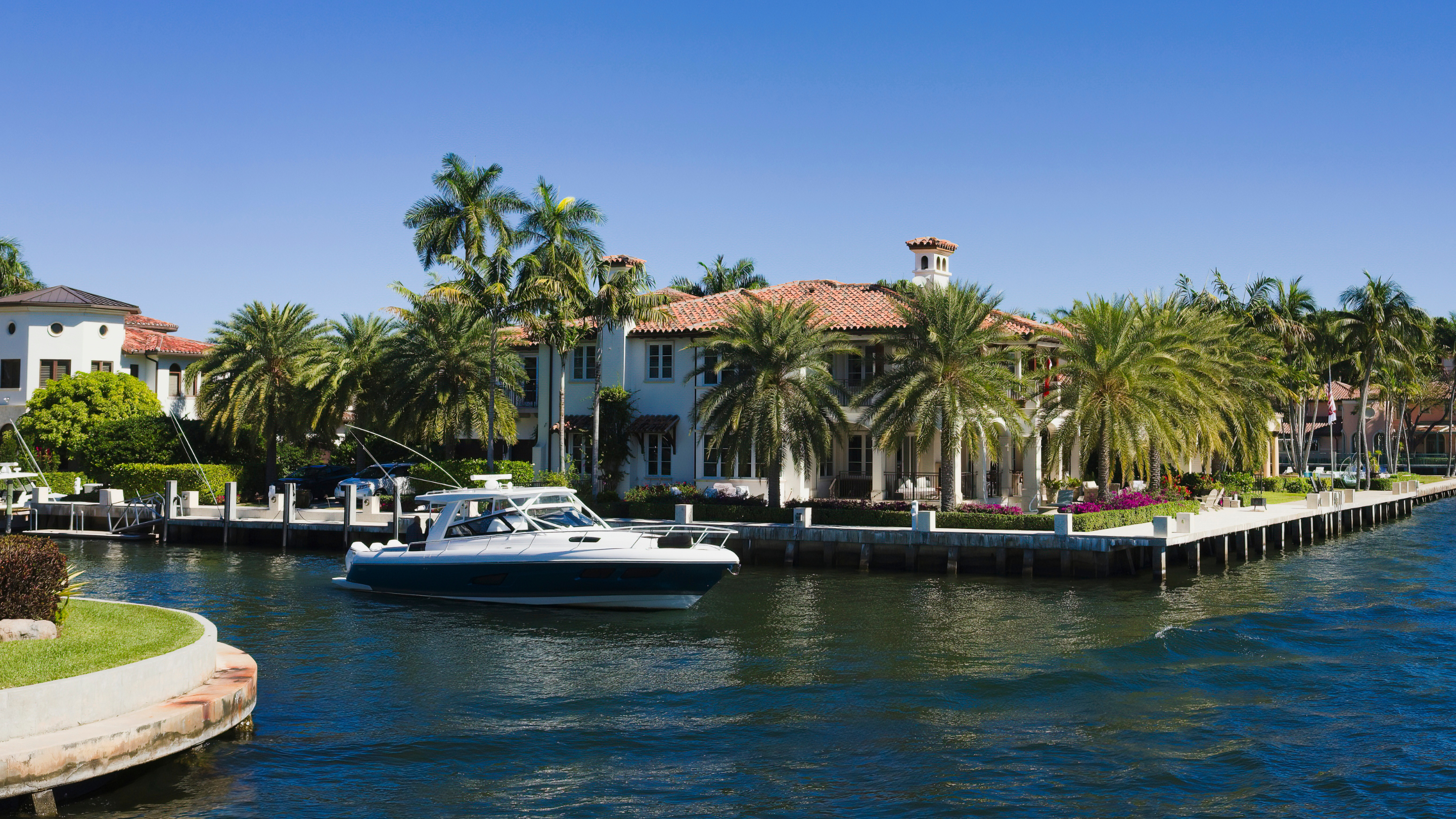
A failing seawall changes how buyers, lenders, and insurers see a waterfront property, because the wall protects everything built near the water’s edge. It is not treated like a cosmetic flaw. It is treated as waterfront infrastructure that either works or doesn’t.
Waterfront property value is tied closely to confidence in the shoreline. A canal-front home with a straight, permitted, well-documented seawall tells a buyer the land itself is stable. A leaning or cracked wall raises the opposite question: what else has been neglected, and what will it cost to fix?
Why Buyers Look Beyond the Cost of the Wall
Buyers rarely stop at the repair estimate alone. A visibly damaged seawall makes them wonder about drainage, soil loss, and whether the yard or pool deck sitting near it has already started to shift. Seawall failure in one section often signals a pattern rather than an isolated problem, especially on older canal systems where walls were built around the same era.
That uncertainty shows up in how buyers approach negotiations, not just in the sale price. A buyer facing a questionable wall may ask for extra time, extra inspections, or extra contingencies before committing.
How Shoreline Damage Can Affect the Yard, Dock, and Other Improvements
Seawall protection extends past the wall itself. Once soil erodes behind a compromised wall, the ground supporting your dock, pool cage, or patio can lose its footing too.
Common downstream effects include:
- Settling or cracking pool decks near the shoreline edge
- Uneven pavers or walkways running parallel to the wall
- Dock pilings that shift because the surrounding soil has thinned
- Drainage pipes that no longer sit at their original grade
Once a buyer sees one of these signs, they usually start asking what else the seawall’s condition has quietly affected. That question leads directly into what an inspection is built to answer.
What Can a Seawall Inspection Establish?
A seawall inspection tells you the wall’s current structural condition, from the cap down to the waterline, and flags what a general home inspection cannot see. It gives you facts, not assumptions, before a sale, refinance, or insurance renewal.
A marine-qualified inspector or structural engineer checks the cap for cracking or separation, the wall face for spalling and displacement, and the tieback system anchoring the wall to the soil behind it.
They also check drainage and weep holes, since blocked drainage raises hydrostatic pressure against the wall during Florida’s heavy tropical storm rainfall. A thorough visit typically covers the visible above-water structure and often takes a few hours on site.
What a General Home Inspection May Miss
A standard home inspection is not scoped to marine structures, and most inspection agreements say so directly. That means cracks in a pool deck might get noted, but the cause behind the wall, whether it is soil loss, a failed tieback, or a joint letting water through, often goes unexamined.
Below-waterline conditions are especially easy to miss. Most of a seawall’s structural load sits underwater, so a dock-side walkthrough alone tells you little about the toe of the wall or hidden corrosion on steel components.
When to Request a Structural Seawall Inspection
Request a dedicated inspection any time the wall is older than 20 years, shows visible cracking or leaning, or sits behind a home you plan to list, refinance, or insure. An engineer-sealed report carries more weight than a contractor’s walkthrough because it documents each component’s condition with a professional’s license behind it.
If you want a closer look at how often that inspection should happen and what triggers an earlier check, this guide to seawall inspection frequency walks through the cadence. Once you have that report in hand, the next question is how it plays out during an actual sale.
What Can Complicate a Sale or Refinance?
A documented seawall problem can slow down closing, trigger a lender review, or reset the negotiation entirely. The complications tend to fall into three categories: disclosure, financing, and permitting.
Known Defects, Florida Disclosures, and Buyer Negotiations
Florida law treats known structural issues, including seawall deterioration, as material facts that must be disclosed to a buyer. Skipping that disclosure creates legal exposure well beyond the repair itself.
Once disclosed, buyers commonly negotiate the seawall’s condition into the deal, often by requesting a price reduction or a repair credit based on contractor estimates. In counties like Broward and Palm Beach, where seawalls line thousands of canal-front lots, agents and buyers treat this as a standard line item in negotiations rather than a rare surprise.
How Appraisers, Lenders, and Insurers May Respond
Appraisers and lenders can factor visible seawall damage into their review of a waterfront property, particularly if the damage looks severe enough to affect safety or long-term value. A severely deteriorated wall can lower an appraised value or prompt a lender to request further documentation before approving financing.
Insurers approach it similarly. Some carriers request current structural documentation on older seawalls before writing or renewing a policy, especially after a named storm has moved through the area.
Why Permits and Local Elevation Rules Matter
Unpermitted seawall repairs become the buyer’s problem the moment the sale closes, which is why permit history matters as much as visible condition. Some Florida jurisdictions, including Broward County, have adopted minimum tidal flood barrier elevation standards tied to sea-level projections, and a wall built before those standards existed may not meet today’s requirements if it needs substantial repair.
That gap between what exists and what current code requires is exactly the kind of detail a buyer’s attorney or lender will ask about. It also shapes the next decision every owner eventually faces: fix the wall now, or let the buyer price it in later.
Should You Repair the Wall Before Listing?
Repairing before listing usually gives you more control over price and timeline than waiting for a buyer’s inspector to find the problem first. The right call depends on the scope of damage and how it compares to full replacement.
Compare the Repair Scope With the Cost of Replacement
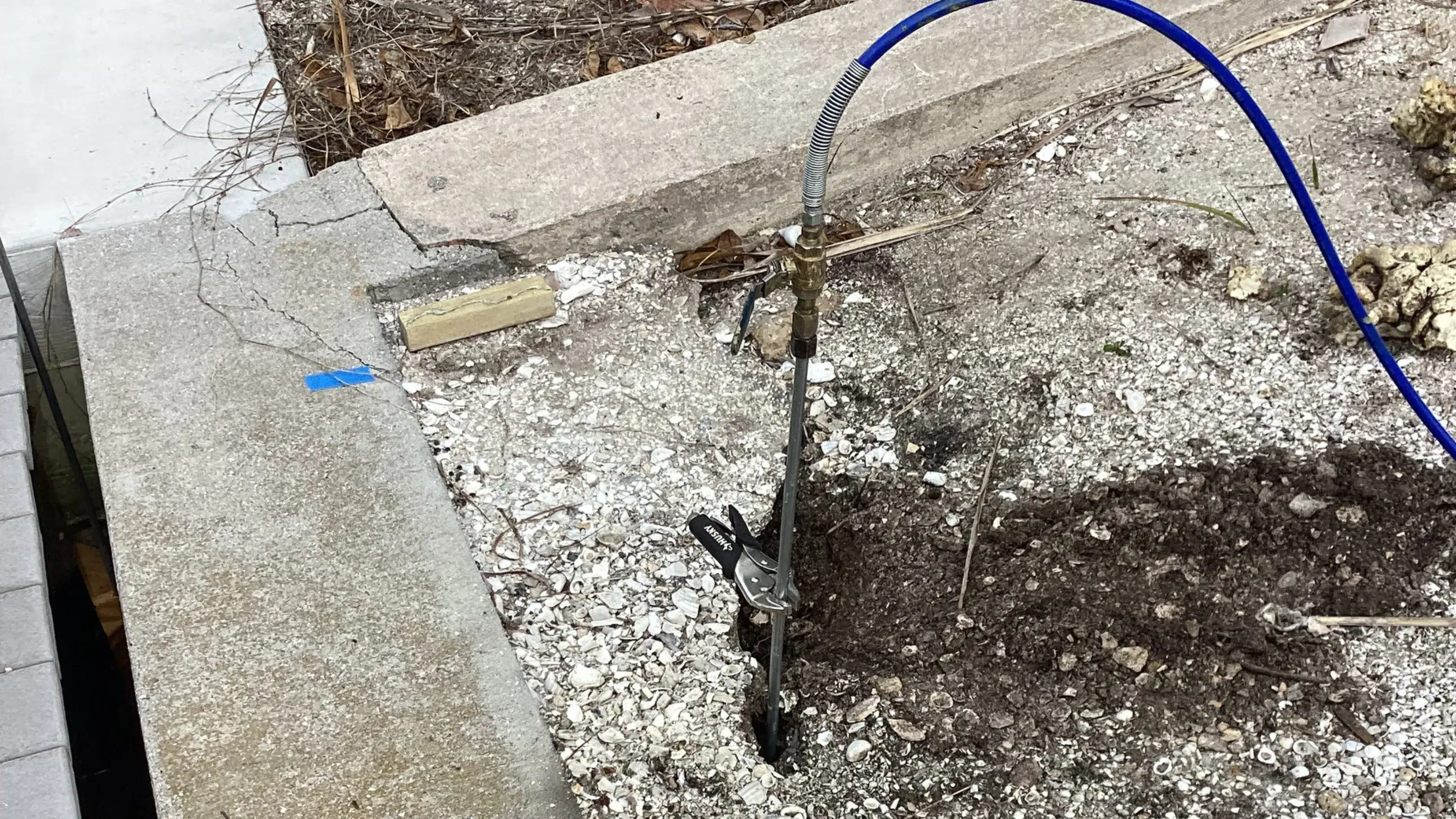
Minor issues like cap cracking, small joint separations, or early soil loss behind the wall are often addressable with targeted repair rather than a full rebuild. Larger problems, such as a leaning wall or failed tieback system, usually point toward replacement instead of patchwork fixes.
Florida’s sandy fill soils complicate this decision, because loose fill erodes faster once a joint fails, turning a small void into a larger one within a single storm season. A qualified marine contractor can tell you whether the remaining structure justifies repair or whether the soil loss behind it has already gone too far, a distinction covered in more detail in this comparison of seawall repair and replacement.
Get a Property-Specific Estimate Before Setting a Price or Credit
Pricing a home around an assumed repair cost is risky, since seawall work varies by material, length, and site access. A property-specific estimate lets you set an accurate listing price or negotiate a fair credit instead of guessing.
If you are unsure what a repair might run before committing to a number, this overview of seawall repair costs is a useful starting point for that conversation with a contractor.
Consider Shoreline Alternatives Only Where the Site and Rules Allow
Living shoreline approaches, which use plantings and natural materials instead of a hard vertical wall, work on some lower-energy waterways but are not appropriate everywhere. Whether that option applies depends on wave exposure, adjacent habitat, and local permitting, not personal preference.
Once you know the repair scope and the estimate, the paperwork behind it becomes just as important as the physical fix.
What Records Help Owners and Buyers Make a Decision?
The right records turn a vague concern about seawall condition into a documented, negotiable fact. Owners who keep permits, inspection reports, and repair invoices organized give buyers and appraisers something concrete to work from.
Gather Inspection Reports, Permits, and Repair Records
Start with the original construction permit, if it exists, along with any permits tied to later repairs. An unpermitted repair on record becomes the new owner’s liability the day the sale closes, so closing that gap before listing protects both sides.
Add any sealed engineering reports, contractor invoices, and warranty paperwork to the file. A seller who can provide this history tells a buyer something concrete about how the property has been maintained.
Use Ongoing Maintenance Records to Track Changes
Photograph the wall and surrounding yard every year, ideally after hurricane season, to build a timeline of change. Small shifts, like a widening crack or a new depression in the lawn, are easier to explain with dated photos than with memory alone.
Keeping this history also makes future seawall maintenance cheaper, since problems get caught while they are still small. Once those records exist, the remaining question is simply whether to act on what they show before a deal is already underway.
Address the Uncertainty Before It Shapes the Deal
Seawall deterioration doesn’t have to derail a sale, a refinance, or your peace of mind, but ignoring it lets someone else control the outcome. A documented, professionally addressed wall is generally viewed with more confidence than one left open-ended.
Waterfront property value depends on more than curb appeal. It depends on whether the ground under the home, the dock, and the yard is stable enough to trust. An honest inspection and a clear repair record turn seawall repair into a manageable line item, not a negotiating weapon.
Knowing your wall’s real condition now gives you options later: price around it, fix it, or use a clean report to support your asking price with confidence.
Frequently Asked Questions
Can I sell a Florida waterfront home with a deteriorating seawall?
Yes, you can sell a home with a deteriorating seawall, but Florida law requires you to disclose known structural defects to buyers. Most buyers will still move forward, often after negotiating a price reduction or repair credit based on contractor estimates.
Will a damaged seawall lower my home’s appraisal?
It can, especially if the damage looks severe enough for the appraiser to flag it as a safety or structural concern. Lenders may request additional documentation or a professional assessment before approving financing on a waterfront property with visible seawall damage.
How much does it cost to replace a seawall in Florida?
Seawall replacement costs vary by material, site access, and permitting requirements, so getting a property-specific estimate from a licensed marine contractor is the most reliable way to know your number. Costs depend heavily on the wall’s length and the extent of soil loss behind it.
How long does a seawall last in Florida?
A well-maintained concrete or vinyl seawall generally lasts several decades in Florida’s saltwater environment, though the exact lifespan depends on maintenance, soil type, and water exposure. Age alone doesn’t confirm condition, since a well-maintained older wall can outperform a neglected newer one.
Should I get a seawall inspection before listing or refinancing?
Yes, a seawall inspection before listing or refinancing gives you documented facts instead of assumptions when buyers, appraisers, or lenders start asking questions. It also gives you time to repair or price around any issues on your own terms, rather than reacting to a buyer’s inspector.
If your seawall shows cracking, leaning, or settling nearby, a free inspection from Helicon will tell you exactly what is happening beneath the surface and what it takes to fix it permanently.