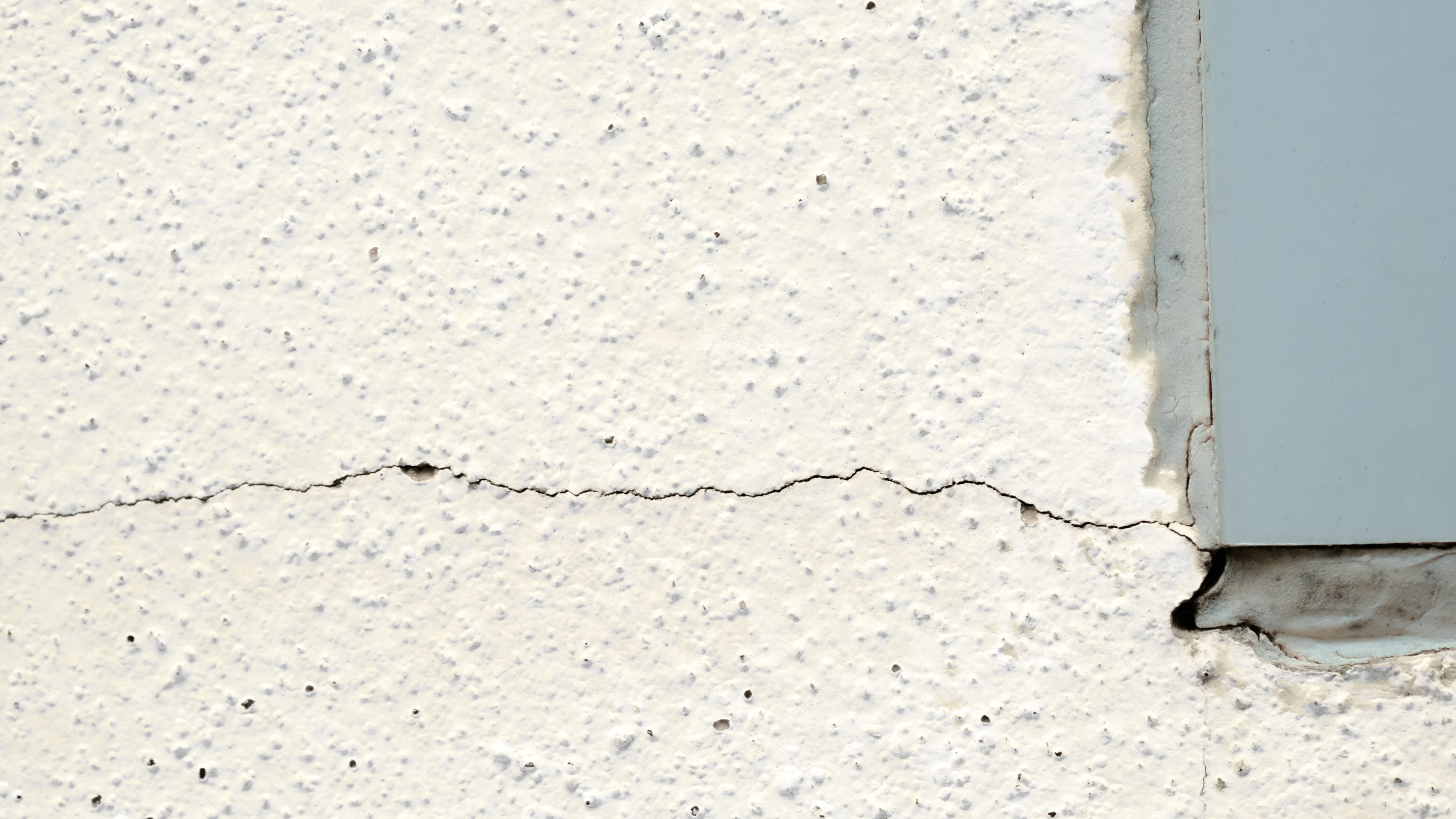
Direct Answer
Foundation repair can protect and stabilize a home, but homeowners should understand what a proposed repair will and will not do before signing a contract.
Important realities include:
- Not every foundation symptom requires repair.
- Qualified contractors can reach different conclusions.
- Companies may naturally favor the repair systems they sell.
- Foundation repair usually prioritizes stabilization, not making a home perfectly level or cosmetically new.
- Piers support the affected foundation areas where they are installed—not every untreated part of the home.
- An unrepaired area can potentially move later without meaning the original repair failed.
- More piers or a larger scope is not automatically better.
- Piers do not automatically correct shallow soils, slab settlement, drainage, erosion, or plumbing problems.
- Interior slabs can settle independently from the structural foundation.
- The exact amount of lifting or recovery cannot always be predicted.
- Existing cosmetic damage may remain after repair.
- A “lifetime” warranty is only as good as its written terms and the company standing behind it.
- A higher quote may represent a different diagnosis or scope—not simply a higher price.
- Sometimes monitoring, another repair, or no foundation repair is the right recommendation.
That does not make foundation repair unreliable.
It means homeowners should understand the objective, scope, and limitations of the repair.
A good foundation repair proposal should explain not only what the contractor plans to do, but also the limitations of the repair.
Read more: Foundation Problems in Florida: The Complete Homeowner Guide
First, What Do We Mean by “What Companies Won’t Tell You”?
Most reputable foundation contractors are not intentionally hiding information.
But foundation repair can involve technical details and tradeoffs that do not always fit neatly into a short sales presentation.
Homeowners should understand questions such as:
- What happens to areas that are not repaired?
- What if the floor does not become perfectly level?
- What exactly does the warranty cover?
- Could another part of the home move later?
- Does installing piers correct every soil problem?
- What happens to existing cracks?
- Could monitoring be reasonable instead of immediate repair?
Those are not reasons to avoid foundation repair.
They are reasons to understand the proposal before approving it.
What Homeowners Often Assume vs. What Foundation Repair Actually Means
| Homeowner Assumption | What Is More Accurate |
| Every foundation crack needs repair | Cracks have multiple possible causes |
| Contractors should all reach the same conclusion | Foundation evaluations involve evidence and professional judgment |
| The repair will make the house perfectly level | Stabilization is often the primary objective |
| Piers stabilize the entire home | They support the affected areas included in the repair |
| More piers mean a better repair | Quantity should follow the affected area and repair design |
| A lifetime warranty covers any future problem | Coverage depends on the written warranty |
| The home can never move again after repair | Other areas or conditions may develop later |
| Foundation repair fixes drywall and stucco cracks | Cosmetic restoration is often separate |
| Piers solve every soil problem | Slab, shallow-soil, water, and deeper-support problems can require different solutions |
| The most expensive quote must be best | Diagnosis and scope should be compared first |
| The least invasive repair is always best | It still has to properly address the movement |
| Every foundation concern needs immediate work | Monitoring or another solution may sometimes be appropriate |
1. Not Every Foundation Symptom Needs Foundation Repair
Foundation companies perform foundation work, but not every symptom should result in a foundation repair.
A small stable drywall crack, one sticking door, an isolated gap, settled exterior concrete, or an interior slab problem does not automatically mean the structural foundation needs piers.
An evaluation should determine:
- What is actually moving?
- Is the structural foundation involved?
- Does movement appear active?
- Do the symptoms form a meaningful pattern?
- Could the condition involve a slab, shallow soils, water, or another cause?
Sometimes repair is warranted.
Sometimes monitoring is appropriate.
And sometimes foundation repair is not supported by the evidence.
Read more: When You Do NOT Need Foundation Repair
2. Foundation Evaluations Involve Professional Judgment
Three contractors can inspect the same property and reach different conclusions.
They may interpret crack patterns, floor elevations, doors, windows, exterior settlement, drainage, soils, and historical damage differently.
One may believe movement is active.
Another may believe it is old and stable.
They may also disagree about where the affected area begins or ends.
Professional disagreement does not automatically mean dishonesty.
What matters is whether the recommendation can be explained.
The concern is not uncertainty. The concern is unexplained certainty.
Read more: What Questions Should I Ask a Foundation Contractor?
3. Contractors Tend to Recommend the Systems They Know and Sell
Contractors are naturally more familiar with—and more likely to recommend—the repair systems they regularly install.
Specialization itself is not a problem.
The concern is when:
The available product begins determining the diagnosis.
A company offering only one solution naturally has fewer options to recommend.
That does not make its recommendation wrong.
But homeowners should ask:
“When would you not recommend this system?”
The repair method should follow the problem—not the other way around.
Read more: Why Some Contractors Recommend Repairs You May Not Need
4. Foundation Repair Usually Means Stabilization—Not Making the House Perfect
This is one of the biggest expectation gaps in foundation repair.
Homeowners may expect that after repair:
- Floors will become perfectly level
- Every crack will close
- Doors will realign
- Window gaps will disappear
That may not happen.
The primary objective of many repairs is stabilization.
Some structural recovery may be possible, but attempting to force an older structure completely back to its original elevation can sometimes cause additional damage.
Before work begins, ask:
- Is stabilization the primary objective?
- Will lifting be attempted?
- What recovery is realistic?
- What conditions are expected to remain?
A successful repair does not necessarily mean a perfectly level home.
5. Piers Support the Areas Where They Are Installed
Foundation piers provide deeper support to the affected foundation areas connected to the installed system.
They do not automatically underpin every untreated section of the home.
If piers are installed along one corner and part of one wall, another side of the home has not suddenly been given the same deeper support.
That does not mean the repair is incomplete.
A localized repair may be exactly what the condition requires.
Ask:
“Can you show me exactly which areas this repair is designed to support?”
The repair plan should make that clear.
6. Another Part of the Home Could Move Later
An unrepaired portion of the foundation could potentially experience movement in the future.
That does not automatically mean the original repair failed.
There is an important distinction between:
Movement in the Repaired Area
and:
New Movement in an Unrepaired Area
Homeowners should understand where the original repair begins and ends because that can also affect future warranty questions.
7. More Piers Do Not Automatically Mean a Better Repair
If 10 piers are appropriate, 15 are not automatically better.
Pier quantity and spacing should relate to:
- Affected foundation area
- Structural loads
- Foundation configuration
- Pier system
- Repair design
- Engineering requirements when applicable
Too little support can be inadequate.
Unnecessary additional support can increase cost and disruption without improving the repair.
The goal is the appropriate scope, not the largest one.
Read more: Why Is One Foundation Repair Quote Much Higher Than Another?
8. Foundation Piers Do Not Fix Every Soil or Slab Problem
Piers can be highly effective when an affected foundation area needs deeper support.
They do not automatically:
- Fill voids beneath interior slabs
- Lift settled exterior concrete
- Stabilize every area of weak shallow soil
- Correct drainage
- Stop leaks
- Repair deteriorated concrete
A property can have more than one condition at the same time.
For example, a perimeter foundation may need deeper support while an interior slab separately needs void filling or shallow-soil improvement.
Different repair objectives may require different methods.
Read more: How Florida Soil Affects Foundations
9. Interior Floor Settlement Can Be Different From Foundation Settlement
A low interior floor does not always mean the perimeter foundation is settling.
Interior slab movement may involve:
- Poorly compacted fill
- Fill settlement
- Voids
- Water-related support loss
- Plumbing leaks
- Weak shallow soils
while the surrounding foundation remains relatively stable.
Supporting the perimeter does not automatically lift or stabilize an interior slab that is moving independently.
The key question is:
“Which component is actually moving?”
Read more: Interior Slab Settlement: Causes, Signs, and Repair Options
10. Water Problems May Still Need to Be Addressed
Foundation support and water management solve different problems.
Water can contribute to erosion, washout, voids, and loss of shallow soil support.
Possible sources include:
- Roof runoff
- Poor grading
- Irrigation
- Plumbing leaks
- Stormwater
- Concentrated water flow
Installing piers does not stop an active leak or redirect runoff.
Likewise, correcting drainage does not automatically reverse settlement that has already occurred.
Sometimes both conditions need attention.
Read more: Drainage Problems and Foundation Settlement in Florida
11. The Exact Amount of Foundation Lifting Cannot Always Be Predicted
Homeowners often ask:
“How much will you raise my house?”
The exact amount may not be known until the structure responds during the work.
Recovery can depend on:
- How long the structure has been settled
- Construction type
- Structural stiffness
- Existing damage
- Interior finishes
- Plumbing
- Previous repairs
- Amount and pattern of movement
There may be a point where additional lifting creates more risk than benefit.
The contractor should explain whether the objective is stabilization, recovery, or both.
12. Some Cracks and Cosmetic Damage May Remain
Foundation repair does not automatically repair:
- Drywall
- Stucco
- Tile
- Grout
- Paint
- Trim
- Flooring
Some cracks may tighten during lifting.
Others may remain, and cosmetic cracking can sometimes change as the structure responds.
Before work begins, understand:
- What cosmetic work is included?
- What is excluded?
- When should cosmetic repairs be completed?
- Who is responsible for restoration?
Structural stabilization and cosmetic restoration are related—but separate—parts of the project.
13. A “Lifetime Warranty” Does Not Necessarily Mean the Entire Home Is Covered Forever
The word lifetime can sound broader than the actual warranty.
Coverage may depend on:
- Repaired locations
- Covered components
- Transfer requirements
- Exclusions
- Maintenance obligations
- Service procedures
- Future property changes
A warranty covering piers installed in one area should not automatically be interpreted as protection against every future foundation issue anywhere in the home.
And the warranty is only as useful as the company available to honor it.
Ask:
“What exactly is covered, what is excluded, and which areas of the home are included?”
Read more: Foundation Repair Warranty Expectations Guide
14. The Cheapest Quote and the Most Expensive Quote Can Both Be Wrong
Price alone does not tell you whether the proposal is appropriate.
A lower quote may be properly targeted—or incomplete.
A higher quote may address a larger legitimate scope—or include unnecessary work.
Compare:
- Diagnosis
- Affected areas
- Pier locations
- Repair method
- Soil or slab treatment
- Engineering
- Access and restoration
- Warranty
Normalize the scope first. Compare the price second.
Read more: Why Is One Foundation Repair Quote Much Higher Than Another?
15. The Least Invasive Repair Is Not Always the Best Repair
Homeowners understandably want to minimize excavation, concrete removal, landscaping disturbance, and interior access.
But less disruption only matters if the repair still solves the correct problem.
Polyurethane may be appropriate for certain shallow-soil or slab-support conditions.
If deeper foundation support is required, avoiding piers simply because they involve excavation would not properly address the movement.
The goal is:
The least invasive repair that properly addresses the movement.
Read more: Can Foundation Problems Be Fixed Without Tearing Everything Out?
16. Foundation Repair Does Not Make a Home Immune to Future Movement
A properly performed repair can stabilize the areas it is designed to support.
It does not make the property immune to:
- Movement elsewhere
- New leaks
- Drainage changes
- Soil erosion
- Unrelated slab settlement
- Future site or structural changes
That does not diminish the value of the repair.
It simply means the repair has a defined purpose and scope.
17. Sometimes the Best Recommendation Is to Wait and Monitor
When symptoms are minor, stable, or uncertain, deliberate monitoring may provide useful information.
That can include:
- Dated photographs
- Crack or gap measurements
- Door and window observations
- Repeat relative floor elevations when appropriate
- Drainage correction
- A follow-up evaluation
Monitoring is a decision—not the same as doing nothing.
The homeowner should know what changes would trigger another evaluation.
Read more: Can I Wait to Fix Foundation Issues or Will It Get Worse?
18. Sometimes the Best Recommendation Is No Foundation Repair
A homeowner may have:
- Cosmetic cracking
- An isolated slab problem
- A drainage issue
- Old stable damage
- Minor floor variation
- Another condition that does not require underpinning
Foundation repair should be based on evidence that the foundation actually needs repair.
Sometimes the appropriate conclusion is:
“You do not need foundation repair right now.”
That should be considered a valid outcome of a good evaluation.
Checklist: What You Should Understand Before Signing a Foundation Repair Contract
Diagnosis
- What exactly appears to be moving?
- What evidence supports that conclusion?
- Does movement appear active?
- What likely caused it?
Scope
- Which areas are being repaired?
- Which areas are not?
- Can I see the repair locations?
- Why does the scope stop where it does?
Repair Method
- What is the repair designed to accomplish?
- Is the objective stabilization, lifting, soil improvement, or something else?
- Why is this method appropriate?
- What does the repair not address?
Expectations
- How much recovery is realistic?
- Could cracks or cosmetic damage remain?
- What restoration is excluded?
- Could untreated areas move later?
Other Conditions
- Are slabs moving independently?
- Are weak shallow soils involved?
- Is drainage or water contributing?
- Are voids or other support problems present?
Warranty
- What exactly is covered?
- Which areas are covered?
- Is the warranty transferable?
- What exclusions or homeowner responsibilities apply?
- Who will stand behind it later?
Contractor
- Can the recommendation be clearly explained?
- Does the company understand multiple repair approaches?
- Does it have relevant Florida experience?
- Am I being given enough information and time to decide?
A contractor should be comfortable answering those questions.
What Foundation Repair Companies SHOULD Tell You
Before approving a major repair, homeowners should clearly understand five things:
1. What Is Moving?
Foundation, interior slab, exterior concrete, soil—or a combination?
2. Why Is It Moving?
Settlement, poor compaction, weak soils, washout, deeper support loss, water, or another cause?
3. What Does the Repair Actually Do?
Stabilize the foundation? Lift it? Improve soil? Fill voids?
4. What Does the Repair NOT Do?
Which areas or conditions remain outside the scope?
5. What Should You Expect Afterward?
What may happen to elevations, cracks, finishes, untreated areas, and warranty service?
If those questions are answered clearly, homeowners can make a much better decision.
What If Different Contractors Tell You Different Things?
Different recommendations are not unusual.
Do not automatically choose:
- The lowest quote
- The largest repair
- The “no repair” recommendation
- The contractor who sounds most confident
Ask:
- What do you believe is moving?
- What evidence supports that conclusion?
- What do you believe caused it?
- Why does your scope address it?
- What does your repair not address?
- What would change your recommendation?
For complex or high-cost disagreements, another qualified opinion or an independent engineering evaluation may be helpful.
Read more: Do I Need Multiple Quotes for Foundation Repair?
How Helicon Approaches Foundation Repair
Helicon has worked with Florida foundations and soils since 2004.
Our experience includes foundation underpinning, polyurethane soil stabilization, structural void filling, concrete lifting, compaction grouting, sinkhole repair, and deep foundation systems.
That breadth matters because similar-looking symptoms can come from very different conditions.
A property may have:
- A deeper foundation-support problem
- Weak shallow soils
- Interior slab settlement
- Voids
- Water-related erosion
- Multiple conditions at once
- No immediate foundation-repair need
We Want to Understand the Problem Before Choosing the Product
A foundation evaluation may consider:
- Crack patterns
- Doors and windows
- Gaps
- Relative floor elevations using a ZipLevel when appropriate
- Exterior settlement
- Drainage and erosion
- Soil conditions near the foundation
- Other relevant site conditions
The goal is to determine:
- What appears to be moving?
- Why?
- Which areas are affected?
- Is foundation repair needed?
- What repair objective makes sense?
- What are the limitations?
- What is the least invasive repair that properly addresses the movement?
Sometimes that means piers.
Sometimes it means soil stabilization, void filling, or a slab-specific repair.
Sometimes another contributing condition needs attention.
Sometimes monitoring is appropriate.
And sometimes no foundation repair is needed.
A trustworthy foundation recommendation should explain what needs to be repaired, what does not, and why.
Read more: About Helicon
Schedule a Free Foundation Inspection
If you are concerned about cracks, uneven floors, sticking doors, gaps, or other potential foundation symptoms, you do not need to diagnose the condition yourself.
Helicon can evaluate relevant symptoms, floor elevations when appropriate, exterior settlement, soils, drainage, and other site conditions.
If foundation repair is appropriate, we can explain:
- Why
- Which areas need support
- What the repair is designed to accomplish
- What it does not address
- What you should realistically expect
If another solution, monitoring, or no foundation repair makes more sense, homeowners should understand that too.
The goal is not simply to sell a foundation repair. It is to help you understand the problem well enough to make the right decision for your home.
Read more: Foundation Repair
FAQ
What do foundation repair companies not always tell homeowners?
Homeowners may not always hear enough about repair limitations, untreated areas, realistic lifting expectations, cosmetic damage, warranty boundaries, or related slab, soil, and water conditions.
Will foundation repair make my house perfectly level?
Not necessarily. Stabilization is often the primary objective, and the amount of safe recovery varies.
If I install piers, is my entire foundation stabilized?
Not automatically. Piers support the affected foundation areas included in the installed repair.
Can another part of my foundation settle after repair?
Yes, potentially. Movement in an untreated area does not automatically mean the original repaired area failed.
Does foundation repair fix drywall and stucco cracks?
Not automatically. Cosmetic restoration is generally separate from structural stabilization.
Do foundation piers fix weak soil everywhere beneath my home?
No. Piers provide deeper support at the affected foundation areas where installed. Other soil or slab conditions may require different repairs.
Can a contractor guarantee how much my house will lift?
The exact amount of recovery cannot always be predicted. Structural response and risk help determine how far lifting should proceed.
Does a lifetime foundation warranty cover the entire home?
Not necessarily. Coverage depends on the written terms, repaired locations, exclusions, transfer requirements, and other conditions.
Are more foundation piers better?
Not automatically. Quantity and spacing should follow the affected area, structure, repair system, and engineering requirements when applicable.
Should I choose the least invasive repair?
Choose the least invasive repair that properly addresses the movement.
Can a foundation company tell me I do not need repair?
Yes. A responsible evaluation may conclude that monitoring, another type of repair, or no immediate foundation repair is appropriate.
Why do foundation companies give different recommendations?
They may interpret the evidence differently, define the affected area differently, prefer different repair systems, or have different technical experience.
What should I ask before signing a foundation repair contract?
Ask what is moving, why, which areas are included, what the repair will accomplish, what it will not address, what recovery is realistic, and exactly what the warranty covers.