A sinking garage floor can be frustrating when cracks, uneven concrete, or low spots start appearing around your home. In many cases, garage floor sinking repair solutions can stabilize the slab, improve safety, and help you avoid more extensive structural repairs later.
At Helicon, homeowners across Florida often deal with shifting soil, heavy rainfall, and moisture changes that affect concrete slabs over time. A clear inspection and practical repair plan can help you understand what caused the movement and which repair method makes the most sense for your property.
This guide explains the common causes of garage floor settlement, the warning signs to watch for, and the repair options available to ensure long-term stability. You’ll also learn how drainage, soil conditions, and foundation movement can influence the best path forward.
How To Identify The Type Of Garage Floor Settlement
Not all sinking garage floors behave the same way. A slab that drops in the center, tilts toward one wall, or develops hairline fractures can indicate different underlying causes and require different repair methods.
Signs The Slab Is Sinking In The Center
When a garage floor sinks in the middle, a void often forms beneath the slab. Soil erosion or soil compaction creates empty pockets below the concrete, and the unsupported center begins to settle while the edges remain stable.
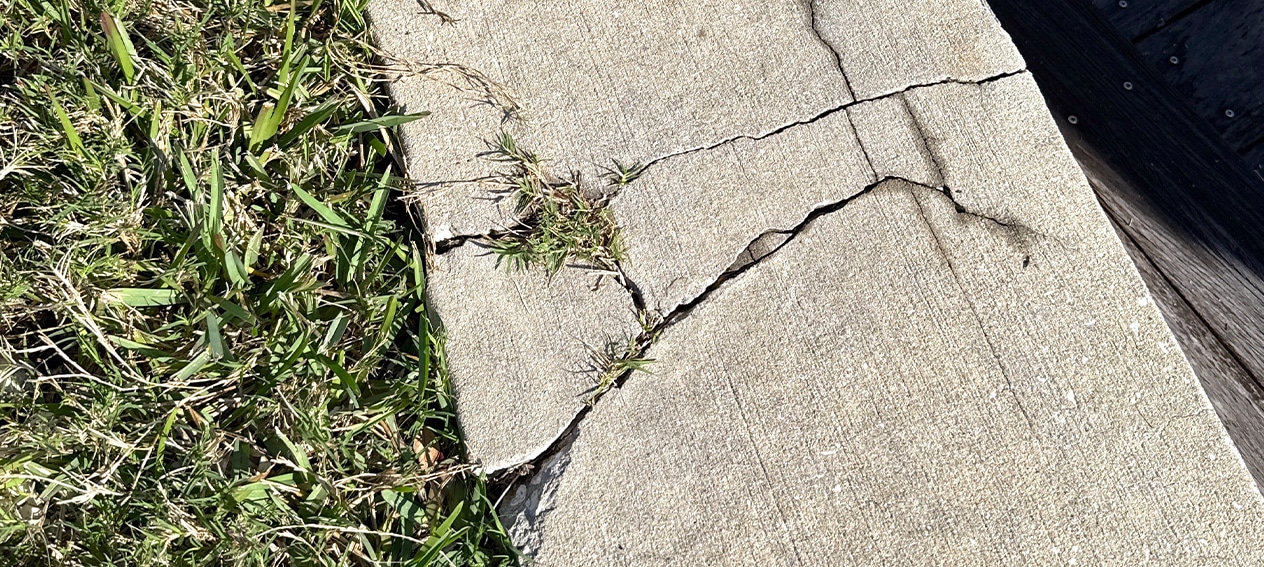
You may notice one or two long cracks running across the slab, usually in parallel lines. Some homeowners also notice a hollow or slightly springy feeling underfoot, along with water pooling in low areas after rain.
This is one of the most common forms of garage floor sinking. In many cases, slabjacking or polyurethane foam lifting provides an effective repair solution.
Signs One Side Or The Perimeter Is Moving
If the garage floor slopes toward one wall or the front edge near the garage door drops, the garage foundation may also be shifting. This type of movement often appears alongside cracking in foundation walls or stair-step cracks in exterior masonry.
You may also notice gaps between the slab and the wall or a garage door that suddenly sticks or fails to close properly. These signs usually indicate that part of the structure is settling, not just the interior slab.
This type of settlement often requires more than just slab lifting. Foundation stabilization methods, such as helical piers or underpinning, may help prevent further movement.
Common Warning Signs Homeowners Notice First
Most homeowners notice signs of a sinking garage floor before they understand the cause. Common early warning signs include:
- Visible cracks across the floor that continue widening over time
- One section of the slab sitting noticeably higher or lower than another
- Water collecting in areas that previously stayed dry
- A hollow or rocking feeling underfoot
- Gaps forming between the slab edge and nearby walls
If you notice any of these conditions, consider scheduling an inspection sooner rather than later. Water can continue to erode the soil beneath the slab, contributing to further movement over time.
What Causes Garage Floors To Sink Or Crack
Several underlying issues can cause a garage slab to settle unevenly. Soil conditions usually drive the problem, while water often accelerates the damage.
Soil Settlement And Erosion Beneath The Slab
Soil settlement occurs naturally over time as the weight of the structure compresses the ground below. Loose or poorly compacted soils often settle faster, especially when they contain a high amount of sand or gravel.
Soil erosion creates a similar problem. Water moving beneath or around the slab gradually washes away fine soil particles, leaving empty spaces behind. As those voids grow larger, the slab loses support and begins to crack or sink.
Drainage Problems And Water Intrusion
Poor drainage is one of the most common contributors to garage floor settlement. When gutters discharge water near the garage foundation or the surrounding ground slopes toward the structure, water continually works against the slab.
Water intrusion weakens the soil beneath the concrete and reduces its ability to support the slab evenly. Saturated soil can shift, compress unevenly, or erode over time.
Hydrostatic pressure can also build beneath the slab when water cannot drain properly. This pressure contributes to cracking and slab movement. Extending downspouts at least 10 feet away from the garage can help reduce erosion near the foundation.
Expansive Clay Soil And Moisture Changes
Homes built on clay-heavy soil face another common challenge. Clay expands when it absorbs moisture and shrinks as it dries.
This cycle creates uneven pressure beneath the slab throughout the year. Wet seasons may push the slab upward, while dry periods allow the soil to pull away from the concrete.
Over time, these repeated moisture swings can crack and shift the slab unevenly. This condition commonly affects homes throughout parts of the South and Midwest.
Best Garage Floor Sinking Repair Solutions
The right repair method depends on how far the slab has moved, what caused the settlement, and whether the foundation is involved. Most garage floor sinking repair solutions fall into three main categories: slab lifting, polyurethane foam injection, or slab replacement.
Slabjacking And Mudjacking
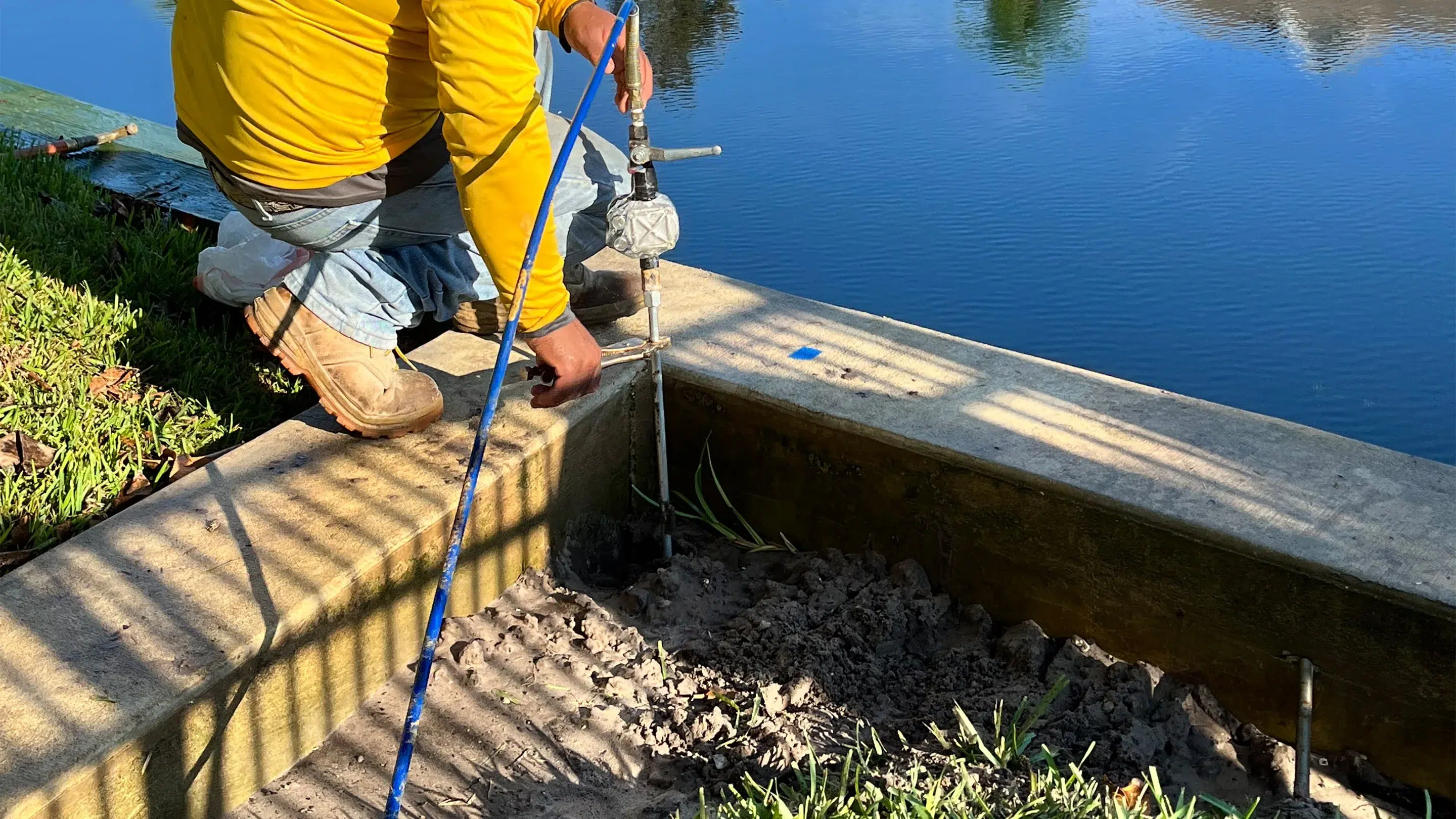
Slabjacking lifts a sunken concrete slab by injecting material underneath to fill voids and raise the concrete back into position. Traditional mudjacking uses a cement-based slurry pumped through drilled holes in the slab.
Mudjacking can work well for mild settlement and often costs less upfront. However, the material is relatively heavy, which can place additional stress on already weak soil. The slurry may also shrink slightly as it cures, which can allow future settling.
Polyurethane Foam Injection Benefits
Polyurethane foam injection, also called polyjacking, uses expanding foam to lift and stabilize the slab. Contractors drill small holes through the concrete and inject expanding foam beneath the surface.
The foam quickly fills empty spaces and hardens into a rigid, water-resistant support layer. Polyurethane foam lifting offers several homeowner benefits:
- Lightweight material that places less stress on weak soil
- Fast curing times that often allow same-day use
- Water-resistant support that helps limit future erosion
- Smaller drill holes that blend more easily after patching
For many homeowners, polyurethane foam lifting is one of the most effective long-term solutions for repairing a garage floor sinking when the slab itself remains structurally sound.
When Slab Replacement Is The Better Option
Sometimes lifting the slab is not the best solution. Severely deteriorated concrete or slabs broken into many small sections may require replacement instead.
Replacement may make more sense when:
- The slab is too thin to support normal vehicle loads
- Extensive cracking prevents safe lifting
- Drainage or soil problems require excavation beneath the slab
Although replacement usually costs more upfront, it gives you an opportunity to correct drainage and soil issues before installing new concrete.
When The Problem Extends Beyond The Garage Floor
Some garage floor problems point to deeper structural movement. If the foundation itself shifts, lifting the slab alone will not solve the issue.
How Foundation Movement Impacts The Garage
Garage slabs may function as floating slabs or connect directly to the foundation system. When the foundation shifts, an attached slab often moves with the walls and footings.
Foundation movement commonly causes stair-step cracks in masonry, leaning walls, and doors or windows that no longer operate smoothly. If these issues occur alongside cracking in the garage floor, the repair plan should address the foundation first.
Foundation Underpinning And Pier Systems
When the garage foundation settles, underpinning often provides the most effective stabilization method. Contractors install piers deep into stable soil or bedrock to transfer the structure’s weight away from unstable surface soils.
Common pier systems include:
- Helical piers, which use screw-like steel shafts installed mechanically into the ground
- Push piers, which contractors drive downward hydraulically until they reach stable load-bearing soil
Both systems help stabilize the structure and may allow partial lifting when soil conditions support it.
When To Schedule A Foundation Inspection
Consider contacting a foundation repair specialist if you notice cracks wider than one-quarter inch, stair-step masonry cracks, leaning walls, or ongoing slab settlement after previous repairs.
A qualified inspection helps determine whether the problem involves the slab, the foundation, or both. Addressing the root cause early often supports a more stable long-term repair plan.
How To Help Prevent Future Garage Floor Settlement
After completing repairs, preventing future movement becomes the next priority. In most cases, water management and drainage improvements play the biggest role in long-term slab stability.
Improve Drainage Around The Garage
Addressing poor drainage should happen alongside any garage floor repair project. If water continues to flow beneath the slab, even high-quality repairs may not hold up as expected over time.
Keep gutters clean and extend downspouts so they discharge water at least 10 feet away from the garage. Installing a French drain or channel drain near the garage apron may also help redirect surface runoff.
Control Water Runoff Near The Foundation
Watch how water moves across your property during heavy rain. If the ground slopes toward the garage, water will continue collecting near the slab and foundation.
Regarding the soil, sloping it away from the structure can significantly improve drainage. A general recommendation is a slope of about six inches over the first 10 feet away from the garage.
Applying a quality concrete sealer can also help reduce moisture penetration through the slab surface. Reapplying the sealer every few years helps maintain protection.
Monitor Cracks And Surface Changes
After completing garage floor repair, inspect the slab several times each year. Look for widening cracks, new low spots, or areas where water begins collecting again.
Marking the ends of cracks with the date can help you track movement over time. Early monitoring often gives you more repair options before larger structural issues develop.
Garage Floor Repair Planning For Long-Term Stability
A sinking garage floor does not always mean you need a full slab replacement. The right garage floor sinking repair solutions depend on the cause of the settlement, the condition of the concrete, and whether the foundation also requires stabilization.
At Helicon, homeowners receive clear inspections, straightforward repair guidance, and practical solutions tailored to Florida’s soil and moisture conditions. Understanding the source of the problem helps you make informed decisions that support long-term property stability.
If you notice cracks, settlement, or uneven concrete in your garage, schedule an inspection to get a clear repair plan and explore the right solution for your property.
Frequently Asked Questions
What causes a garage floor to sink over time?
Garage floors usually sink because the soil beneath the slab shifts, erodes, or compresses unevenly. Poor drainage, heavy rainfall, expansive clay soil, and water intrusion often contribute to long-term settlement problems.
Can polyurethane foam lifting fix a sinking garage floor?
Yes, polyurethane foam lifting can effectively raise and stabilize many sunken garage slabs. The expanding foam fills empty spaces beneath the concrete while adding lightweight support that helps reduce future settlement.
How do I know if my garage floor problem involves the foundation?
Foundation-related movement often causes stair-step cracks, sticking doors, leaning walls, or gaps between the slab and nearby walls. If you notice these signs along with slab settlement, a foundation inspection can help determine the full extent of the issue.
Is mudjacking or polyjacking better for garage floor sinking repair solutions?
Both methods can lift settled concrete, but polyurethane foam lifting often provides longer-lasting support with less added weight on weak soil. The right solution depends on the slab condition, soil stability, and the amount of settlement involved.
When should I replace a garage floor instead of lifting it?
Replacement may make more sense if the slab has severe cracking, crumbling concrete, or widespread structural damage. In some cases, drainage or soil correction work beneath the slab also makes replacement the more practical option.
Can poor drainage cause garage floor settlement?
Yes, drainage problems are one of the most common causes of garage floor settlement. Water that collects near the slab can erode supporting soil, weaken the ground beneath the concrete, and increase hydrostatic pressure over time.
How can I help prevent my garage floor from sinking again?
Improving drainage around the garage is one of the best ways to reduce future settlement risk. Keeping gutters clear, extending downspouts, sealing cracks, and monitoring new movement can all help protect the slab long term.