Florida homeowners deal with unique soil and weather conditions that can place steady stress on a home’s structure over time. Following a seasonal foundation maintenance checklist Florida homeowners can trust helps you stay ahead of drainage issues, soil movement, and small warning signs before they grow into larger repair concerns.
At Helicon, we understand how Florida’s heat, rainfall, shifting soil, and storm seasons affect foundations throughout the state. Clear inspections, practical repair guidance, and long-term planning help homeowners make informed decisions with confidence.
This guide walks you through what to inspect during each season, how to manage moisture and drainage, and when to schedule a professional evaluation. With a consistent maintenance routine, you can better protect your home’s stability year-round.
What To Check First Around Your Foundation
Before breaking maintenance down by season, get in the habit of inspecting your home’s perimeter. A quick walk-around often reveals drainage problems, early cracks, or gutter issues before they become larger concerns.
Spot Cracks, Sticking Doors, And Interior Warning Signs
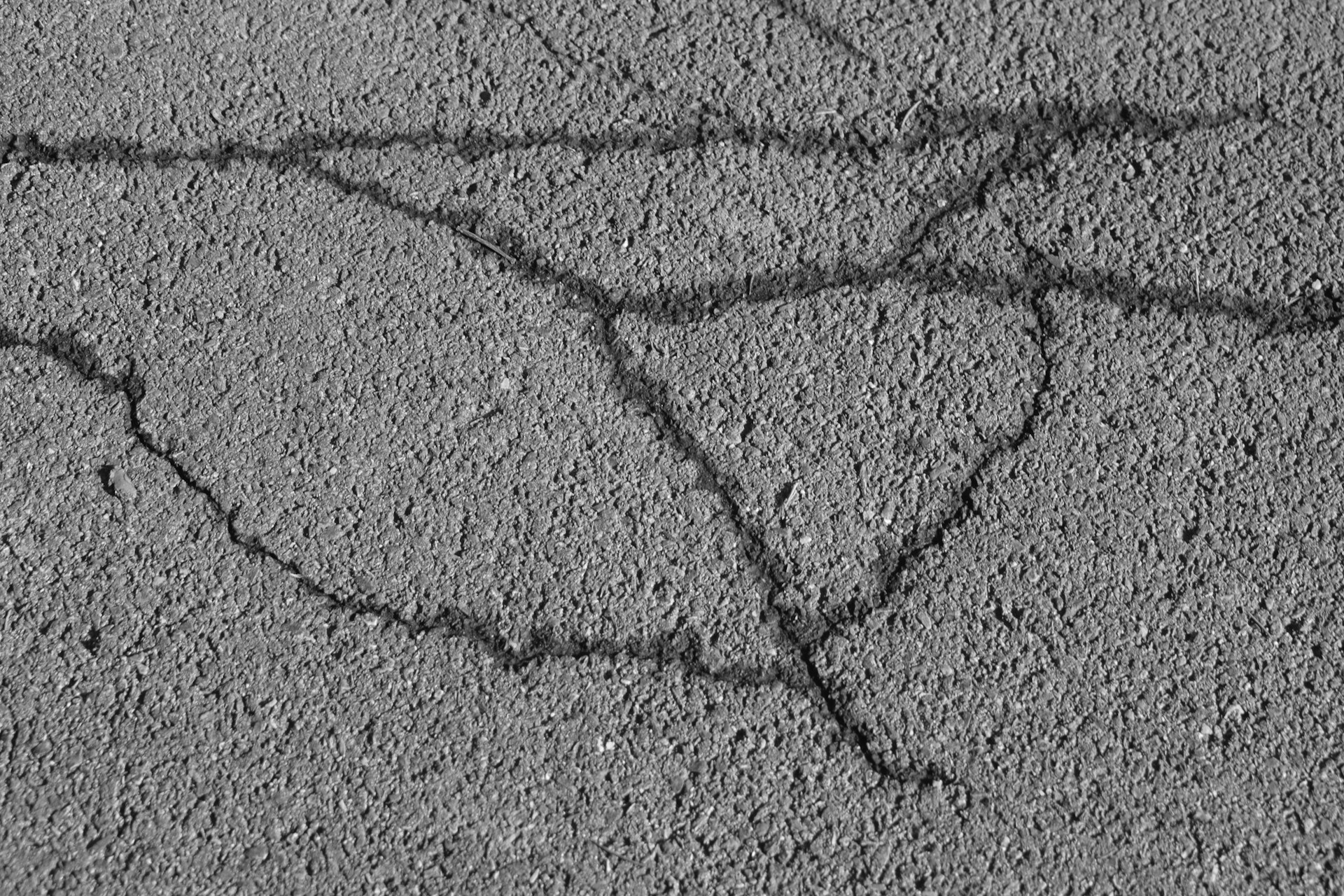
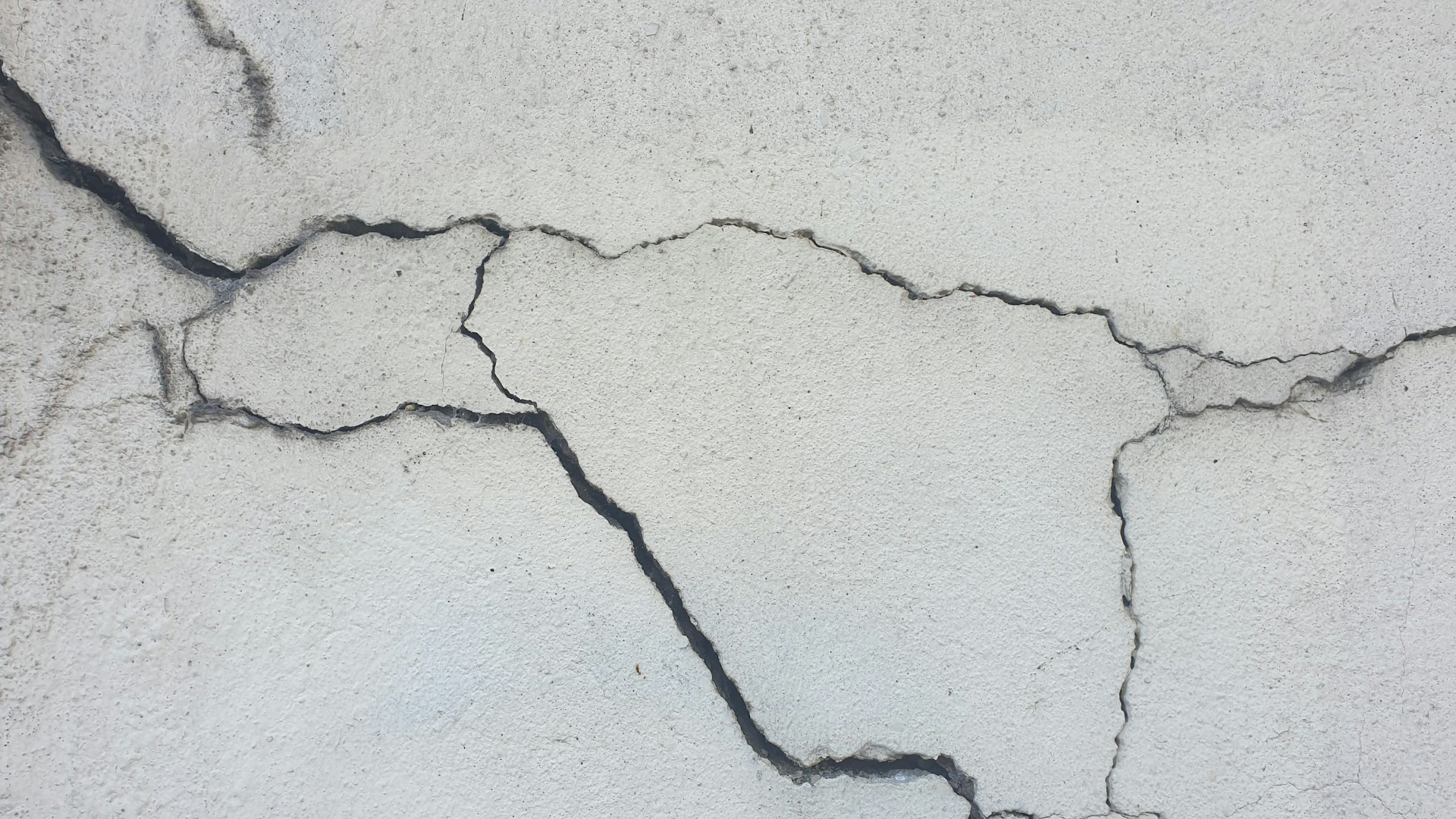
Not all cracks signal major problems, but every crack deserves attention. Hairline cracks in stucco or concrete may be cosmetic, while horizontal or stair-step cracks in block walls can indicate structural movement.
Inside your home, watch for:
- Doors or windows that suddenly stick or will not close properly
- Cracks running diagonally from window or door corners
- Uneven or sloping floors
- Gaps between walls and ceilings or baseboards
These warning signs often appear before exterior damage becomes noticeable. If several show up at the same time, schedule a closer inspection.
Look For Water Pooling, Erosion, And Poor Grading
Water sitting near your foundation can quickly create problems in Florida. After heavy rain, walk the perimeter and look for standing water within 10 feet of the home.
The ground should slope downward about 6 inches within the first 10 feet around your foundation. If the grade slopes toward the home or stays flat, regrade the area or add soil before the wet season arrives.
Pay attention to:
- Soil erosion channels moving toward the foundation
- Mulch or soil piled against exterior walls
- Concrete walkways that now direct water toward the home
Check Gutters, Downspouts, And Drainage Paths
Your gutters and downspouts play a major role in protecting your foundation. When gutters clog, water overflows near the base of the house, soaking the soil and increasing erosion.
Clean gutters and downspouts at least twice a year in Florida, ideally before and after storm season. Make sure downspout extensions carry water at least 4 to 6 feet away from the foundation.
Poor gutter drainage remains one of the most common and preventable causes of foundation problems in Florida.
Spring Foundation Maintenance Tasks Before Florida’s Rainy Season
Spring in Florida, usually March through May, marks the transition from the dry season to the beginning of the rainy season. This period offers the best opportunity to assess dry-season soil movement and prepare drainage systems before heavy rains arrive.
Inspect For New Cracks And Moisture Intrusion
Dry conditions can shrink soil and pull it away from the foundation, opening new cracks or widening older ones. During spring, complete a thorough foundation walkthrough of both the outside and accessible interior areas.
Inspect closely around:
- Slab edges where soil has pulled away and left visible gaps
- Block or poured concrete walls with new stair-step or diagonal cracks
- Crawl spaces showing moisture stains or mold growth
Even small cracks deserve documentation. Take photos and note the date so you can monitor changes over time.
Refresh Drainage Before Storm Season
Spring is an ideal time to remove debris and confirm your drainage systems work properly. Inspect crawl spaces, check grading, and clear drainage pathways before summer storms increase the risk of erosion and water intrusion.
Helpful spring maintenance tasks include:
- Cleaning gutters filled with leaves and pine debris
- Inspecting downspout extensions for storm damage
- Clearing French drains or swales clogged with sediment
- Testing sump pump operation if your home has one
Check Crawl Spaces, Slab Edges, And Low Spots
Crawl spaces in Florida can quickly collect moisture as rainfall increases. Inspect vapor barriers for tears or movement and look for standing water left behind from winter.
At slab edges, check for gaps where concrete meets soil and identify soft or low areas in the yard. Fill and regrade those sections while the soil remains workable.
Summer Foundation Priorities During Heat And Hurricane Season
Summer brings Florida’s harshest weather conditions. From June through September, your foundation handles intense heat, repeated storms, and hurricane activity.
A proper seasonal foundation maintenance checklist that Florida homeowners follow during summer should address both drought conditions and excessive rainfall.
Monitor Soil Moisture During Dry Periods
The gaps between summer storms can stress foundations just as much as the storms themselves. As soil dries rapidly in high heat, it shrinks, which can shift slabs and crack block walls.
To help maintain balanced soil moisture:
- Check soil conditions within 3 feet of the foundation regularly
- Dry soil can gradually pull away from the foundation edge
- Keep large tree roots from competing for moisture near the home
Rapid soil expansion after a dry spell can place additional pressure on the foundation. Consistent moisture levels help reduce unnecessary movement.
Prepare Drainage And Openings For Heavy Storms
Before active storm periods, confirm that all drainage systems remain clear and functional. Gutters clogged with summer debris can quickly overflow during heavy rain.
For summer foundation maintenance, also inspect:
- Hurricane shutters and window openings for water entry gaps
- Crawl space vents to make sure screens stay clear and open
- Previously sealed exterior cracks to verify repairs still hold
After storms, inspect for signs that wind or runoff has shifted soil or mulch against the foundation walls.
Watch For Leaks, Washouts, And Fast Changes
After major storms, complete a quick perimeter inspection. Look for soil washouts, exposed slab edges, or erosion channels developing near the home.
Inside, inspect plumbing areas and crawl space access points for signs of moisture intrusion. Addressing a small leak early can help prevent larger repair issues later.
Fall And Winter Foundation Maintenance Steps In Florida
Fall and winter in Florida, generally September through February, provide time to recover from storm season and strengthen vulnerable areas. Lower rainfall and milder temperatures make this a practical season for repairs and preventive maintenance.
Clear Debris And Recheck Drainage After Storm Season
Start fall maintenance by removing debris left behind after summer storms. Gutters and drainage paths often collect leaves, sediment, and displaced soil during hurricane season.
Important fall maintenance tasks include:
- Cleaning gutters after major storms pass
- Checking downspout extensions for movement from high winds
- Inspecting grading around the foundation for erosion
- Removing mulch or debris piled against exterior walls
Restoring proper drainage before winter helps protect the foundation through quieter weather periods.
Seal Small Issues Before Cooler Weather
Fall offers favorable conditions for sealing small cracks and gaps. Lower humidity often helps materials cure more effectively.
Useful seasonal maintenance tasks include:
- Pressure washing the foundation perimeter before inspections
- Applying concrete caulk or hydraulic cement to small cracks
- Checking exterior coatings for peeling or moisture exposure
- Inspecting stucco carefully for hidden cracking
Monitor Indoor Moisture And Plumbing During Winter
Florida winters remain mild, but homeowners should still monitor moisture conditions. Drier weather can slightly shrink soil, while unnoticed plumbing leaks may slowly saturate soil beneath the slab.
During winter foundation maintenance, inspect:
- Water heaters and plumbing connections for slow leaks
- Crawl space access points for condensation or moisture buildup
- Interior flooring near plumbing lines for soft spots or movement
Even minor plumbing leaks beneath a slab can create long-term problems if left untreated.
When DIY Foundation Maintenance Is Enough And When To Schedule An Inspection
Many tasks on a seasonal maintenance checklist for Florida homeowners can be handled with basic tools and regular attention. Cleaning gutters, sealing hairline cracks, improving grading, and monitoring drainage all support long-term foundation stability.
The key is recognizing when maintenance becomes a structural concern requiring professional evaluation.
Signs You Should Schedule A Professional Foundation Inspection
Some warning signs deserve more than routine monitoring. Professional inspections help identify subtle movement and hidden structural concerns before conditions worsen.
Schedule an inspection if you notice:
- Cracks wider than 1/4 inch or cracks that continue expanding
- Horizontal cracks in block walls
- Several doors or windows sticking at the same time
- Visible gaps between the slab and foundation wall
- Water returning to crawl spaces after drainage corrections
Foundation Repair Problems That Should Not Wait
Some issues require immediate attention instead of continued observation. Bowing walls, rapidly uneven floors, or visible separation between walls and the foundation can indicate active structural movement.
Many repairs average around $5,000, so addressing problems early often helps reduce the scope and cost of future repairs.
How Preventive Maintenance Helps Lower Long-Term Costs
The purpose of seasonal maintenance is simple: identify small issues before they become major repairs.
Tasks such as cleaning gutters, monitoring drainage, sealing small cracks, and maintaining stable soil conditions can significantly reduce the risk of long-term repairs. Consistent maintenance supports better property stability and helps homeowners plan ahead with confidence.
According to seasonal foundation care resources, addressing issues early is often far more manageable than waiting until structural movement becomes severe. A few hours of preventive maintenance each season can make a meaningful difference over time.
Protect Your Foundation With Consistent Seasonal Maintenance
A strong maintenance routine gives you a clearer understanding of how your home responds to Florida’s changing weather conditions. When you monitor drainage, soil movement, and early warning signs throughout the year, you can make informed decisions that support long-term property stability.
Helicon provides Florida homeowners with straightforward inspections, practical repair recommendations, and guidance built around long-term foundation performance. Whether you are monitoring small changes or evaluating larger structural concerns, experienced support can help you move forward with confidence.
Schedule an inspection to get a clear repair plan and protect your foundation through every season.
Frequently Asked Questions
How often should you inspect your foundation in Florida?
You should inspect your foundation at least once each season in Florida because changing weather conditions can affect soil moisture and drainage differently throughout the year. Regular walkthroughs help you catch cracks, pooling water, and grading issues before they become larger structural concerns.
What are the most common signs of foundation movement in Florida homes?
Common signs include stair-step cracks, sticking doors or windows, uneven floors, and gaps around walls or baseboards. These symptoms often develop gradually, so tracking changes over time can help you determine when it is time to schedule a professional inspection.
Can heavy rain damage a foundation even if you do not see cracks?
Yes, heavy rain can weaken soil and create erosion or drainage problems before visible cracks appear. Water pooling near the foundation may slowly shift soil conditions and place pressure on slabs or foundation walls over time.
Should you water the soil around your foundation during dry weather?
In some cases, lightly watering overly dry soil can help reduce sudden shrinkage and soil separation near the foundation. The goal is to maintain balanced moisture levels rather than saturating the ground, especially during extended hot periods in Florida.
When should you schedule a professional foundation inspection?
You should schedule an inspection if cracks continue growing, doors suddenly stop closing properly, or multiple warning signs appear together. A professional evaluation can help identify whether the issue involves normal settling or active structural movement.
Does poor drainage increase the risk of foundation problems?
Yes, poor drainage is one of the most common causes of foundation concerns in Florida homes. Gutters, grading, and downspouts all help direct water away from the structure and reduce long-term soil instability.
Can seasonal foundation maintenance help lower repair costs?
Consistent maintenance can help reduce repair costs by identifying smaller issues before they become more extensive. Tasks like cleaning gutters, monitoring moisture, and sealing minor cracks support long-term foundation stability and better property planning.