
Naples, Florida
The Project
The Challenge
The Solution
FREE INSPECTION REQUEST

Market: Residential
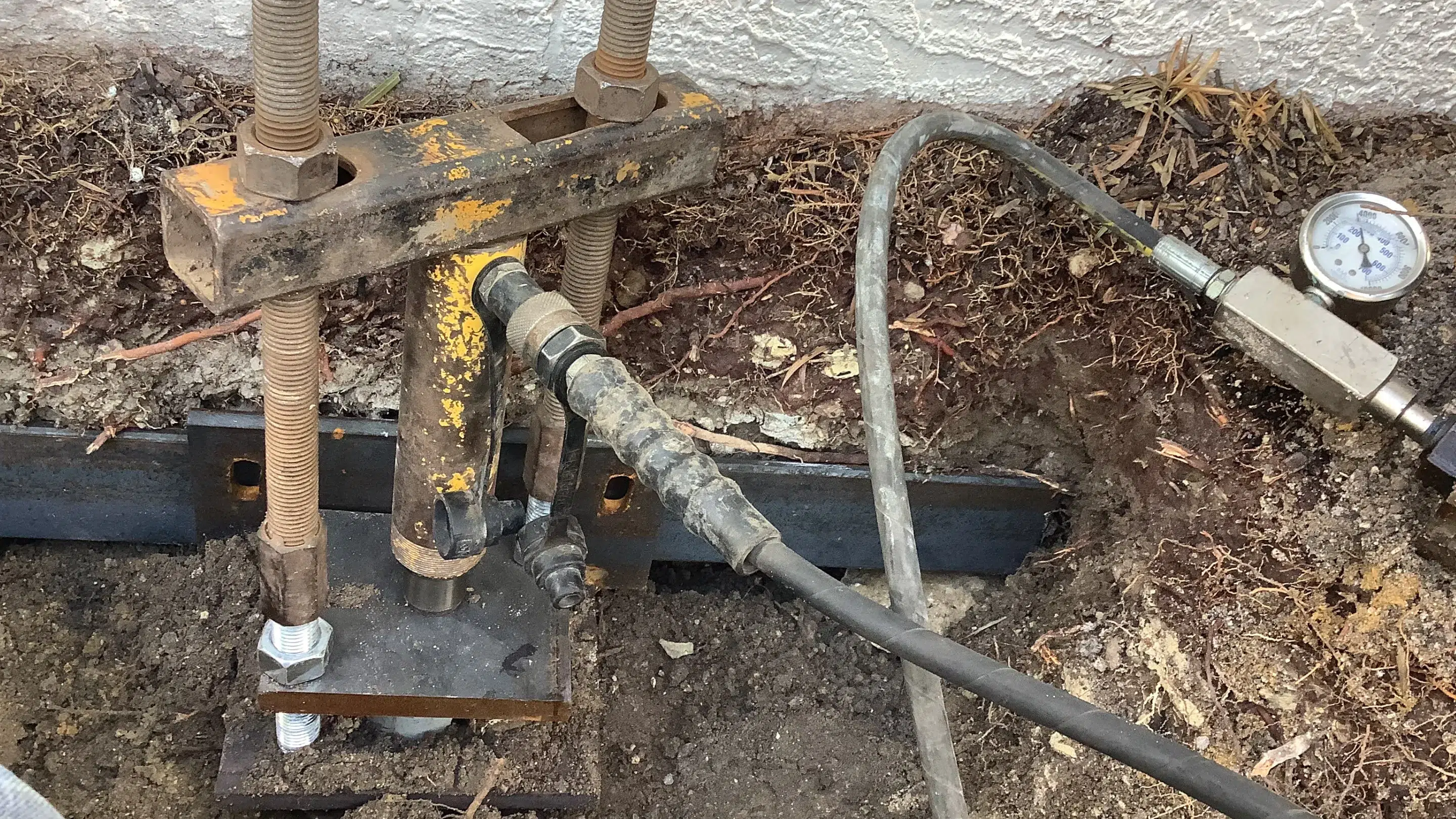
Solution: Helical Piers and Two-Part Structural Polyurethane Injections
Services: Foundation Repair
This Naples project involved six separate condominium units spread across several closely positioned buildings, along with one additional unit farther away that required separate mobilization planning.
Some of the buildings were located close enough together that crews could potentially stage hoses between them, while at least one unit farther away required its own movement plan or separate service date. This added a logistical layer to the project that is uncommon in single-home foundation work.
One of the most important parts of this project was organizing a variety of symptoms into one understandable structural picture. Each unit presented differently, but together they suggested a broader need for stabilization.
7840 Unit 4
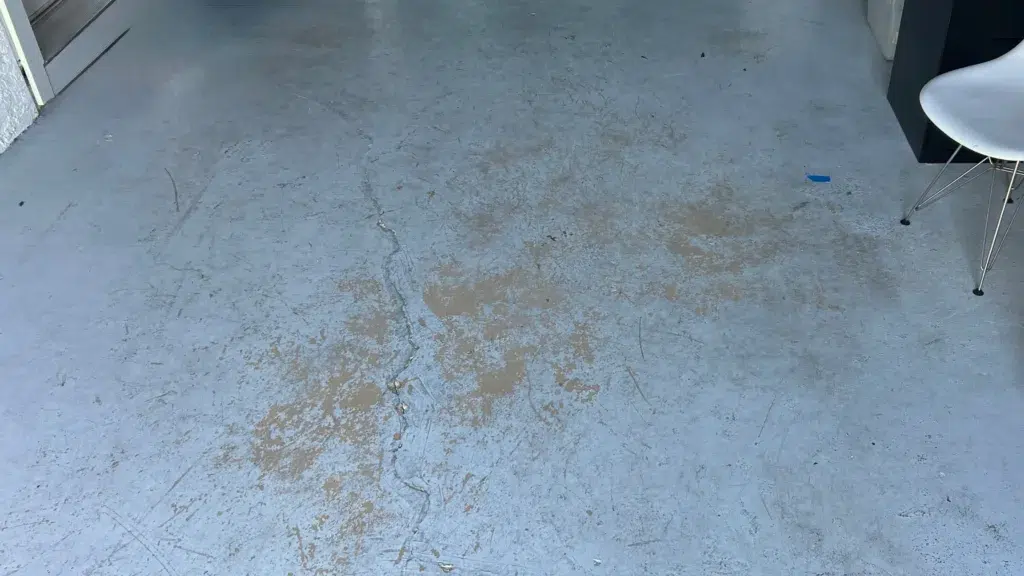
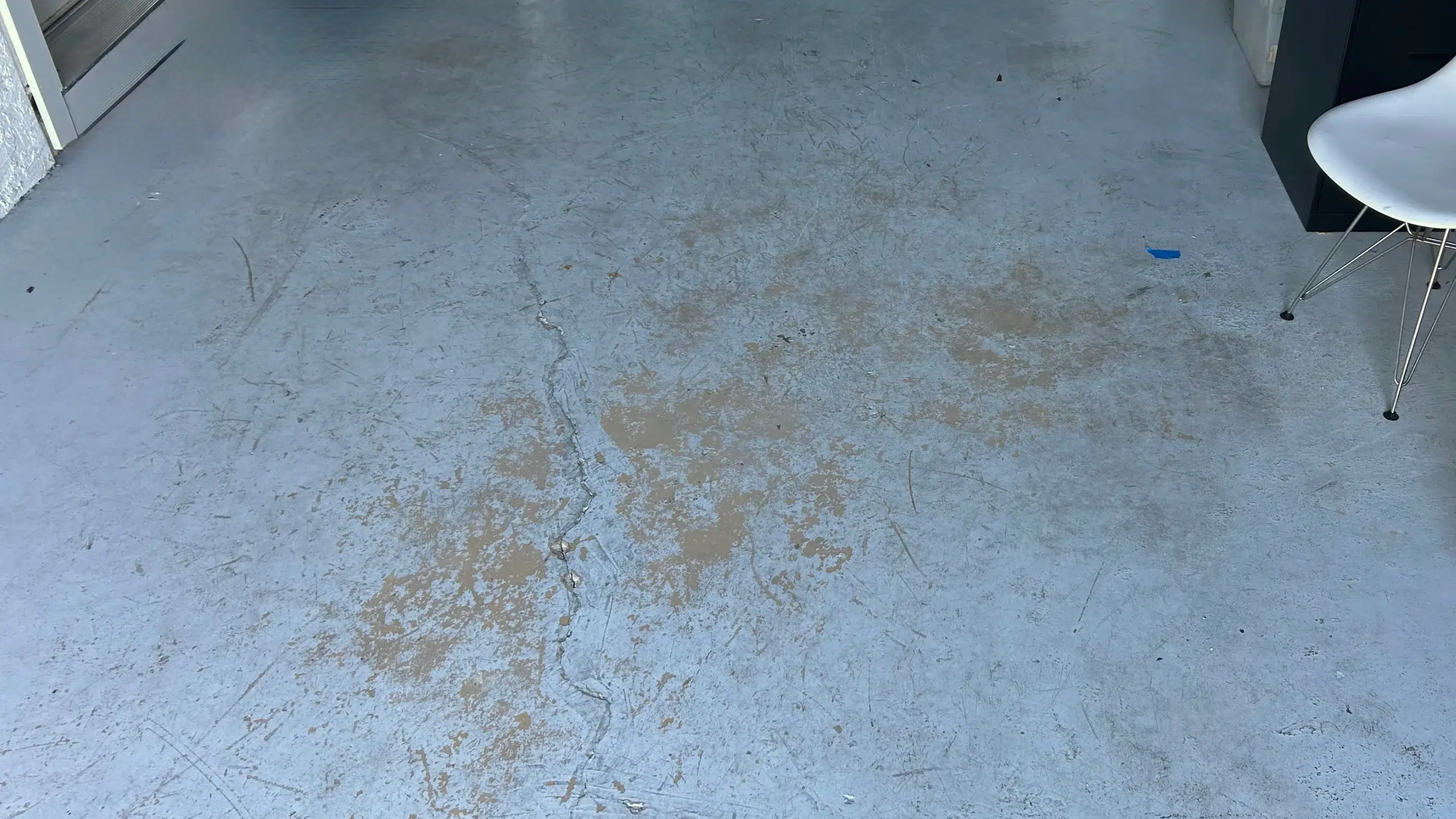
Unit 4 showed some of the most concerning signs. The resident reported interior cracking that appeared to resemble drywall humidity-related movement, but the more important issue was the presence of hairline stair-step cracks inside the garage on the left wall and at the front right corner of the building. In addition, the garage slab contained cracks running through the middle portion of the concrete from one side to the other.
7840 Unit 1
This nearby unit presented much lighter symptoms. The primary concerns were very fine hairline stair-step cracks at the front portion of the building, localized in the foundation-related area. The cracks were described as faint and difficult to see, but still significant enough to include in the overall stabilization plan.
7850 Unit 2
This unit had a more noticeable garage slab problem, including cracks in the slab floor and hollow-sounding concrete when tapped. A punching bag with substantial weight at the base had been placed in the garage, and according to the resident, this load corresponded with cracks that had been patched previously but continued to worsen over time. Whether the punching bag contributed directly or not, the slab clearly lacked reliable support beneath at least part of its footprint.
7820 Unit 2
At this unit, the primary distress was located in the lanai slab, along with a crack on the foundation wall at the top left corner of the sliding door. These conditions often point to localized movement at transitions between slab, wall, and door openings—places where even small differential movement becomes visible quickly.
7820 Unit 3
Unit 3 showed a similar pattern with slab cracking and a very fine horizontal crack on the right-side foundation wall near hanging glass décor. While this crack was described as hairline, it still contributed to the overall picture of minor but meaningful movement within the community.
7670 Unit 1
This unit was located farther away and would require separate hose staging or truck repositioning. During inspection, no noticeable foundation cracks were observed, but it was still part of the broader board-driven stabilization planning. Including it in the larger scope reflects the preventive nature of the project.
This project was not difficult because of one dramatic failure. It was difficult because it required discipline, consistency, and precise planning across multiple units, each with different signs of distress and different structural needs.
This project lasted 10 days and required the crew to stay exceptionally disciplined and precise. It was not the type of job that could be wrapped up in a day or two. That kind of schedule matters in condominium work, where crews must maintain quality over multiple phases without losing continuity from one unit to the next.
There wasn’t any room for error, because each unit needed different helical specifications and load-bearing requirements. This was not a one-size-fits-all pier installation. Even though the repair methods were similar, the actual engineering demands varied from unit to unit based on crack location, slab distress, wall response, and structural geometry.
In several units, the building layout created access complications. For some areas of deep injections, the crew would have to perform the work from the garage because the condo unit turned into another unit. This meant the crew needed to think not just about treatment design, but also about physical access and how to reach the right stabilization zones without unnecessary disruption.
Unlike a single-family home, a condo project like this requires coordination with residents, property management, and sometimes multiple inspection expectations. Every unit represents a separate living space, but the repairs still need to function as part of one coherent structural program.
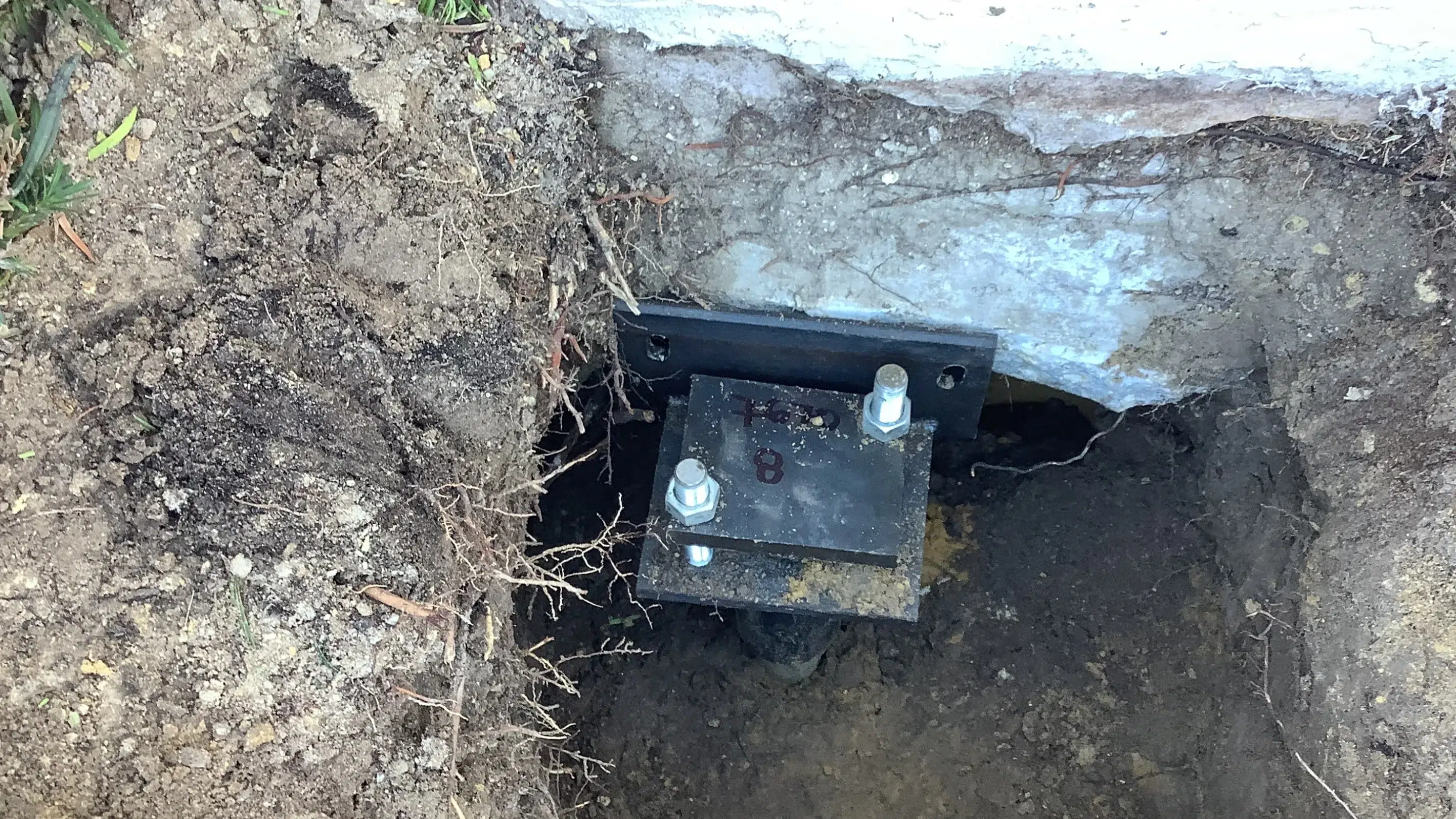
The final repair strategy had two main components: deep structural support through helical piers and slab stabilization through structural polyurethane grout injections.
Across the six-unit project, Helicon installed 54 galvanized helical piers. These piers served as the primary structural solution and were designed to reduce the chance of continued settlement or worsening foundation distress in the most affected units.
The purpose of the piers was to:
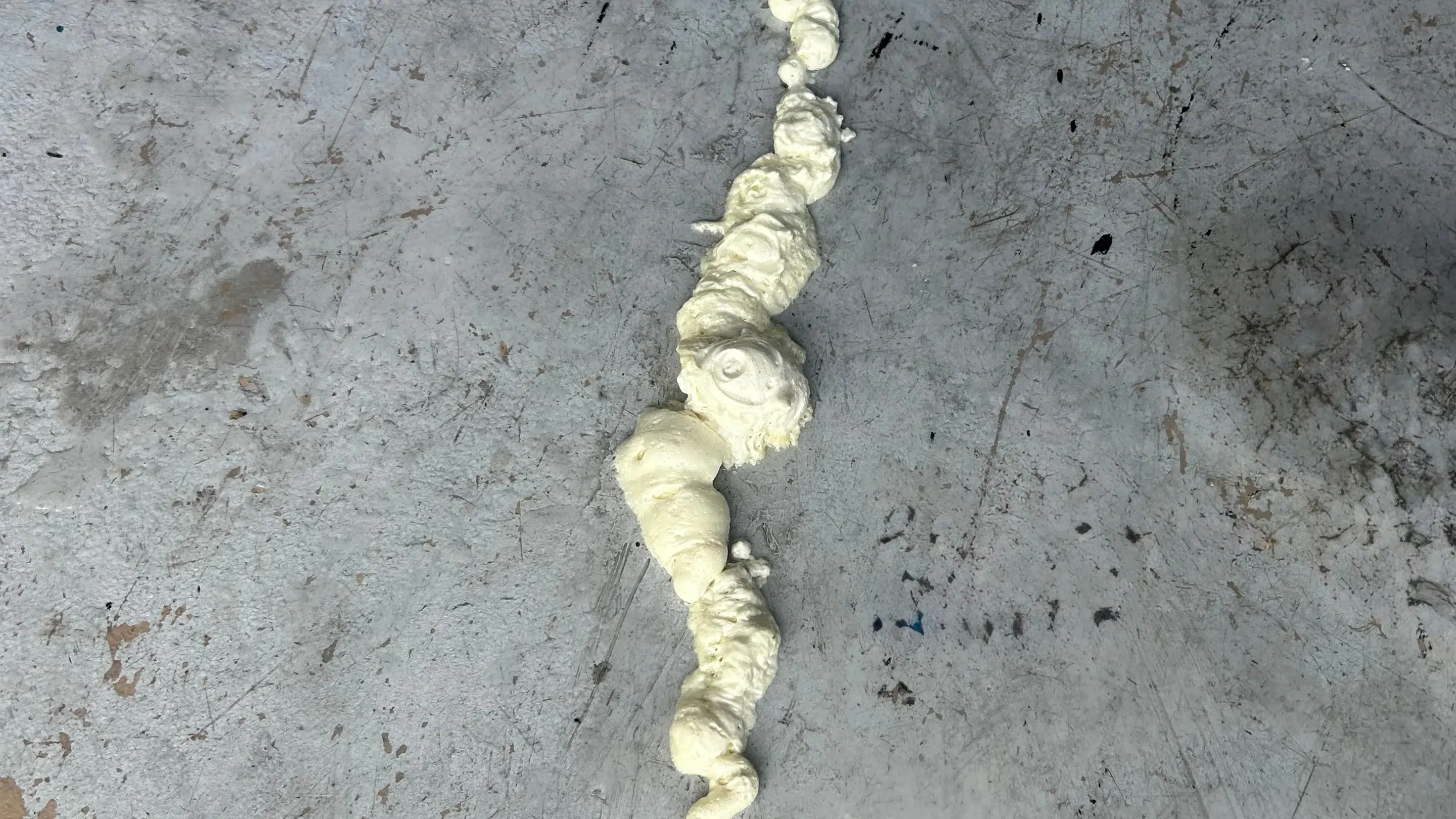
After the pier work, Helicon completed slab-support work using 315 pounds of structural two-part polyurethane grout. These slab injections were intended to improve support beneath affected slab zones, especially in garages, lanais, and other areas where cracking or hollow conditions had already developed.
This was an important complement to the helical pier installation. The piers addressed structural support at key locations, while the slab injections helped reinforce localized concrete areas where surface or near-surface support conditions were contributing to visible distress.
An engineer inspected all six units and recommended helical piers for the foundation-related stabilization work. Helicon had considered underpinning push piers as an alternative, but the community was firm in following the engineer’s direction and proceeding with helical piers as the preferred system.
This is an important part of the story because it demonstrates that the final repair approach was not arbitrary. It was based on external engineering review and then implemented by Helicon in the field.
For a multi-unit condominium project with varying load conditions, helical piers offer several advantages:
In other words, helical piers gave the board and property management company a way to stabilize the units structurally while still tailoring the support to each area’s needs.
This project benefited from using two different tools for two different levels of the problem:
That combination allowed the repair to address both the broad foundation concerns and the concrete areas where residents were already seeing cracks and changes.
Once the work was complete, the six-unit repair program had delivered a much stronger and more coordinated foundation condition for the property.
Key Outcomes
Helicon is Florida’s trusted expert in foundation repair, helical piers, slab stabilization, soil stabilization, concrete lifting, and sinkhole remediation. We work with homeowners, boards, and property managers across Naples, Collier County, and throughout Florida to deliver engineered repair solutions that protect buildings from the ground up.
If your condominium community is seeing hairline stair-step cracks, garage slab movement, hollow concrete, or other early signs of settlement, Helicon can help. Our team provides engineered stabilization solutions for multi-unit residential communities throughout the above-mentioned areas.
Call 844-HELICON today to schedule a free inspection and learn how a coordinated foundation repair strategy can protect your property before isolated symptoms become a broader structural problem.
FREE INSPECTION REQUEST