Waterfront property owners often search for “seawall repair contractors near me” after noticing cracks, soil loss, or a leaning wall. These warning signs can quickly lead to serious shoreline erosion if ignored. Acting early helps protect your property, stabilize the shoreline, and avoid costly structural damage.
Helicon has worked with Florida property owners for decades to address seawall damage, soil erosion, and waterfront structural issues. Experienced professionals can identify the cause of the problem and recommend repair solutions that strengthen and stabilize the structure.
This article explains how to choose reliable seawall repair contractors, what repair methods contractors may recommend, and which questions to ask before hiring. You will also learn how seawall repairs work and what factors affect project costs.
What Is Seawall Repair?
Seawall repair restores damaged protective barriers that stand between waterfront properties and erosion. These repairs address structural problems, stop soil loss, and extend the life of existing seawalls without needing full replacement.
Types Of Seawalls
Your property might have one of several seawall types, each built with different materials and construction methods:
- Concrete Seawalls: The most common type. Built with poured concrete or stacked concrete blocks, they are durable and can last decades with proper maintenance.
- Steel Seawalls: Constructed with steel sheet piling driven deep into the ground. They perform well in areas with strong waves and deeper water, such as marinas and commercial waterfronts.
- Vinyl Seawalls: A lightweight alternative that resists corrosion and rust. They are widely used in residential waterfront properties because they typically require less maintenance.
- Wood Bulkheads: Made from treated timber and often found on older waterfront properties. They cost less initially but generally have a shorter lifespan than concrete or steel.
- Rock Riprap Seawalls: Built with large stones placed along the shoreline to break wave energy. They create a natural appearance but require more horizontal space than vertical seawalls.
Common Causes Of Seawall Damage
Water constantly pushes against your seawall, gradually wearing it down. Daily wave impact creates stress that can lead to cracks and structural weaknesses.
Soil erosion occurs when water washes away the soil behind the wall. This creates voids that destabilize the structure. If not corrected, the wall may lean or collapse. Storms and hurricanes bring powerful waves and flooding that can damage even well-built seawalls. Storm surges can crack concrete and bend steel components.
Poor drainage is another common issue. When water collects behind the seawall, pressure builds and accelerates structural damage. Blocked weep holes often make this problem worse. Over time, age and saltwater exposure weaken materials. Metal corrodes, concrete develops cracks, and wood deteriorates despite protective treatments.
Signs You Need Seawall Repair
Cracks in your seawall are often the most obvious warning sign. Even small cracks allow water to seep through and can grow quickly if left unattended.
A leaning or tilting wall indicates structural instability. If the top of the seawall no longer appears straight when viewed along its length, the structure may be shifting.
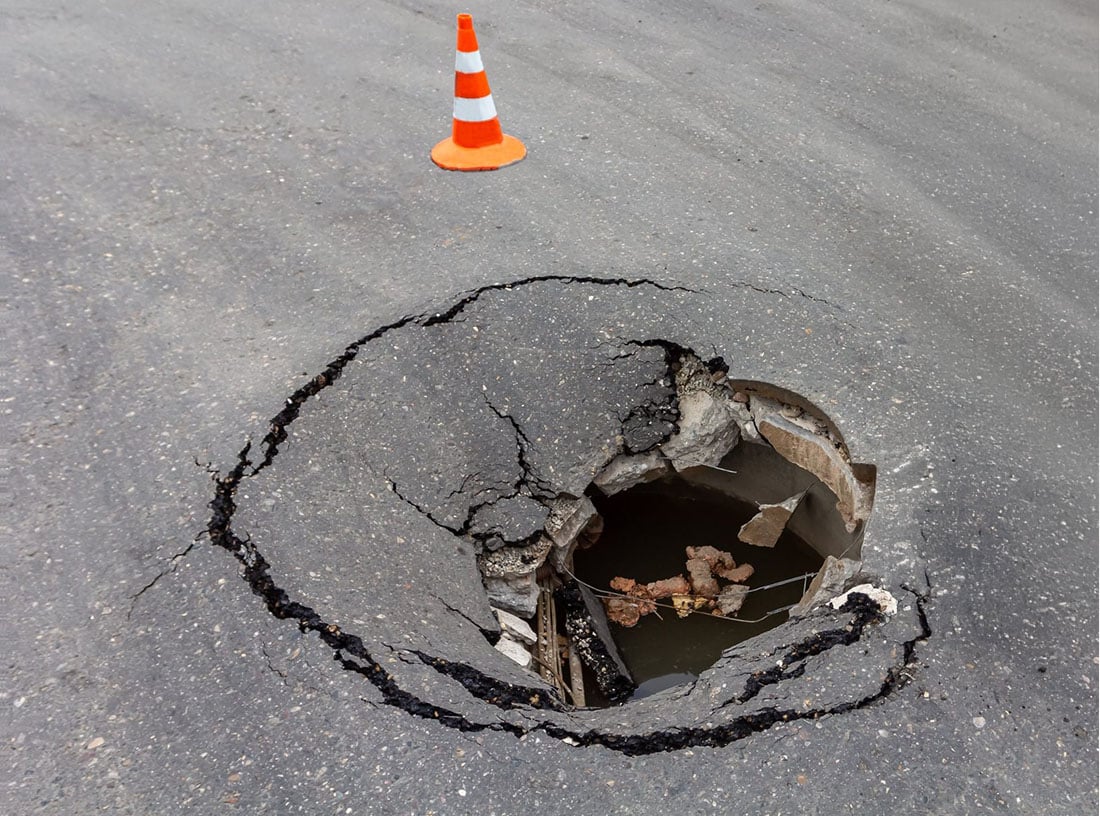
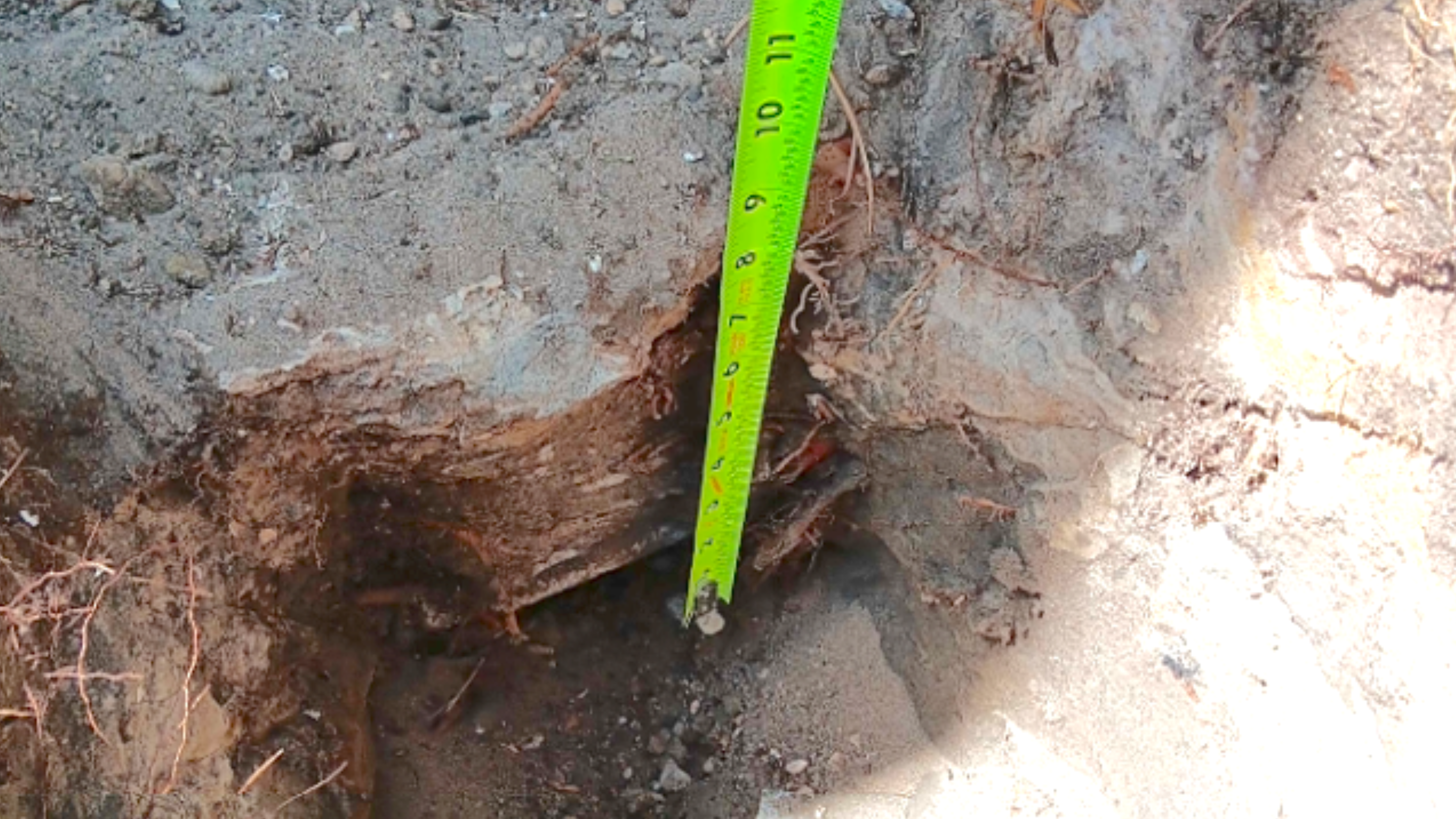
Sinkholes or depressions in the yard behind the seawall can signal soil loss underneath the structure. These voids will continue expanding if left untreated.
Rust stains, flaking concrete, or exposed reinforcement bars show that the seawall materials are deteriorating. You might also see gaps forming between seawall panels or sections pulling apart. These openings allow more water and soil movement, accelerating damage.
How To Choose The Best Seawall Repair Contractors Near You
Finding the right contractor protects your waterfront property and helps avoid unnecessary costs. Focus on three key areas: qualifications, licensing and insurance, and customer reviews.
Key Qualifications To Look For
Start by asking about their experience with seawall repairs in your region. Contractors familiar with local water conditions and soil types can provide better solutions.
Look for professionals who have repaired seawalls similar to yours for at least five years. Ask about the repair methods they use and whether they stay current with modern technologies.
Many experienced contractors now use polyurethane foam injection and advanced soil stabilization methods that can last longer than traditional repairs.
Request photos of completed projects and contact information for recent clients. Reliable contractors will gladly provide references. They should also perform a thorough inspection of both sides of your seawall before offering an estimate. This helps identify hidden damage.
Licensing And Insurance Requirements
Every seawall repair contractor should carry current liability insurance and workers’ compensation coverage. Always ask to see proof before signing a contract. Insurance protects you if someone is injured on your property or if the work causes accidental damage.
Verify that the contractor holds the required state and local marine construction licenses. Requirements vary by region, and some areas require specialized coastal contractor licenses.
It is also wise to contact the insurance company directly to confirm the policy is active and appropriate for the size of your project.
Comparing Contractor Reviews
Read reviews across multiple platforms such as Google, the Better Business Bureau, and marine construction directories. Focus on feedback from the past two years so you understand the contractor’s current service quality.
Look for patterns in reviews. Occasional negative feedback is normal, but repeated complaints about communication, scheduling, or poor workmanship may signal larger problems.
Ask contractors for direct references. Speaking with previous clients helps you understand how well repairs have held up over time.
Seawall Repair Methods And Technologies
Modern seawall repair uses several proven techniques to stop erosion and extend the life of your waterfront structure. The right solution depends on the type of damage, the seawall material, and your budget.
Polyurethane Injection And Foam Repair
Polyurethane injection is one of the most widely used repair methods today. Contractors drill small holes into the seawall and inject specialized foam behind the structure. The foam expands to fill voids where soil has washed away.
This process stabilizes loose soil while also sealing cracks and water pathways. The polyurethane quickly hardens to create a durable, waterproof barrier. Many modern repair materials are engineered specifically for marine environments.
Compared with full seawall replacement, this method can significantly reduce costs while restoring structural stability.
Steel Reinforcements
Steel reinforcements provide structural support when a seawall begins to lean or weaken. Contractors may install steel tie-backs, helical anchors, or reinforcement beams depending on the wall’s condition.
Tie-backs pull the seawall toward the shore to counteract water pressure. Helical anchors screw deep into stable soil to provide additional holding strength. Properly coated steel components can last for decades in harsh marine environments.
Concrete Patchwork
Concrete repairs address visible surface issues such as cracks, spalling, and deteriorating sections. Contractors remove damaged material and apply marine-grade concrete or epoxy compounds.
Epoxy injection is especially effective for sealing narrow cracks and preventing water intrusion. Successful patch repairs depend on proper surface preparation and strong bonding between old and new materials. Concrete patching is often combined with other repair techniques to restore the seawall fully.
Steps In The Seawall Repair Process
Professional seawall repair typically follows a structured process. It begins with inspection, moves into planning and budgeting, and ends with the repair work itself.
Site Assessment And Inspection
The contractor begins by examining the seawall to identify problem areas. They look for cracks, soil erosion behind the wall, and any structural movement or settlement.
Specialized tools may be used to detect voids or soil instability that are not visible on the surface. The inspection may include measuring crack widths, evaluating soil conditions, and checking the seawall cap. These findings determine which repair methods will be recommended.
Cost Estimate And Proposal
After the inspection, the contractor prepares a detailed repair proposal. The estimate outlines material costs, labor requirements, and recommended repair techniques such as soil stabilization or structural reinforcement.
The proposal should clearly explain why each repair method is needed. Some contractors may offer multiple repair options depending on your budget. Always review the proposal carefully and confirm that warranty information and project timelines are included.
Execution Of Repairs
Once the project is approved, the contractor begins the repair work. Common repair methods include polyurethane injection to stabilize soil, epoxy crack sealing, and reinforcement systems to strengthen the structure.
Most residential seawall repairs can be completed within one to three days, depending on the severity of the damage. Contractors should also minimize disruption to your property and follow all local regulations during the process. At the end of the project, the contractor performs a final inspection and cleans the work area.
Questions To Ask Local Seawall Contractors
Choosing the right contractor begins with asking informed questions. Understanding their experience, timeline expectations, and repair methods helps ensure you select the right professional.
Experience With Local Conditions
Local experience can make a major difference when choosing seawall repair contractors near me. Water conditions, soil types, and coastal regulations vary by location, so it helps to ask a few key questions before hiring a contractor.
- How long have you worked in this area?
Contractors familiar with local conditions better understand the environmental factors affecting seawalls. - Have you repaired seawalls similar to mine?
Ask about past projects and request references from nearby properties. - Can you provide examples of local projects?
Reviewing nearby repairs can help you evaluate the contractor’s experience and results. - Are you familiar with local permits and coastal regulations?
Contractors should understand the rules and approval processes that may impact your project.
Timeline And Warranty Information
Request a clear timeline for inspections and repair work. Weather conditions and water levels may influence scheduling, so ask how they could affect the timeline. You should also request written warranty details. A reliable contractor should stand behind both their workmanship and the materials used in the repair.
Materials And Techniques Used
Ask which repair methods they recommend and why. Different problems require different solutions, such as foam injection, concrete patching, or structural reinforcement.
High-quality materials may cost more initially but usually last longer and reduce the need for future repairs. A contractor should explain the repair process clearly so you understand how the work will protect your seawall.
Factors Affecting The Cost Of Seawall Repair
Several factors influence the cost of seawall repairs, including the wall’s material, size, and the extent of damage.
Seawall Material And Size
The type of material used in your seawall affects repair costs. Concrete seawalls often cost more to repair than wooden ones because they require specialized equipment and expertise. Steel sheet-pile seawalls usually fall in the middle range, while vinyl seawalls may be less expensive to repair.
Contractors often charge between $100 and $250 per linear foot for seawall repairs, depending on the work’s complexity. The height and thickness of the seawall can also affect the final price.
Extent Of Damage
Minor cracks or surface wear are relatively inexpensive to repair. More serious structural problems, such as leaning walls or failing foundations, require additional labor and reinforcement.
Contractors may also need to correct soil erosion or drainage issues behind the wall. In severe cases, sections of the seawall may need to be replaced.
Accessibility Of The Site
How easily contractors can access your seawall affects labor and equipment costs. Seawalls with road access and open working space are usually less expensive to repair.
Remote areas or locations surrounded by obstacles may require specialized equipment or manual material transport. Water depth and tidal conditions can also affect scheduling and equipment needs.
Safety And Environmental Considerations For Seawall Repair
Seawall repair projects must follow environmental guidelines to protect surrounding ecosystems and maintain shoreline stability.
Local Permitting And Regulations
Most coastal areas require permits before seawall repair work begins. These permits ensure the project meets building codes and environmental protection standards. Contractors often handle the permitting process and submit plans detailing the repair methods and materials. Approval timelines can vary depending on local regulations.
Minimizing Environmental Impact
Repair methods should minimize disturbance to marine life and water quality. Techniques such as soil stabilization and crack injection typically create less disruption than full seawall replacement.
Responsible contractors use barriers to prevent sediment and debris from entering the water. They also choose materials designed to perform safely in marine environments.
Benefits Of Hiring Contractors Near Me
Hiring local professionals offers practical advantages that can simplify your seawall repair project.
Faster Response Times
Local contractors can reach your property quickly for inspections and repairs. This faster response is particularly helpful during emergencies such as storm damage or sudden structural problems. Routine maintenance visits are also easier to schedule with nearby professionals.
Knowledge Of Local Regulations
Local contractors already understand the permitting and regulatory requirements for seawall projects. They know which materials and construction methods comply with regional standards. Their familiarity with inspectors and permit offices can also help projects move forward more efficiently.
Supporting Local Businesses
Hiring contractors in your community helps support local workers and suppliers. Local businesses rely heavily on their reputation within the area, which encourages high-quality service.
You can also check references more easily by speaking with nearby property owners who have used their services.
Maintaining Your Seawall After Repair
Routine care helps extend the lifespan of your seawall and reduces the likelihood of expensive future repairs.
Routine Inspections
Inspect your seawall at least twice per year, ideally during spring and fall. Walk along the entire structure and look for cracks, gaps, or changes in the material.
Photograph the seawall during inspections so you can track changes over time. Mark potential problem areas and contact a professional if you notice concerning signs.
Preventive Maintenance Tips
Keep heavy objects and debris away from the seawall to prevent unnecessary pressure on the structure. Maintain proper drainage behind the wall by regularly clearing weep holes and drainage pipes.
Trim vegetation and tree roots that grow near the seawall. Protective coatings may also help reduce corrosion and concrete deterioration in saltwater environments.
How To Spot Future Problems
Watch for soil erosion behind the seawall, which may appear as sinkholes or soft ground. Check for leaning sections or subtle shifts in the wall’s alignment.
Rust stains on concrete can indicate internal reinforcement corrosion. You may also hear hollow sounds when tapping the wall. This can signal internal voids or separation within the structure.
Protecting Your Waterfront Property With Professional Seawall Repair
Finding reliable seawall repair contractors near you is essential for protecting waterfront property from erosion and structural damage. Early inspections, proper repair methods, and experienced contractors all help extend the life of your seawall.
Helicon provides professional shoreline stabilization and structural repair services designed to protect waterfront homes and properties. If you are noticing signs of seawall damage or want a professional inspection, schedule an evaluation to learn which repair solution is right for your shoreline.
Frequently Asked Questions
How Do I Find Reliable Seawall Repair Contractors Near Me?
Start by looking for contractors who specialize in marine construction and seawall repair. Check their licensing, insurance, and experience with waterfront structures in your area.
Read reviews across multiple platforms and ask for recent project references. A reliable contractor should also perform a thorough inspection before providing an estimate.
How Much Does Seawall Repair Typically Cost?
Seawall repair costs depend on the material, size, and extent of the damage. Minor repairs, such as crack sealing, may cost much less than structural reinforcement. Most repairs range from $100 to $250 per linear foot, though severe damage may increase costs. A professional inspection is the best way to receive an accurate estimate.
What Are The Most Common Seawall Repair Methods?
Contractors often use polyurethane foam injection, epoxy crack repair, and steel reinforcement systems. These methods help stabilize soil, seal leaks, and strengthen weakened structures. The best repair method depends on the type of seawall and the severity of the damage.
How Long Does Seawall Repair Take?
Most residential seawall repairs can be completed within one to three days once work begins. The timeline may vary depending on weather conditions, water levels, and the complexity of the repairs. Projects that require structural reinforcement or permitting may take longer.
When Should I Repair My Seawall?
You should schedule repairs as soon as you notice cracks, leaning walls, soil loss, or sinkholes behind the seawall. Addressing these issues early prevents structural failure and reduces repair costs. Regular inspections help identify small problems before they become major repairs.
How Long Do Seawall Repairs Last?
The lifespan of a repair depends on the method used, environmental conditions, and maintenance. High-quality repairs using engineered materials can last many years when properly maintained. Routine inspections and drainage maintenance help extend the life of your seawall repair.