
Sanibel, FL
The Project
The Challenge
The Solution
FREE INSPECTION REQUEST

Market: Residential
Solution: Two-Part Structural Polyurethane Soil Injections & Helical Piers
Services: Soil Stabilization & Concrete Repair
The primary concern was located near a corner of the property accessed through a wood fence.
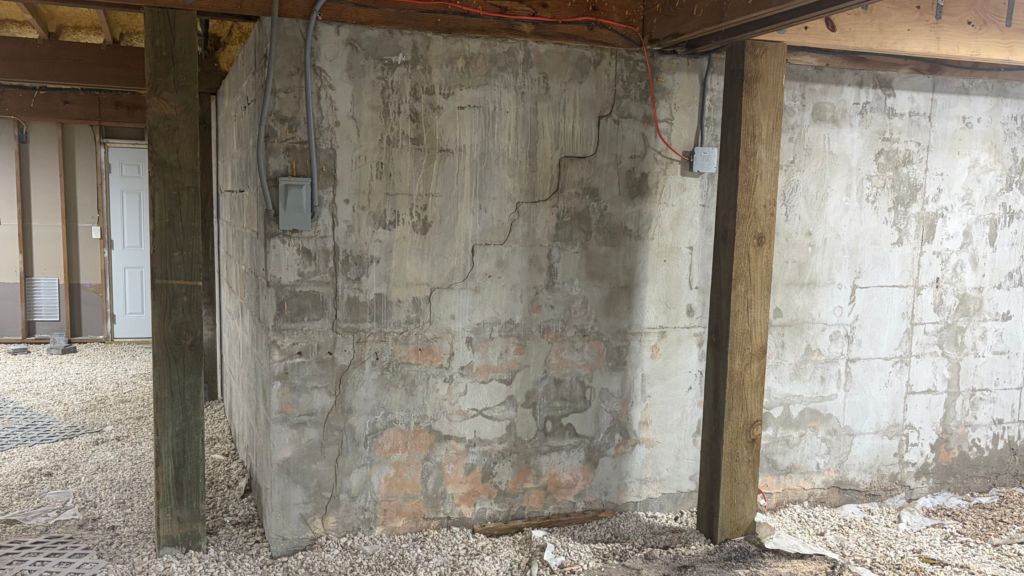
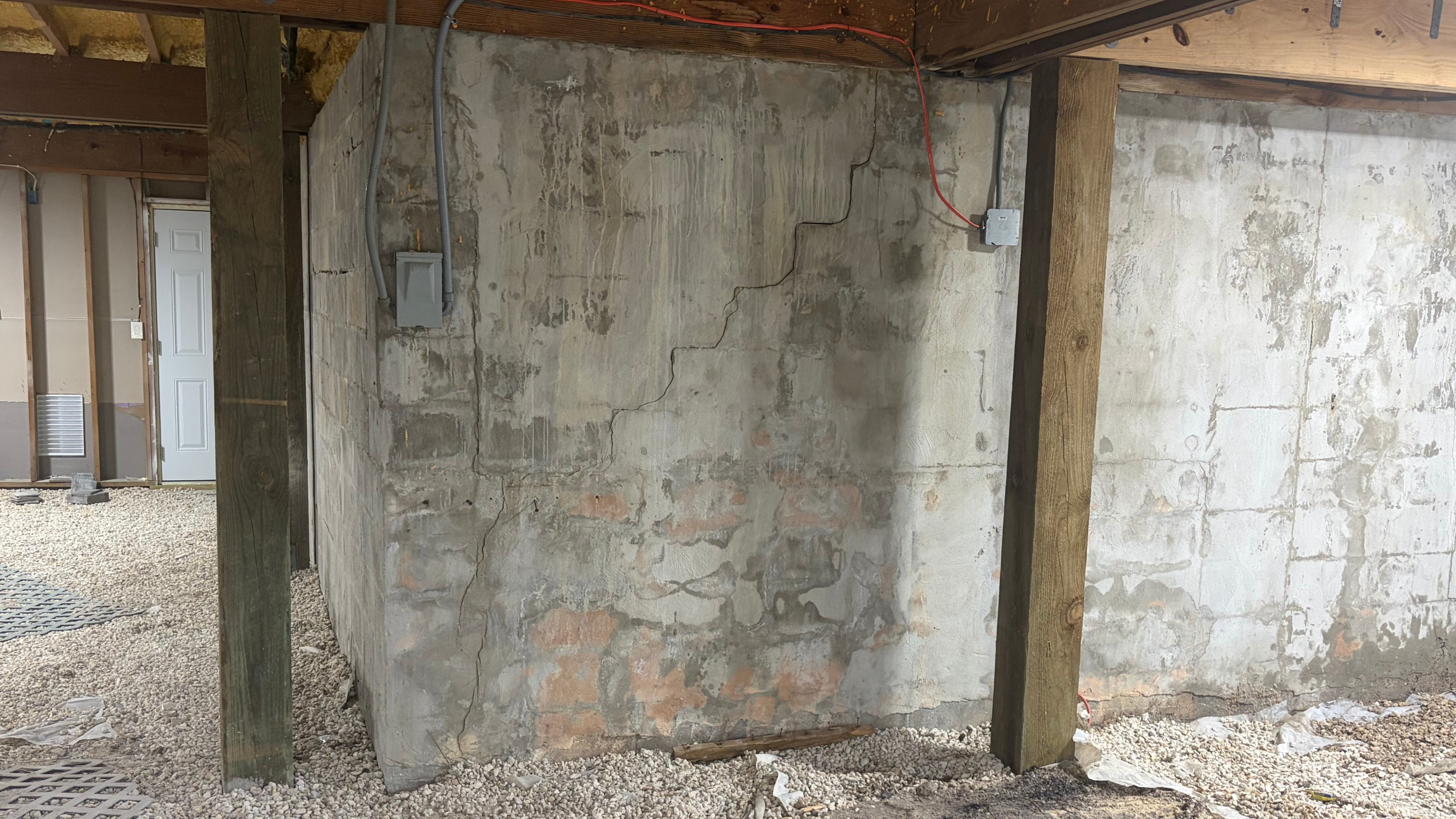
In that area, the water heater and pool equipment were positioned close to a tall pool stem wall. During the inspection, Helicon observed stair-step cracking at the corner, along with smaller cracks in the same general area.
Stair-step cracking can be an important warning sign because it often indicates that one section of a masonry or concrete-supported structure is moving differently from another.
The rest of the visible stem wall appeared to be in relatively good condition during the inspection. No comparable cracking was observed elsewhere along the wall, although the inspector did not know when the wall had last been painted. That detail matters because recent paint can sometimes make older cracking more difficult to identify.
The upper deck area also appeared to be in good condition.
The pavers looked intact, although they appeared to be adhered in place, preventing the inspector from lifting one to inspect directly underneath. From the visible surface, however, the deck did not show obvious distress.
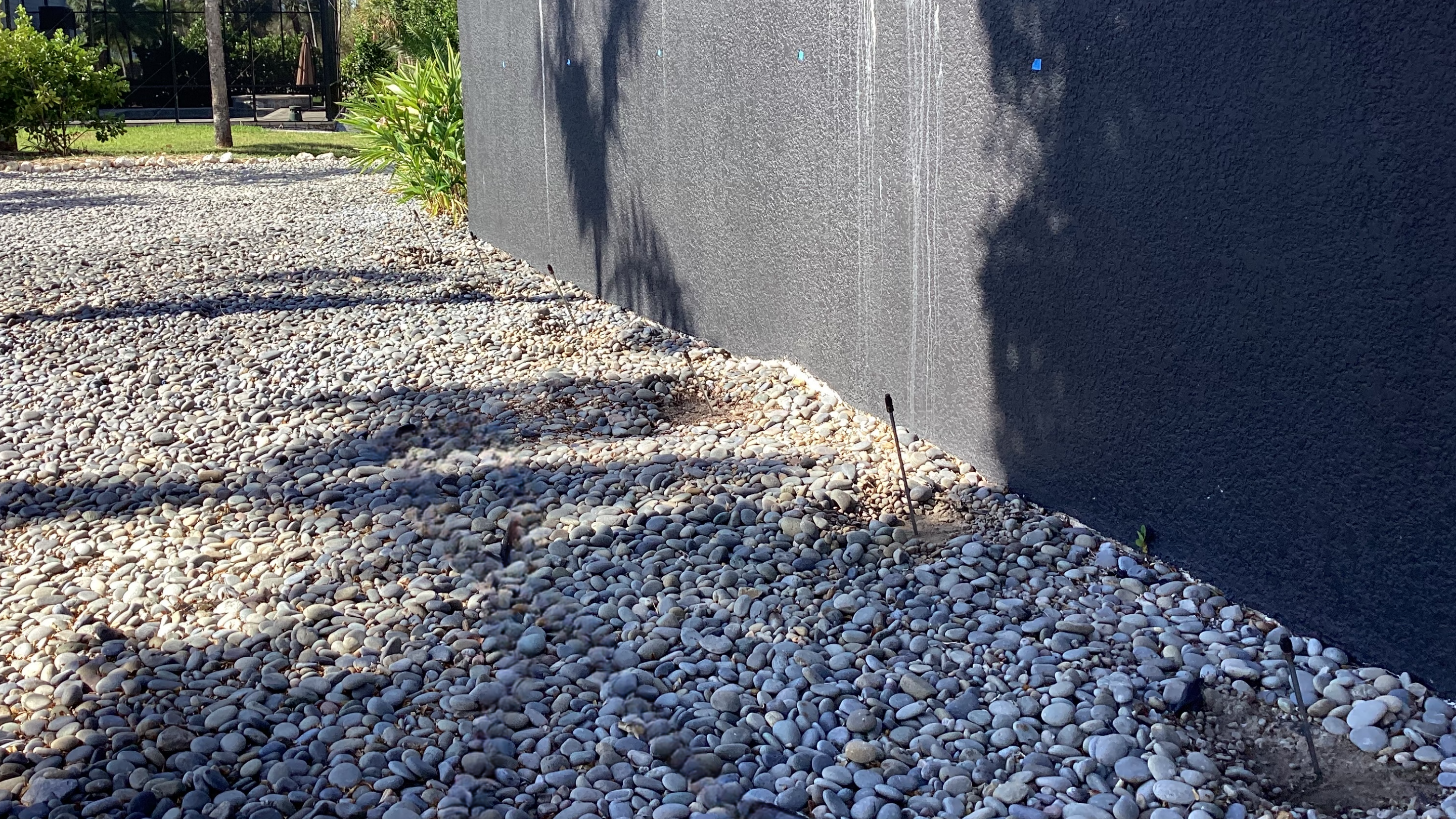
At the bottom of the stem wall, Helicon observed slight soil washout on the exterior.
That combination of conditions helped shape the repair plan:
Rather than treating the entire structure as though it had failed, Helicon developed a targeted stabilization plan based on the specific areas of concern.
Stair-step cracks should not automatically be assumed to mean severe structural failure, but they do deserve evaluation.
When this type of crack develops at a corner, it can indicate differential movement between portions of the structure.
Possible contributing factors can include:
What was clear was that the affected corner showed visible distress while the rest of the pool stem wall appeared comparatively sound. That made the corner the logical location for deeper structural support.
The buyer requested an inspection because they wanted a clear plan for addressing the corner and protecting the rest of the pool stem wall. This was an important decision.
It can be tempting to wait when cracking is localized. But if settlement is active, delaying a repair may allow distress to become more widespread. The buyer wanted to stabilize the structure rather than simply repair the visible crack and hope the movement stopped.
That led to a two-part strategy:
The goal was not aggressive lifting. The purpose of a structural repair is not to force a wall into a particular position at any cost. The primary objective is dependable support.
Several physical conditions made this project more complex than a completely open, unobstructed foundation repair.
The work area contained pool plumbing and irrigation components.
These systems had to be considered while drilling and accessing the treatment areas. Any foundation or soil stabilization project near active utilities requires careful planning because underground lines may cross or run near the repair zone.
Helicon was not able to access the garage during the original inspection. The homeowner understood that some of the installation might require drilling through concrete to reach designated treatment locations.
They were also informed that Helicon would fill the created access holes with a similar repair material afterward, while understanding that the final patch color might not perfectly match the surrounding concrete.
That expectation-setting was important because structural access through an existing slab is different from cosmetic concrete repair. The primary purpose of the drilling is to reach the support zone beneath the structure.
Wood near the water heater could potentially interfere with pier placement.
The owners indicated that they would remove some of the wood if needed to allow access for installation.
The pool stem wall was approximately 9 to 10 feet high, and reaching the footer required considerable excavation.
During the process, the crew encountered concrete while working downward toward the required support area.
That made the pier installation more challenging, but the team continued working to access the location necessary for the structural support system.
The buyer ultimately selected helical piers for the main concern at the corner where the stair-step cracking was visible.
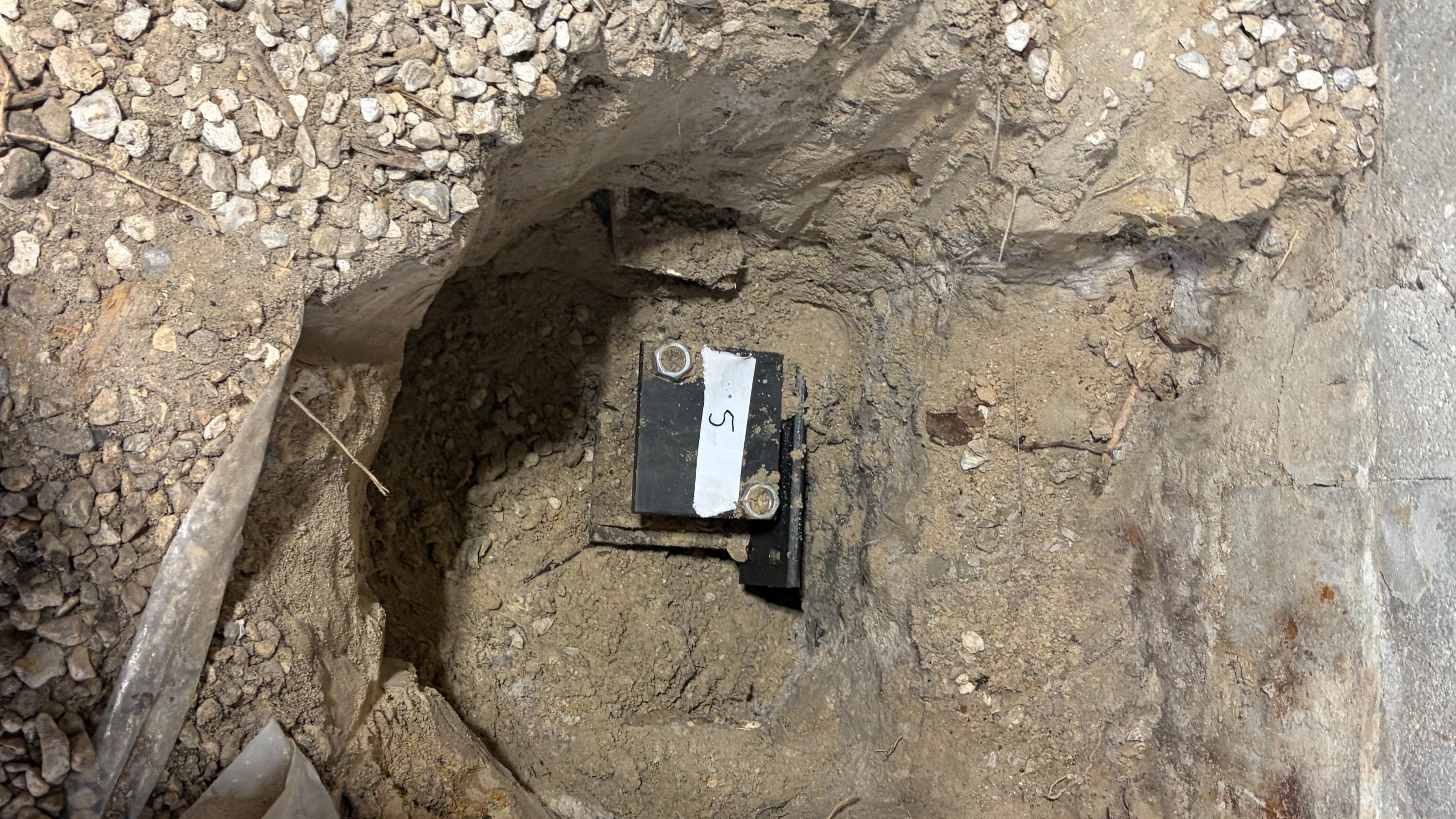
Helicon installed 5 helical piers for additional structural support.
Helical piers are used in foundation and structural stabilization projects when a section of a foundation or wall needs support transferred to deeper, more dependable bearing conditions.
For this project, the piers were concentrated around the area showing the greatest visible distress.
The purpose was to:
The source material does not document a specific amount of lift achieved, so no exact elevation correction is claimed. The project was primarily a stabilization effort.
The remainder of the repair strategy used two-part structural polyurethane soil injections.
Helicon installed:
The injections were placed in designated areas to improve support around the pool stem wall. This was especially important because the rest of the visible wall appeared to be in good condition.
Rather than waiting for cracking to develop elsewhere, the buyer chose to use deep soil treatment as a preventative stabilization measure in the specified areas.
The structural polyurethane was intended to:
This combination created a more complete structural plan than simply placing piers at the damaged corner and ignoring the surrounding support conditions.
Although the central structural work involved piers and polyurethane, concrete repair was still an important part of the overall project planning. Some injection or access locations required drilling through existing concrete.
The customer understood that these holes would be patched after the structural work was complete and that the repair material might not match the surrounding concrete perfectly in color.
That is an important distinction for homeowners.
When structural access is required through a garage slab, patio, or other concrete area, the patch is primarily intended to close the installation point after the subsurface work is complete.
The structural value comes from the stabilization beneath the concrete—not from making the access point visually invisible.
This project addressed those expectations before installation so the buyer understood both the structural repair and the cosmetic limitations of the concrete patching.
This Sanibel project used two different repair technologies for two different conditions.
The 5 helical piers provided deeper structural support at the corner where stair-step cracking had already developed.
The 24 injection points and 480 pounds of polyurethane improved support in designated areas along the remaining stem wall. Together, the two methods allowed Helicon to address the property proportionately.
The visibly damaged corner received deeper structural reinforcement. The areas that appeared to be in better condition received preventative subsurface stabilization. That was a more strategic approach than treating every section exactly the same.
Key benefits included:
No contractor can guarantee that a structure or surrounding soil will never move again.
However, the completed work materially improved the support conditions in the treated areas and addressed the buyer’s primary structural concerns.
Helicon helps Florida homeowners, property owners, contractors, and commercial clients address foundation settlement, weak soils, sinking concrete, seawall erosion, and other support-related concerns.
Our team develops repair solutions based on the structure, observed conditions, site requirements, and project goals—with a focus on solving problems where they often begin: beneath the surface.
If you are seeing stair-step cracking, soil washout, foundation movement, or settlement around a pool deck or stem wall, addressing the support condition below the surface can help protect your property.
Helicon provides soil stabilization, structural polyurethane injections, concrete repair, foundation repair, helical pier installation, concrete lifting, seawall repair, and related structural services throughout Sanibel, Southwest Florida, and communities across the state.
Call 844-HELICON to schedule a free inspection and learn which repair approach may be appropriate for your property.
FREE INSPECTION REQUEST