Repairing cracked pool decks in Florida is about more than looks. Cracks, sinking slabs, and uneven edges can create trip hazards and allow water to damage the concrete and soil below. The sooner you address these issues, the easier and more affordable the repairs usually are.
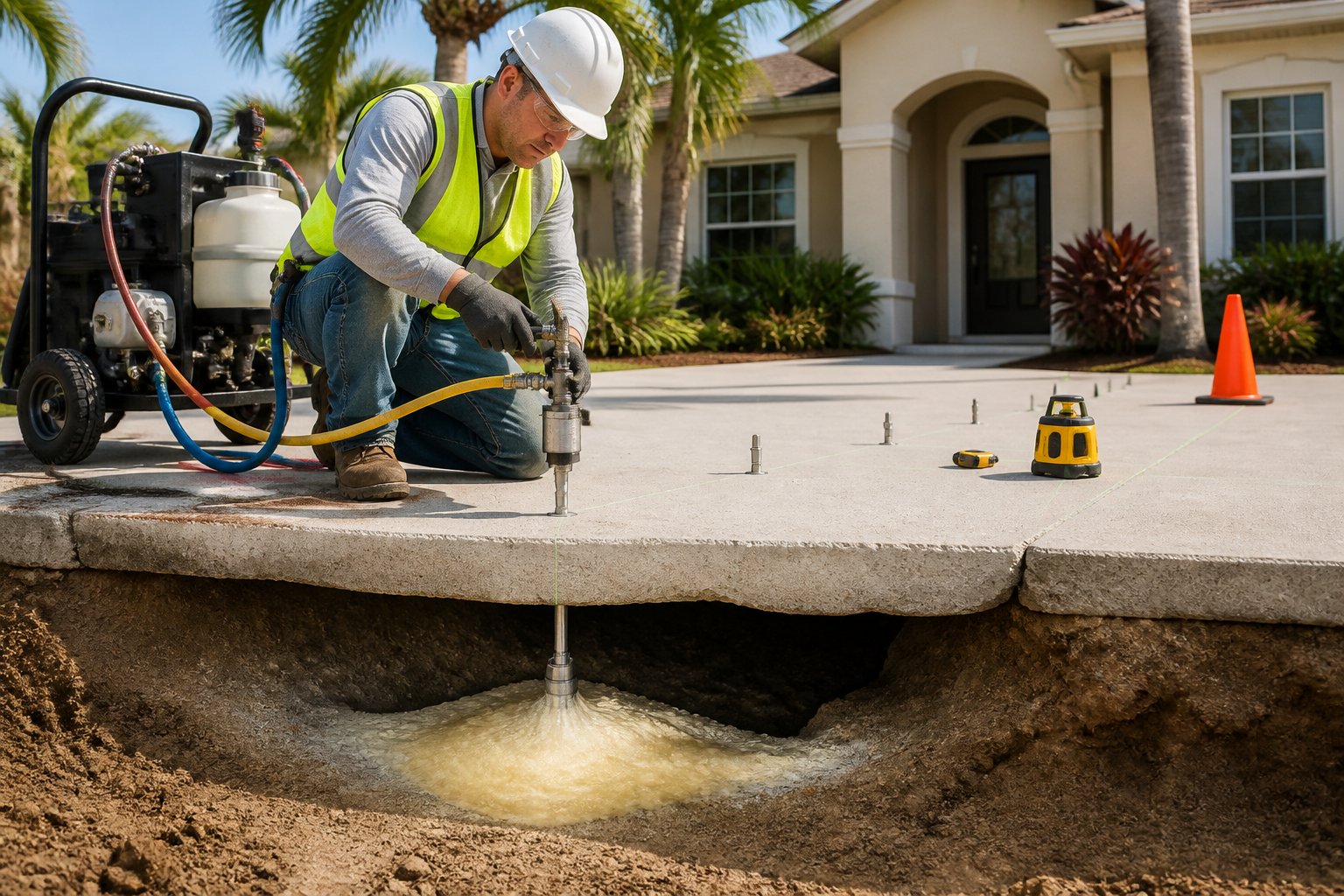
In many cases, homeowners can avoid full replacement by using methods like concrete lifting, polyurethane foam injection, and targeted patching. Helicon can help evaluate whether your deck needs simple crack repair, structural stabilization, or a combination of both.
In this guide, you’ll learn what causes pool deck cracks in Florida, how to tell minor issues from serious ones, and which repair options work best in our climate. You’ll also get practical tips on materials, maintenance, and when to choose DIY versus professional help.
Understanding Pool Deck Cracks in Florida
Cracks in your pool deck can happen for different reasons and affect your pool’s safety and look. Knowing why cracks form, how Florida’s weather plays a role, and the kind of surface your pool deck has will help you spot issues early and choose the right fix.
Common Causes of Cracking
Pool deck cracks often start because of shifting soil or poor construction. Florida soil moves a lot, especially sandy soil that can settle unevenly under your deck.
This causes slabs to sink or separate, leading to cracks. Other causes include poorly mixed concrete or the wrong placement of expansion joints.
Temperature changes can also make concrete expand and contract, which creates stress and cracks over time. If your deck shows cracks or uneven areas, it’s important to act quickly. Left alone, these problems can get worse and create tripping hazards or water leaks.
Impact of Florida’s Climate
Florida’s weather plays a big role in pool deck cracking. The state’s heat and humidity cause concrete to expand during the day and contract at night.
This constant change puts stress on your pool deck’s surface. Heavy rains and wet seasons can soften the soil under your deck, leading to settling and shifting. During dry spells, soil can shrink and leave gaps under the concrete.
These swings add to the wear and tear on your pool deck. Sun exposure also dries out the concrete, making it more prone to cracks and surface damage. Maintaining your pool deck with sealants and regular inspections can reduce climate-related issues.
Types of Pool Deck Surfaces
Pool decks come in several types, and each one reacts differently to Florida’s conditions. The most common surfaces include:
- Stamped concrete: Offers decorative patterns but can show cracks clearly and needs sealing to stay durable.
- Plain concrete: Strong but prone to cracking if the base soil isn’t stable or the mix isn’t right.
- Pavers: These allow some movement and can handle soil shifts better, but the sand base can erode over time.
- Tile or stone: These can crack if the underlayment settles or if water seeps through.
Your repair method will depend on the surface type. For example, concrete lifting works well on sinking slabs, while replacing or resetting might be needed for pavers or tiles.
Assessing the Severity of Deck Damage
Not all cracks on your pool deck are the same. Some are minor and easy to fix, while others signal deeper problems that affect safety.
Identifying Hairline vs. Major Cracks
Hairline cracks are thin and usually less than 1/8 inch wide. They often result from surface shrinkage or normal wear. These cracks rarely affect your pool deck’s stability, but should be sealed to stop water from getting inside.
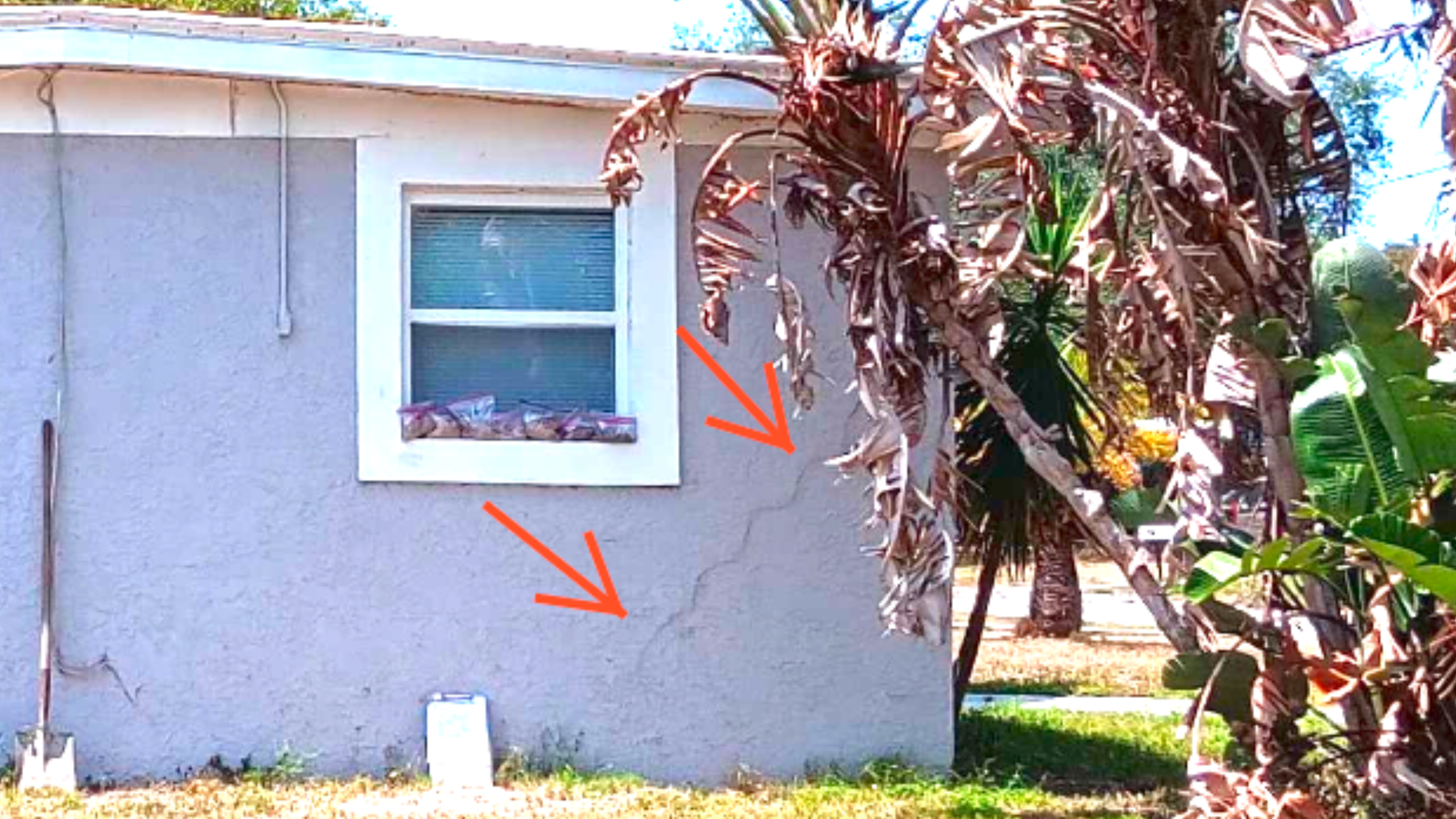
Major cracks are wider and may be uneven or stepped. These can happen due to soil movement under the deck or foundation issues. If you see cracks wider than 1/4 inch or gaps that change size, they are signs of serious damage and need careful attention.
Quick check for cracks:
| Crack Type | Width | Common Cause | Repair Approach |
| Hairline | < 1/8 inch | Surface shrinkage | Sealant or epoxy fill |
| Minor | 1/8 to 1/4” | Normal wear/settling | Fill and monitor |
| Major | > 1/4 inch | Structural movement | Professional repair |
Inspecting for Structural Issues
Look beyond the surface to see if your pool deck is shifting or sinking. Uneven areas, sagging, or cracks that grow faster indicate the soil beneath may be unstable. Florida’s soft soils and heavy rains can cause this.
Check the expansion joints too. These are gaps designed to allow concrete to move without cracking. If they are damaged or filled with debris, pressure builds up, leading to major cracks nearby.
Use a level or straightedge to find uneven spots. Movement along these areas can harm both the deck and the pool shell. If you notice pooling water or erosion near the deck’s edge, that’s a warning sign of underlying damage.
When to Seek Professional Help
If your cracks are wide, uneven, or growing, call a foundation expert. Professionals use specialized tools to test soil stability and pool deck integrity.
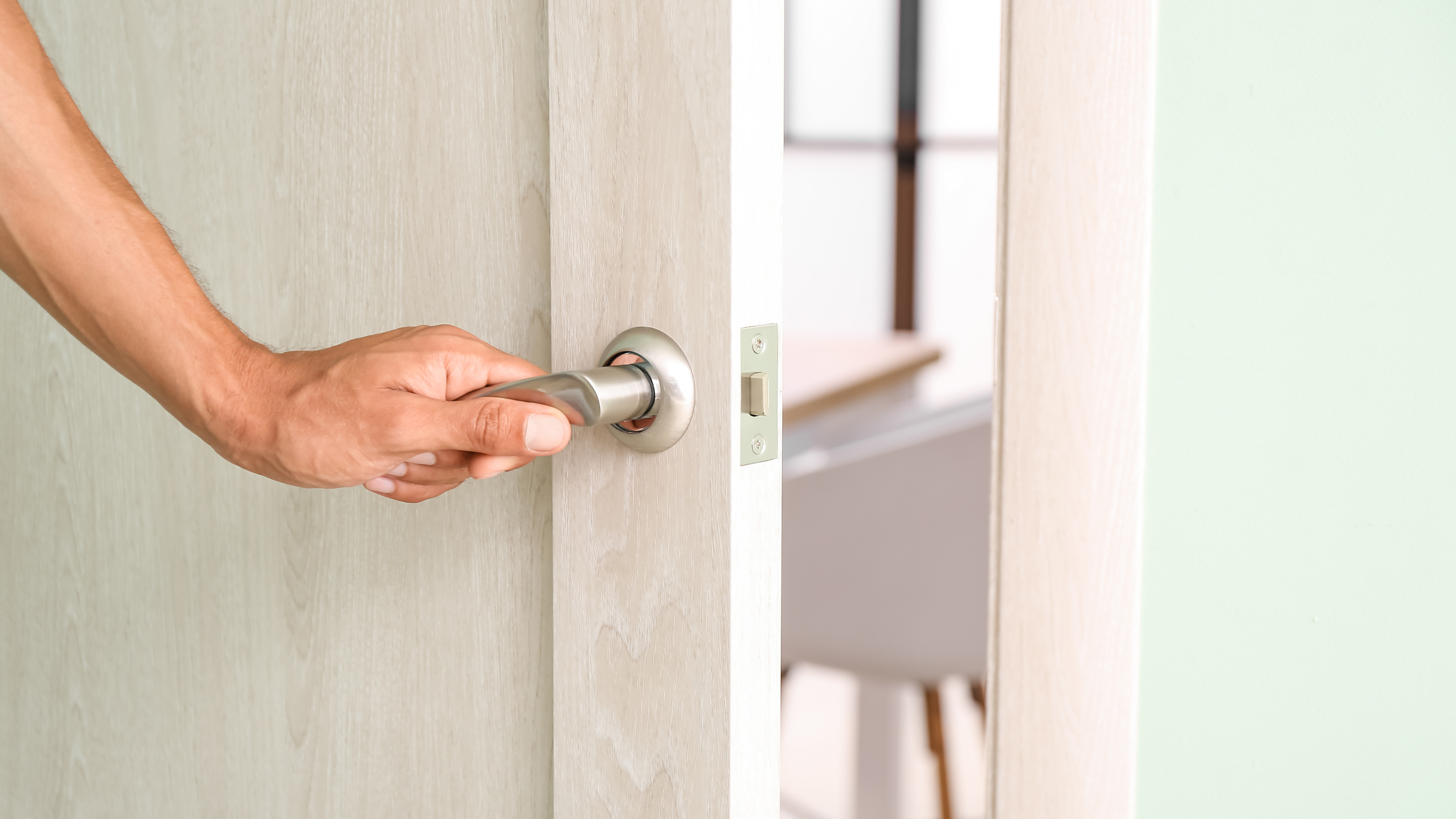
They also know the right repairs, such as concrete lifting with polyurethane foam or soil stabilization to stop further damage. You should also seek help if cracks appear alongside other signs, like doors or windows sticking, or if your deck feels unsafe to walk on.
Step-By-Step Guide to Repairing Cracked Pool Decks
Fixing cracks in your pool deck takes careful preparation, choosing the right materials, and using the correct filling methods. Each step helps ensure a lasting repair that keeps your deck safe and looking good.
Preparing the Area for Repair
Start by clearing the cracked area. Remove dirt, dust, and any loose pieces using a stiff-bristle brush or pressure washer. This cleaning makes sure the repair materials stick properly.
Next, let the surface dry completely. Moisture can weaken the repair material, so drying is important. If your pool water is nearby, drain it below the crack level to prevent wetness while you work.
Use safety gear like gloves and goggles. Cracked concrete may have sharp edges, and some materials can irritate your skin or eyes. Clean, dry, and safe—these are the basics before you apply any repair products.
Selecting Repair Materials
Choosing the right repair material depends on the crack size and type. For small hairline cracks, concrete crack fillers or epoxy are usually enough. Wider or deeper cracks need a patching compound or hydraulic cement to fill gaps and stabilize the surface.
Some materials come premixed, while others need to be mixed with water or bonding agents. Look for products made for outdoor use and resistant to weather changes. Florida’s heat and moisture demand durable materials that won’t break down quickly.
Crack Filling Techniques
For narrow cracks, apply the filler with a caulk gun or a putty knife. Push the material deep into the crack to fill it completely. Smooth the surface with a trowel or spatula.
Wider cracks need layering. Start by filling the bottom of the crack, let it set slightly, then add more material to build up the surface level. Once filled, let the repair cure for the recommended time.
Avoid using the deck until fully dry. After curing, seal the area with a concrete sealer to protect against water and heat damage. Repeat the process for each crack to keep your entire pool deck solid and safe.
Choosing Materials for Florida’s Climate
When fixing a cracked pool deck in Florida, picking the right materials is key. Your choices impact how well the deck holds up in the heat, rain, and humidity. You will also want materials that reduce slipping to keep the area safe.
Weather-Resistant Options
Florida’s hot sun and heavy rains can quickly damage many pool deck surfaces. You want materials that resist cracking and fading under intense UV rays and won’t absorb too much water.
Good options include:
- Textured concrete: Durable and holds up well to weather changes. It can be sealed to resist water damage.
- Travertine pavers: Natural stone that stays cool and resists heat better than concrete.
- Rubberized coatings: These can fill cracks and provide flexible protection against expansion and contraction.
Avoid materials that warp easily or need lots of maintenance. Regular sealing and cleaning help extend any material’s life in Florida’s climate.
Slip-Resistant Solutions
Pool decks must be safe, especially when wet. Smooth surfaces can become slippery, increasing the risk of falls.
Look for textures and coatings designed to improve grip. Some effective choices are:
- Exposed aggregate concrete: Small stones in the surface improve traction even when wet.
- Non-slip coatings: Special finishes add grip without making the surface rough or hard to clean.
- Textured pavers: Surfaces with grooves or patterns help prevent slipping.
Choosing slip-resistant materials protects you and your guests. Combining these materials with routine cleaning reduces algae and mildew, which can also cause slips.
Preventing Future Damage
To keep your pool deck strong and crack-free, focus on protecting the surface and carrying out simple care routines. These steps can help you avoid costly repairs and keep your deck safe under Florida’s harsh conditions.
Protective Sealants
Applying a high-quality sealant is one of the best ways to protect your pool deck. Sealants create a barrier against water, chemicals, and UV rays. These elements are known to weaken concrete over time, leading to cracking and erosion.
Look for sealants made for concrete pool decks and designed to resist Florida’s sun and pool chemicals. A penetrating sealant soaks into the concrete, while a topical one forms a protective layer on top. Both types help slow down damage.
You should reapply sealants every 2 to 3 years. Regular sealing keeps moisture out, prevents cracks from forming, and extends the life of your pool deck.
Routine Maintenance Tips
Small upkeep tasks often stop bigger problems from starting. Regularly check your pool deck for early signs of cracks, flaking, or surface wear. Catching these early lets you fix them before they grow.
Keep the deck clean by removing dirt, leaves, and debris. Use mild cleaners that won’t damage the sealant or concrete. Avoid harsh chemicals that can eat away at the surface.
Check drainage around the deck to make sure water isn’t pooling near the concrete. Standing water can weaken the ground and cause your deck to settle unevenly. Finally, avoid heavy objects or sharp tools on the deck. These can chip the surface and lead to cracking over time.
Professional Repair vs. DIY Solutions
When facing cracks in your pool deck, deciding between fixing it yourself or hiring a pro depends on cost, time, and the repair’s difficulty. Knowing how each option affects your budget and schedule helps you make a smart choice for lasting results.
Costs and Benefits
DIY repairs can save money up front, especially for small cracks or surface chips. You may only need sealants or patch kits, which cost less than hiring a pro. But keep in mind, these fixes often last a short time and may need to be redone.
Professional repair costs more initially but offers long-term benefits. Experts use specialized materials and equipment to restore your deck’s strength and appearance. They also spot deeper issues like foundation shifts, which DIY might miss.
DIY vs. Professional Repair:
| Factor | DIY Repair | Professional Repair |
| Initial Cost | Lower | Higher |
| Longevity | Short-term | Long-term |
| Risk of Hidden Damage | Higher | Lower |
| Materials Quality | Basic | Specialized |
Timeline Expectations
DIY fixes often take less time to start since you can begin anytime with store-bought materials. Minor cracks might only need a few hours of your attention. If the problem is larger or you lack experience, it can drag on and get frustrating.
Professional repairs usually require scheduling and on-site inspection, so initial work starts later. Once they begin, the process is faster and more efficient. Experts complete the job in fewer steps with better results, reducing the chance of future cracks reopening.
Enhancing the Appearance After Repairs
After repairing cracks in your pool deck, you can improve its look by carefully matching the old surface color and exploring decorative resurfacing options. These steps help your pool area appear seamless and fresh.
Color Matching and Blending
When fixing cracks, matching the repair material’s color to your existing pool deck is key for a smooth look. Color blending helps hide the repairs so they don’t stand out.
You can use concrete stains or dyes to adjust the patch color. Some companies offer custom color mixing to closely match your deck’s shade. If color mismatches happen, try applying a light sealant coat over the entire deck to even out tones. This also protects your deck from sun and water damage.
Decorative Resurfacing Options
Once cracks are repaired, resurfacing your deck can add style and boost durability. Popular options include:
- Stamped concrete: Adds texture and patterns like stone or tile.
- Epoxy coatings: Provide a smooth, glossy finish resistant to water and chemicals.
- Pavers or tiles: Allow for custom layouts and easy future repairs.
- Staining: Enhances natural concrete color with a rich look.
These choices let you customize your pool deck’s appearance to match your outdoor style. A fresh surface helps prevent new cracks and improves safety by adding slip resistance. Consider your budget, climate, and maintenance time when choosing an option. Professional resurfacing ensures long-lasting, polished results tailored to your needs.
Local Florida Regulations and Permits
When repairing a cracked pool deck in Florida, you need to follow local building codes and get the right permits. These rules help keep the work safe and up to standard.
Before starting repairs, check with your city or county building department. You may need a repair permit if the damage is extensive. This usually means submitting plans that show how your repair will meet Florida’s building codes.
The Florida Building Code (FBC) sets the rules for pool and deck safety. It considers things like materials, structural support, and slip resistance. Your repair work must comply with these regulations to protect both your family and your property.
Here’s what you generally need to keep in mind:
- Permit Approval: Submit repair plans for review.
- Code Compliance: Use materials and methods that meet the FBC.
- Inspections: Allow inspections during and after the repair process.
If you work with a trusted company, they will guide you through what permits are required and ensure your repairs are done right.
Helicon disse:
Keep Your Florida Pool Deck Safe and Strong
Repairing cracked pool decks in Florida protects more than curb appeal. It reduces tripping hazards, limits water intrusion, and helps your concrete stand up better to heat, rain, and shifting soils around your home.
With the right mix of materials, sealing, and maintenance, many decks can be restored instead of replaced. A trusted team like Helicon can inspect your pool deck, explain what is causing the damage, and recommend repair options that fit your budget and timeline.
If you are seeing new cracks, uneven slabs, or slippery spots, do not wait for them to grow. Schedule a professional evaluation, compare repair options, and take the next step to keep your pool deck safer, smoother, and ready for everyday use.
Frequently Asked Questions
How can I fix cracks in my pool deck without professional help?
You can fill small cracks yourself using a concrete crack filler or patching compound. Clean the crack first, remove loose debris, then apply the filler with a putty knife. Let it cure according to the product instructions before using the pool deck again.
For bigger cracks or uneven surfaces, professional repair is usually safer and more effective.
What materials are recommended for mending a split in my pool deck?
Use a high-quality concrete patch or hydraulic cement for cracks in pool decks. These materials bond well with existing concrete and resist water damage. Epoxy or polyurethane fillers also work for flexible repair and long-lasting results.
Make sure to pick products designed for outdoor, wet environments to prevent early wear.
Are there any unique considerations when dealing with pool deck cracks in the Florida climate?
Florida’s heat, humidity, and frequent rain stress concrete surfaces. Sun exposure can cause surface cracking, while rain and pool chemicals contribute to erosion. Also, soil movement in Florida can lead to shifting or sinking decks.
Repairs should use materials that handle moisture and temperature changes and consider soil stabilization if movement is an issue.
What is the longevity of a repaired pool deck before another fix might be needed?
A well-done repair can last 5 to 10 years, depending on crack size, repair materials, and ongoing maintenance. Pool decks exposed to harsh weather or heavy use might need touch-ups earlier. Routine inspection helps catch new damage early to avoid larger repairs.
Could fixing a pool deck crack improve the overall safety of my pool area?
Yes, repairing cracks removes tripping hazards and prevents further concrete degradation. Smooth, stable surfaces reduce injury risk around the pool.
Timely repairs also stop water infiltration that can weaken the deck’s structure. This keeps the entire pool environment safer for everyone.
What signs should I look for to indicate that my pool deck needs resurfacing?
Watch for widespread cracking, surface flaking, chipping, and uneven areas. If the deck feels rough underfoot or has visible gaps, resurfacing can restore a smooth, secure surface.
If cracks keep reappearing after patching, a full resurfacing may be needed to fix the underlying problems.