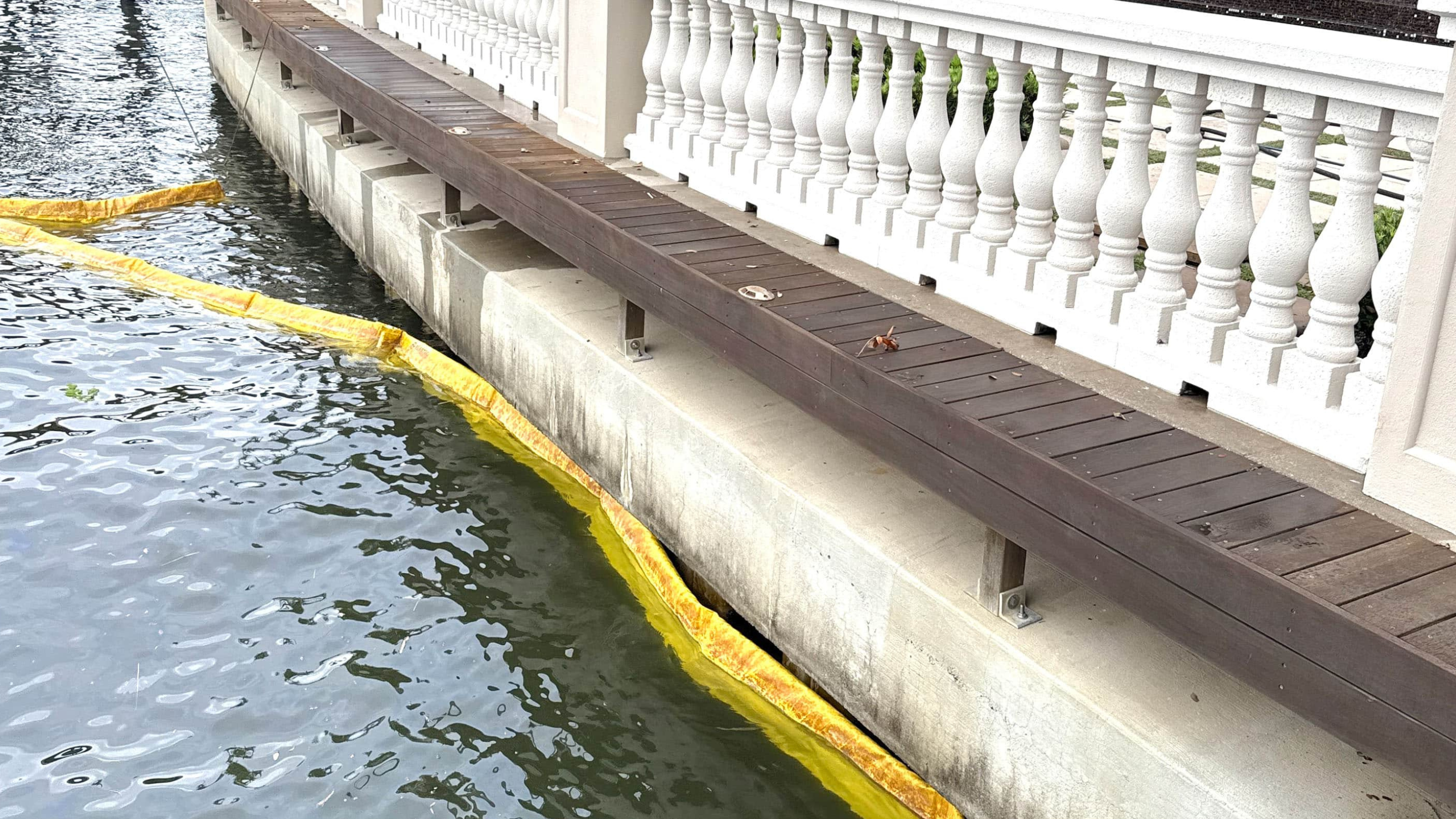
Seawall damage can get expensive fast, which is why so many homeowners ask: how much does it cost to repair a seawall? The price depends on what failed, how far it spread, and how quickly you catch it.
At Helicon, we see the same pain point again and again: you need a real budget range, not guesswork. Knowing what drives pricing helps you compare bids and avoid paying for more work than you need.
This guide breaks down common cost ranges, per-foot pricing, and the factors that push totals up or down. You’ll also learn where repairs tend to snowball and how to plan the project with fewer surprises.
Factors That Affect Seawall Repair Costs
A handful of key factors determine what you’ll pay to repair your seawall. Material type, how bad the damage is, your property’s location, and local permit hoops all affect your final bill.
Type of Seawall Material
The material your seawall uses has a big impact on repair costs. Concrete and steel seawalls almost always cost more to fix than vinyl or wood.
Concrete repairs often call for specialized equipment and skilled labor to match the existing structure. Steel seawalls? Those need welding and corrosion treatment, which really bumps up labor expenses.
Vinyl walls are generally easier and cheaper to repair since you can swap out panels one by one. Wood seawalls may be less expensive at first, but you’ll be dealing with more frequent fixes down the line.
Extent of Damage
If you’re just dealing with small cracks or surface wear, repairs cost a lot less. You might pay $100 to $250 per linear foot for basics like filling cracks or swapping out small sections.
But if your wall’s tilting, has big voids, or foundation problems, costs can rocket to $600 per linear foot or more. Full reconstruction? That’s anywhere from $15,000 for a small wall to well over $1 million for big commercial jobs. Jump on repairs early. Waiting just makes things worse and more expensive.
Location and Accessibility
Where your seawall sits has a real effect on repair costs. If you’re in a remote coastal area, labor rates climb since contractors have to haul equipment out farther.
Difficult access? That’s going to cost more, too. If crews can’t get trucks or machines close, they’ll need special equipment or more manual labor.
The ground under and around your wall matters. Rocky, sandy, or clay soils all require different repair approaches. And if you’re in a spot with heavy tides or strong waves, you might need extra reinforcement.
Permitting and Regulations
Most coastal repairs need permits from local or state agencies. That adds both time and money. Permit costs depend on your area, and the application process can drag on for weeks or months. Some places have strict environmental rules about when you can do repairs to protect marine life.
You might have to get engineering reports or environmental studies before you even start. These requirements are good for the ecosystem, but they’ll bump up your upfront costs. Contractors familiar with local rules can help you sidestep delays and extra expenses.
Average Cost Range for Seawall Repairs
Seawall repair costs usually run from $100 to $600 per linear foot, depending on how bad the damage is and what kind of repair you need. Most homeowners end up spending between $15,000 and $60,000 for a complete repair project.
Price Estimates by Linear Foot
Basic repairs? You’re looking at $100 to $250 per linear foot. That covers minor stuff like cracks, joint repairs, and surface patching.
Bigger problems cost between $300 and $600 per linear foot. If your wall needs major structural work or foundation fixes, that’s where the price climbs.
The total depends on how many linear feet need fixing. A 50-foot seawall with basic repairs might run $5,000 to $12,500. With major damage, it could hit $15,000 to $30,000.
Most residential repairs fall between $4,000 and $40,000. The final bill depends on your wall’s length and how rough its condition is.
Comparison by Seawall Type
Different seawall materials mean different repair costs:
- Vinyl seawalls: $100 to $200 per linear foot
- Steel seawalls: $150 to $300 per linear foot
- Concrete seawalls: $200 to $400 per linear foot
- Wood seawalls: $100 to $250 per linear foot
Concrete walls? They’re pricier because of the equipment and skills involved. Steel’s up there, too, thanks to welding and rust treatment. Vinyl is usually more affordable since you can swap out panels. Wood lands in the middle, but if there’s a lot of rot, you might need to replace the whole thing.
Labor and Material Costs
Labor eats up about 50 to 70 percent of your total bill. Contractors typically charge $50 to $150 per hour, depending on where you live and how tough the job is.
Materials make up the other 30 to 50 percent. You’ll need concrete, steel, vinyl panels, or marine-grade lumber.
Don’t forget permits: they run $100 to $500 in most places. Some jobs require engineering inspections, which can tack on $500 to $2,000. Renting equipment for excavation or water pumping might add another $200 to $1,000.
Breakdown of Seawall Repair Expenses
Repairing a seawall involves several cost categories that add up fast. Knowing what each chunk covers helps you budget and avoid nasty surprises when you get quotes.
Inspection and Assessment Fees
Before repairs start, you’ll need a professional inspection to figure out what’s actually wrong. Most contractors charge $300 to $800 for this. Some might throw in a free inspection if you hire them for the job.
A good inspection checks for cracks, erosion behind the wall, and any structural red flags. The inspector will tell you if you need minor patches or a full overhaul.
Sometimes you’ll need underwater cameras or soil tests, which can add $200 to $500. A detailed report is worth it—it saves you from paying for stuff you don’t need or missing crucial repairs.
Demolition and Removal Costs
If parts of your seawall are too far gone, you’ll need to pay for demolition and debris removal. That usually costs $50 to $150 per linear foot, depending on the material and how easy it is to access.
Concrete is pricier to remove than vinyl or wood, since it demands heavy equipment and more labor. Disposal fees at local dumps add another $500 to $2,000.
If the site’s tough to access, expect costs to climb. Sometimes you’ll need extra permits for demolition, which can tack on another $100 to $400.
Reinforcement and Replacement Materials
The materials for reinforcement and replacement are usually your biggest expense. Concrete runs $150 to $300 per linear foot, while steel can hit $200 to $400.
Vinyl sheet piling is more budget-friendly at $100 to $200 and resists corrosion pretty well. Wood is cheapest—$75 to $150 per linear foot—but you’ll be fixing it more often.
You’ll also need grout, anchors, tie-backs, and drainage materials. These usually add 15% to 25% to the base material costs. Higher-quality stuff costs more up front but can save you hassle (and money) down the road.
Ways to Save on Seawall Repairs
Stay on top of maintenance and pick your repair timing wisely—you’ll save a bundle. Working with contractors who know seawalls inside and out helps you dodge expensive mistakes.
Preventive Maintenance Tips
Regular inspections catch small problems before they snowball. Check your seawall at least twice a year for cracks, erosion, or water damage. Keep debris and plants off your wall. Vegetation in cracks? Yank it out fast—roots can make cracks worse.
Make sure your drainage works. Water pooling behind the wall adds pressure and accelerates damage. Small patch jobs are cheap compared to full replacements. Fixing a crack might cost $100 to $250 per linear foot, but letting it go could mean $600 per foot later.
Hiring Qualified Contractors
Always get at least three written estimates. It’s the best way to compare prices and see who actually knows what they’re talking about.
Pick contractors with real seawall experience, not just general construction. They’ll know the right fix for your wall and your area.
Check their licenses, insurance, and ask for references. Photos of past projects don’t hurt either.
If a bid seems way too low, be wary—cheap materials and shortcuts will cost you more in the long run. Ask about bunding repairs with other shoreline work. Sometimes you can get a discount if you combine seawall repairs with dock work or erosion control.
Timing Your Repair Project
Schedule work during off-peak seasons when contractors aren’t slammed. Fall and winter often mean lower rates in many areas. Don’t wait for an emergency. Rush jobs during storm season can cost 20-30% more than planned repairs.
Weather makes a difference. Crews work faster and more efficiently when conditions are calm, which saves you money. If your neighbors need seawall work too, team up. Contractors might cut you a deal if they can do several jobs in one go.
Long-Term Considerations and Planning
Thinking ahead can save you thousands over your seawall’s lifespan. Regular upkeep and smart financial planning protect your property and your wallet.
Maintenance for Cost Efficiency
Regular maintenance is way cheaper than emergency repairs. Simple stuff—clearing debris, checking for cracks, watching drainage—stops small issues from getting out of hand.
Inspect your seawall at least twice a year, ideally in spring and fall. Look for rust, cracks, or soil erosion behind the wall. Catching these early can mean repairs costing just a few hundred instead of thousands.
Key maintenance tasks:
- Clear away vegetation and debris every month
- Check weep holes for clogs
- Watch for settling or tilting
- Apply protective coatings every 3-5 years
Setting aside $500 to $1,500 a year for maintenance is smart. It’s like insurance for your waterfront—much better than surprise repair bills of $15,000 or more.
Warranties and Financing Options
Most seawall repairs come with warranties, usually one to ten years, depending on the work. Material warranties tend to last longer than labor, so ask your contractor for the details.
Common ways to finance repairs:
- Home equity loans or lines of credit
- Property improvement loans
- Payment plans through contractors
- Insurance claims for storm damage
It’s wise to have a contingency fund; set aside 10-20% extra beyond your estimate. Hidden damage often pops up once work starts, and that buffer keeps things moving. Some contractors offer monthly payment plans, which can make big repairs easier to handle.
Long-Term Considerations and Planning
Seawall repairs can feel unpredictable, but the cost gets easier to manage when you understand what’s driving it. Knowing your wall’s condition, likely repair scope, and per-foot pricing helps you budget with fewer surprises.
Helicon can help you pinpoint the real problem early, so you’re not paying for guesswork or last-minute escalation. A clear inspection and a solid plan are often the difference between a contained repair and a much bigger bill.
If you’re seeing cracks, movement, or washout behind the wall, don’t wait for it to worsen. Schedule an inspection and request a quote so you can lock in a plan, timeline, and budget that fits your property.
Frequently Asked Questions
How Much Does It Cost to Repair a Seawall?
Most homeowners spend between $15,000 and $60,000 to repair a seawall. Smaller repairs can start around $4,000, while major structural work can exceed $40,000. The final cost depends on damage severity, wall length, materials, and access.
What Is the Average Cost Per Linear Foot?
Seawall repairs typically range from $100 to $600 per linear foot. Minor crack repairs fall on the lower end, while foundation issues or structural reinforcement push costs higher.
What Factors Have the Biggest Impact on Seawall Repair Cost?
The biggest cost drivers are the extent of damage, seawall material, location, and accessibility. Permit requirements, labor rates, and whether repairs address underlying soil or drainage issues also affect pricing.
Is It Cheaper to Repair or Replace a Seawall?
Repairs are usually cheaper if damage is caught early and limited to surface cracks or small sections. Replacement becomes more cost-effective when the wall has widespread failure, severe leaning, or foundation loss.
How Long Do Seawall Repairs Typically Last?
Well-executed repairs can last 10 to 25 years, depending on the material and repair method. Ongoing maintenance and proper drainage play a major role in extending repair life.
Do Seawall Repairs Require Permits?
Most seawall repairs require local or state permits, especially in coastal or waterfront areas. Permit costs and timelines vary by location and may include environmental or engineering reviews.
Can I Delay Repairs If the Damage Looks Minor?
Delaying repairs often increases total cost. Small cracks or voids can quickly lead to erosion behind the wall, turning a minor repair into a major structural project.
Are There Ways to Reduce Seawall Repair Costs?
Yes. Regular inspections, early repairs, and proper drainage maintenance help keep costs down. Scheduling work during off-peak seasons and getting multiple qualified bids can also reduce overall expense.
Does Insurance Cover Seawall Repairs?
Insurance may cover repairs if damage is caused by a covered event like a storm, but gradual wear and erosion are usually excluded. Coverage varies, so reviewing your policy is important.
How Do I Know If My Seawall Needs Professional Repair?
Signs include visible cracks, leaning sections, soil washout behind the wall, rusted components, or pooling water. A professional inspection is the best way to determine repair scope and cost.