You noticed a crack creeping across the corner of your living room ceiling, or maybe it showed up just above the bedroom doorway after last summer’s storms rolled through.
Cracked drywall is one of the most common concerns Florida homeowners raise, especially in homes built on sandy soils, near saltwater canals, or in areas with a history of sinkholes. A single line in the paint can feel unsettling when you don’t know whether it’s a normal part of owning a house or the first hint of a problem underground.
Helicon has tracked how these patterns form across Florida since 2004, with more than 20 years in the field and a 4.9-star average from homeowners behind that experience. The advice below is built around Florida’s ground conditions rather than generic national guidance.
This guide covers how to read a crack’s shape, size, and location, how to connect it to other clues around the house, and how to decide between a patch job and a professional inspection. Getting that call right keeps you from painting over a structural issue.
Read the Pattern Before You Repair the Surface
A single hairline crack near a ceiling corner rarely means much on its own. A pattern of cracks across several rooms deserves a closer look. Florida’s sandy soils and heavy seasonal rain create just enough ground movement to test drywall seams and tape lines year after year, so the pattern is where an honest answer starts.
Hairline and Drywall Seam Cracks
Hairline cracks thinner than the edge of a credit card, especially along seams or taped joints, are usually cosmetic. They form when paper tape shifts slightly as a house settles or as humidity swings through the wet and dry seasons. These patch easily and rarely return once repaired properly.
Vertical and Diagonal Cracks Near Openings
Vertical cracks running straight up from a door or window frame often trace normal settling, especially if they stay thin. Diagonal cracks are different, particularly ones wider at the top than the bottom, which can mean the foundation beneath that section of wall has begun shifting unevenly.
Horizontal, Wide, or Reappearing Cracks
Horizontal cracks, and any crack wider than a quarter inch, point toward more serious movement in the wall or the foundation supporting it. Cracks that keep returning after being patched usually mean the underlying cause was never addressed, only covered.
Ceiling Corner Cracks and Truss Uplift
Cracks where the ceiling meets the wall, particularly in winter, are often caused by truss uplift, a seasonal flex in roof framing that isn’t a structural defect. Foundation-related cracking tends to appear lower on walls and near door and window openings instead.
Connect Wall Damage With Other Signs of Movement
A crack rarely travels alone. If a door started sticking around the same time a wall crack appeared, or the floor near that wall feels slightly sloped, those symptoms are usually connected. Florida’s shifting soils and storm-driven groundwater changes tend to affect several parts of a house at once, which is why the rest of the room matters as much as the crack itself.
Doors, Windows, Floors, and Trim That No Longer Align
Doors and windows that stick, gaps opening between trim and walls, and floors that feel uneven near a cracked wall are strong signs of foundation settlement. When several appear together, the cause is more likely structural than cosmetic.
Cracks in Slab Areas and Exterior Masonry
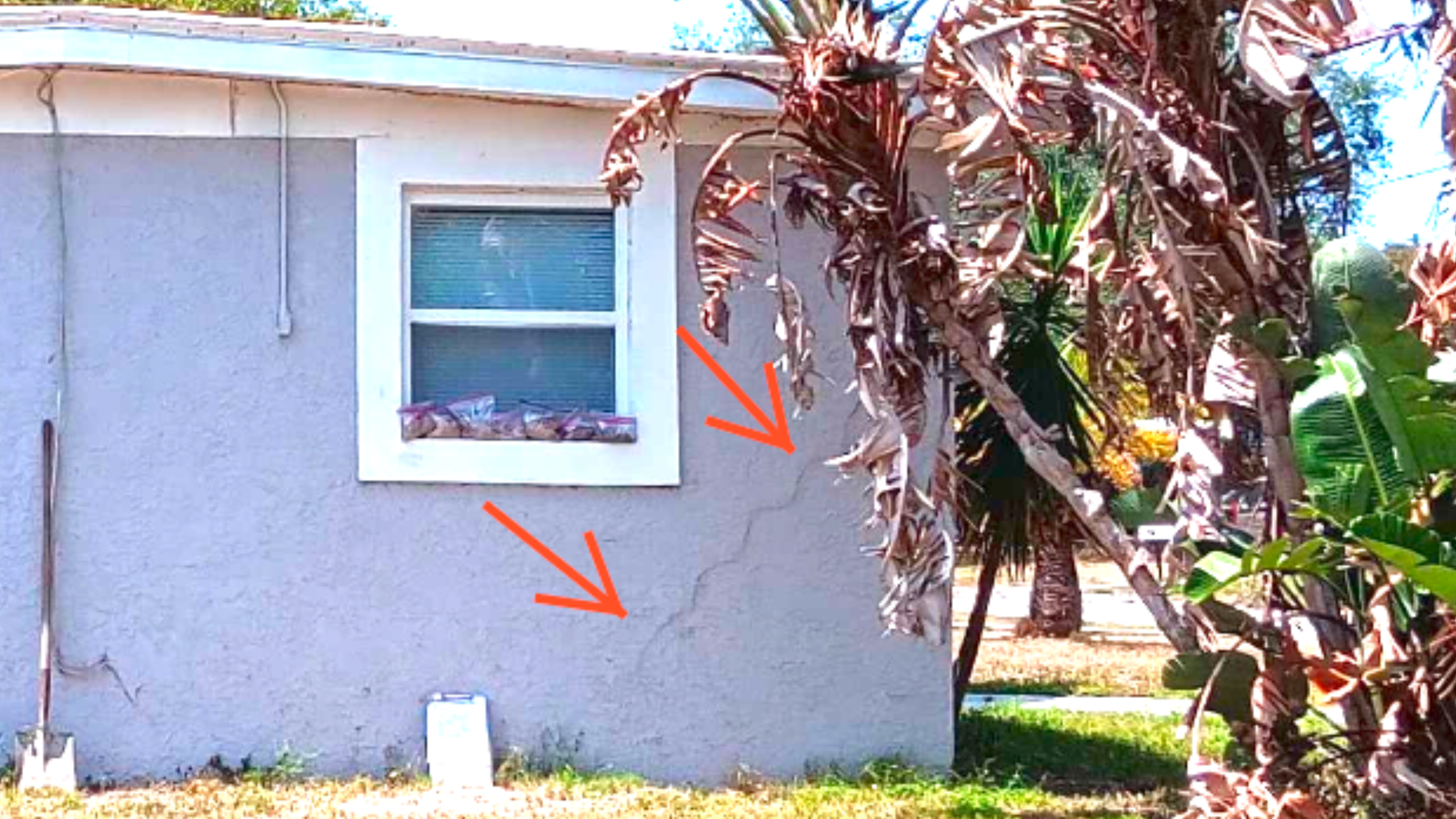
Cracks in a slab floor, garage floor, or exterior stucco near a cracked interior wall suggest the movement started below ground. Stair-step cracks in exterior brick or block often line up with interior cracks on the same wall.
When Crack Changes Over Time Matter Most
A crack that holds the same size for months is far less concerning than one that visibly widens or lengthens. Mark each end with a pencil, date it, and check back in a few weeks. That gives you real data instead of a guess, and it gives an inspector something concrete to work from.
Rule Out Moisture, Climate, and Installation Problems
Not every crack in a Florida home traces back to the ground. Humidity swings between a muggy August and a drier winter cause gypsum board and paper tape to expand and contract, often cracking right along a seam. Ruling out these causes first keeps you from spending money chasing the wrong problem.
Humidity and Temperature Changes at Drywall Seams
Florida’s humidity swings stress drywall seams harder than in drier climates, especially where paper tape wasn’t fully embedded during installation. These cracks stay thin, follow seam lines exactly, and tend to reappear in the same spots each year.
Roof Leaks, Plumbing Leaks, and Water Damage
Water stains, soft spots, or a musty smell near a crack point toward a roof or plumbing leak rather than foundation movement. Left alone, that moisture can also feed mold growth inside the wall cavity.
Loose Tape, Fasteners, and Aging Materials
Nail pops, where a fastener loosens slightly from the framing, create small round cracks distinct from seam cracks. Fiberglass tape and drywall screws installed without enough compound can also fail over time, independent of any foundation issue.
Why Florida Conditions Turn Small Shifts Into Visible Cracks
Florida’s ground doesn’t behave like ground in most other states. Sandy soils drain quickly but shift with rainfall, and coastal properties contend with saltwater exposure and storm surge on top of that. Recognizing these local risk factors helps you judge how much weight to give a crack.
Sandy Soil, Rainfall, and Changing Groundwater
Sandy soils compact unevenly as groundwater levels rise and fall between the wet and dry seasons. That inconsistent support beneath a foundation is one of the most common root causes of foundation cracks in Florida homes.
Drainage, Erosion, and Slab Support
Poor drainage lets water pool against a foundation and erode the soil supporting the slab. Over time, that erosion opens voids beneath the concrete, and the resulting settlement often shows up first as cracked drywall inside.
Sinkhole Activity and Localized Soil Voids
Florida’s karst limestone geology makes some areas prone to underground voids that can develop into sinkholes. A cluster of cracks paired with a sloping floor or a depression in the yard warrants a professional look at soil stability. Worth knowing before you panic: the state distinguishes between a verified sinkhole and a subsidence incident, which is any reported depression a licensed professional geologist hasn’t confirmed. The Florida Department of Environmental Protection’s sinkhole FAQ explains that distinction, along with what to do if you suspect a sinkhole on your property.
Decide Whether to Patch, Monitor, or Request an Inspection
Once you’ve read the pattern and ruled out moisture and installation causes, the question turns practical: patch it, watch it, or call someone. A single stable hairline crack rarely needs more than spackle and paint.
When a Cosmetic Drywall Repair Is Reasonable
If a crack is thin, hasn’t grown over several weeks of monitoring, and isn’t paired with sticking doors or sloped floors, a cosmetic repair makes sense. Joint compound and paint handle most of these. If it stays closed after several months, it was likely a minor seasonal shift.
When Professional Help Is Necessary
Horizontal cracks, diagonal cracks widening at the top, and multiple cracks clustered in one area all justify an inspection. A specialist can measure floor elevations and assess soil stability with tools no homeowner has on hand.
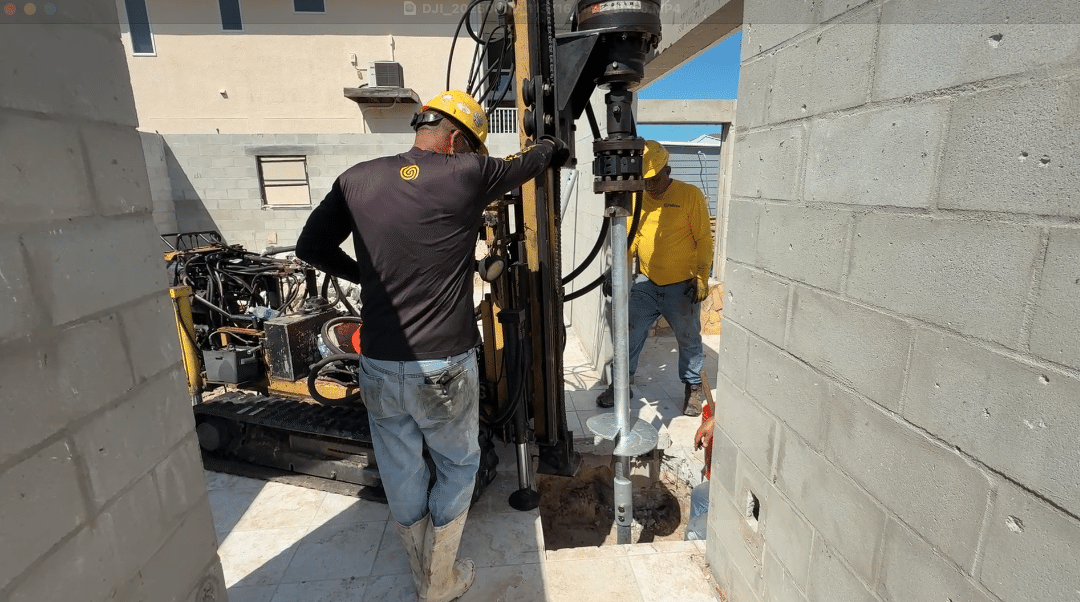
Addressing a foundation issue early prevents minor settlement from becoming a major structural failure. Repairs such as foundation piers stabilize a home for the long term rather than resurfacing the symptom.
Frequently Asked Questions
Are drywall cracks normal in Florida homes?
Minor cracks are common, driven by high humidity and sandy soil. Cracks wider than a quarter inch, or any crack paired with sticking doors or uneven floors, should be inspected.
How can I tell if a crack is structural?
Structural cracks tend to run diagonally or horizontally, grow over time, and appear alongside secondary signs like gaps in exterior stucco or sloping floors. Thin cracks that follow a drywall seam exactly and stay the same size are almost always cosmetic.
How wide does a crack have to be before I worry?
A quarter inch is the common threshold, but width alone isn’t the whole test. A thin crack that widens month over month matters more than a slightly wider one that has been static for years.
How long should I monitor a crack before calling someone?
Two to four weeks of pencil marks and dates is usually enough to tell whether a crack is active. Skip the waiting period if you already see sticking doors, sloped floors, or exterior stair-step cracking, since those point to movement that’s already underway.
Why do my ceiling corner cracks come back every winter?
That seasonal return is the signature of truss uplift, where roof framing flexes as attic temperature and humidity change. It’s a framing behavior rather than a foundation problem, and it’s typically handled with trim or a flexible corner detail instead of rigid patching.
Will homeowners insurance cover foundation repairs?
Florida policies typically cover catastrophic ground cover collapse, a narrowly defined event. Ordinary foundation settlement is usually excluded, which makes early detection and documentation important. Check your specific policy language, since coverage and sinkhole endorsements vary by carrier.
Can I just patch a crack and repaint it?
You can, if the crack is thin, stable, and not accompanied by other signs of movement. If it reopens in the same place within a year, the patch treated the surface and not the cause.
Protect Your Home With an Expert Evaluation
Cracked drywall is often the first warning a house gives about shifting soil beneath it. A crack that turns out to be cosmetic costs you nothing but an hour of someone’s time to confirm.
Helicon offers a free, no-obligation inspection to identify the cause of the cracking before recommending any repairs. That visit gives you a clear answer about whether your Florida home is sitting on solid ground.