Proudly serving all of Florida with offices in Tampa, Orlando, and Fort Myers

Compaction Grout: Duke Energy, Crystal River, FL

by | Aug 4, 2020

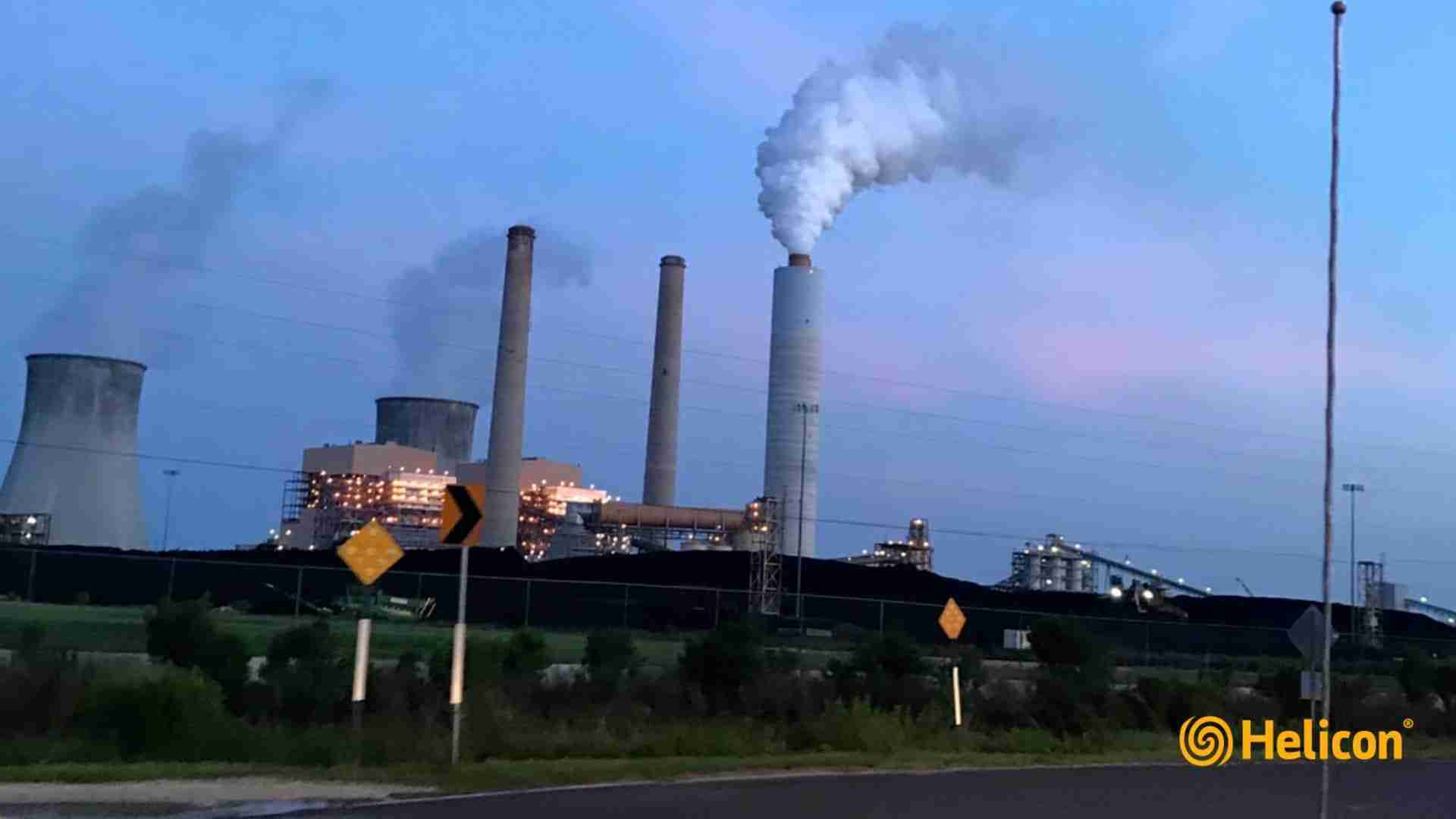
The compaction grout project is a nuclear power plant located in Crystal River, FL. This project consisted of the design and construction of a new Wastewater Treatment (WWT) system for flue gas desulfurization (FDG) blowdown water prior to disposal into the existing percolation ponds on the south side of the plant discharge channel. The Geotechnical Engineer of Record recommended a ground improvement solution of compaction grout pumped to improve the load bearing capacity of the existing sandy/silty soils at the site.

Challenge

• Sandy/Silty conditions were in loose condition up to 11 feet

• Numerous layers of sand, silt, and clay were encountered in the limestone stratum

Solution

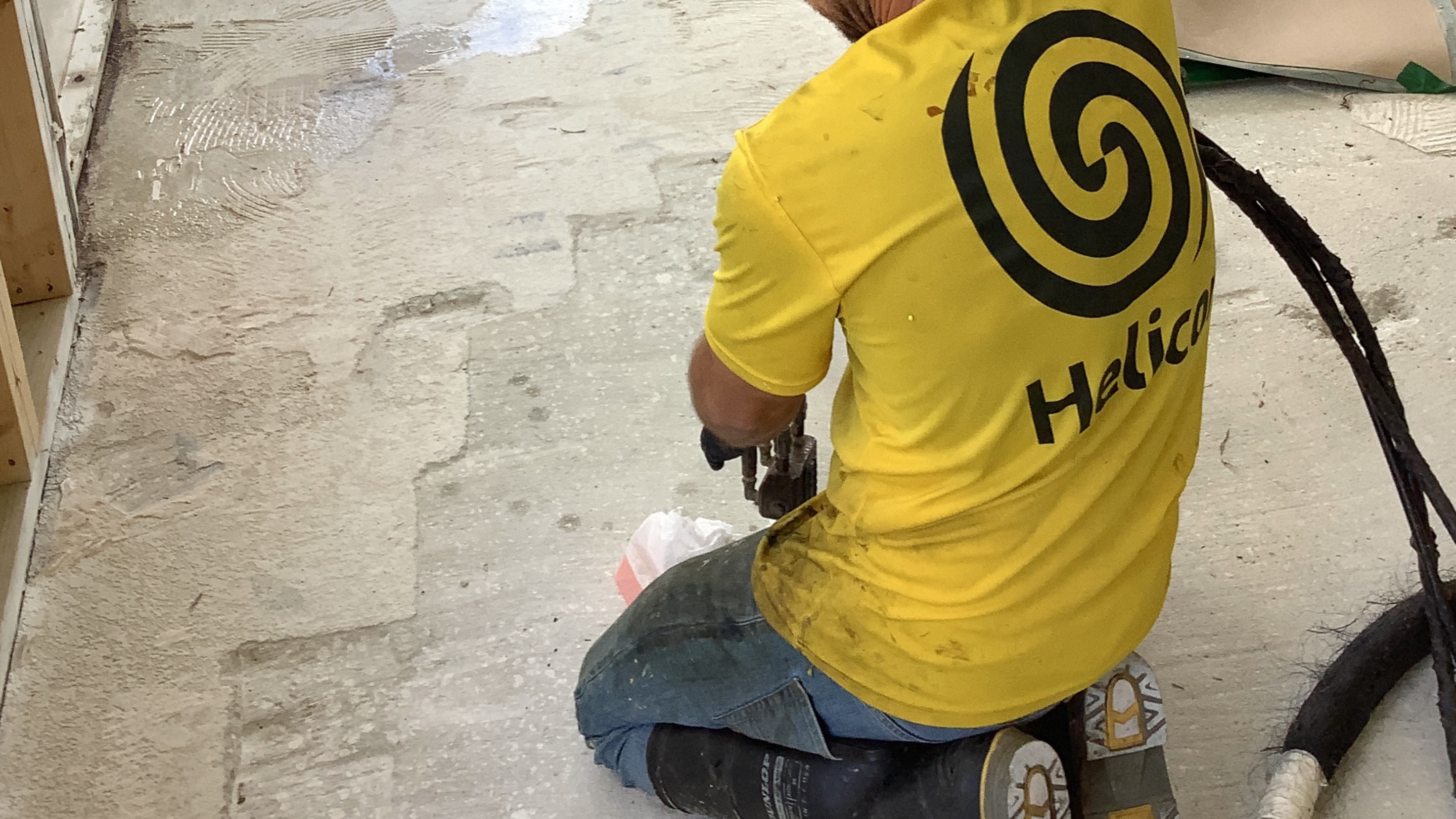
Helicon worked alongside the geotechnical design team to develop a compaction grout program designed to meet the building code load criteria. The drilling of 87 compaction grout points and 1,600 cubic yards of grout mixture injections were the course of action taken on this project. The injection of a cementitious grout mixture, under pressure, through the clay formation further compacted the soils thereby reducing the total settlement through the layer. Efficient planning & coordination was key to overcoming the challenges & limitations. Helicon collaborated with the Geotechnical Engineer of Record throughout the work and confirmed all recommended criteria were followed. Image
i 3 Table of Contents

Recent Blogs:

Seawall Cap Cracking: What It Means and What to Do 

Direct Answer  A cracked seawall cap may be caused by normal concrete aging, shrinkage, settlement, soil loss behind the wall, water pressure, wall movement, corrosion, tieback or anchor stress, or structural deterioration. Some small, stable cracks may be...

Voids Behind Seawalls: Why They Happen and How to Fix Them 

Direct Answer  Voids behind seawalls happen when soil is lost from behind the wall and empty space forms below the surface. In Florida, this usually occurs when water carries soil through seawall joints, cracks, panel gaps, failed filter fabric, failed black...

What Causes Soil Loss Behind Seawalls in Florida? 

Direct Answer  Soil loss behind seawalls is usually caused by backfill escaping through open joints, cracks, panel gaps, failed filter fabric, failed black filter fabric, clogged or missing drains, failed weep holes, poor pressure relief, storm surge, wave...

Featured Projects:

About the Author:

Jay Silver

Jay Silver is the Founder and President of Helicon, Florida’s leading geotechnical construction company specializing in foundation repair, soil stabilization, deep foundations, and underpinning solutions.

Under his leadership, Helicon has become one of Florida’s top foundation repair providers and a trusted partner for homeowners, builders, and contractors across the state. Jay is recognized as an expert in geotechnical construction and is active in professional organizations advancing the industry.

Secret Link